
Used Utility Trailers For Sale in Georgia
Browse used Utility trailers in Georgia, including dry van models with composite or plywood interiors, swing or roll doors, and air or spring ride.
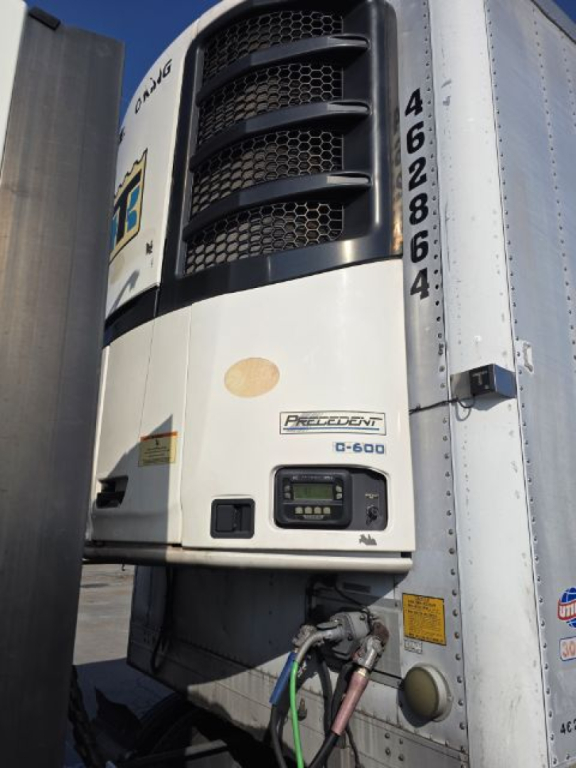
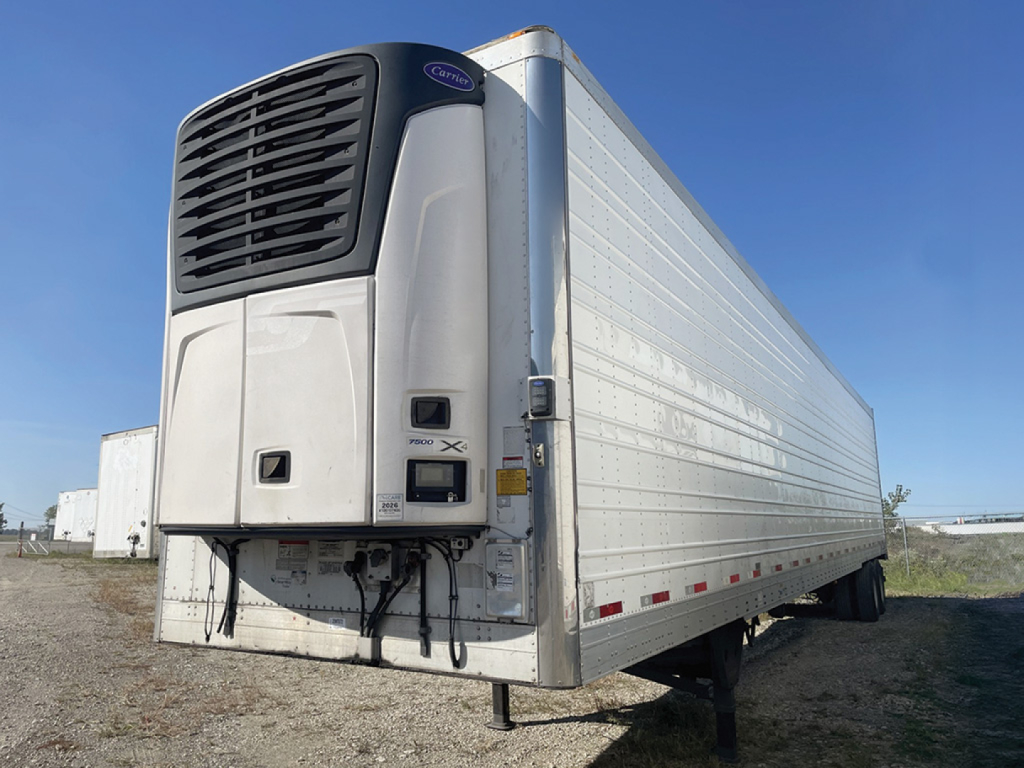
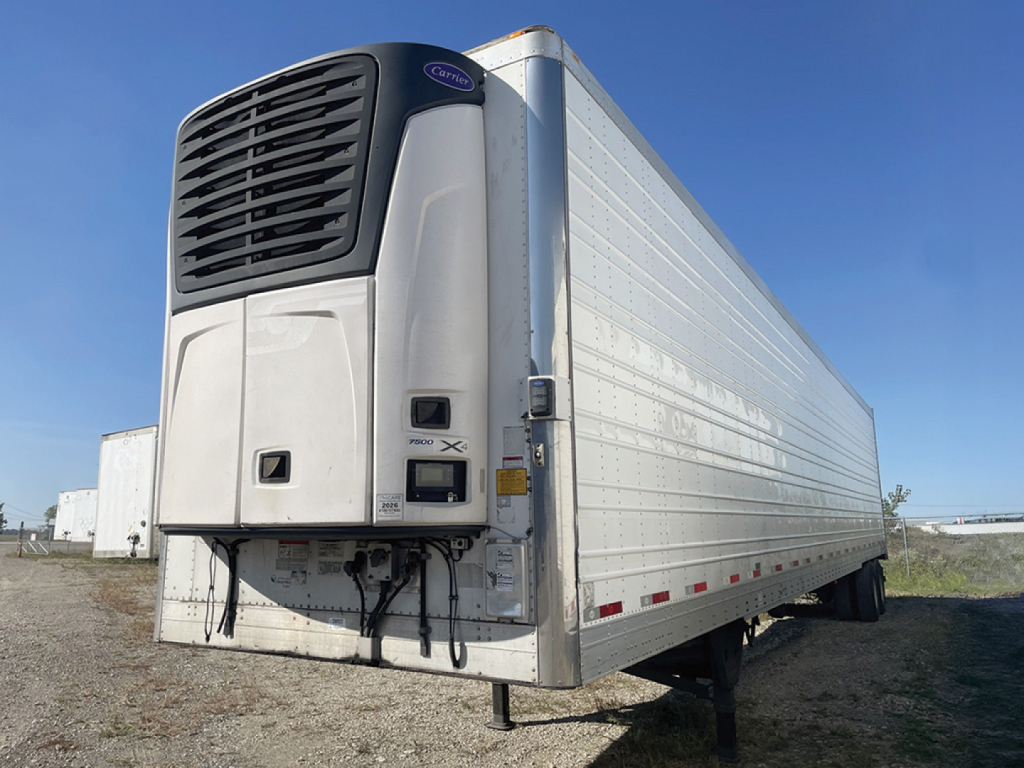
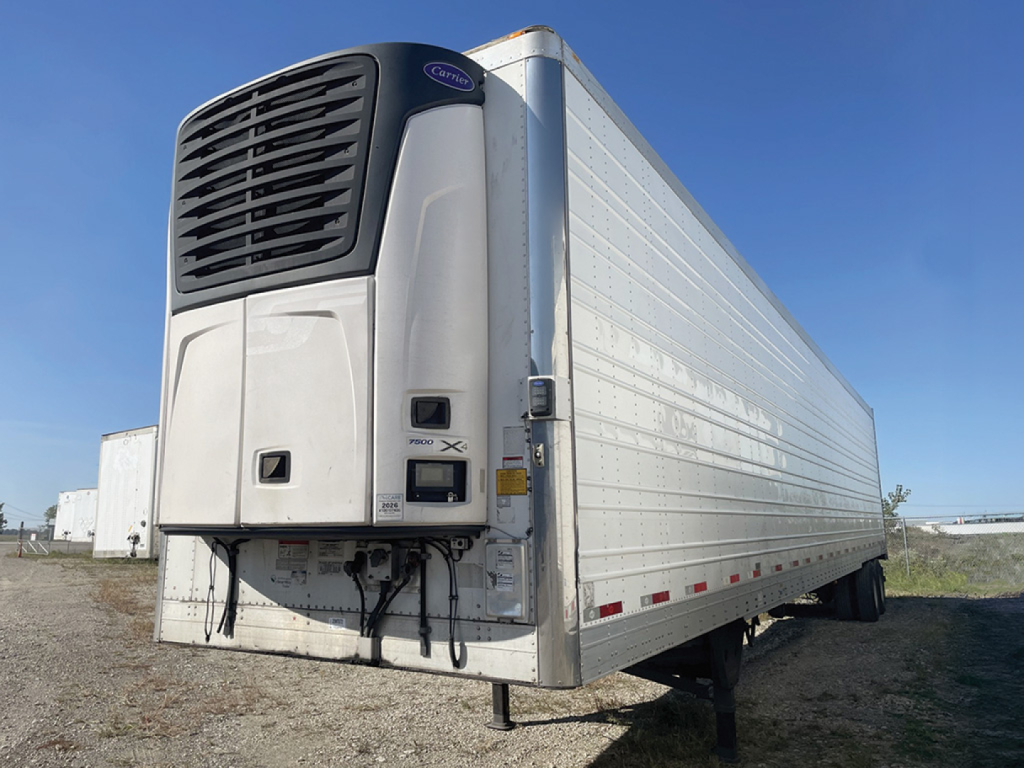
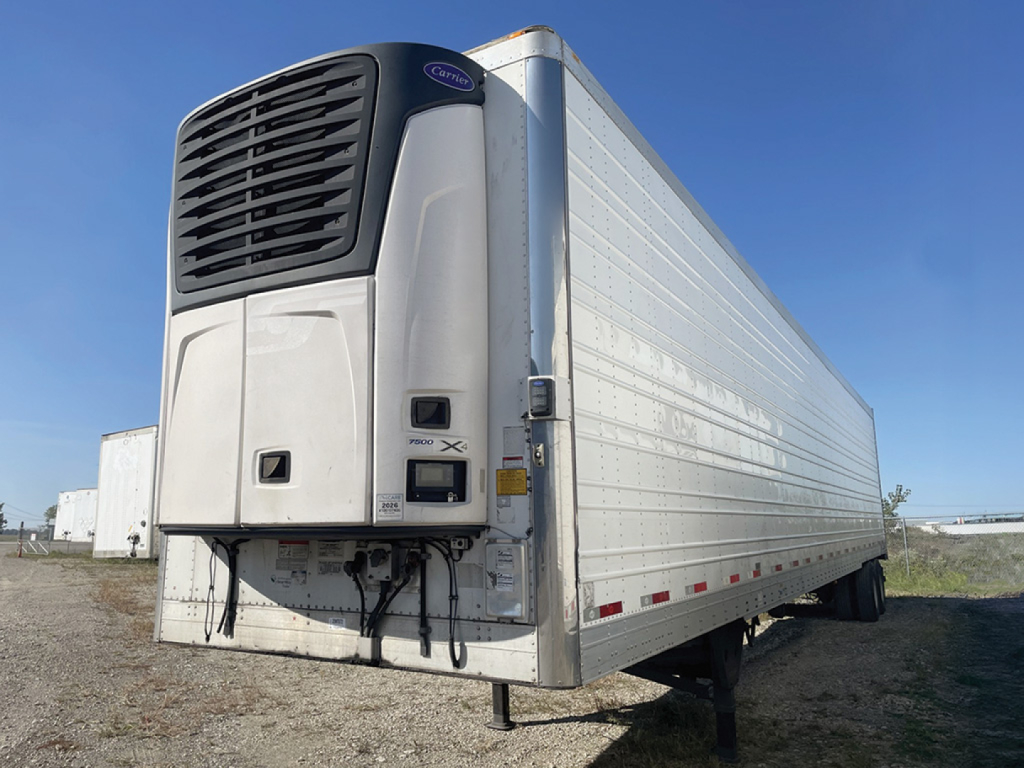
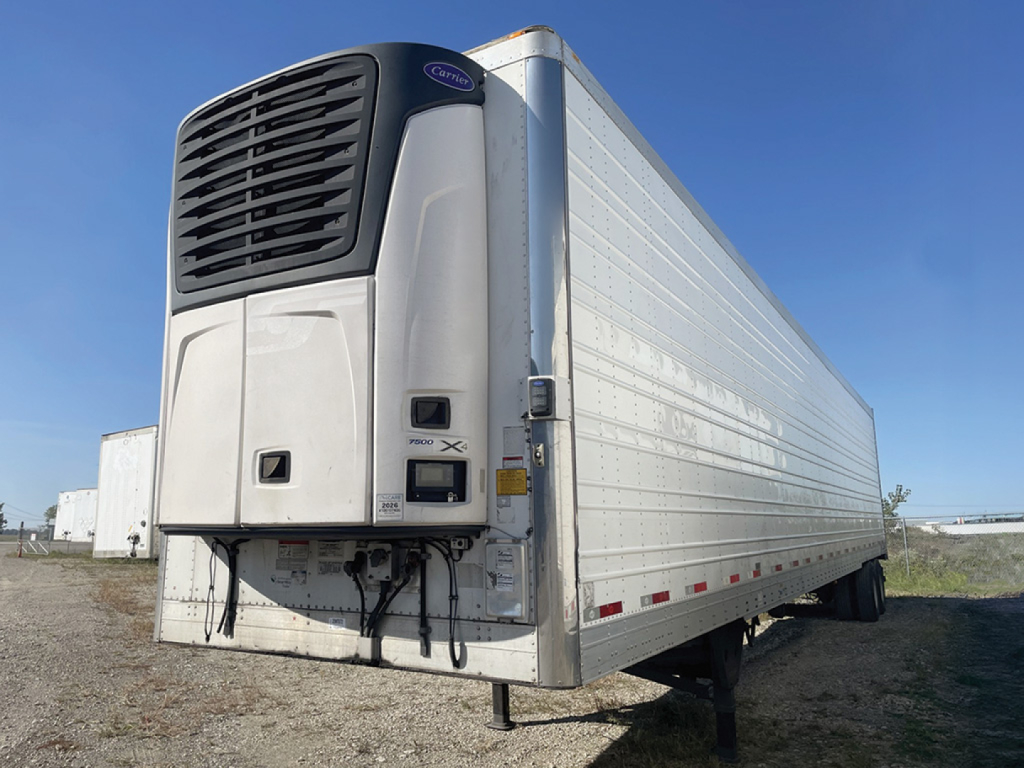
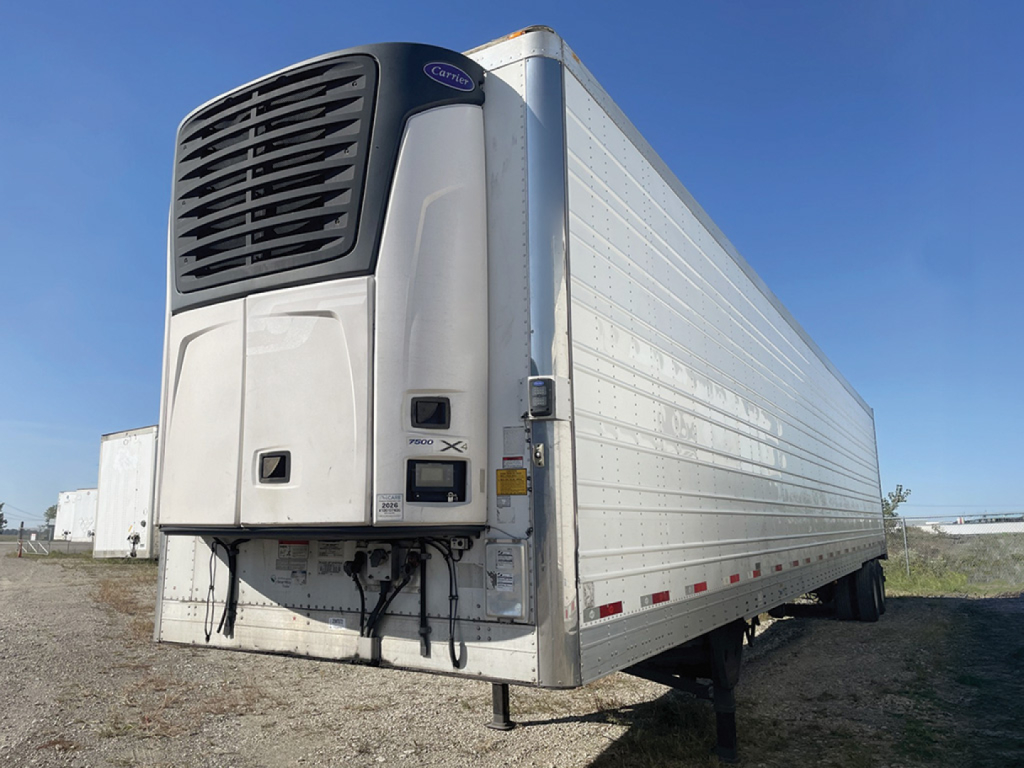
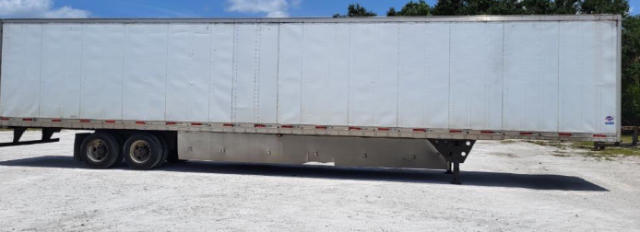


Selling a used utility trailer? List your used utility trailer for sale and reach thousands of commercial buyers.
Used Utility Trailers in Georgia
For dry van work, the important spec decisions usually come down to floor strength, suspension, and door configuration. A used Utility trailer may be set up with air ride or spring ride, and that choice matters if the trailer will see sensitive freight, rough yards, or mixed regional routes. Swing doors remain the standard for many docks because they are simple and durable, while roll doors can make sense in urban delivery or frequent stop applications where door clearance matters. Interior equipment like E-track, logistic posts, scuff liners, and food-grade lining can add real value if the trailer is being matched to a specific shipper requirement instead of generic spot freight.
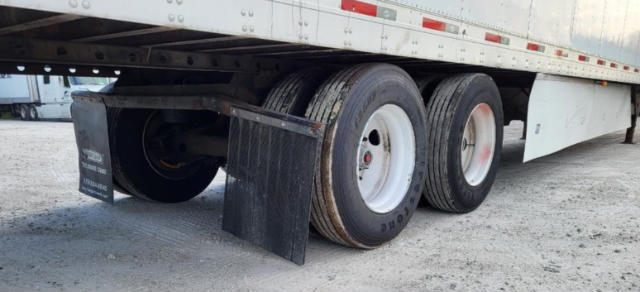
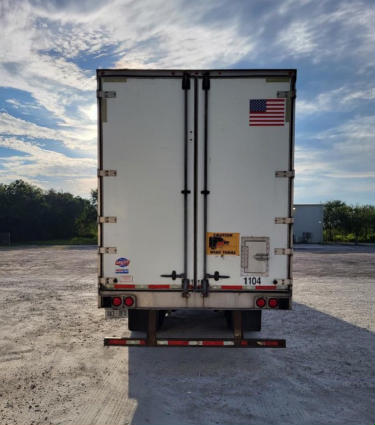
Condition matters more than model year on a used van trailer. Buyers should pay close attention to brake life, tire condition, roof integrity, floor wear, crossmember condition, rear frame area, and signs of prior sidewall or nose damage. On Utility trailers, it is also worth checking for water intrusion around the roof bows and front wall, door frame alignment, and the condition of the ICC bumper and slider assembly if equipped. In Georgia, where trailers may move through humid conditions, busy intermodal corridors, and high-cycle regional service, a clean title, current inspection status, and maintenance history can be just as important as the original build sheet.
Utility dry vans hold their place in the market because parts availability is strong, most shops know the platform, and the trailers are familiar to carriers running standard 53-foot van freight. A buyer comparing used Utility trailers should look at the trailer’s actual cargo application instead of shopping by price alone. A paper-spec trailer, a carpet-spec trailer, and a food-grade trailer can all be built on the same basic platform but serve very different operations. Matching interior spec, suspension, and cargo control setup to the freight lane is usually what separates a trailer that works from one that creates avoidable downtime.
Frequently Asked Questions about Used Utility Trailers in Georgia
What are the most important things to inspect on a used Utility dry van trailer?
The key inspection points are the floor, roof, brakes, tires, suspension, rear frame, and wall condition. Buyers should look for soft floor sections, patched roof leaks, bent crossmembers, damaged door frames, uneven tire wear, and corrosion or cracking around high-stress areas. Interior wear matters too, especially if the trailer was used for paper, carpet, or food-grade freight, because the cargo type often leaves a clear pattern of stress on the walls and floor.
What is the difference between a composite and a plywood-lined Utility trailer?
A composite trailer uses laminated or composite wall construction that can reduce weight and often provides a clean interior finish, while a plywood-lined trailer adds impact protection and can be easier to repair after forklift or freight contact. The better choice depends on the freight. Composite can make sense for general dry van freight where tare weight matters, while plywood lining is often preferred in tougher loading environments where sidewall abuse is expected.
Is air ride or spring ride better on a used Utility trailer?
Air ride is generally preferred for higher-value or more damage-sensitive freight because it helps reduce road shock and can improve cargo protection. Spring ride is simpler and can be less expensive to maintain, but it may not be as forgiving on rough pavement or in dock-to-dock operations carrying delicate loads. The right choice depends on the lane, the freight, and how much ride quality matters to the shipper.
Why does post spacing matter on a dry van trailer?
Post spacing affects sidewall strength and how the trailer handles concentrated freight loads. Tighter post spacing, such as 10-inch centers, is often associated with heavier-duty applications like paper hauling, while wider spacing such as 16-inch centers may be fine for lighter or less concentrated freight. Buyers should match wall construction and post spacing to their actual cargo mix because the wrong interior spec can lead to faster structural wear.
Are Utility 4000 D-X trailers a good fit for general freight in Georgia?
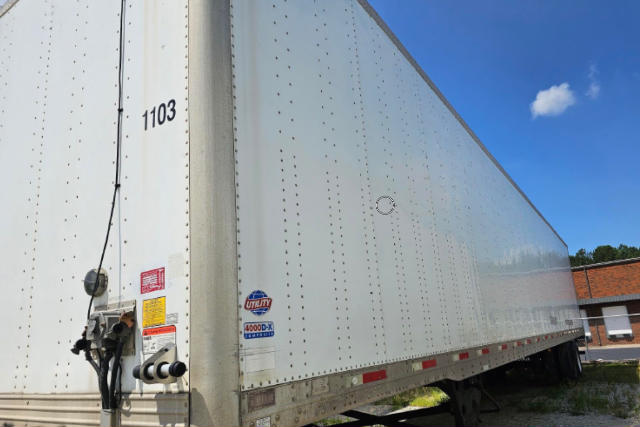
Yes. The Utility 4000 D-X is a well-known 53-foot dry van platform that fits a wide range of general freight applications across Georgia, including regional distribution, retail, packaging, and dock freight. Its popularity helps with resale, service familiarity, and parts support. The main consideration is not whether the platform works, but whether the specific trailer’s interior build, suspension, and condition match the freight and route cycle.