
Used 2013 Utility Trailers For Sale
Shop used 2013 Utility trailers for sale, including dry van and reefer models with common specs, trailer features, and buying tips.
Learn more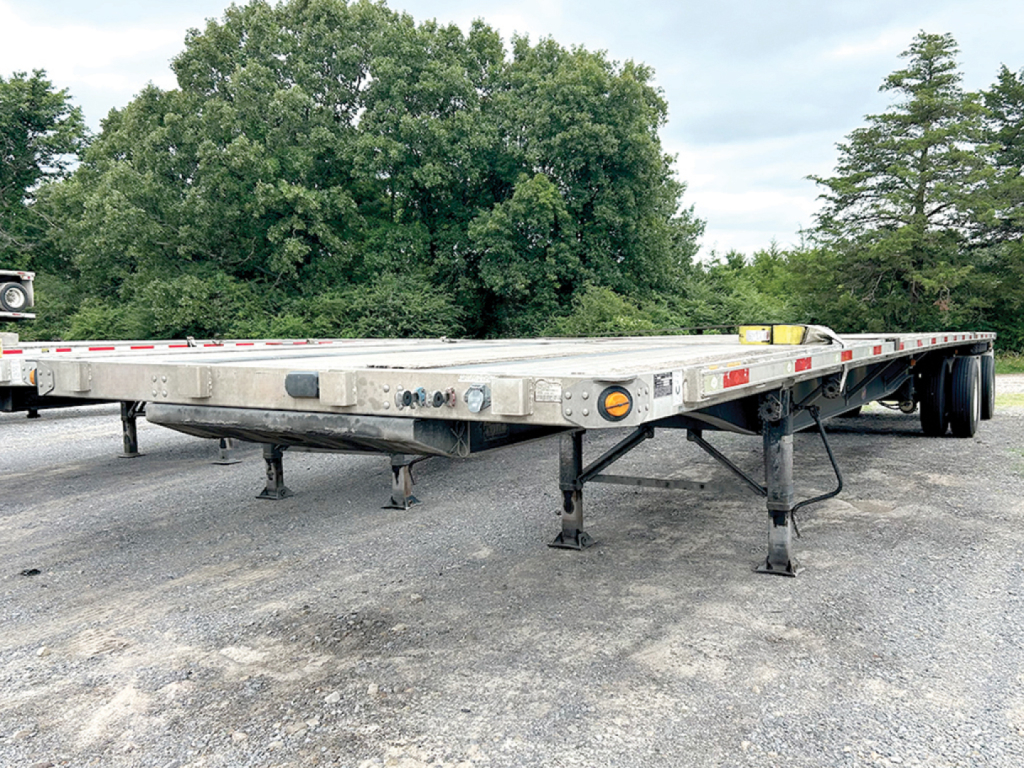
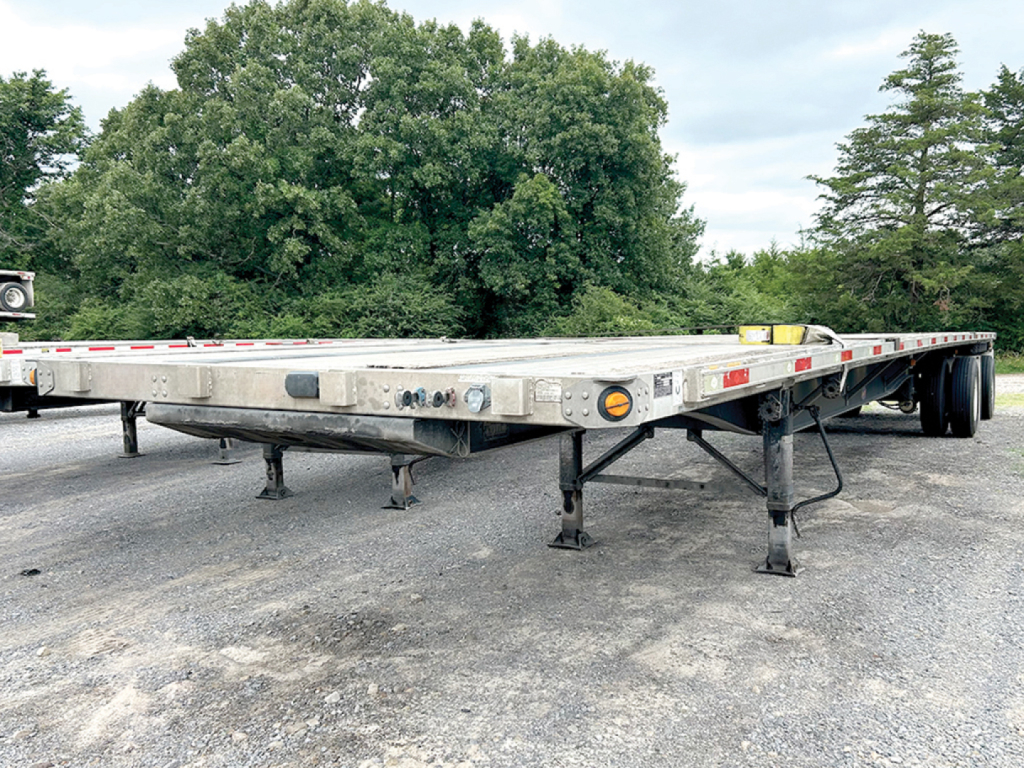
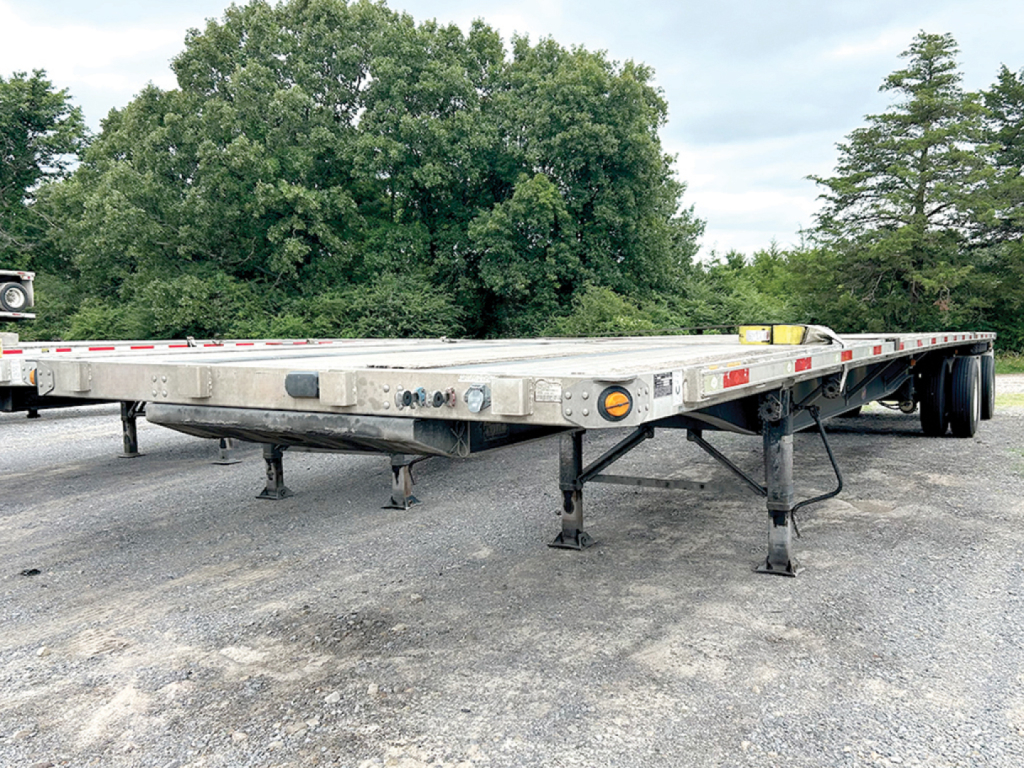
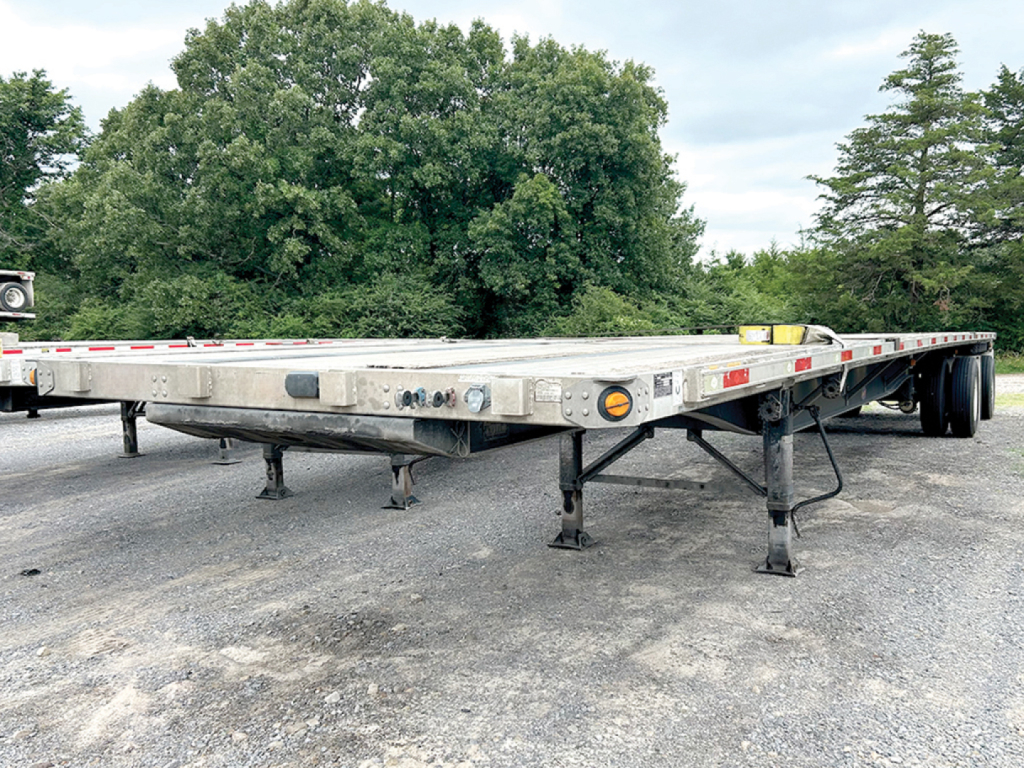
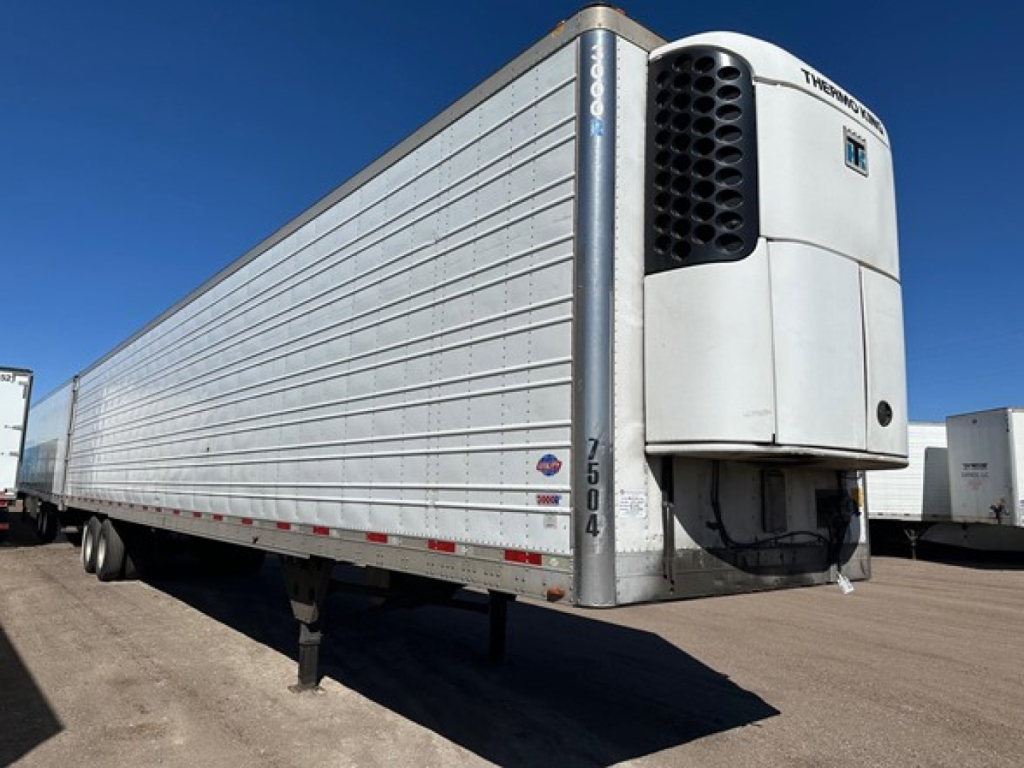
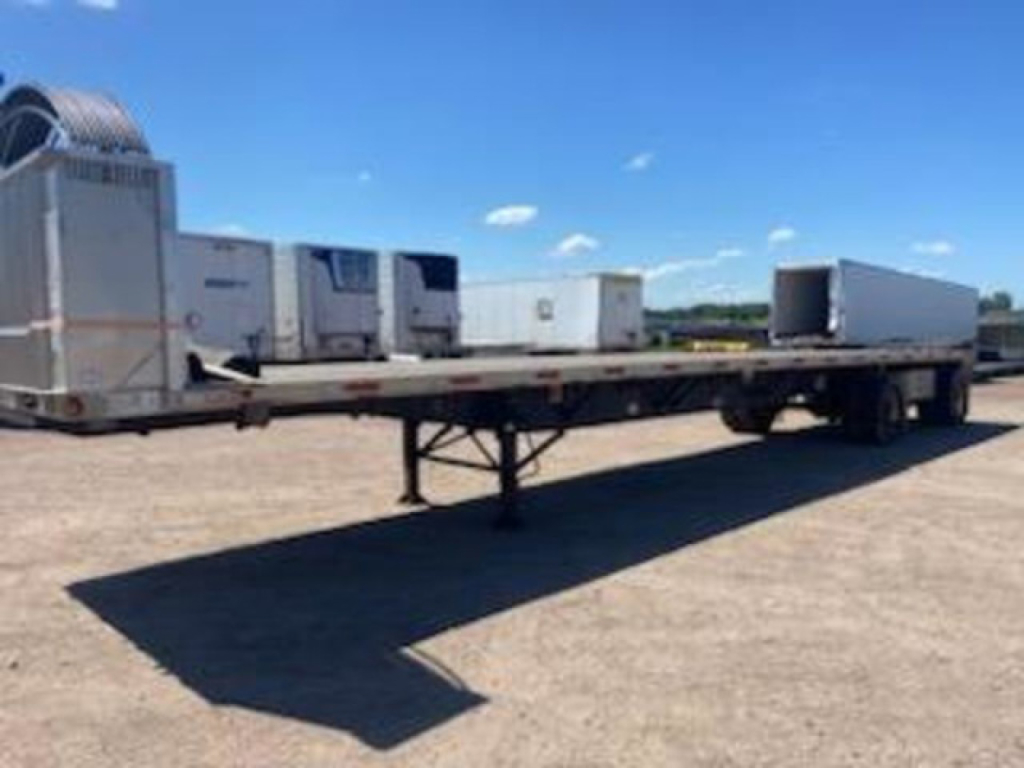
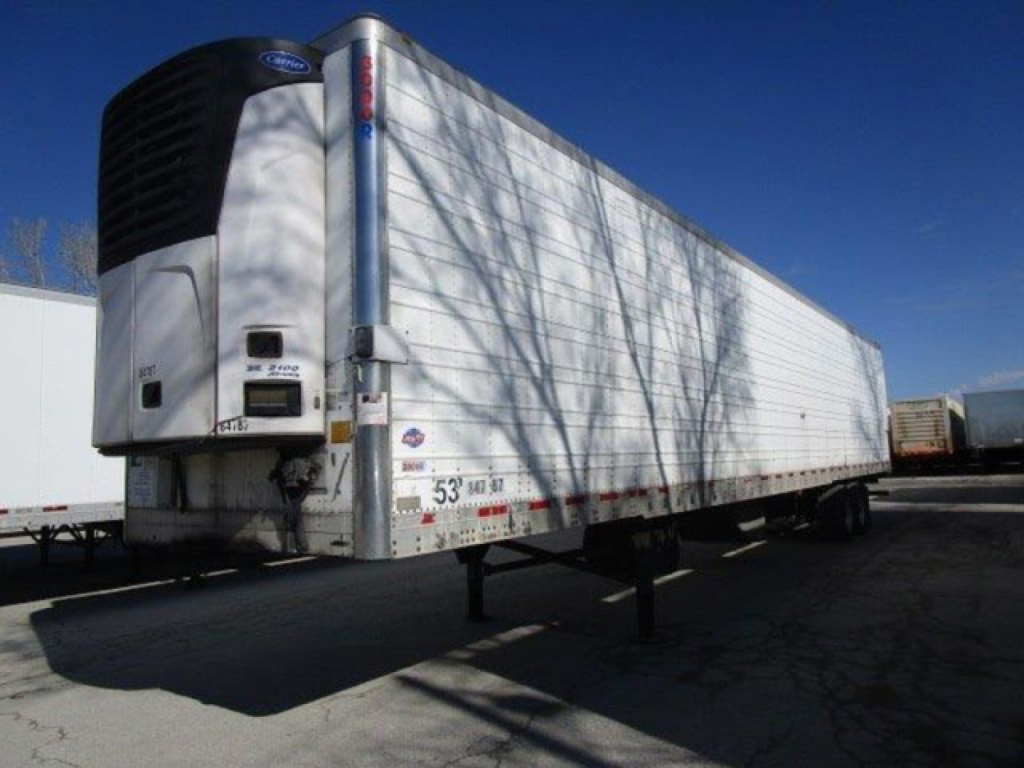
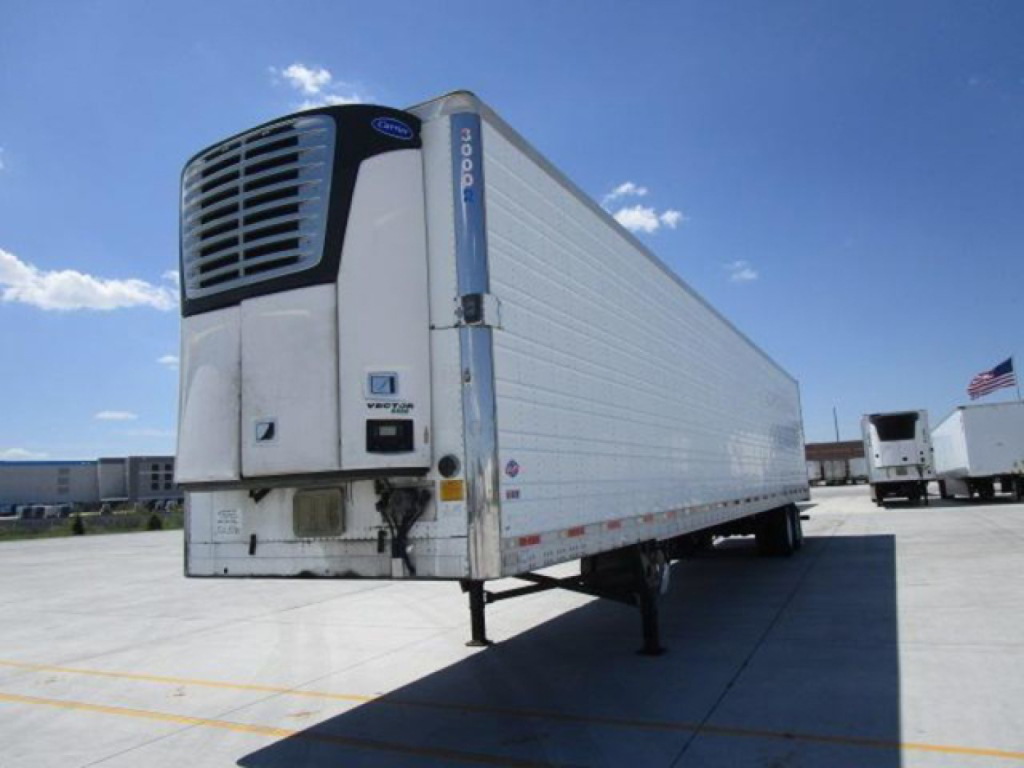
Showing 13 to 20 of 20 results
Have used 2013 utility trailer to sell? List it here to reach thousands of buyers.
About Used 2013 Utility Trailers
For dry van applications, a 2013 Utility trailer often comes down to body condition, floor integrity, and suspension history more than brand reputation alone. Check the roof bows, side panels, rear frame, and door frame for signs of impact, corrosion, or prior repairs. Trailer buyers should pay close attention to crossmembers, floor wear from forklifts, tandem slide operation, and the condition of the landing gear. Tire age, brake lining percentage, wheel-end service records, and alignment matter because they directly affect first-year operating cost. If the trailer has side skirts, tire inflation systems, or aerodynamic spec components, confirm they are complete and serviceable rather than assuming they add value on paper.
On refrigerated Utility trailers, the trailer body and the reefer unit need to be evaluated as separate systems. Buyers should verify unit make, engine hours, service intervals, return air performance, and any history of major compressor or evaporator work. Interior liner condition is important in food-grade service, especially around the bulkhead, floor channels, and rear threshold where damage and patching tend to show up first. Door seals, insulation performance, and the condition of the chute or air delivery system all affect pull-down times and temperature consistency. A 2013 Utility reefer can still be a productive asset if the box remains tight and the refrigeration unit has documented maintenance.
Utility trailers from this era remain popular because they are straightforward to spec, easy to place into regional or over-the-road service, and widely recognized in the resale market. Common buyer decision points include dry van versus reefer, air ride versus spring ride in older fleet specs, swing doors versus roll doors in specialized use, and tandem slider setup based on bridge laws and loading patterns. For any used 2013 Utility trailer, the best value is usually the trailer with the cleanest structural history, the most complete maintenance documentation, and a spec that matches the freight rather than simply the lowest asking price.
Frequently Asked Questions
What are the most common types of used 2013 Utility trailers?
The most common 2013 Utility trailers on the used market are 53-foot dry vans and 53-foot refrigerated trailers. Dry vans are used for general freight, retail, and distribution, while Utility reefer trailers are common in food, beverage, and temperature-controlled freight. Most are 102 inches wide and equipped with tandem axles, with air ride suspension and slider tandems showing up frequently in fleet-spec units.
What should I inspect first on a used 2013 Utility dry van trailer?
Start with the structural and wear items that drive repair cost. Inspect the floor for forklift damage, soft spots, and excessive wear at the rear. Check the roof, sidewalls, rear frame, and crossmembers for impact damage or corrosion. Review the condition of the suspension, brakes, tires, wheel ends, and landing gear. Tandem slide rails and locking pins should move and engage correctly, especially on trailers that have seen heavy drop-and-hook service.
Are 2013 Utility reefer trailers still a good buy?
They can be, provided the trailer body is tight and the refrigeration unit has a solid maintenance record. Reefer value depends on more than trailer age. Buyers should focus on engine hours, service history, temperature performance, insulation integrity, liner condition, and door seal quality. A well-maintained 2013 Utility reefer can still perform reliably in regional and dedicated lanes, but deferred reefer-unit repairs can quickly offset a lower purchase price.
Do used 2013 Utility trailers usually have air ride suspension?
Many do, especially trailers built for major fleet and truckload service, but not every unit will be spec'd the same way. Air ride is popular because it helps protect freight and is widely accepted in van and reefer applications. Buyers should still confirm the actual suspension type, inspect bags, shocks, bushings, and ride-height components, and review any history of suspension or axle alignment work.
Why are Utility trailers popular in the used trailer market?
Utility has long been a recognized trailer manufacturer with strong acceptance in van and reefer operations. Buyers often favor them because parts availability is generally good, technicians are familiar with the equipment, and the specs tend to match mainstream freight needs. That combination helps with maintenance planning, fleet standardization, and resale confidence when compared with less common trailer brands.