
Used 2009 Utility Trailers For Sale
Shop used 2009 Utility trailers for sale, including dry vans and reefers known for durable construction, air ride suspensions, and fleet-ready specs.
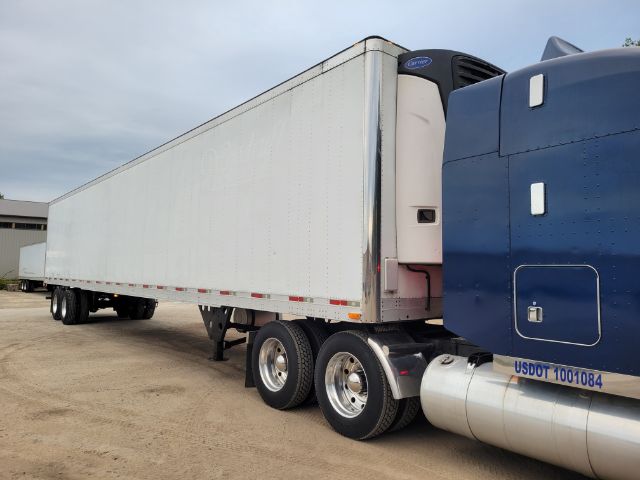
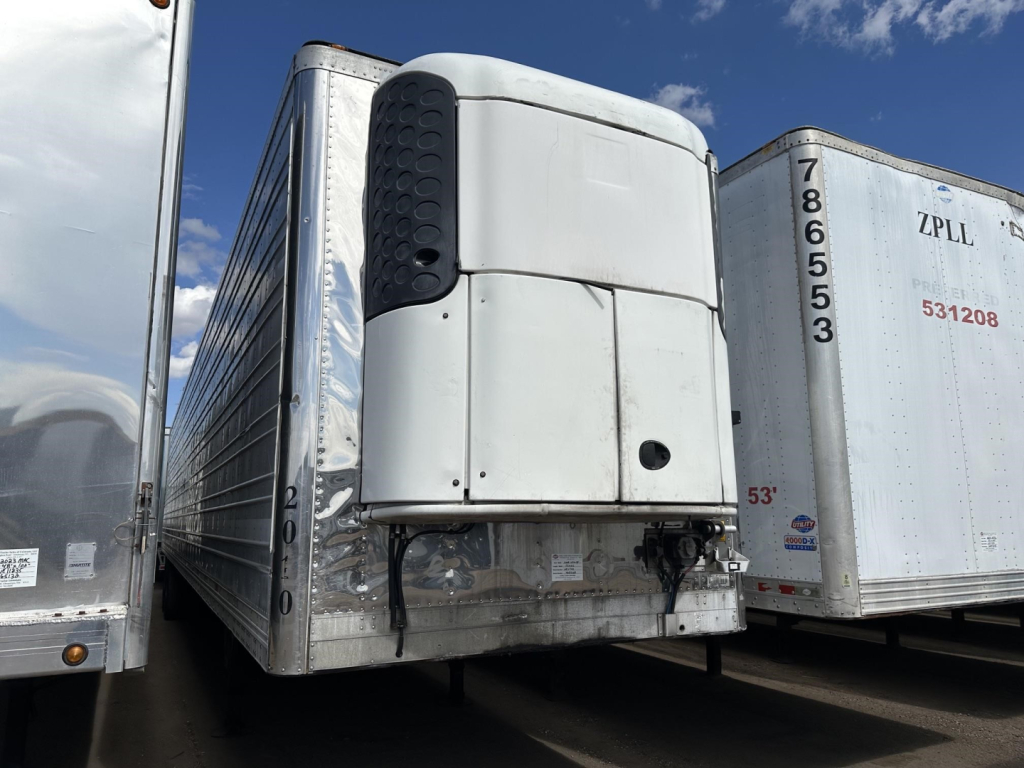
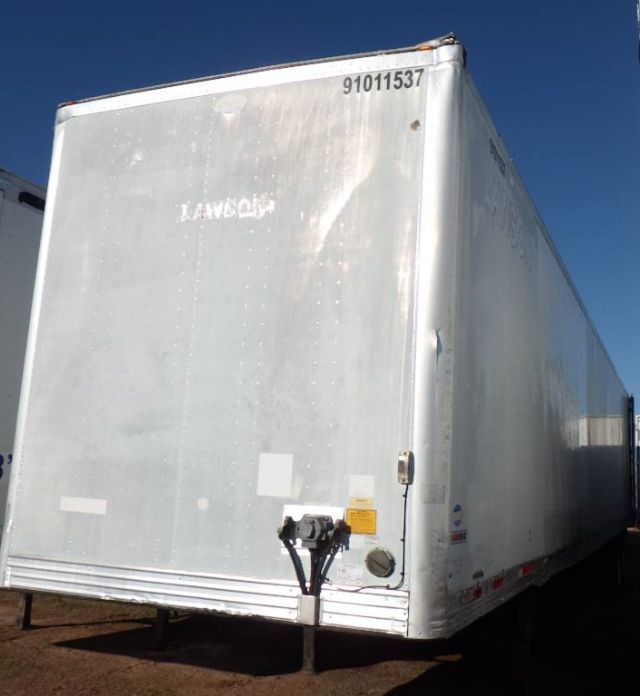
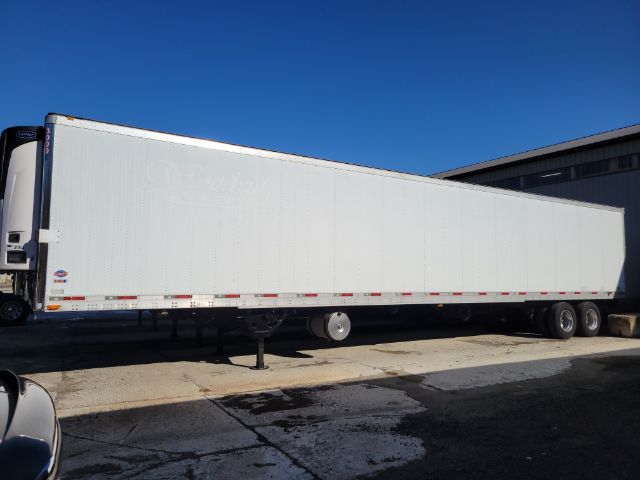
Selling a used 2009 utility trailer? List your used 2009 utility trailer for sale and reach thousands of commercial buyers.
Used 2009 Utility Trailers
For dry van buyers, the main checkpoints are floor condition, sidewall integrity, roof bows, rear frame area, and tandem slider operation. Many 2009 Utility vans were spec'd for general freight, retail, dedicated contract freight, and warehouse-to-store distribution. Features like aluminum roofs, plate or sheet-and-post construction, wood floors, high base rails, and tire inflation systems can add value depending on how the trailer will be used. If the trailer will see heavy dock traffic or mixed freight, look closely at scuff liners, logistic track, door hardware wear, and evidence of forklift damage near the threshold and lower sidewalls.
On refrigerated models, the trailer body matters just as much as the reefer unit. Buyers should inspect insulation performance, interior lining condition, floor type, door seals, drain function, and any signs of moisture intrusion or prior panel repair. Utility reefers from this era are commonly found with Carrier or Thermo King units, and the best buying decisions come from matching unit hours, service records, and box condition to the intended lane. Multi-temp, curbside doors, and roll-up rear door setups can be useful in local foodservice and liquid tender work, while a standard swing-door reefer may be better suited for long-haul grocery or produce operations.
A 2009 Utility trailer can still be a solid revenue-producing asset if the specification matches the freight and the structural condition is right. Pay attention to axle spread, suspension type, wheel-end service history, brake configuration, tire condition, and compliance items such as DOT lighting and conspicuity tape. Utility trailers are common enough that repairs, replacement panels, and running gear service are generally straightforward through most trailer shops. For many buyers, the real value in this category is the balance of purchase price, familiarity, and the ability to put an older but well-kept van or reefer into regional or dedicated service with predictable operating costs.
Frequently Asked Questions about Used 2009 Utility Trailers
What types of 2009 Utility trailers are most common on the used market?
The most common 2009 Utility trailers are 53-foot dry vans and refrigerated trailers. Dry vans are widely used for palletized general freight, retail loads, and distribution work, while reefers are used for temperature-controlled freight such as grocery, produce, dairy, and frozen goods. Most are fleet-spec units with air ride suspension, tandem sliders, and standard 102-inch width, which makes them familiar to maintain and easy to integrate into an existing operation.
What should I inspect first on a used 2009 Utility dry van?
Start with the structural and wear items that directly affect serviceability. Check the floor for soft spots, patches, delamination, and excessive forklift damage. Inspect sidewalls, scuff liners, the roof, rear frame, crossmembers, and the tandem slider rails for cracks, corrosion, or impact damage. Door seals, hinges, locking gear, brakes, tires, lights, and wheel ends should also be reviewed closely because these items can quickly change the true cost of an older trailer.
Is a 2009 Utility reefer still a good buy?
It can be, if both the trailer body and refrigeration system have been maintained properly. A reefer of this age should be evaluated on unit hours, maintenance records, structural condition, insulation integrity, interior lining, floor wear, and seal condition. A clean box with a well-documented Carrier or Thermo King unit may still be useful in regional or dedicated service, but deferred reefer maintenance can be expensive, so condition matters more than model year alone.
Are parts and service support good for older Utility trailers?
Yes. Utility is a widely recognized trailer manufacturer, and most older vans and reefers use running gear, brakes, suspension components, doors, and lighting systems that are familiar to independent trailer shops and fleet service networks. That broad serviceability is one reason buyers continue to shop older Utility trailers, especially when they want predictable repair access and common replacement parts.
What applications fit a used 2009 Utility trailer best?
The best application depends on the trailer configuration and overall condition. Dry vans are commonly a good fit for regional freight, warehouse distribution, and dedicated customer lanes. Refrigerated trailers can still work well in foodservice, grocery, agricultural, or beverage distribution if the unit and box are sound. Many buyers use this age range for shorter-haul work, drop trailer programs, or dedicated accounts where a lower acquisition cost matters more than having the newest trailer in the fleet.