
Utility Trailers For Sale in Indiana
Browse Utility trailers for sale in Indiana, including reefer models known for durable construction, cargo protection, and fleet-friendly specs.
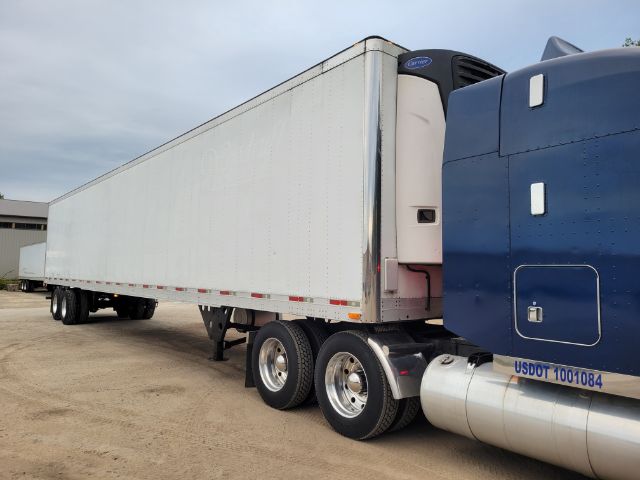
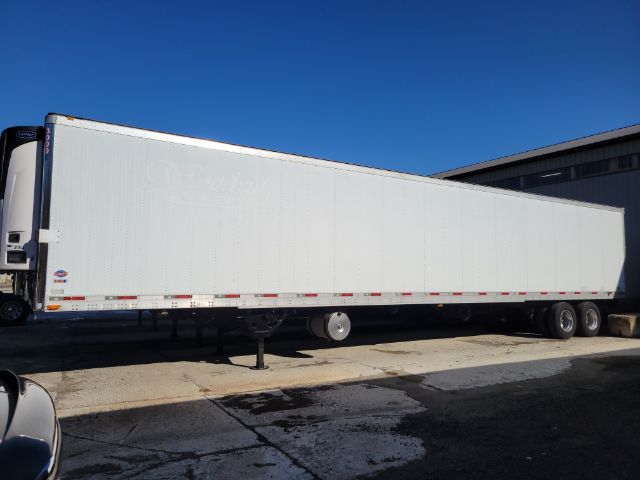
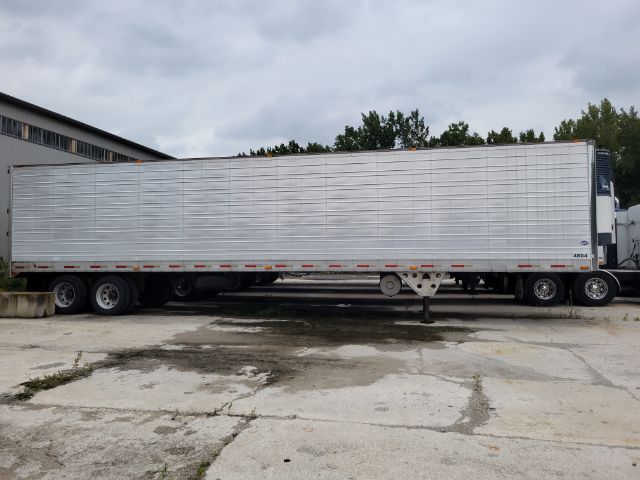
Selling a utility trailer? List your utility trailer for sale and reach thousands of commercial buyers.
Utility Trailers in Indiana
For reefer applications, the first things to compare are trailer length, interior width, reefer unit condition, and overall structural health. Common specs include 48-foot and 53-foot lengths, 102-inch width, swing rear doors, aluminum roofs, duct floors or flat floors depending on application, and logistic post configurations for load securement. Buyers should inspect the front wall, crossmembers, floor wear, threshold area, door frame, and lower rails, since these areas see the most abuse in forklift and dock service. On older Utility reefers, it is also smart to verify insulation integrity, look for signs of prior body repair, and confirm the refrigeration unit can consistently hold setpoint at below-zero and standard chilled temperatures.
Utility reefer trailers are often selected because they balance empty weight, cargo protection, and serviceability. Features commonly found across this equipment class include scuff liners, stainless rear door hardware, aluminum wheels, air-ride suspensions, sliding tandem configurations, and tire inflation systems on some fleet-spec units. For Indiana operations, trailer condition around the suspension, brakes, wiring, and landing gear matters just as much as the box itself because winter roads, dock frequency, and mixed highway use can accelerate wear. Buyers comparing listings should pay close attention to trailer age versus maintenance history, tire type and remaining tread, DOT inspection status, and whether the unit was maintained in a private fleet or high-turn lease environment.
Utility trailers also tend to fit buyers who want a trailer that can move easily between dedicated lanes and spot market work. A well-kept Utility reefer can serve produce, frozen freight, dairy, meat, and pharmaceutical support loads, provided the refrigeration system, seals, and interior condition match the application. If your operation depends on strict temperature compliance, focus on reefer hours, service records, door seal condition, and evidence of consistent PM intervals. If dock durability and trailer longevity matter most, put extra weight on floor condition, rear frame integrity, and signs of corrosion around the subframe and running gear.
Frequently Asked Questions about Utility Trailers in Indiana
What should I look at first when buying a used Utility reefer trailer?
Start with the refrigeration unit, trailer floor, rear frame, and suspension. A reefer trailer can look clean outside and still have costly issues in the unit, crossmembers, or floor system. Confirm the unit reaches and holds temperature, check reefer hours and maintenance records, inspect for soft spots or heavy forklift wear in the floor, and look closely at the rear sill, door frame, and tandem area for damage or corrosion.
Are Utility trailers a good choice for food-grade and temperature-controlled freight?
Utility reefer trailers are widely used in food-grade and temperature-controlled service because they are built for insulation performance, cargo protection, and repeated dock loading. The suitability of any individual trailer depends on interior cleanliness, insulation condition, door seals, and reefer performance. Buyers handling frozen or sensitive refrigerated freight should also confirm there are no strong interior odors, liner damage, or air channel obstructions that could affect compliance.
What trailer dimensions are most common on Utility reefer trailers?
The most common configurations in this category are 53-foot by 102-inch trailers, with some 48-foot units still active in certain operations. A 53-foot reefer usually offers the best flexibility for mainstream grocery, distribution, and long-haul refrigerated freight. Buyers should also verify interior height, tandem slide range, and door opening dimensions if the freight profile includes pallets, high-cube product, or strict axle bridge requirements.
How important is reefer unit age compared to trailer age?
Reefer unit age is often just as important as trailer age, and sometimes more important, because refrigeration repairs can be expensive and directly affect revenue. An older trailer with a well-maintained unit and documented service history may be a better buy than a newer trailer with neglected reefer maintenance. The best approach is to evaluate both together, including engine hours, unit starts, recent repairs, and the condition of the trailer body that supports temperature retention.
Why are Utility trailers popular in the Midwest and Indiana?
Utility trailers fit Midwest freight patterns well because they are commonly spec'd for grocery, cold-chain, and general distribution work that moves heavily through Indiana. Buyers in this region often value straightforward maintenance, common replacement parts, and durable construction that can handle interstate miles, warehouse traffic, and four-season weather. That combination makes Utility a familiar option for fleets and independent operators running regional and long-haul refrigerated lanes.