
Utility Reefer Trailers For Sale in Indiana
Browse Utility reefer trailers with specs buyers want, including 48-foot and 53-foot lengths, insulated bodies, and below-zero cold chain capability.
Selling a utility reefer trailer? List your utility reefer trailer for sale and reach thousands of commercial buyers.
Utility Reefer Trailers in Indiana
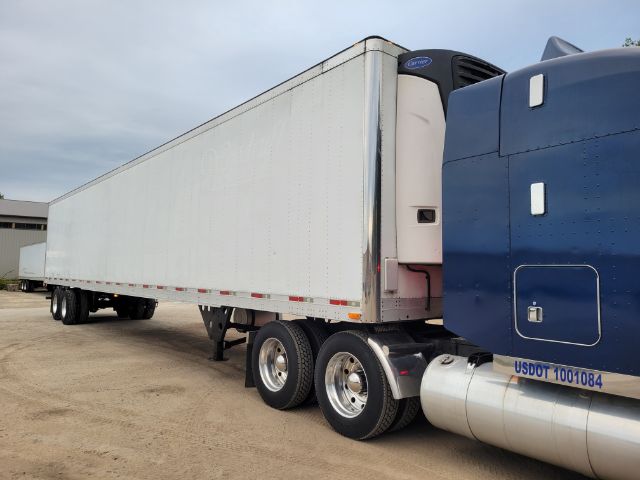
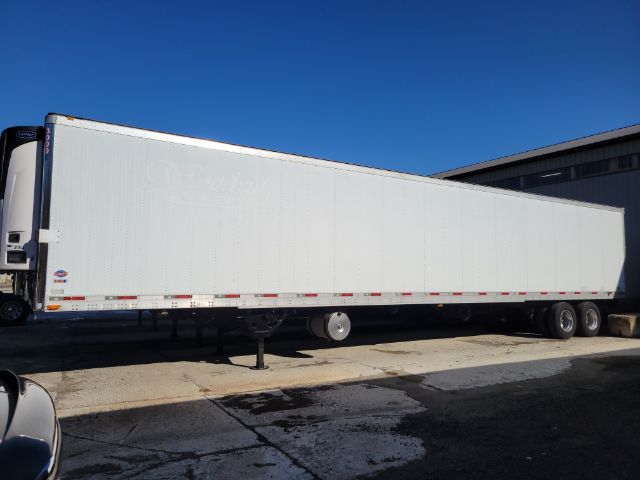
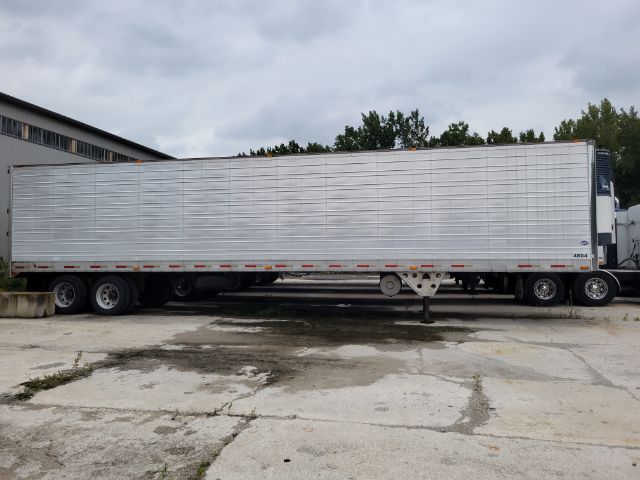
A Utility reefer is typically built around an insulated van body with a smooth interior, ducted airflow design, and a rear frame suited for repeated dock use. Key details worth checking include wall and roof condition, floor type and floor wear, door seal integrity, and the condition of the bulkhead if one is installed. Stainless rear doors, scuff liners, aluminum roofs, and swing doors with solid hardware are common features buyers pay attention to because they affect sanitation, durability, and temperature retention. If the trailer will handle multi-stop freight, interior condition matters even more since damaged lining, poor seals, or floor issues can compromise pull-down times and product protection.
The reefer unit itself is the major buying decision. Buyers usually want confirmation that the unit can hold setpoint, cycle correctly, and pull below zero when frozen freight is part of the plan. Reefer hours, maintenance records, recent service, and the condition of belts, hoses, sensors, and the evaporator all matter. Trailer age does not tell the whole story. A well-maintained older Utility reefer can still be productive if the unit runs strong and the trailer body remains tight and dry. Suspension type, tire condition, wheel-end service history, brake wear, and DOT readiness are just as important if the trailer is going straight to work.
Utility trailers are well known in the used market for broad parts support and familiarity among shops, which helps reduce downtime. When comparing listings, look closely at dimensions, reefer brand and model, door configuration, floor condition, and signs of past structural or refrigeration repairs. For Midwest buyers, corrosion around the rear frame, crossmembers, landing gear, and suspension area deserves extra attention because road salt can shorten service life. A solid Utility reefer trailer should offer stable temperature control, clean interior presentation, and dependable dock-to-dock durability for carriers, produce haulers, and private fleets running refrigerated freight.
Frequently Asked Questions about Utility Reefer Trailers in Indiana
What are the most important things to inspect on a used Utility reefer trailer?
The most important areas are the refrigeration unit, insulated trailer body, floor, rear doors, and running gear. Buyers should confirm the unit holds temperature at setpoint, check reefer hours and service history, inspect the interior liner and seals for damage, and look for floor wear that could affect airflow or sanitation. It is also smart to inspect brakes, tires, suspension, wheel ends, landing gear, and the rear frame for corrosion or repairs, especially on Midwest trailers.
Are Utility reefer trailers good for frozen freight?
Many Utility reefer trailers are suitable for frozen freight if the refrigeration unit is operating correctly and the trailer body still has strong insulation integrity. The key is not just that the unit starts and runs, but that it can pull down quickly, maintain below-zero temperatures when required, and keep consistent airflow through the cargo area. Door seals, floor condition, and interior damage can all affect frozen performance.
What trailer size is most common for a Utility reefer?
The most common size in the market is 53 feet long by 102 inches wide, which fits standard over-the-road refrigerated freight operations. Older 48-foot Utility reefers are also still seen in regional service, private fleet applications, and lanes where a shorter trailer is acceptable or preferred. Buyers should match trailer length to customer requirements, dock space, and state bridge and weight considerations.
How much does reefer unit condition matter compared with trailer age?
Reefer unit condition often matters more than model year alone. An older Utility trailer with a strong refrigeration unit, solid insulation, clean interior, and good maintenance history can be a better value than a newer trailer with deferred service or structural issues. Buyers should evaluate the complete package, including reefer performance, hours, maintenance records, body condition, and road-ready running gear.
Why are Utility reefer trailers popular in the used trailer market?
Utility reefer trailers remain popular because they are widely recognized, commonly serviced, and generally easy to place into food-grade and temperature-controlled freight operations when properly maintained. Parts support, shop familiarity, and a large installed base make them practical for carriers that want predictable service and resale appeal. That market familiarity can also make it easier to compare condition and value across multiple listings.