
Utility Trailers For Sale in Georgia
Browse Utility trailers for sale in Georgia, including dry van models with composite or sheet-and-post construction, air ride options, and cargo control specs.
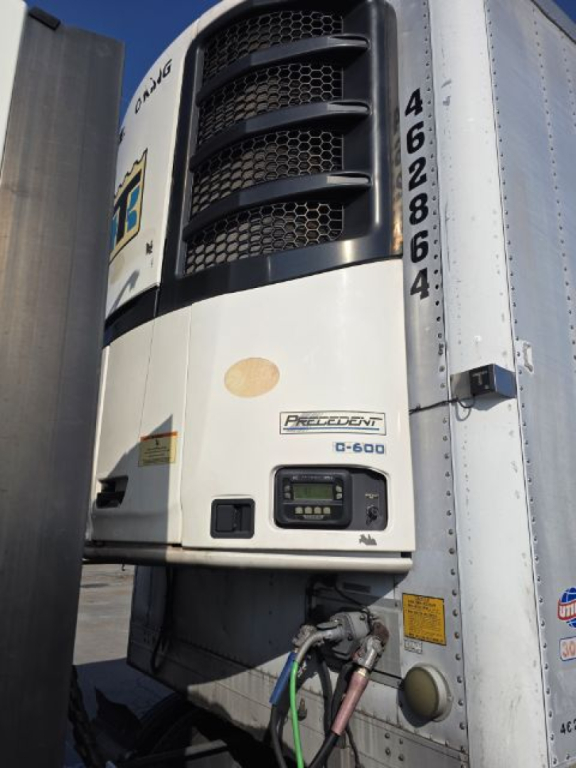
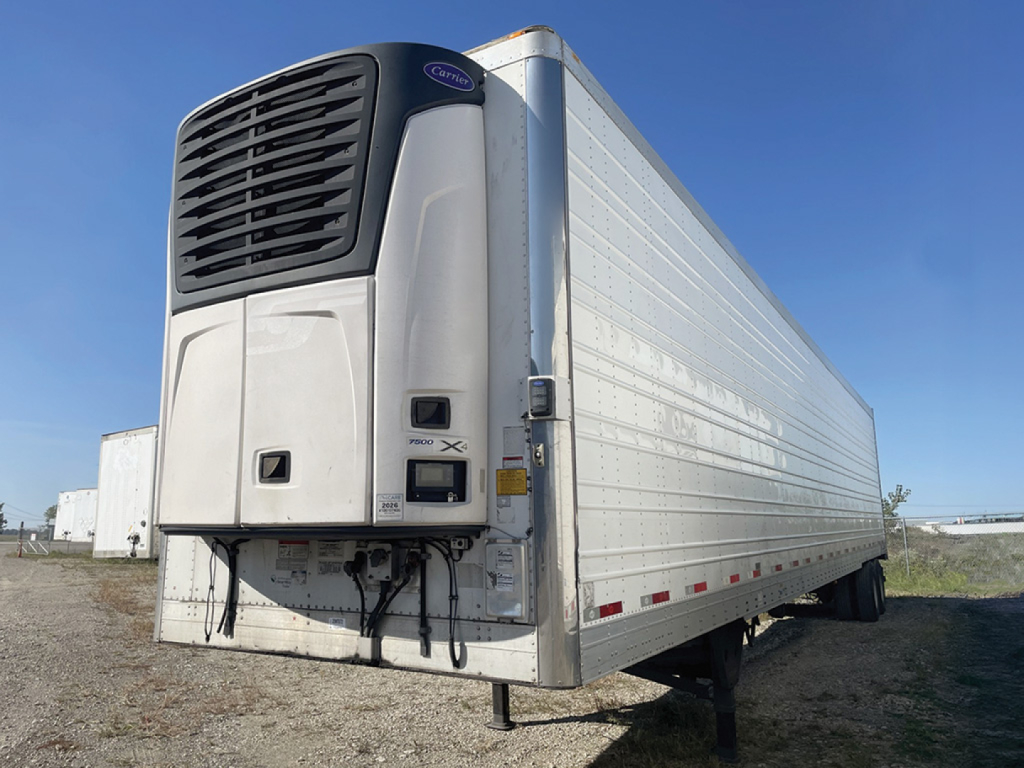
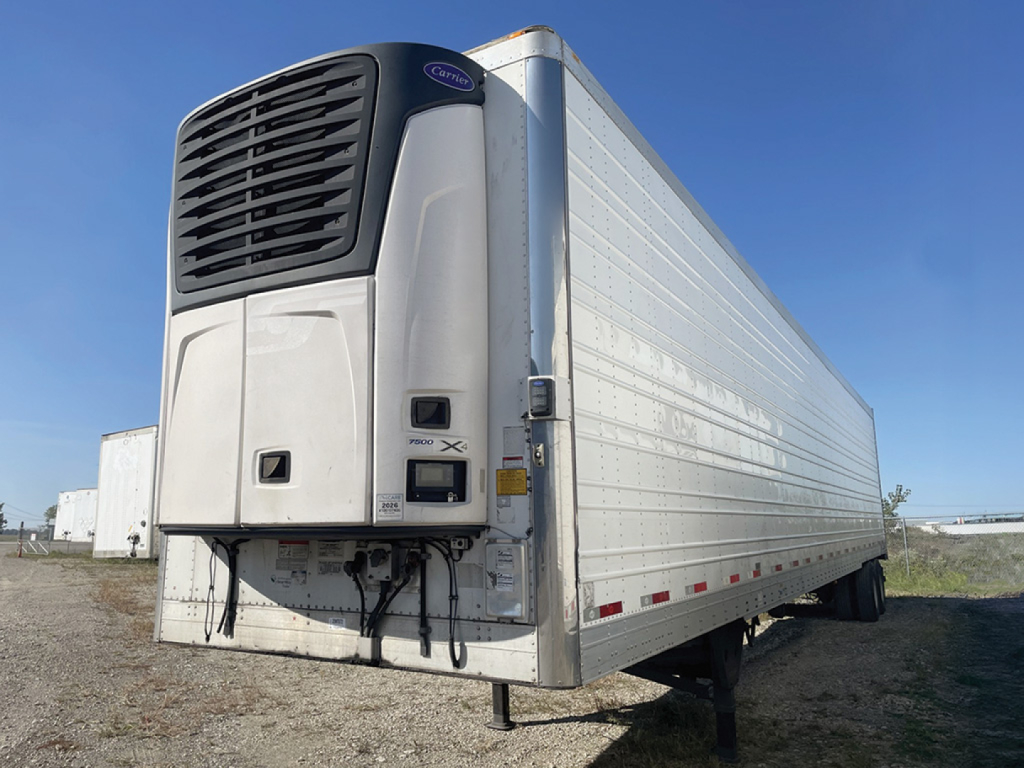
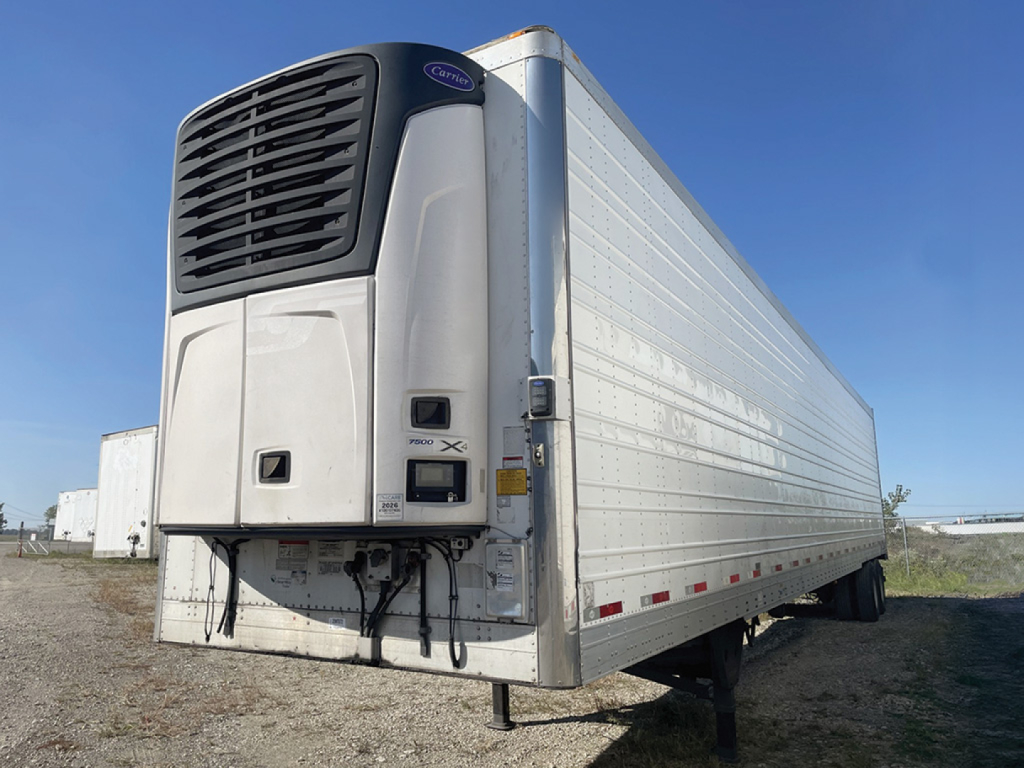
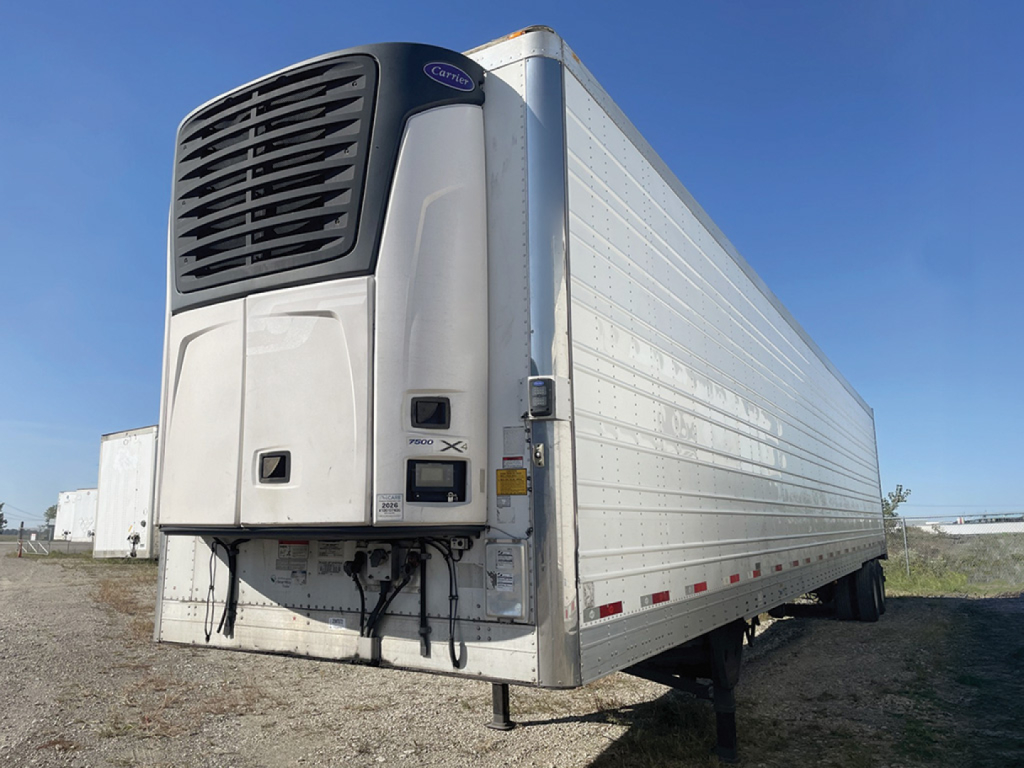
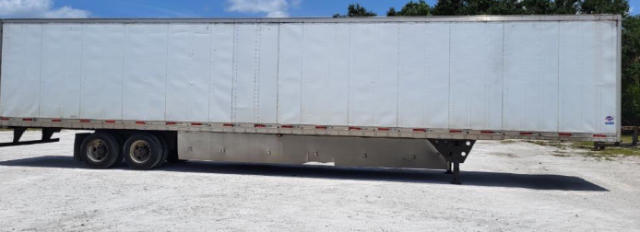


Selling a utility trailer? List your utility trailer for sale and reach thousands of commercial buyers.
Utility Trailers in Georgia
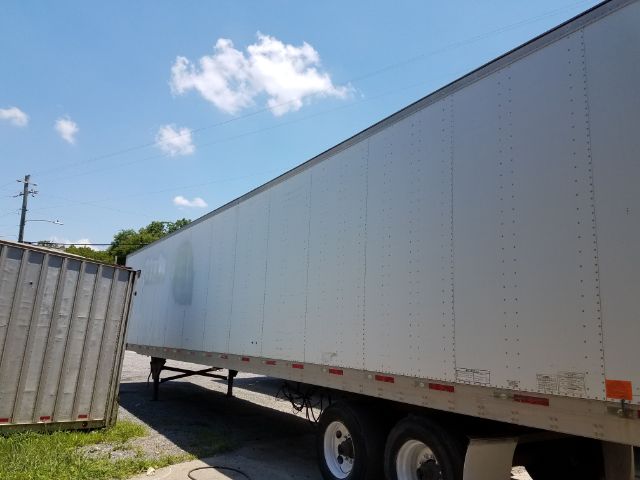
A buyer comparing Utility dry vans should start with the body structure and interior layout. Composite-wall trailers can reduce weight and hold up well in general freight service, while sheet-and-post trailers are often preferred by operators who expect frequent dock contact or want easier wall section repairs. Post spacing, scuff liner height, floor rating, and roof material all affect how the trailer will perform in daily loading cycles. For paper rolls, dense palletized freight, or carpet spec work, buyers often look closely at floor condition, crossmember spacing, and wall reinforcement. Cargo control also matters. E-track, logistics posts, plywood lining, and food-grade interiors can make a major difference in trailer versatility and reload opportunities.
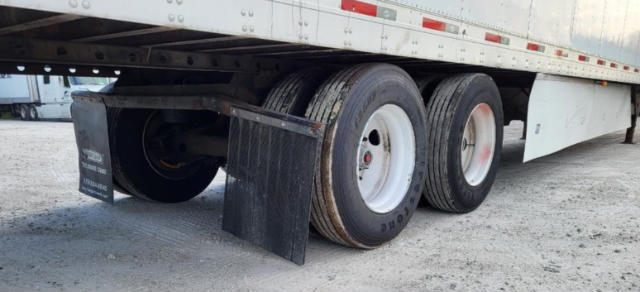
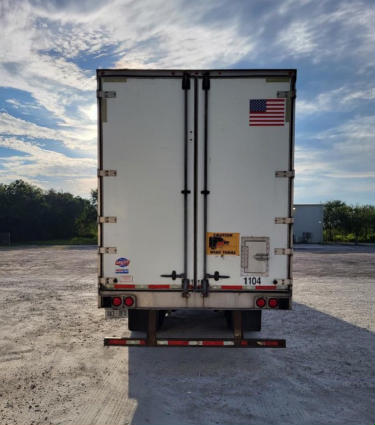
Suspension and running gear deserve just as much attention as the box. Utility trailers are commonly found with either spring ride or air ride, and the right setup depends on cargo sensitivity, lane speeds, and maintenance priorities. Air ride is usually favored for better protection of delicate freight and improved ride quality, while spring ride can be simpler and less expensive to maintain. Buyers should also check axle ratings, brake life, tire condition, wheel-end service history, and whether the trailer has swing doors or a roll-up door. Swing doors remain the standard for maximizing cubic capacity and sealing reliability, but some operations prefer roll doors for frequent stop-and-unload work.
For used Utility trailers in Georgia, condition and specification usually matter more than model year alone. A well-maintained van with solid floors, dry roof bows, straight rails, good ICC bumper condition, and clean door frames can be a better value than a newer trailer with hard fleet miles. Look closely for signs of sidewall repairs, front wall impact, floor delamination, tandem slide function, and corrosion around crossmembers and rear framework. If the trailer will run heavy regional freight, verify the kingpin area, landing gear mounts, and suspension components are sound. Utility trailers have a long track record in the dry van market, and the best choice is usually the one whose spec matches your freight, dock environment, and maintenance program.
Frequently Asked Questions about Utility Trailers in Georgia
What are Utility trailers best known for?
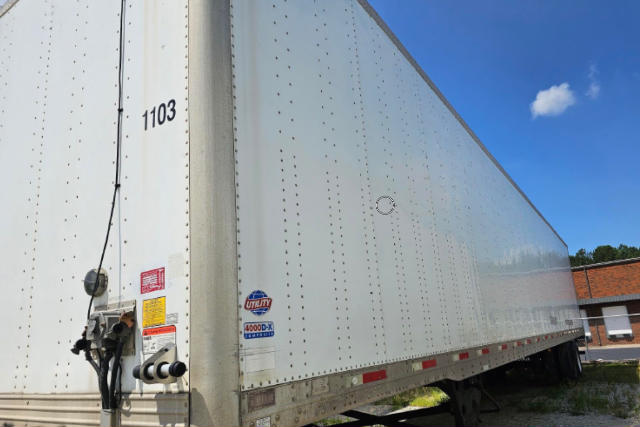
Utility trailers are best known for dry van applications, especially 53-foot freight vans used in retail, distribution, paper, carpet, and general freight service. They have a strong reputation for durable trailer bodies, widely available parts, and common fleet specifications that make them easier to service and resell. Models such as the Utility 4000 D-X are frequently seen in over-the-road and regional operations because they balance cargo protection, trailer life, and operating cost.
What is the difference between a Utility composite trailer and a sheet-and-post trailer?
A composite trailer typically uses laminated wall construction designed to reduce weight and provide a clean interior wall surface, while a sheet-and-post trailer uses exterior skin supported by vertical posts. Composite designs can be attractive for fleets focused on weight savings and general dry freight. Sheet-and-post construction is often favored where buyers want a more traditional structure and easier sectional repair after wall damage. The better choice depends on your freight type, loading environment, and repair philosophy.
What should I inspect first on a used Utility dry van trailer?
Start with the floor, roof, sidewalls, rear frame, and running gear. Floor wear, soft spots, patched areas, or delamination can be costly if the trailer will haul heavy palletized freight. Roof damage and poor seal condition can lead to water intrusion. Sidewall repairs, front wall impact, door frame damage, and ICC bumper condition also tell you a lot about prior use. On the chassis side, inspect suspension components, brakes, tires, wheel ends, landing gear, tandem slide operation, and the kingpin area for wear or structural issues.
Is air ride or spring ride better on a Utility trailer?
Air ride is generally better for freight that benefits from a smoother ride, including packaged goods, beverages, consumer products, and other damage-sensitive loads. It can also improve ride quality for long-haul applications. Spring ride is simpler and can be less expensive to maintain, which appeals to some regional operators or buyers looking for a lower-cost trailer spec. The right suspension comes down to cargo sensitivity, route conditions, and your maintenance budget.
Which Utility trailer features matter most for cargo flexibility?
The most important features for cargo flexibility are interior wall spec, cargo control equipment, floor rating, and door configuration. E-track or logistics posts help secure varied freight, while plywood lining or reinforced walls can better handle high-contact loading. A stronger floor and appropriate crossmember spacing are important for heavy pallets or concentrated loads. Swing doors are standard for many dry van operations, but door choice should match your dock setup and unloading style.