
Utility Trailers For Sale in Florida

Showing 1 to 24 of 69 results
Have utility trailer to sell? List it here to reach thousands of buyers.
Utility Trailers in Florida
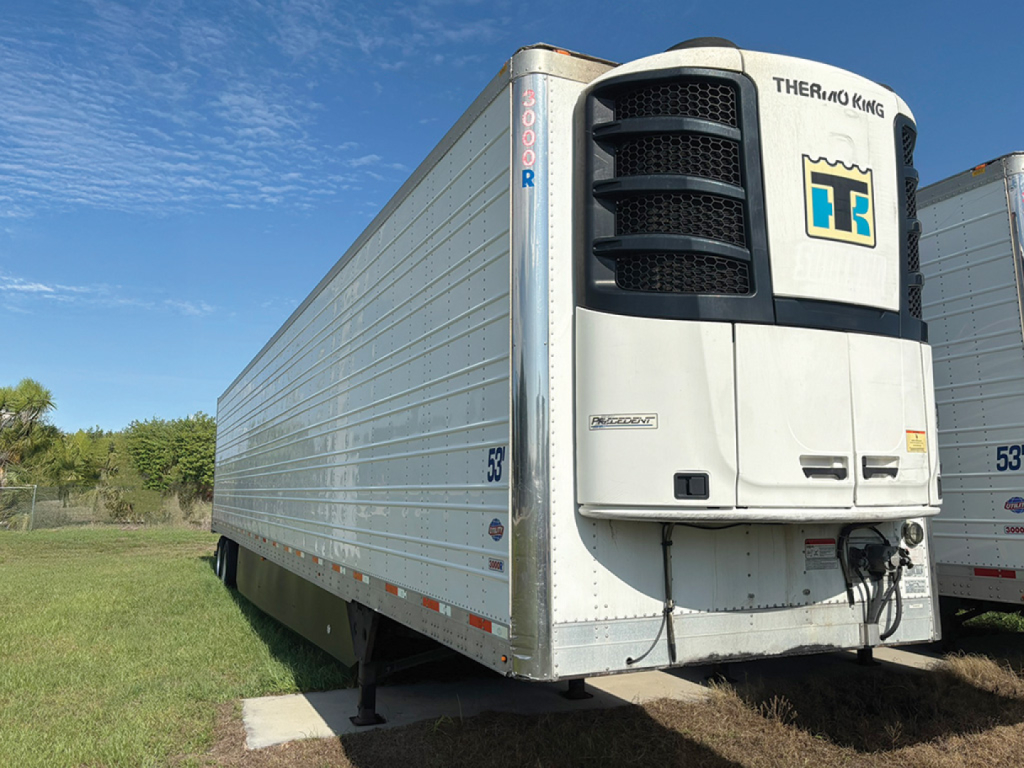
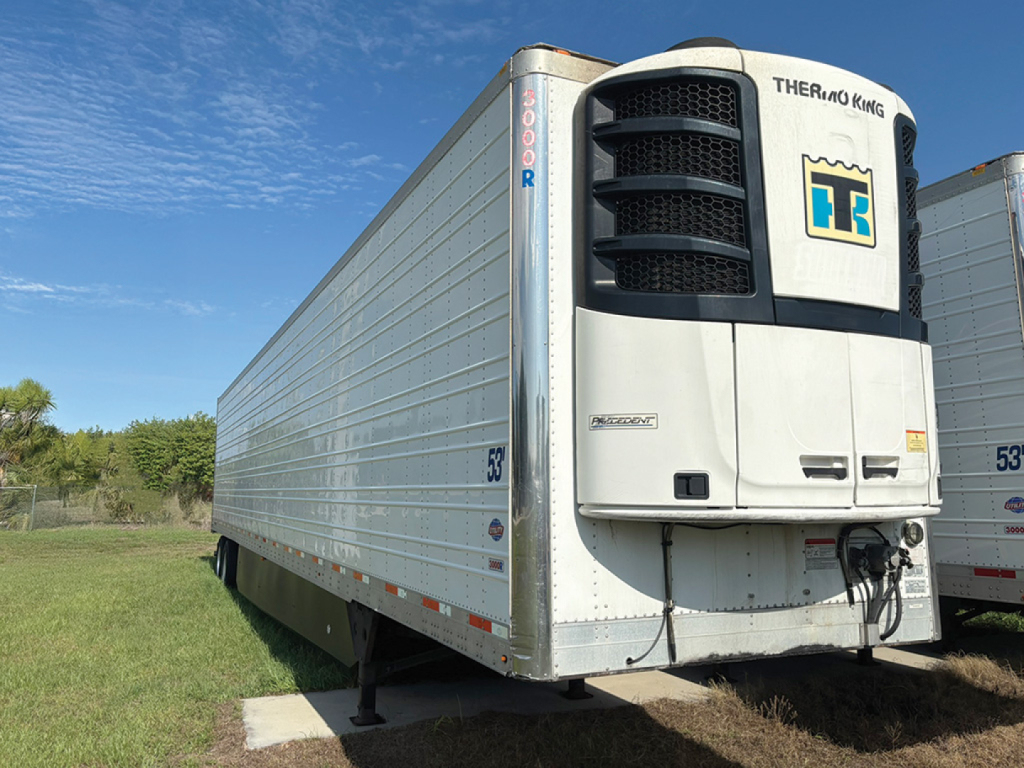
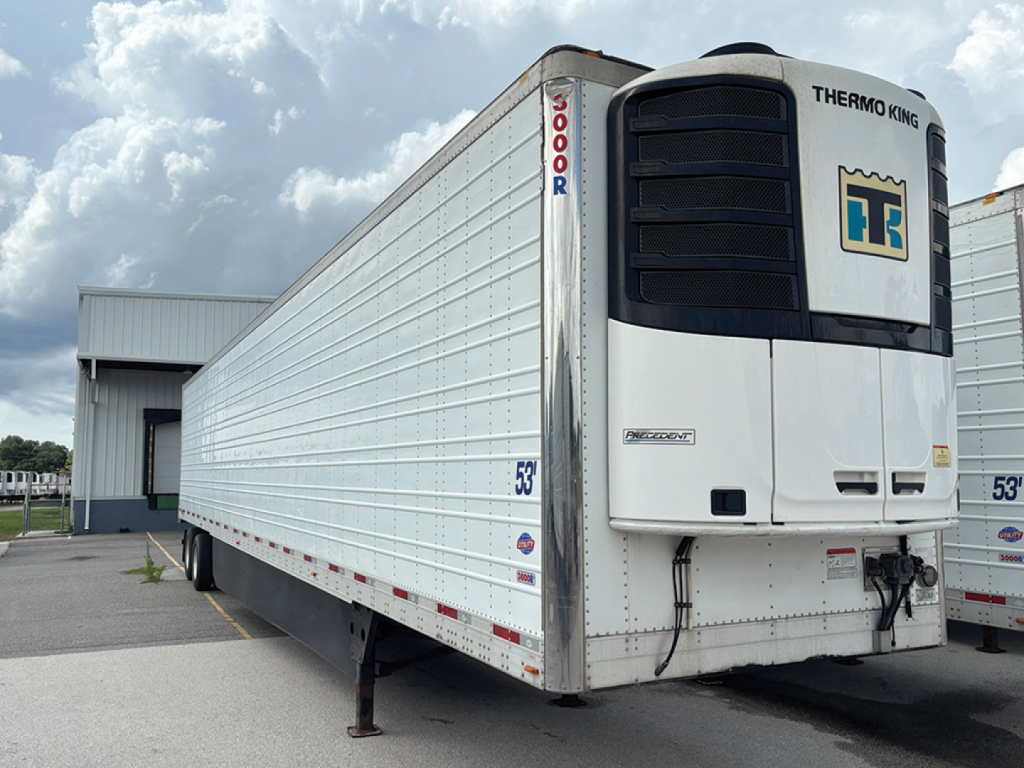
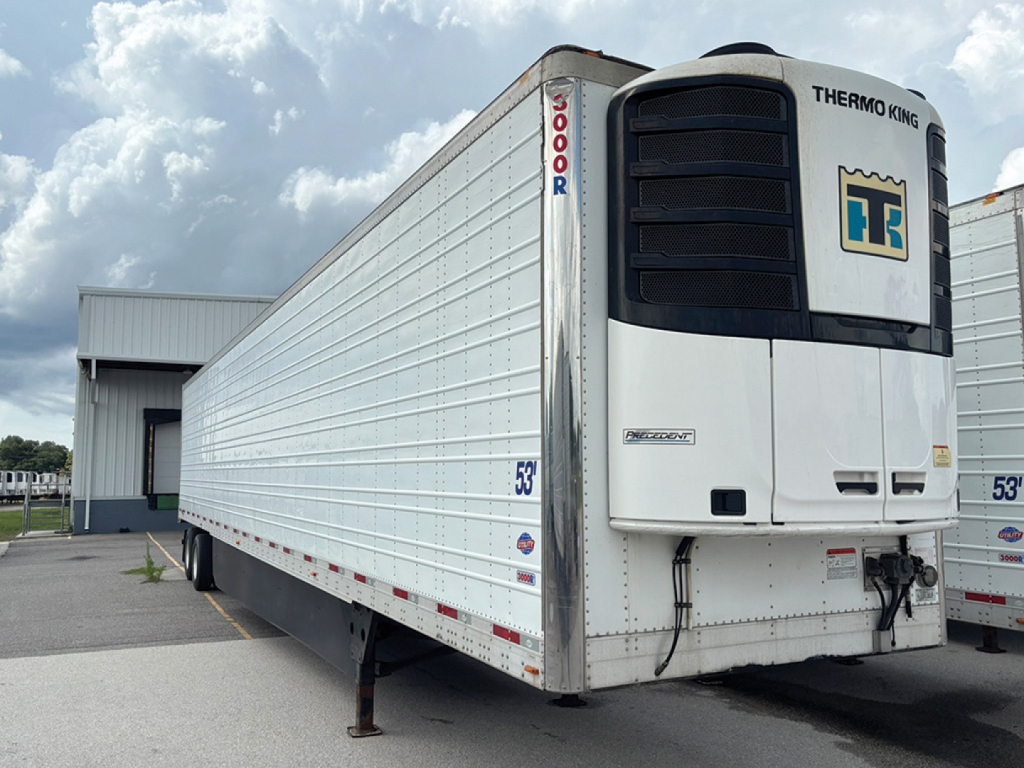
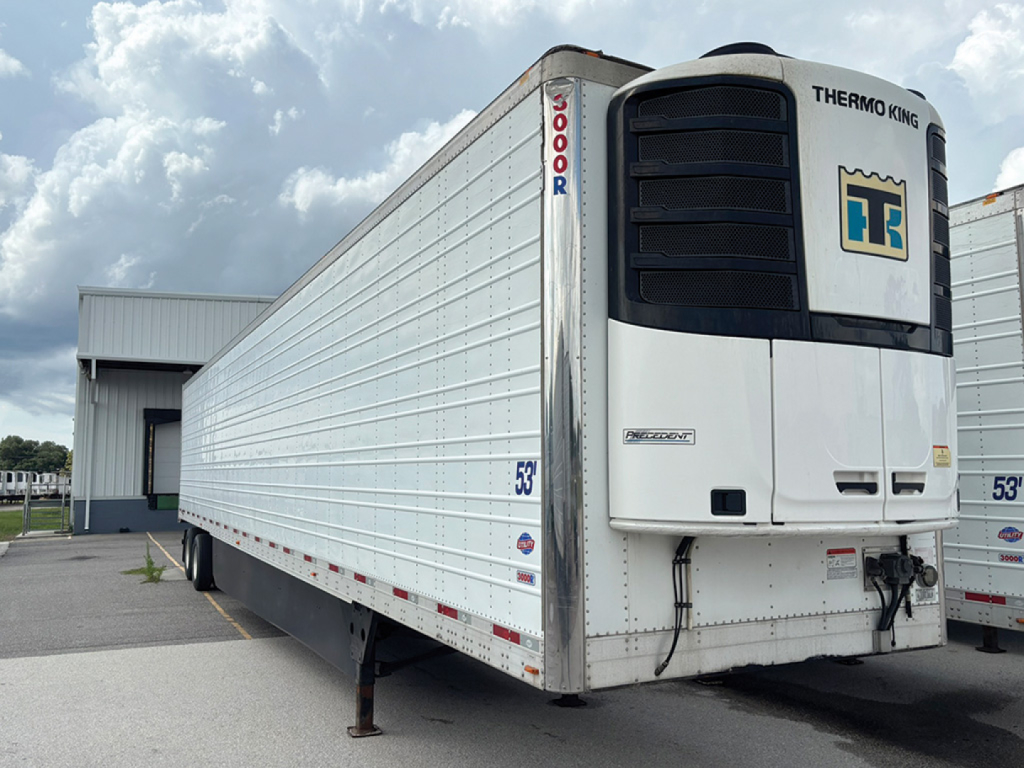
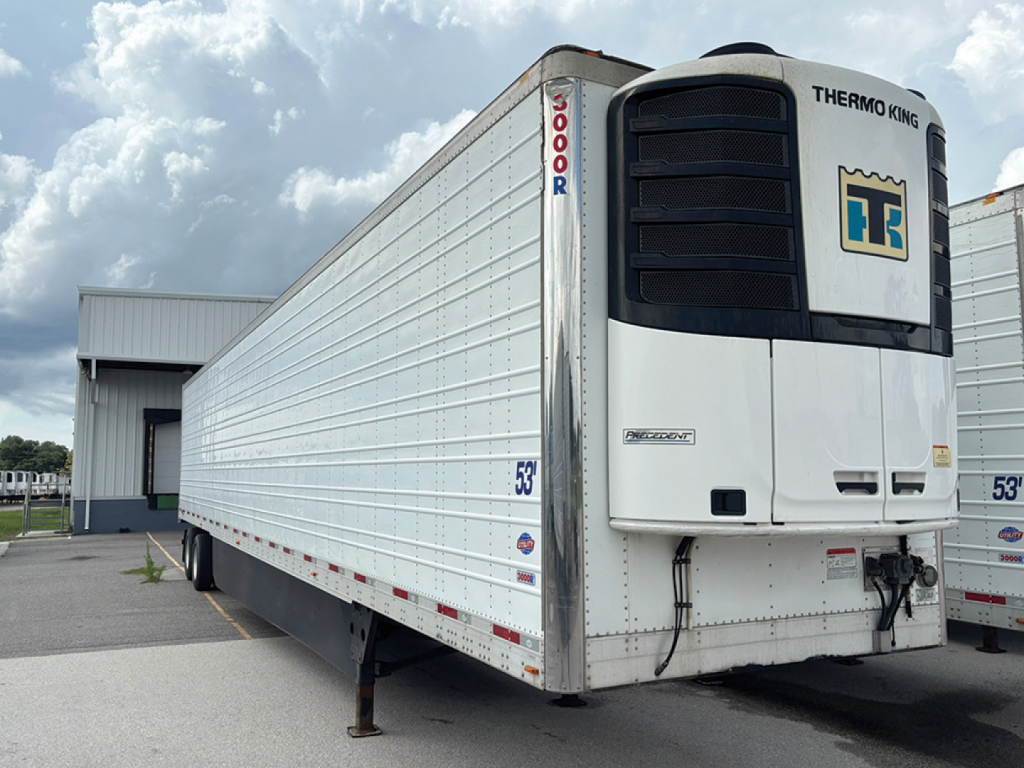
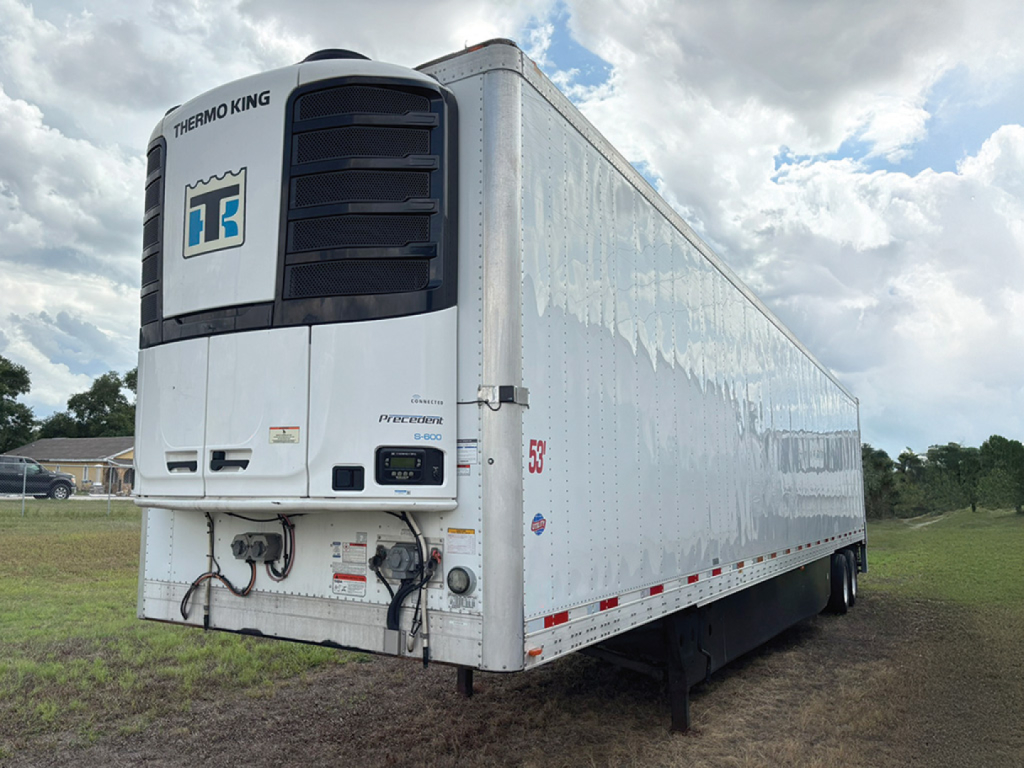
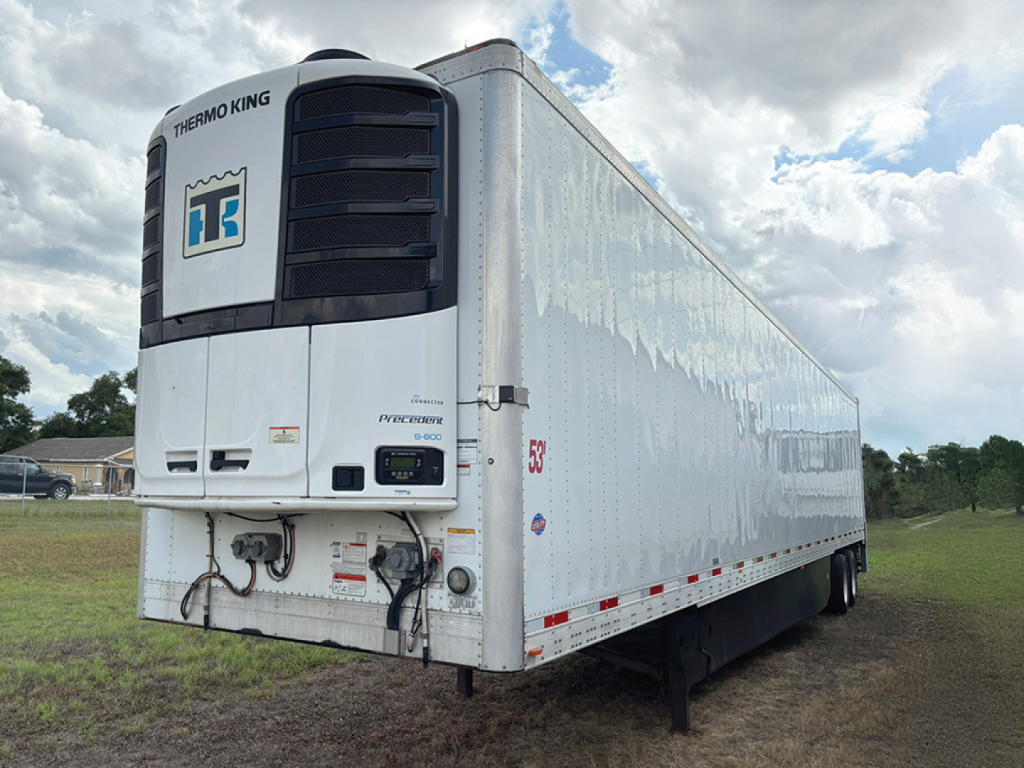
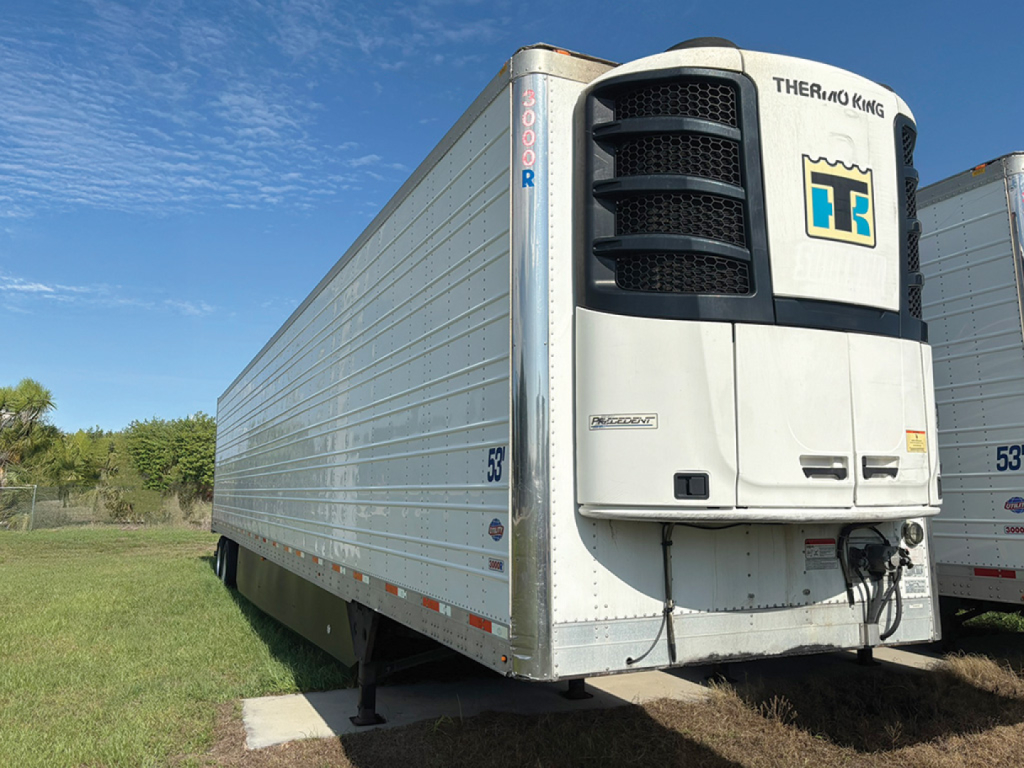
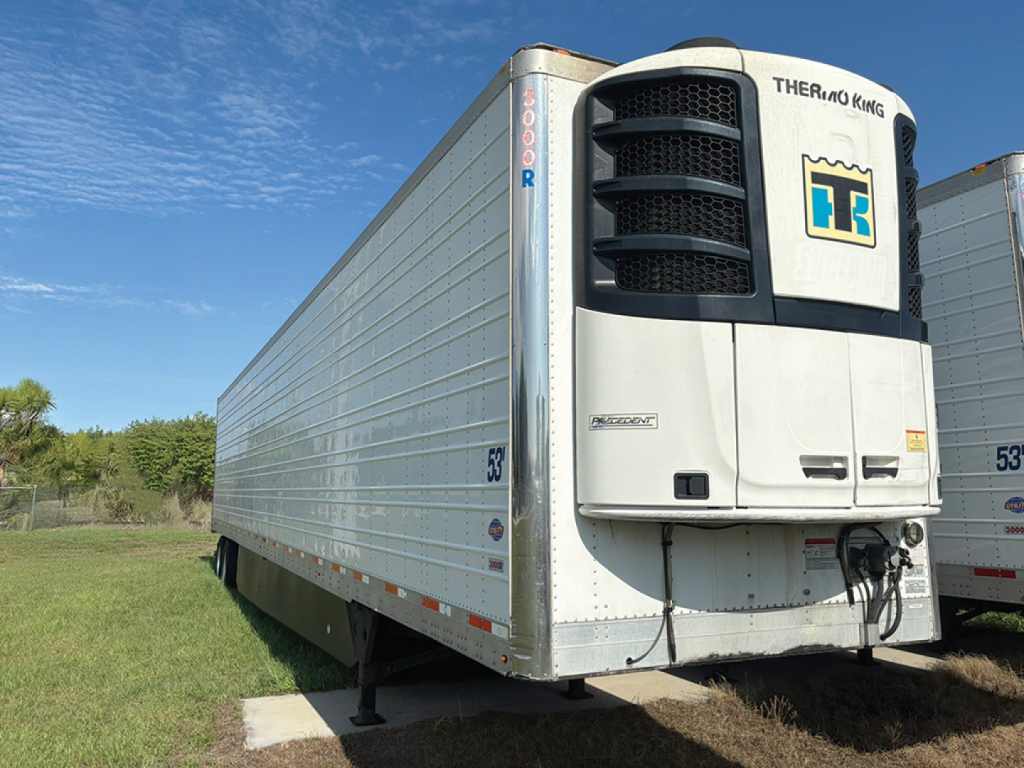
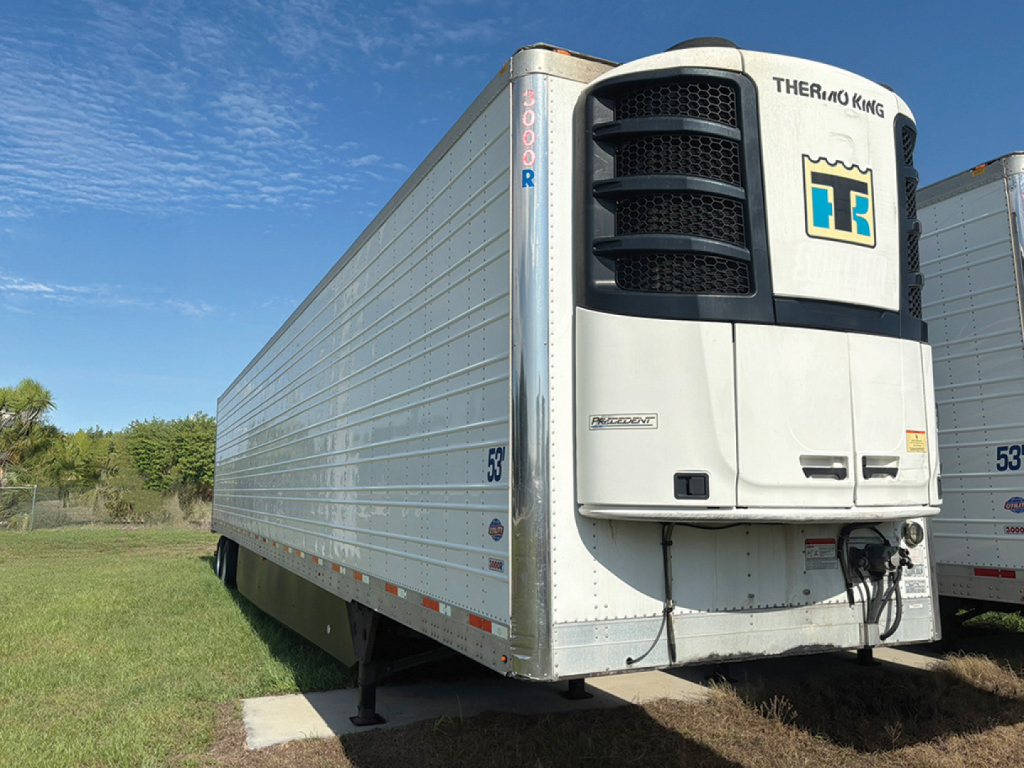
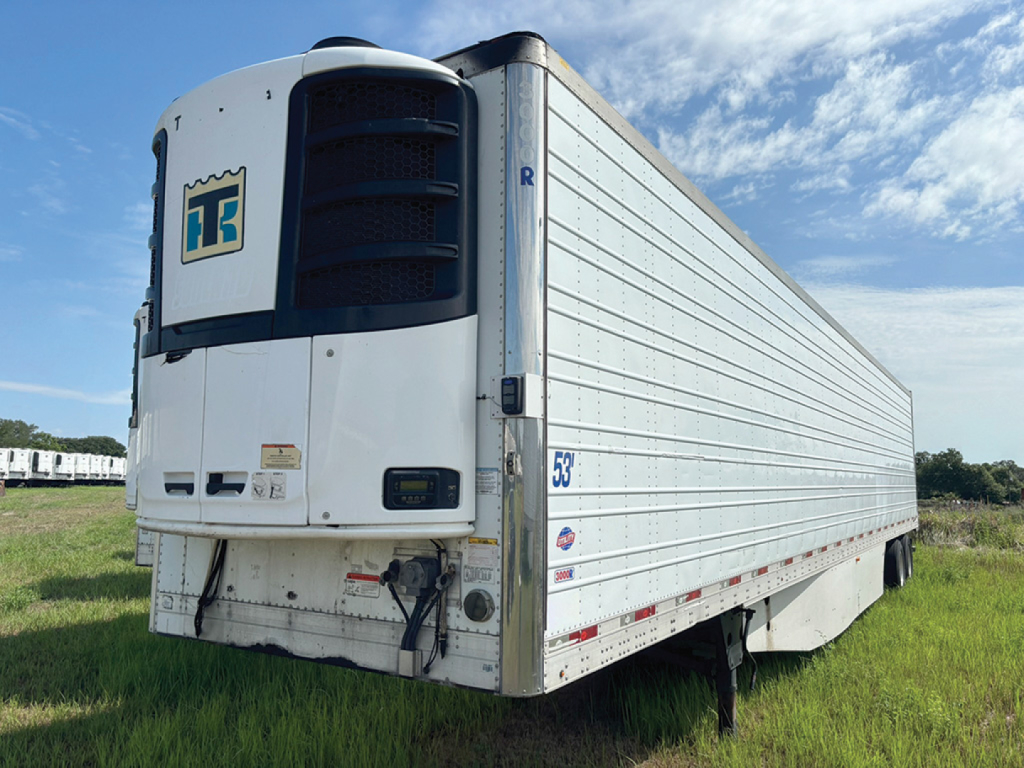
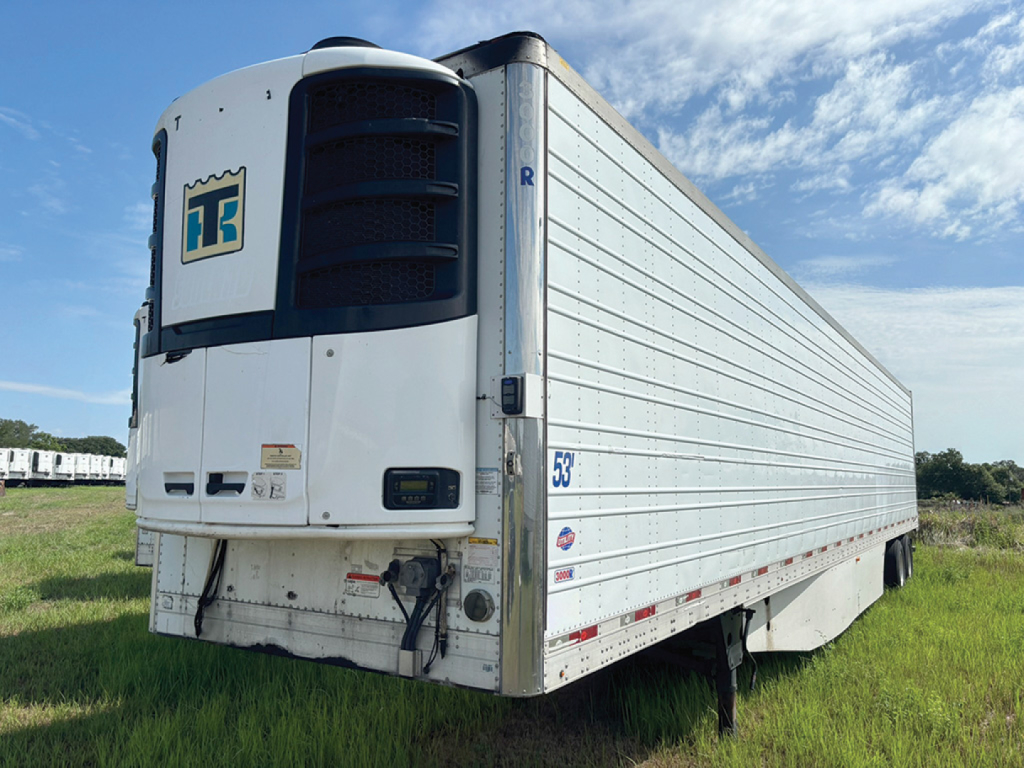
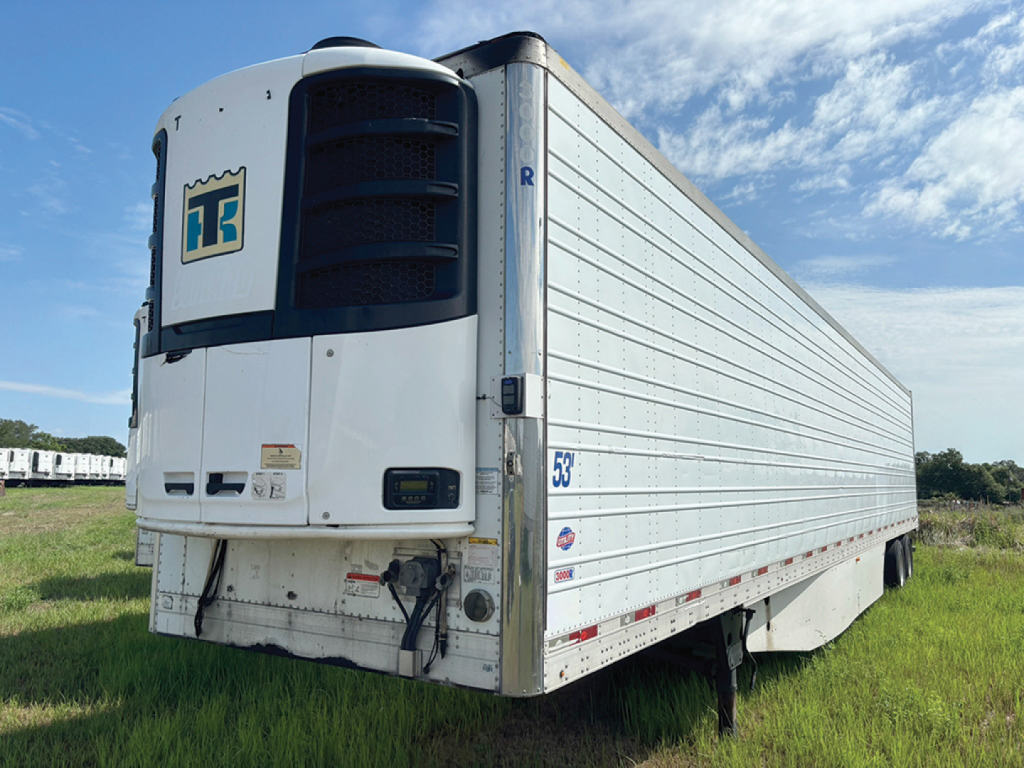
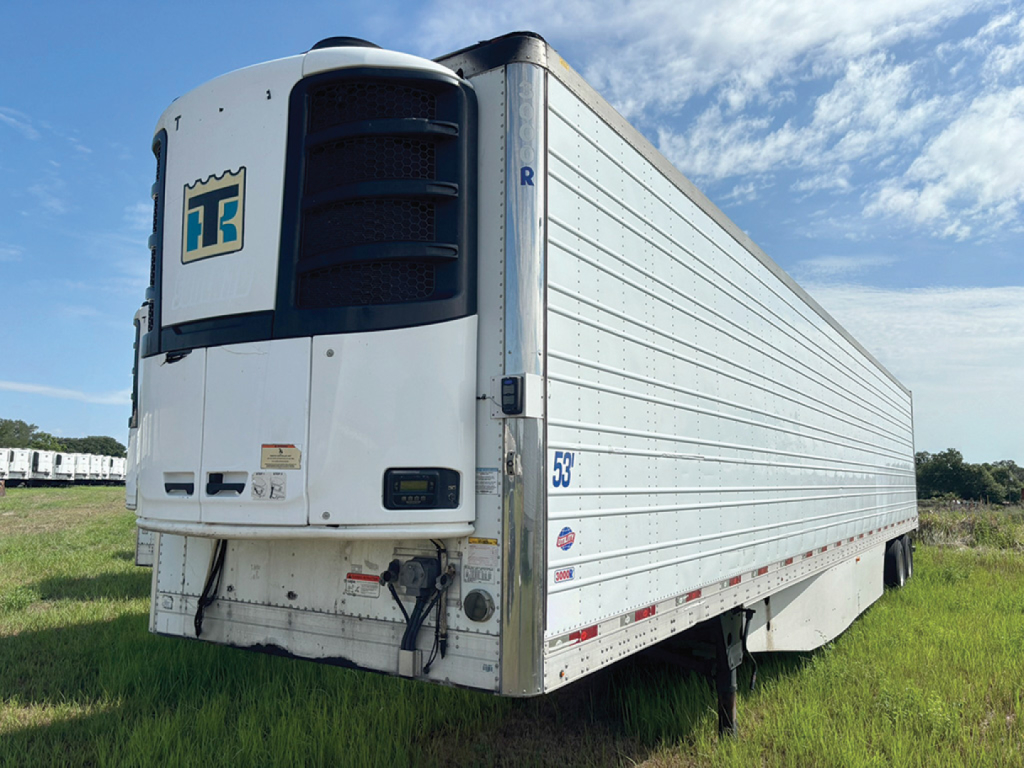
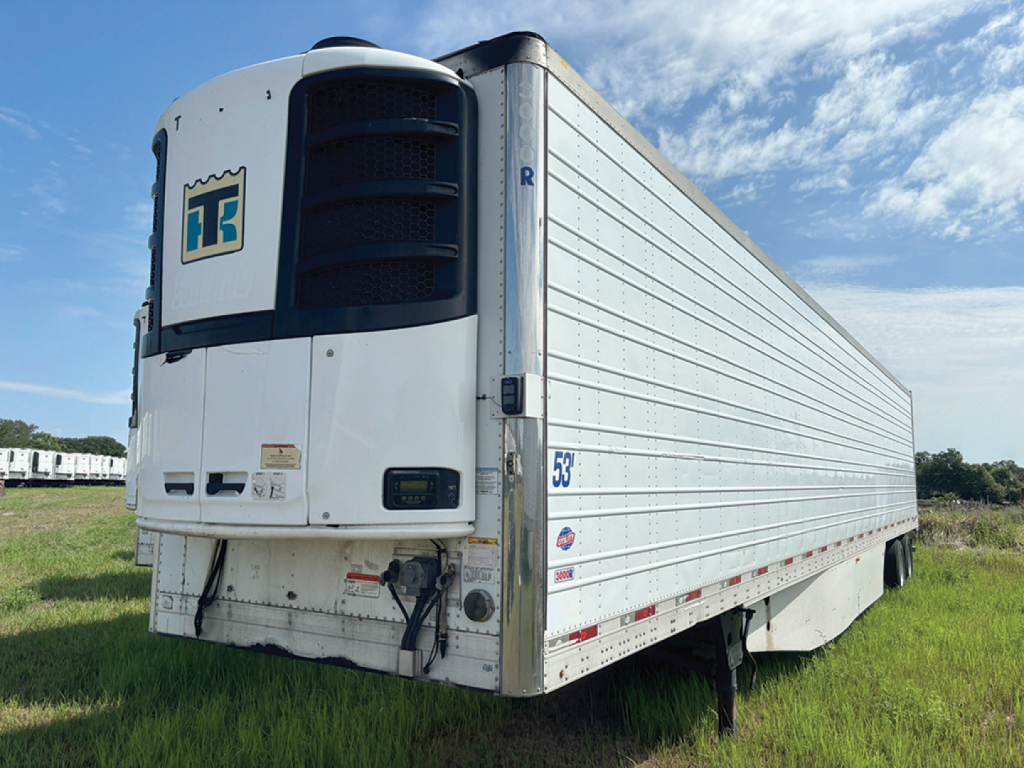
On used Utility reefers, construction details tell you a lot about long-term value. Aluminum bodies help with weight and corrosion resistance, while stainless steel front radius panels, rear frames, and door hardware tend to hold up better in humid and washdown-heavy operations. Common specs include heavy duty aluminum duct floors, scuff liners or scuff plates, cold chutes, rear vents, swing doors, and low profile 22.5 tires. Inside height is another key checkpoint. Many later-model trailers offer about 103 inches of inside height, while older units may be closer to 101 inches. That difference can matter for cube-sensitive freight and multi-stop loading patterns.
The refrigeration package is just as important as the trailer itself. Utility 3000R reefer trailers are often paired with Thermo King units such as the Precedent C-600 or S-600, though exact spec can vary. Buyers should verify reefer engine hours, electric standby if needed, service records, fuel tank condition, and whether the unit is configured for continuous or start-stop operation. It also pays to inspect the floor channels, bulkhead area, door seals, and front wall for signs of forklift damage, moisture intrusion, or past patchwork. A clean reefer trailer with sound insulation, a straight subframe, and a healthy cooling unit will generally hold value better and stay productive longer.
For fleet buyers and owner-operators alike, Utility trailers are often chosen for parts support, resale strength, and broad service familiarity across the market. Features like tire inflation systems, side skirts, disc wheels, and air ride can improve uptime and operating efficiency, but the best spec depends on lane length, dock environment, and cargo mix. If the freight is heavy and dense, tare weight matters. If the operation is multi-temp adjacent or dock-intensive, airflow design, door durability, and interior protection become bigger priorities. A well-matched Utility reefer trailer can serve regional distribution, long-haul refrigerated transport, and backhaul work with very little compromise.
Frequently Asked Questions about Utility Trailers in Florida
What is the most common Utility trailer configuration in the reefer market?
The most common Utility reefer configuration is a 53-foot by 102-inch insulated trailer, often a Utility 3000R, with air ride suspension, sliding tandems, swing doors, and a diesel-powered refrigeration unit. Many are built with aluminum construction, duct floors for airflow, and stainless steel wear components. This setup fits mainstream grocery, produce, frozen food, and foodservice lanes because it balances cube, durability, and serviceability.
What should I inspect first on a used Utility reefer trailer?
Start with the refrigeration unit hours and maintenance records, then inspect the trailer interior for floor wear, wall damage, door seal condition, and evidence of moisture intrusion. Pay close attention to the aluminum duct floor, front wall, roof, bulkhead area, and rear frame because these areas can show hard-use damage early. Suspension condition, sliding tandem operation, tire wear, and tire inflation system function also deserve a close look because they directly affect uptime and compliance.
Why does inside height matter on a Utility 3000R reefer?
Inside height affects how much palletized freight the trailer can cube out with before it weighs out. A trailer with about 103 inches of inside height can offer an advantage over a 101-inch interior when the operation handles taller pallets, mixed loads, or freight that needs every bit of vertical space. That difference may seem small on paper, but it can improve flexibility and revenue on cube-sensitive loads.
Are Utility reefer trailers a good fit for Florida operations?
Yes. Utility reefer trailers are well suited for Florida because refrigerated freight moves year-round and the operating environment is hard on equipment. Aluminum construction and stainless steel components help with corrosion resistance in humid, coastal, and washdown-heavy conditions. They are commonly used in produce, grocery distribution, seafood, dairy, and other temperature-controlled applications that are common across the state.
What reefer unit specs matter most on a Utility trailer?
The most important reefer unit factors are brand support, engine hours, maintenance history, temperature pull-down performance, and the operating mode required by your freight. Buyers often compare Thermo King and Carrier support availability, but service documentation matters more than badge alone on a used trailer. If the operation includes strict temperature compliance, frequent dock openings, or long dwell times, unit condition and airflow setup should be evaluated just as carefully as the trailer body.