
2018 Utility Trailers For Sale in Florida
Have 2018 utility trailer to sell? List it here to reach thousands of buyers.
2018 Utility Trailers in Florida
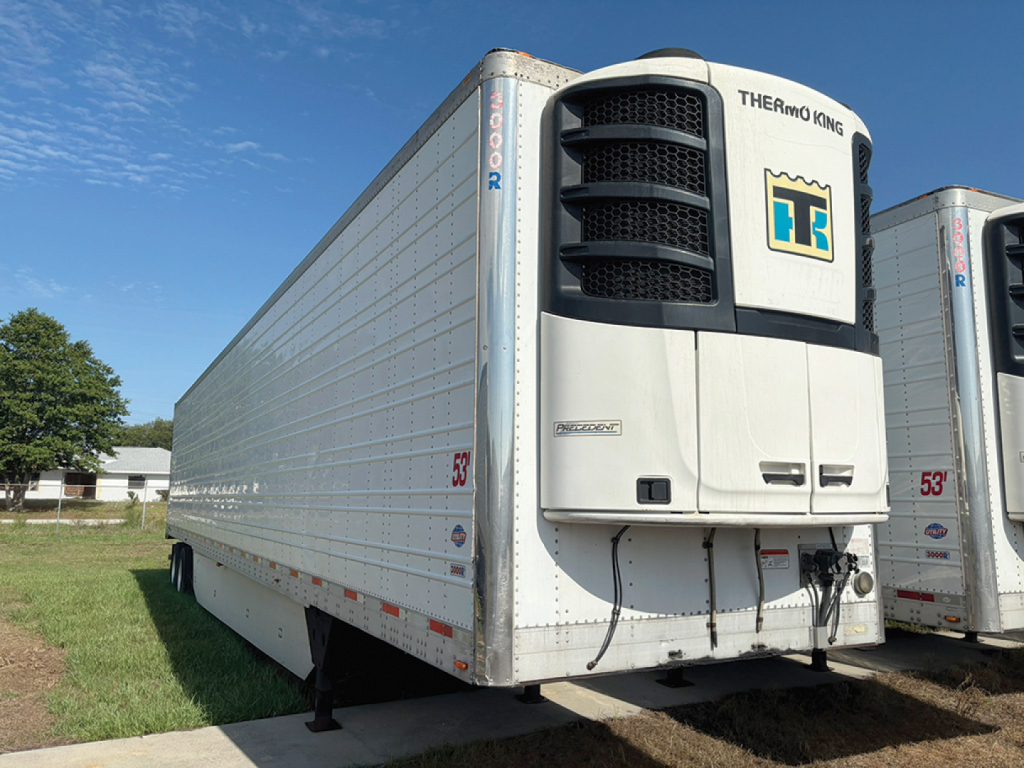
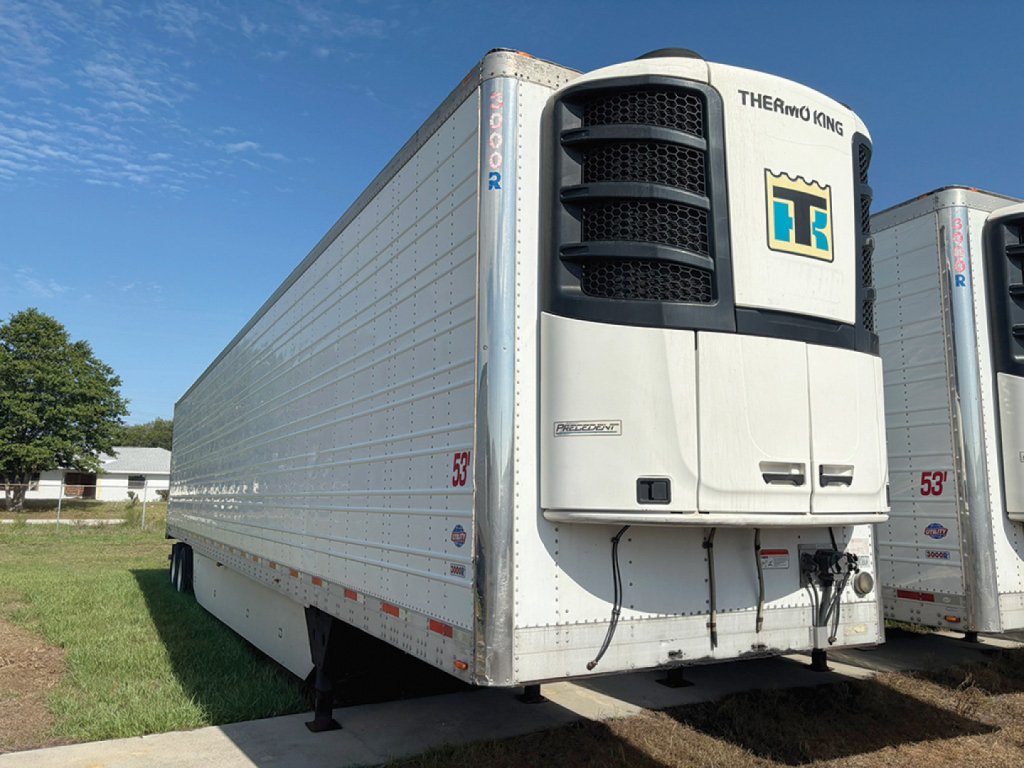
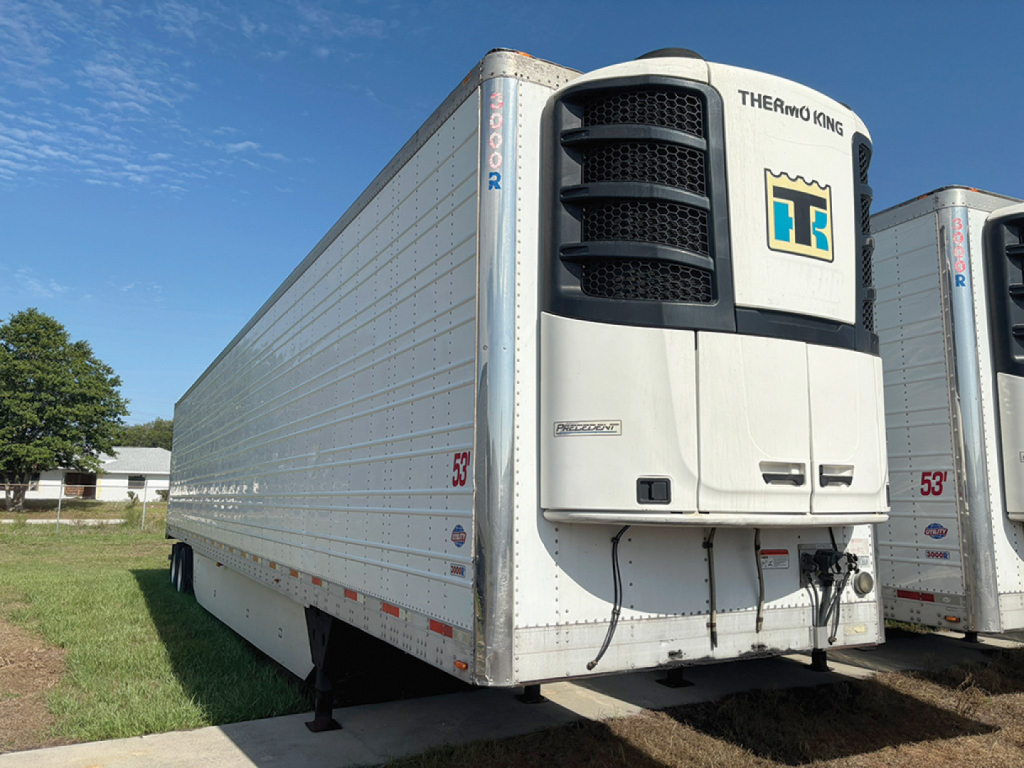
On refrigerated models, the real buying decision is not just the trailer shell but the full cold-chain package. Common specs include an aluminum duct floor for airflow, scuff liners or scuff plate protection, stainless front radius panels, stainless rear frame components, rear vents, cold chutes, and swing doors with insulated construction. Reefer units from this model year are often paired with Thermo King systems such as the Precedent C-600 or similar horsepower classes. Buyers should compare reefer hours, maintenance records, return-air performance, floor condition, door seal integrity, and signs of interior moisture damage before focusing only on trailer age.
Utility trailers are well regarded for lightweight construction, parts support, and broad fleet acceptance, which matters when resale and service access are part of the ownership equation. On 2018 models, it is common to see low-profile 22.5 tires, aluminum wheels or outside aluminum discs, tire inflation systems, and aerodynamic side skirts. Those features can affect total operating cost through fuel economy, tire life, and roadside maintenance exposure. If the trailer will stay in regional grocery, foodservice, or distribution work, pay attention to inside height, dock compatibility, and how the floor and liner package match repeated pallet jack traffic.
For Florida buyers, corrosion exposure and refrigeration demand should both be part of the inspection process. Coastal humidity can accelerate wear on door hardware, rear frames, wiring connections, and fasteners, even on trailers with stainless protective components. A clean 2018 Utility reefer with a documented service history, solid insulation performance, and a healthy refrigeration unit can still fit demanding produce, frozen, or multi-stop distribution work. The best comparison points are reefer unit age and hours, suspension condition, brake specification, tire system condition, and any evidence of floor soft spots, wall delamination, or air leaks around the doors.
Frequently Asked Questions about 2018 Utility Trailers in Florida
What makes a 2018 Utility trailer a popular used-trailer choice?
A 2018 Utility trailer often sits in a practical middle ground between acquisition cost and remaining service life. Many buyers target this model year because it is modern enough to include desirable specs such as air ride suspension, sliding tandems, aerodynamic equipment, and updated refrigeration packages, while still being old enough to price below newer fleet-trade units. Utility also has strong brand recognition, broad parts availability, and a reputation for fleet-friendly design.
What should I inspect first on a 2018 Utility reefer trailer?
Start with the refrigeration unit, then move to the trailer structure. Confirm the reefer make, model, engine hours, maintenance intervals, temperature pull-down performance, and any alarm history. After that, inspect the floor for damage from pallet traffic, check the interior walls and ceiling for punctures or moisture intrusion, and look closely at the door frame, seals, rear frame, and air ride suspension. Tire inflation systems, sliding tandem operation, and brake condition also deserve close attention because they directly affect uptime and operating cost.
Are 2018 Utility 3000R trailers good for food and grocery distribution?
Yes, the Utility 3000R is a common choice for refrigerated foodservice, grocery, produce, dairy, frozen freight, and multi-stop distribution. Features often found on these trailers, such as aluminum duct floors, scuff protection, cold chutes, and insulated swing doors, support stable airflow and repeated dock use. The exact fit depends on reefer unit condition, insulation performance, and interior layout, but the platform itself is widely used in temperature-controlled operations.
Why does a sliding tandem matter on a 53-foot Utility trailer?
A sliding tandem gives the operator flexibility in axle spacing for bridge law compliance, loading balance, and dock approach needs. On a 53-foot trailer, that matters because freight distribution, state axle rules, and customer facilities can all require different positions. A properly functioning slider helps reduce operational headaches and can make a trailer more versatile across regional and over-the-road applications.
What Florida-specific concerns apply when buying a used Utility trailer?
Florida buyers should pay extra attention to corrosion, refrigeration performance, and seal condition. Heat, humidity, and coastal exposure can affect wiring, fasteners, door hardware, and rear frame areas over time. On reefer trailers, insulation efficiency and door sealing matter even more in hot climates because the refrigeration unit has to work harder to hold setpoint. A trailer with clean structural components, good seal integrity, and documented reefer service is usually a stronger candidate for Florida operation.