
2018 Utility Trailers For Sale in Colorado
Shop 2018 Utility trailers for sale in Colorado, including dry vans, reefers, and flatbeds built for regional freight and long-haul use.
Learn more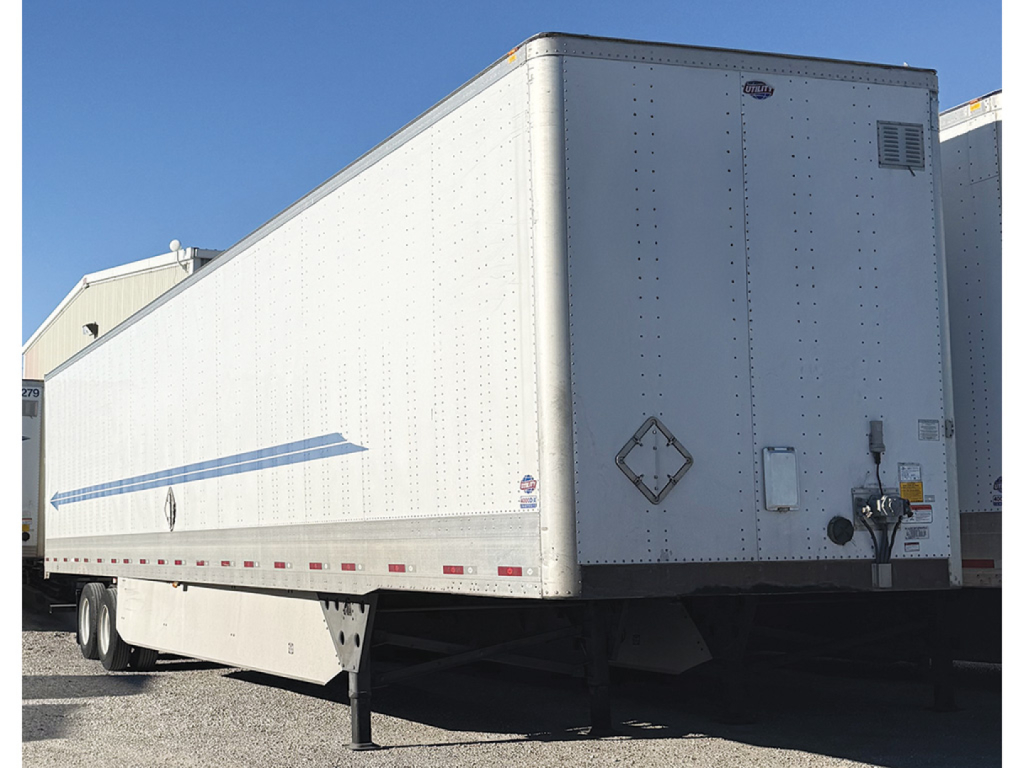
Showing 1 to 12 of 28 results
Have 2018 utility trailer to sell? List it here to reach thousands of buyers.
About 2018 Utility Trailers in Colorado
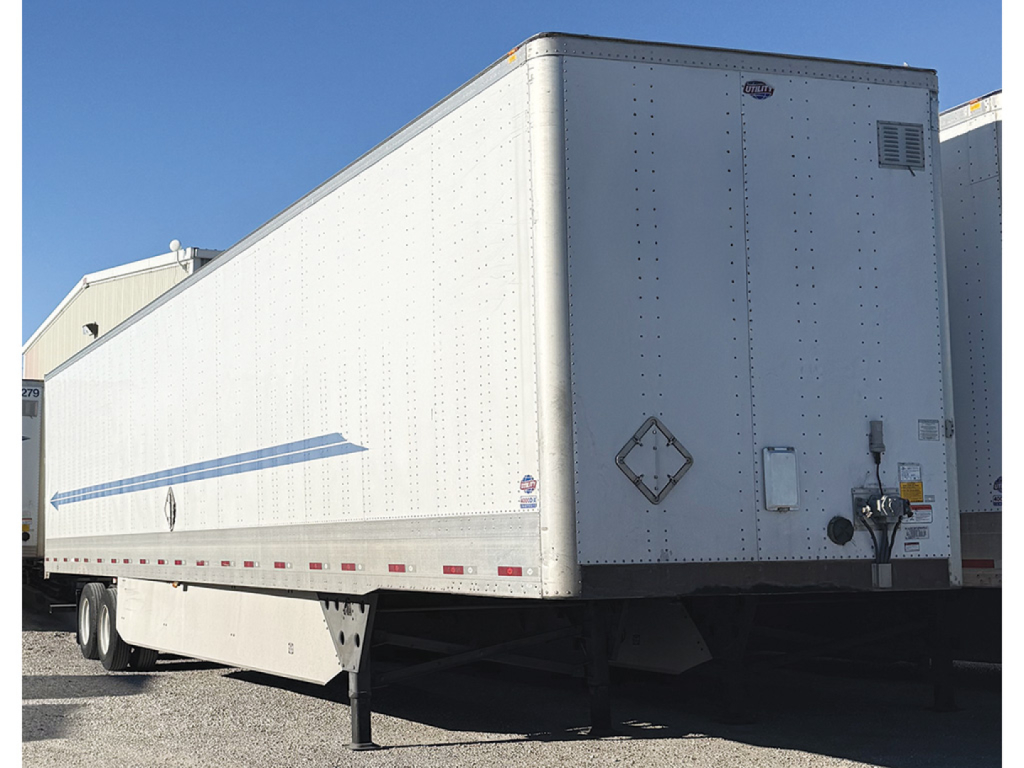
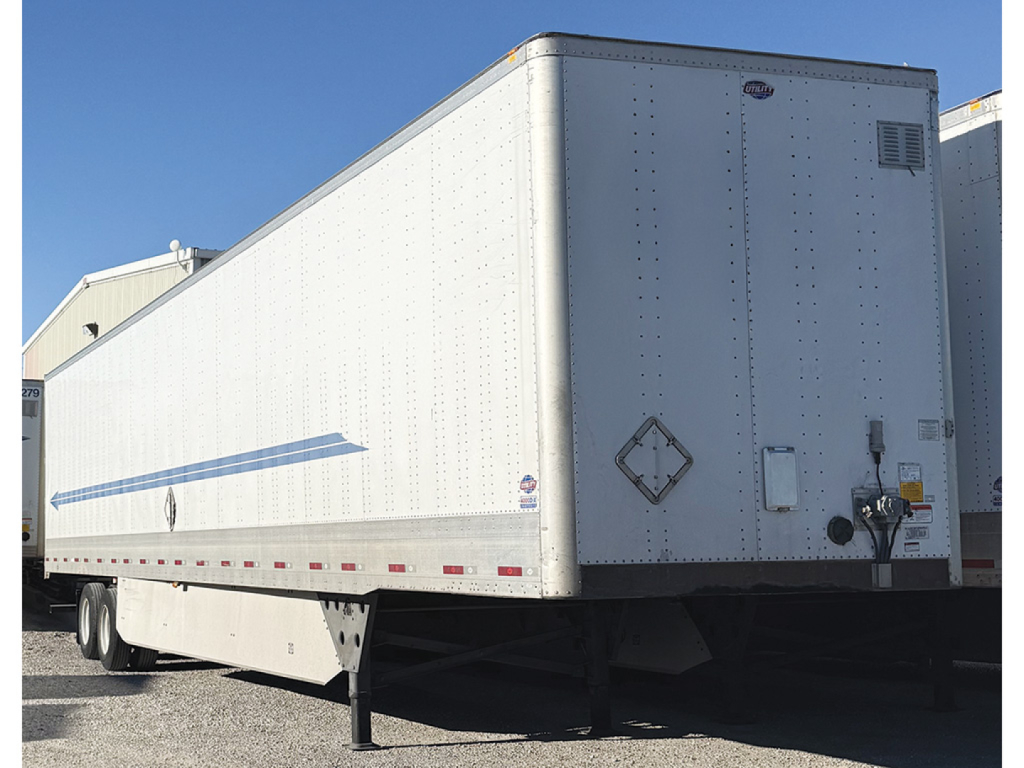
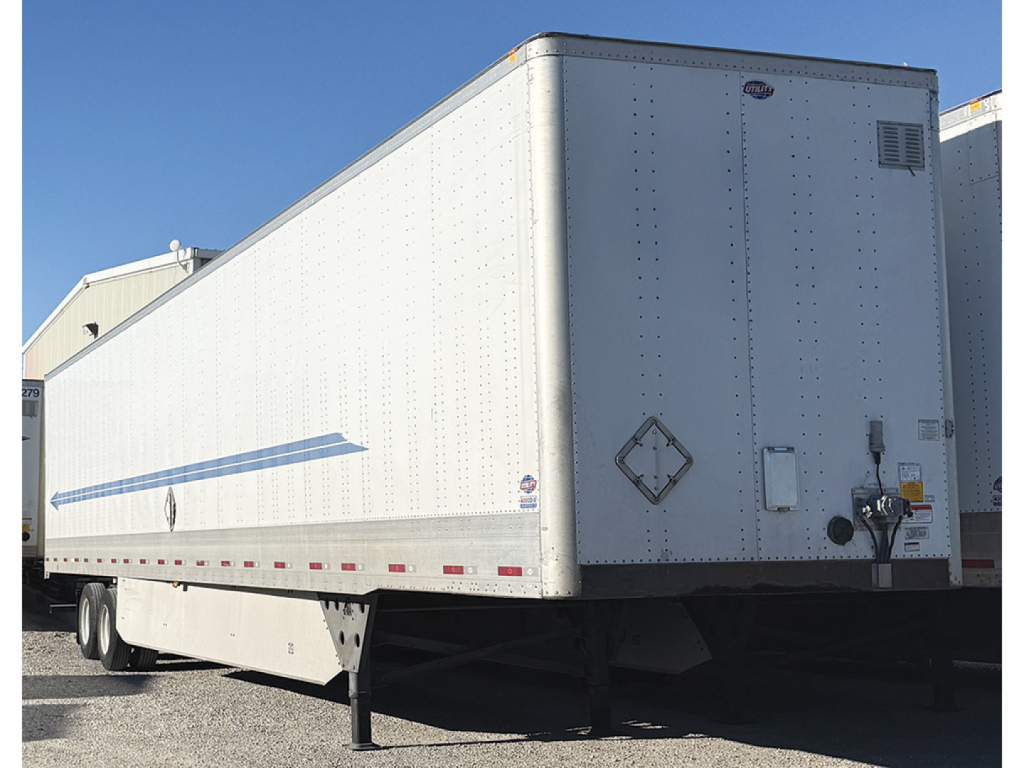
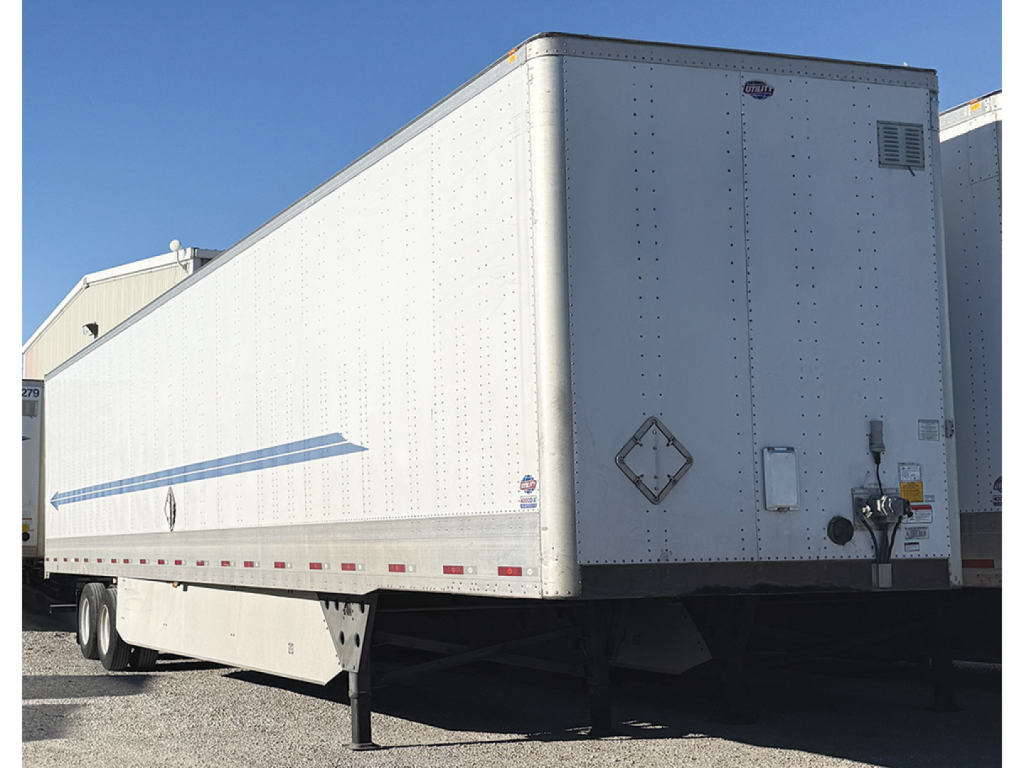
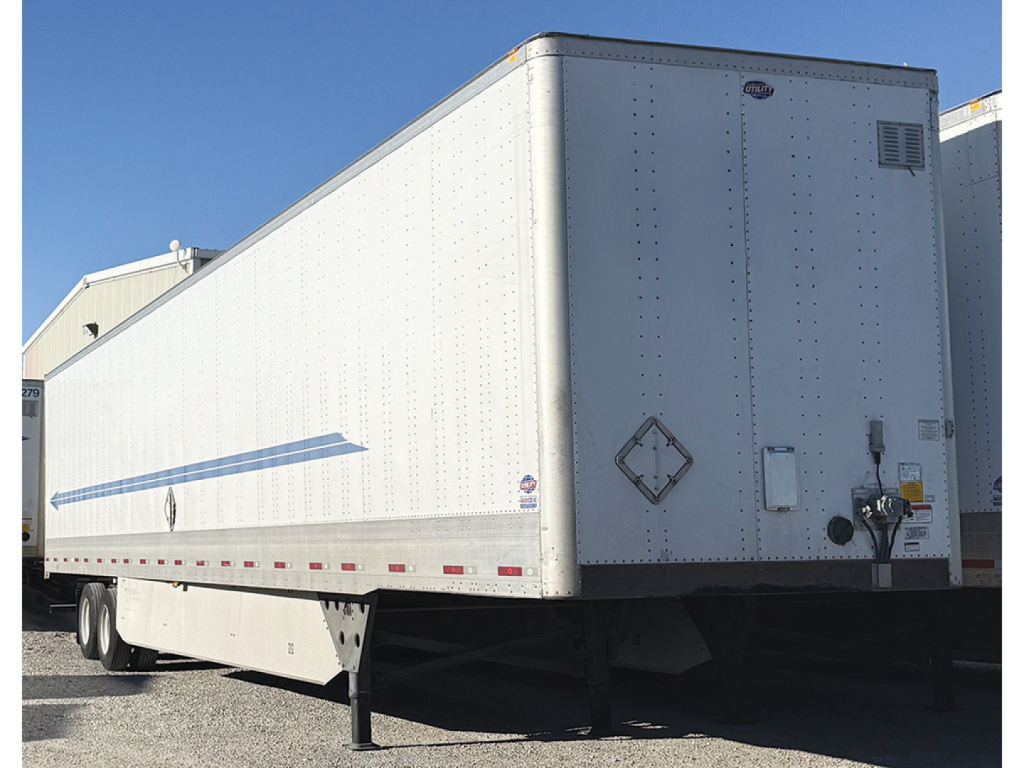
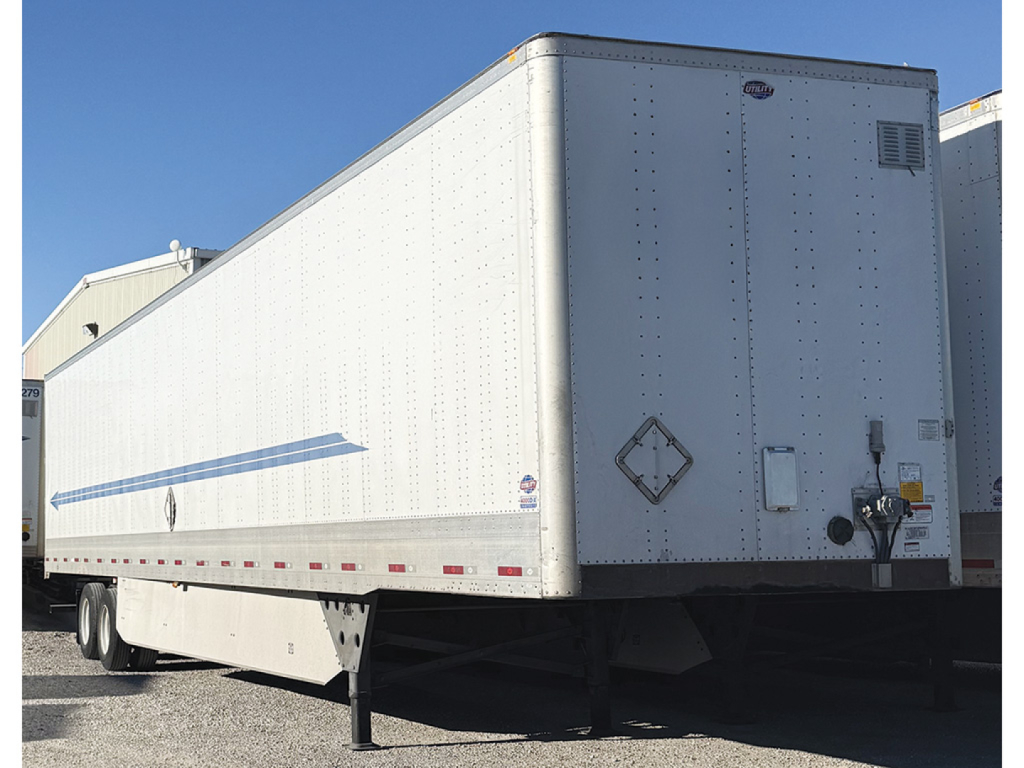
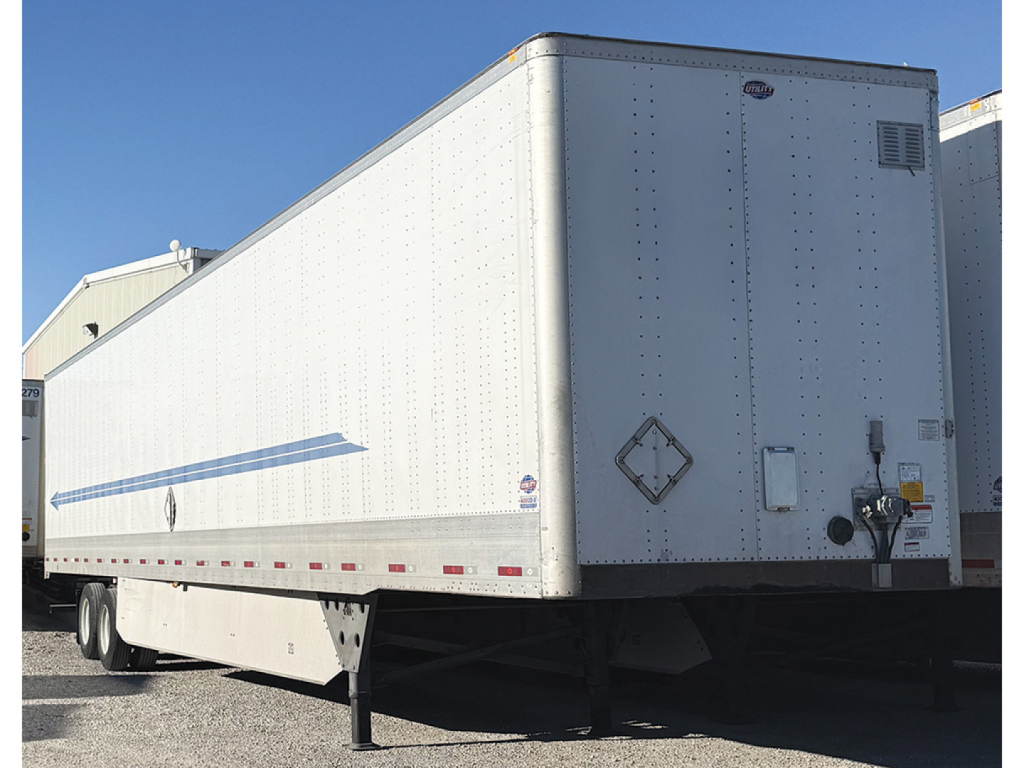
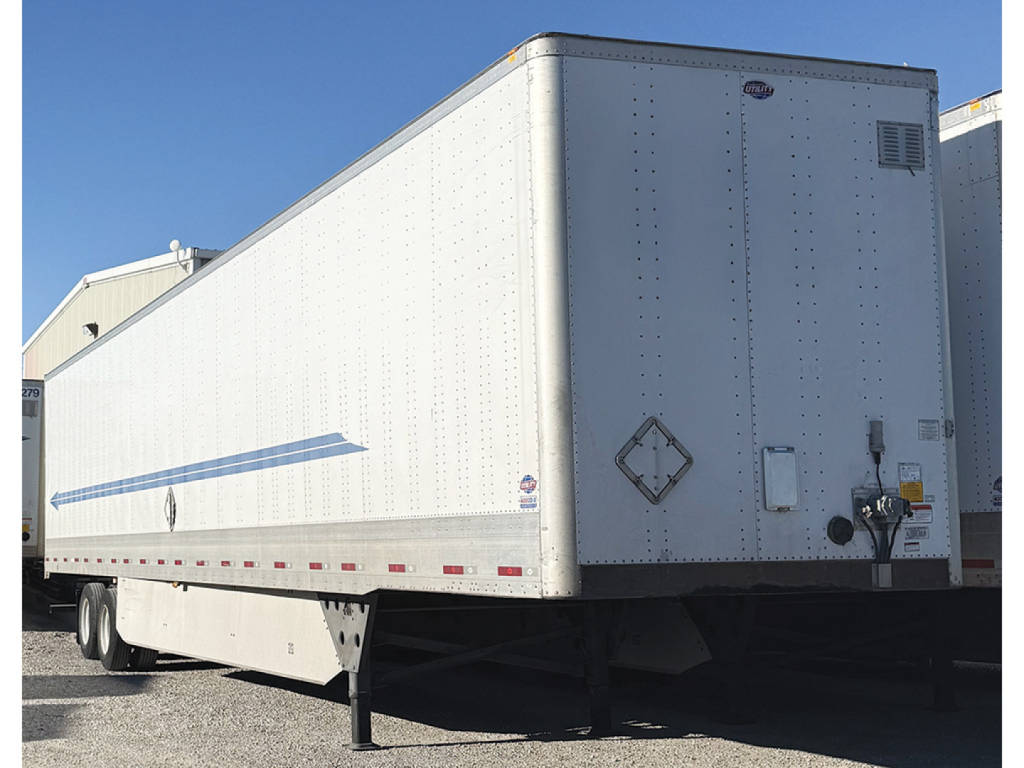
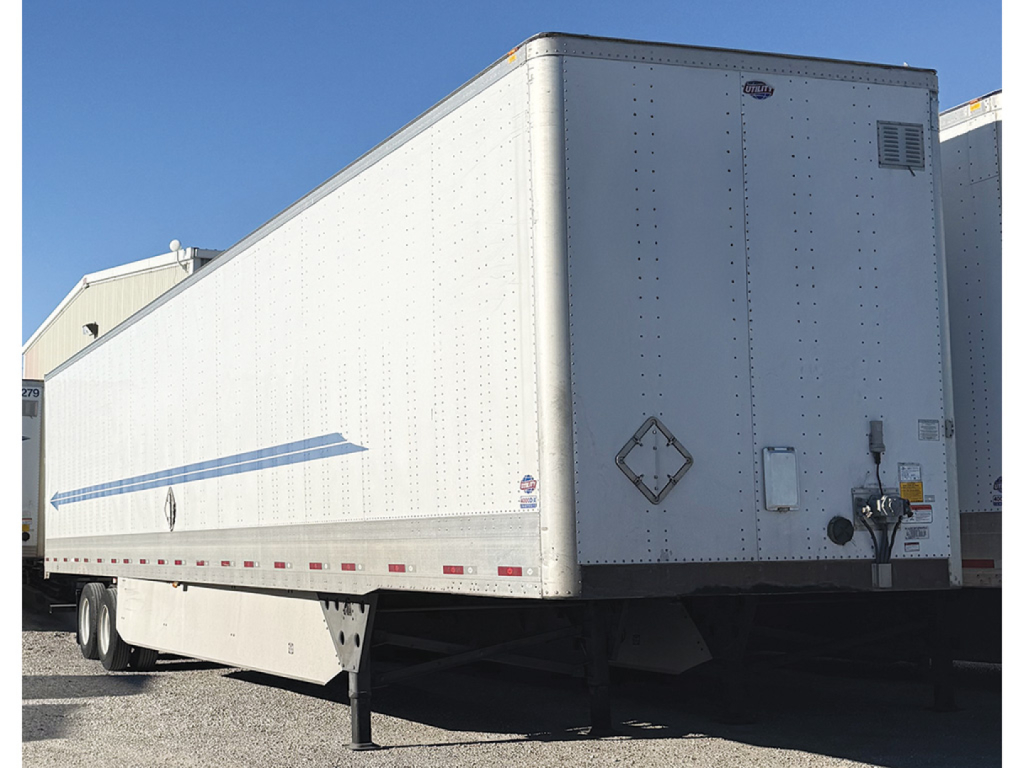
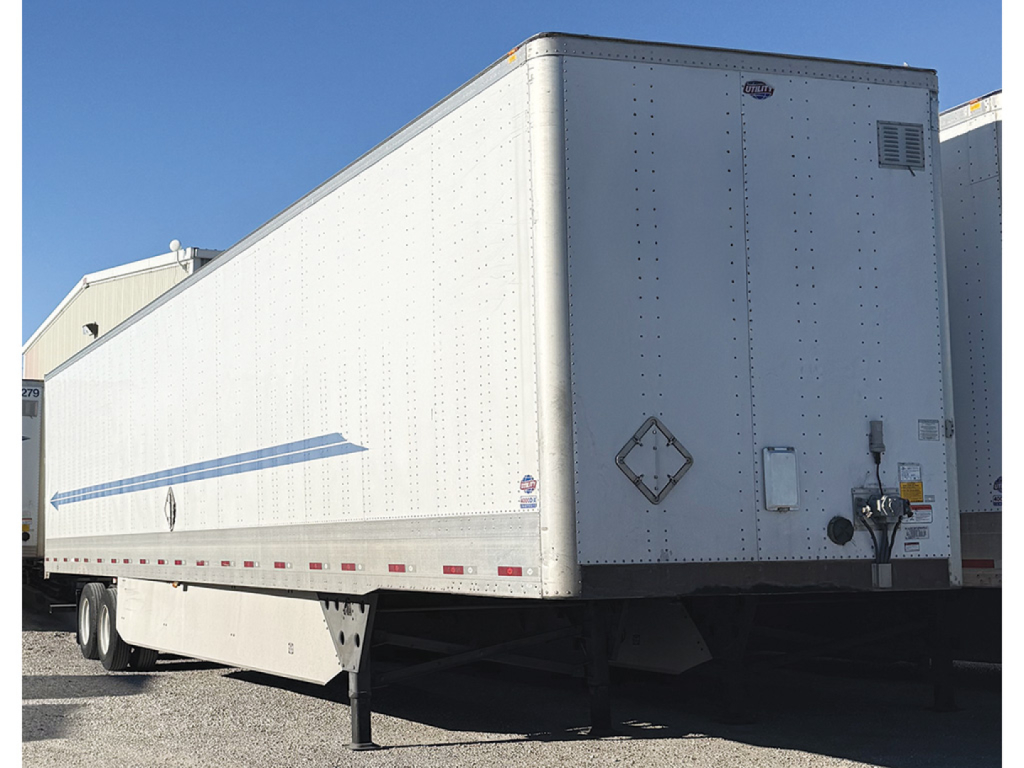
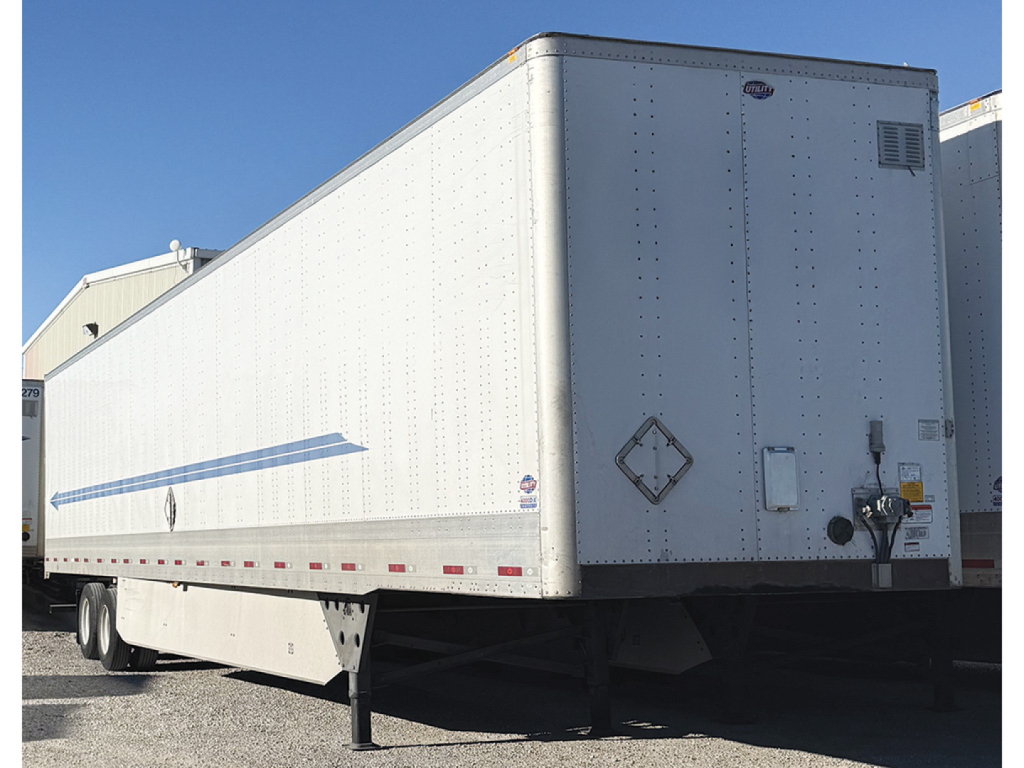
For van and reefer buyers, the main decision usually starts with body type and floor plan. Utility 4000-series dry vans are common in 53-foot by 102-inch configurations with composite wall panels, aluminum roofs, logistic posts on 24-inch centers, wood floors, and rear swing doors. Utility 3000R reefers are widely recognized for insulated construction, duct floors, bulkheads, and carrier-ready specs built around single-temp or multi-temp refrigerated service. Features like side skirts, aerodynamic tails, air ride suspensions, anti-dock walk systems, air pin sliders, and tire inflation systems are common on fleet-spec Utility trailers from this era. Those details affect tire life, dock stability, maintenance cost, and how efficiently the trailer runs at highway speed.
Flatbed shoppers looking at a 2018 Utility trailer should pay close attention to frame composition, deck style, suspension setup, and securement equipment. Utility combo flatbeds commonly use steel main beams with aluminum crossmembers and aluminum decking to balance durability with tare weight. Stake pockets, sliding winches, chain hangers, coil package equipment, pipe spools, and toolboxes are all practical indicators of how ready the trailer is for steel, lumber, machinery, or building products. In Colorado and surrounding states, weight management and securement flexibility matter because loads can shift quickly from oilfield-related freight to construction material to agricultural equipment.
The smart way to compare 2018 Utility trailers is to look beyond year and brand and focus on exact trailer spec. Check suspension type, brake configuration, wheel and tire size, tandem spread or closed tandem layout, floor condition, roof and wall integrity, and signs of prior heavy dock or forklift damage. On reefers, verify the refrigeration unit hours, California compliance if relevant, door seal condition, chute setup, and floor wear. On vans, inspect the threshold plate, scuff or wearband condition, and post spacing for load securement. On flatbeds, examine crossmember spacing, deck wear, winch track condition, and any repairs around the kingpin plate or rear frame. Utility trailers have a strong reputation because parts support is broad and the designs are familiar to fleets, owner-operators, and trailer shops across the market.
Frequently Asked Questions
What types of 2018 Utility trailers are most common?
The most common 2018 Utility trailers on the market are 53-foot dry vans, refrigerated trailers, and combo flatbeds. Utility is especially well known for dry van and reefer production, with models like the 4000-series vans and 3000R reefers appearing frequently in fleet service. Flatbed configurations are also available, typically built for weight-conscious freight with a mix of steel and aluminum components.
Are 2018 Utility reefer trailers a good choice for temperature-controlled freight?
A 2018 Utility reefer can be a solid choice if the trailer body and refrigeration unit have been maintained properly. Buyers should inspect insulation integrity, door seals, duct floor condition, bulkhead setup, chute design, and TRU hours before making a decision. It is also important to confirm emissions compliance requirements, especially if the trailer may run into states with stricter reefer regulations.
What should I inspect first on a used 2018 Utility dry van?
Start with the floor, roof, front wall, rear frame, and suspension. Forklift wear in the floor, patched roof damage, cracked threshold plates, and impact damage around the rear doors can tell you a lot about how the trailer was used. Also check the slider operation, air system condition, brake wear, tire inflation system components, and the spacing and condition of logistic posts if freight securement is a priority.
How do Utility flatbeds compare for general freight work?
Utility flatbeds are generally considered practical, fleet-friendly trailers for a broad range of commodity freight. Many are spec'd with sliding winches, stake pockets, chain storage, and coil package features that make them versatile for steel, building materials, machinery, and palletized loads. Buyers should focus on tare weight, deck condition, frame straightness, and suspension configuration to make sure the trailer matches the freight lane and load profile.
Why does trailer spec matter more than model year alone on a 2018 Utility trailer?
Trailer spec determines how the unit will perform in your operation and what it will cost to maintain. Two 2018 Utility trailers can have very different suspensions, brake packages, floor systems, door configurations, and lightweight options. A well-spec'd trailer with the right tandem layout, flooring, securement setup, and maintenance history usually brings more long-term value than choosing by age alone.