
Used Trailers For Sale in Wyoming
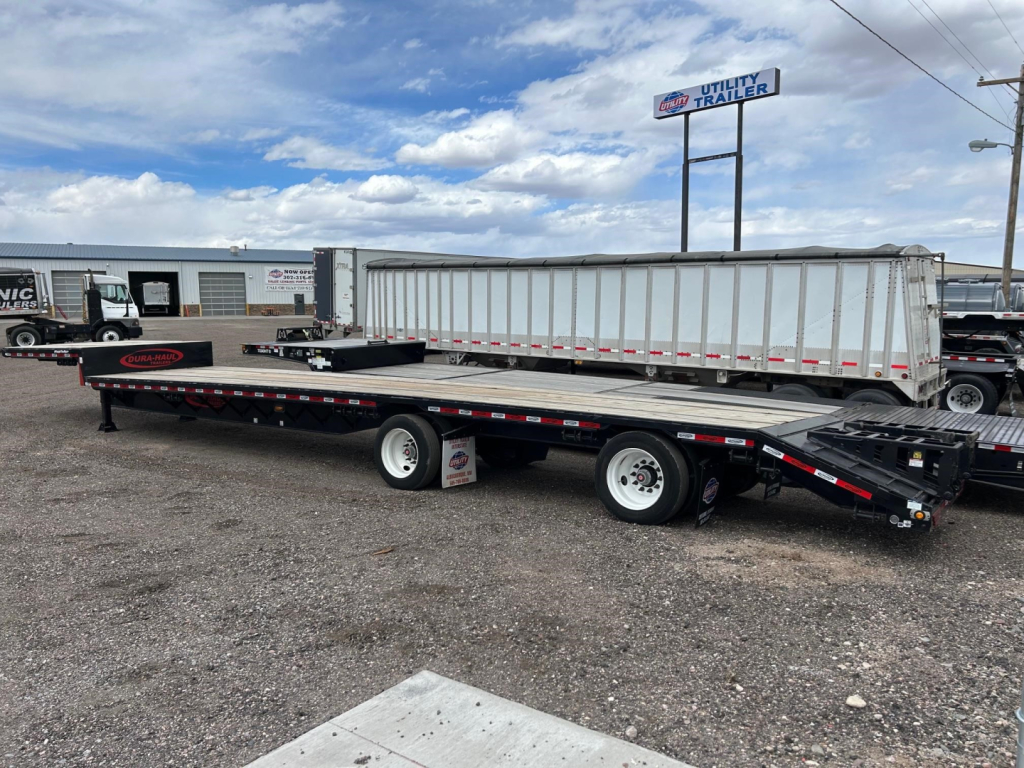
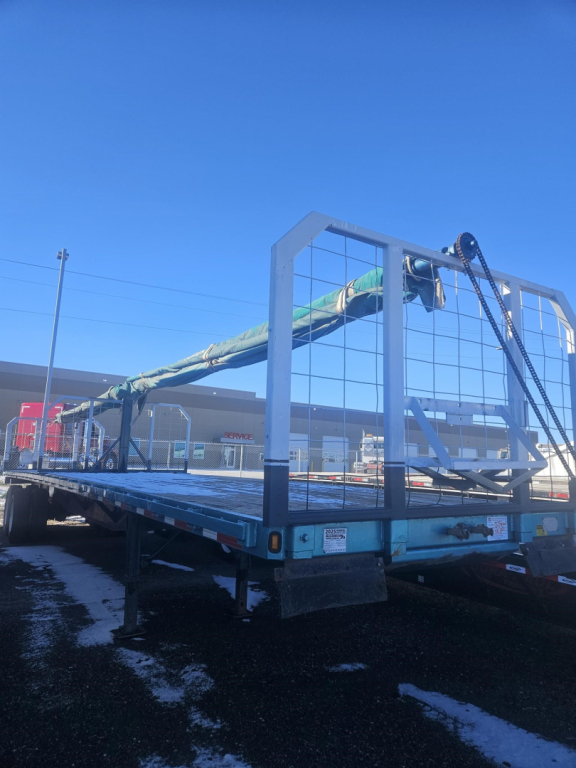
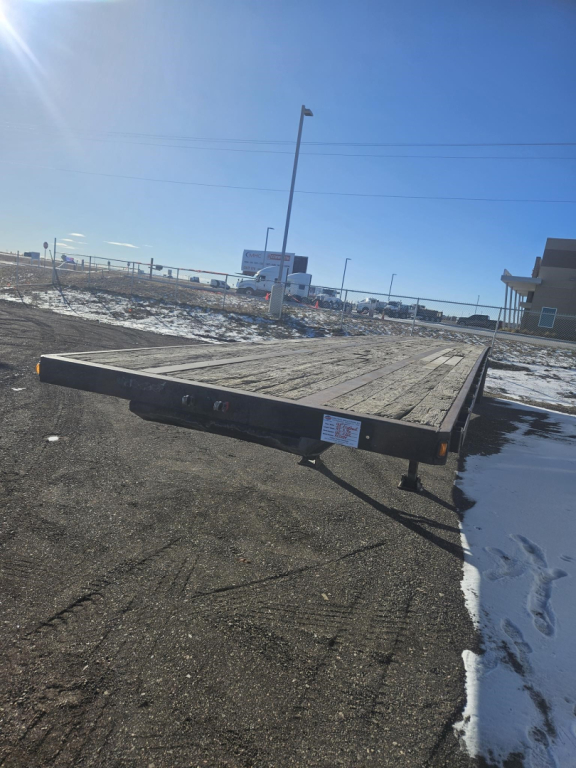
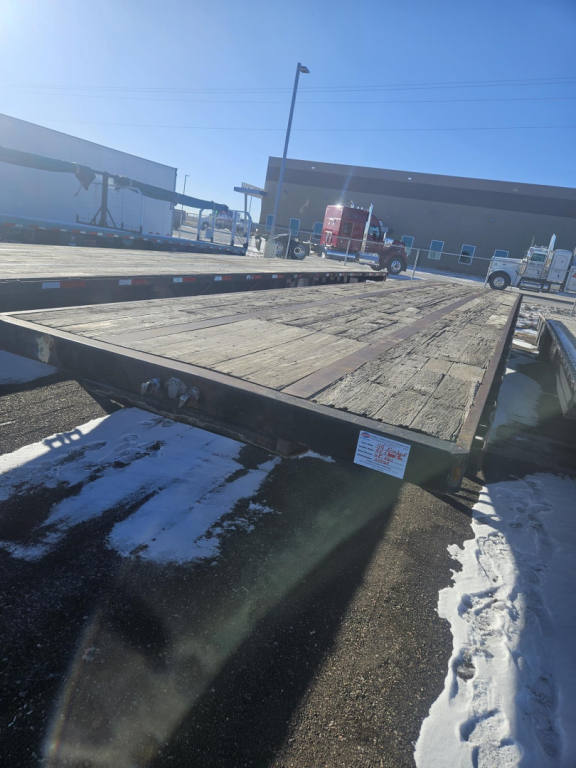
Browse used trailers for sale in Wyoming, including flatbeds and drop decks with common specs, axle setups, deck materials, and hauling applications.
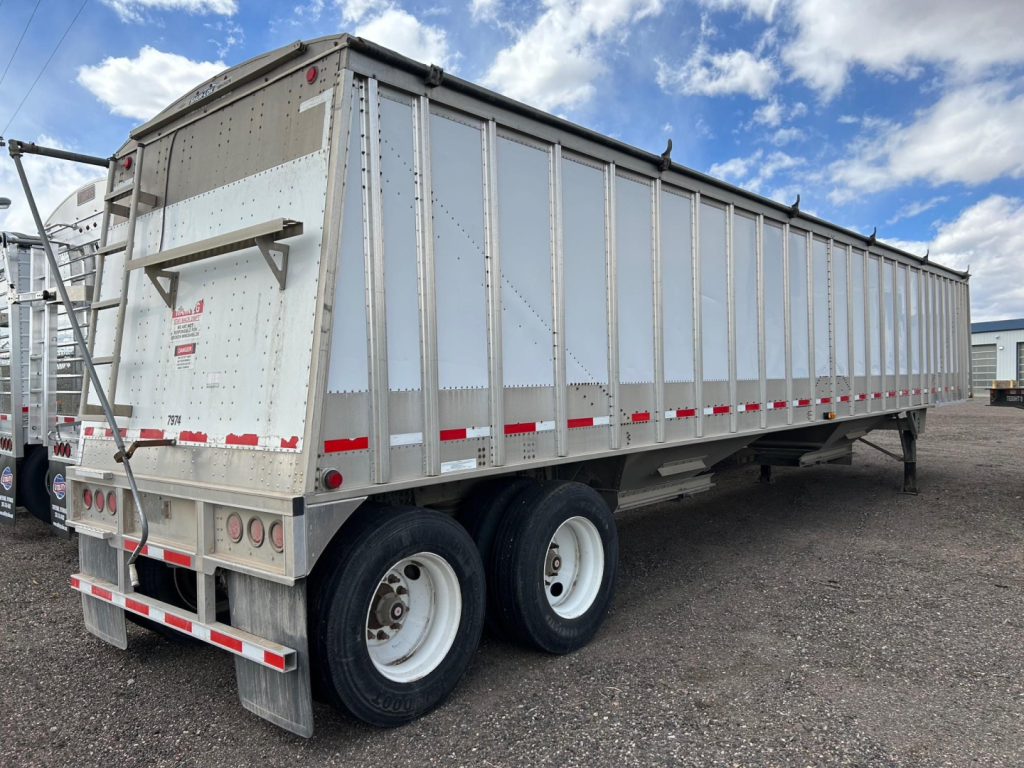
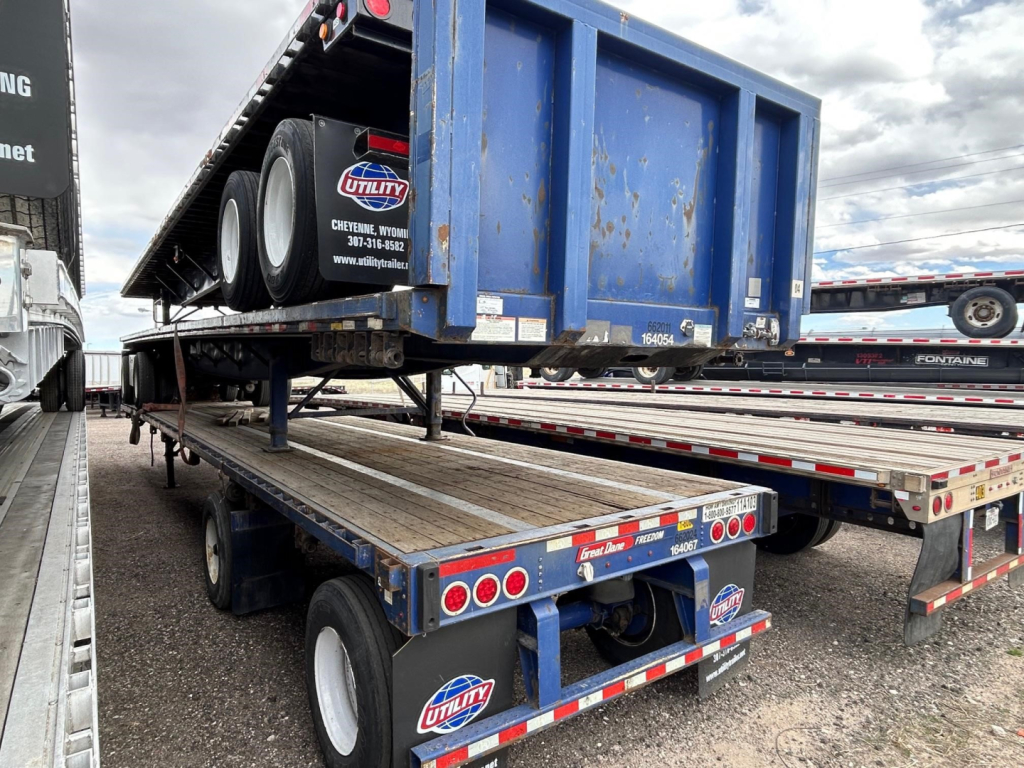
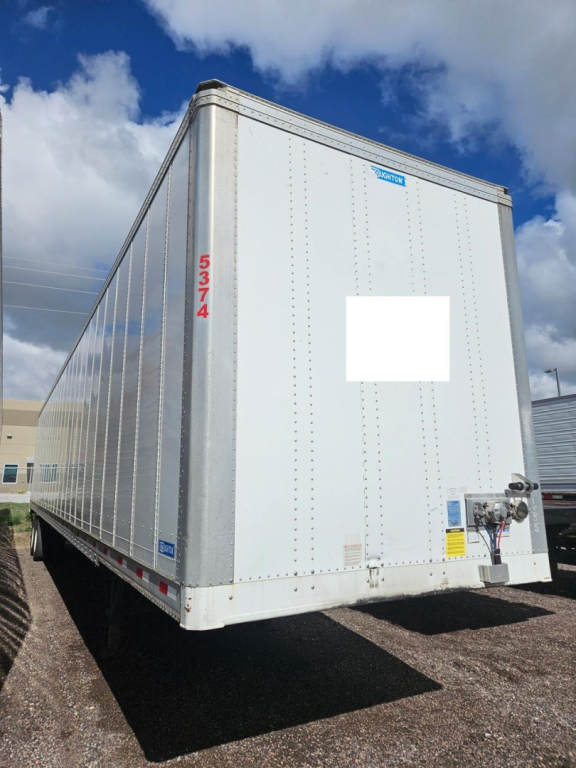
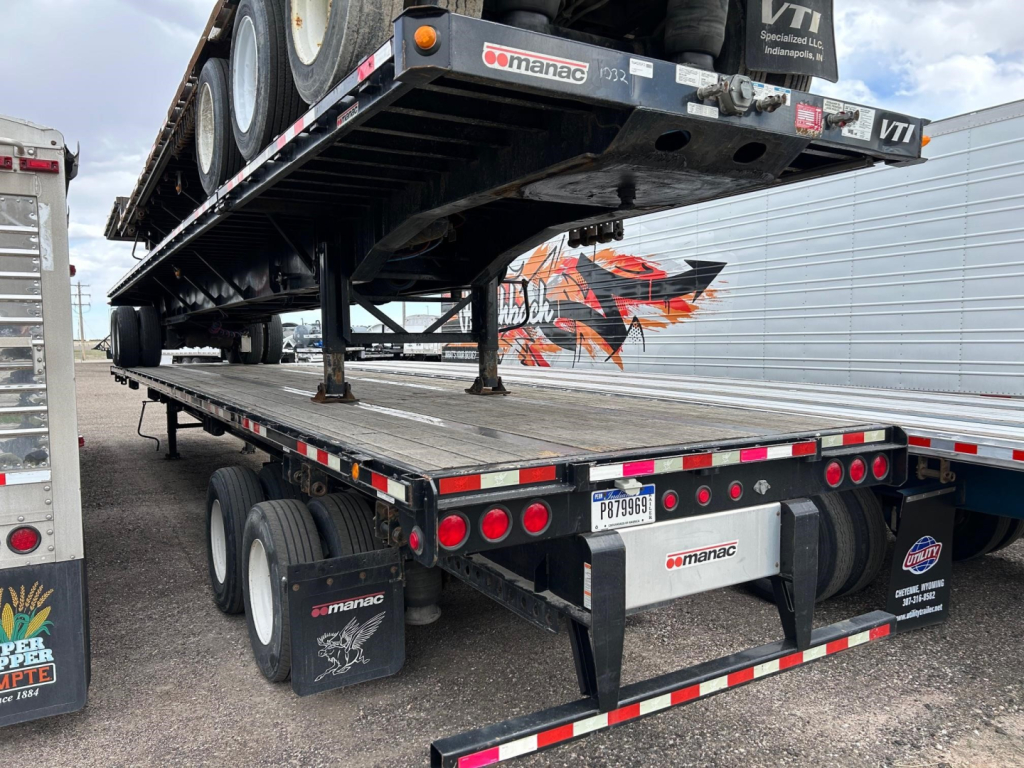
Selling a used trailer? List your used trailer for sale and reach thousands of commercial buyers.
Used Trailers in Wyoming
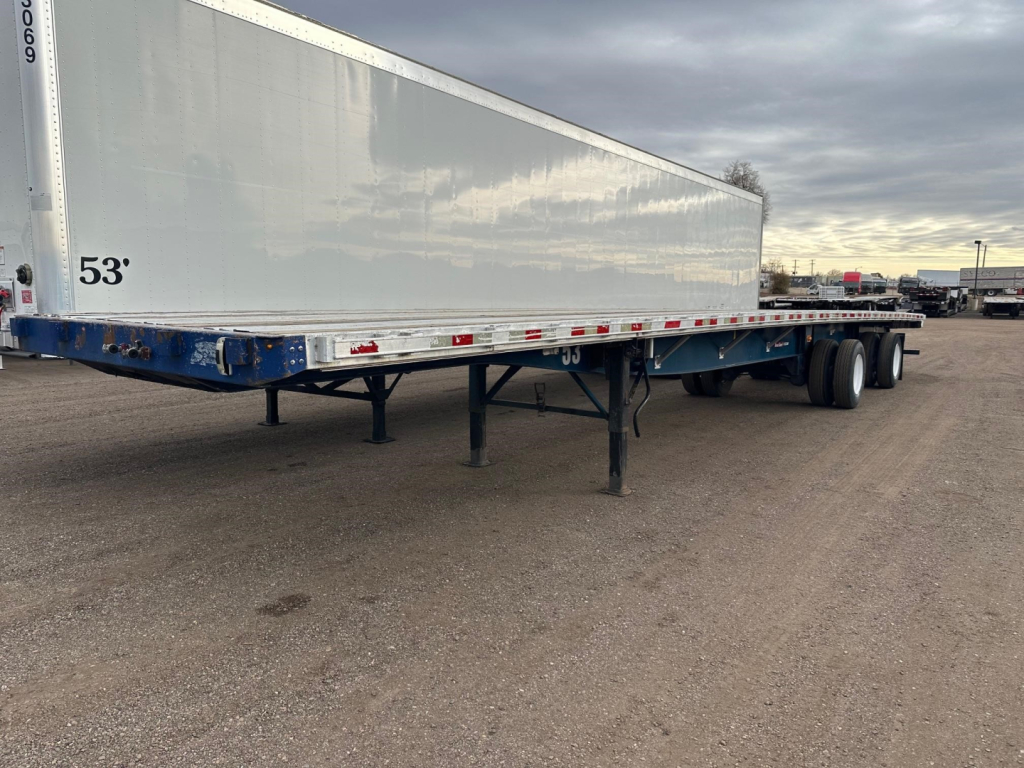
The biggest buying decisions usually come down to trailer composition, axle setup, suspension, and deck condition. Steel flatbeds are durable and often cost less up front, but they typically carry more tare weight. Combination trailers with steel main beams and aluminum floors or side rails help reduce empty weight and improve payload flexibility. Wood floors remain common on older flatbeds and are easy to repair, while aluminum flooring can reduce weight and resist corrosion. On used trailers, pay close attention to crossmember condition, main beam integrity, deck wear, landing gear operation, brake components, and signs of frame cracks or past repairs around suspension hangers and slider boxes.
Wyoming buyers also need to think about route conditions, weather, and the type of freight being moved between rural job sites, interstate corridors, and energy-sector locations. Air ride suspension is popular for protecting more sensitive cargo and can improve ride quality, while spring ride remains common on older units due to simplicity and lower maintenance cost. Sliding winches, stake pockets, pipe spools, nail strips, and scuff-resistant deck surfaces all add day-to-day utility for securement. Tire inflation systems, low-profile 22.5 tires, and California-legal or bridge-friendly axle spacing may matter if the trailer will run outside the region or across multiple regulatory environments.
A good used trailer should match the freight first, then the operating area. A 45-foot steel flatbed can still make sense for shorter, dense loads and local work, while a 53-foot combo flatbed or drop deck is often better for longer freight, lighter tare weight, and broader resale appeal. Buyers comparing used trailers should look closely at GVWR, axle spread, kingpin setting, overall deck height, wheel material, and securement layout. Those details have a direct effect on legal payload, loading ease, and how well the trailer fits the lanes it is expected to run.
Frequently Asked Questions about Used Trailers in Wyoming
What is the difference between a flatbed trailer and a drop deck trailer?
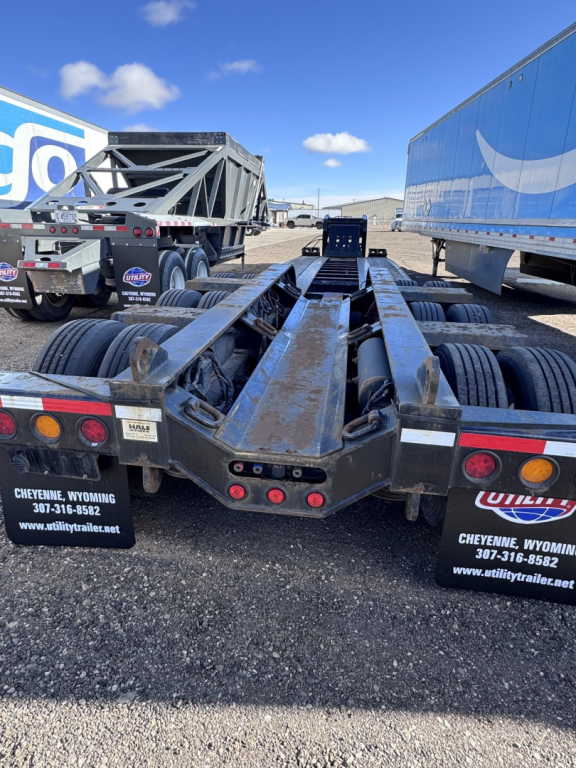
A flatbed trailer has a single deck height from front to rear and is used for general open-deck freight. A drop deck trailer, also called a step deck, has an upper deck and a lower main deck that allows taller cargo to ride lower and stay within legal height limits. Flatbeds are usually the better choice for standard building materials and uniform freight, while drop decks are often preferred for machinery, taller pallets, and equipment that would sit too high on a standard deck.
What should I inspect first on a used trailer?
Start with the frame, main beams, crossmembers, suspension mounts, and slider area because structural repairs can be expensive and affect long-term reliability. Then inspect the deck surface, brakes, tires, wheels, air system, lights, landing gear, and all securement components such as stake pockets, winches, and pipe spools. Uneven tire wear, cracked welds, bent flanges, and heavy corrosion around high-stress points are signs that deserve closer attention before purchase.
Is a steel trailer or combination trailer better for used trailer buyers?
It depends on payload needs and operating cost priorities. Steel trailers are generally rugged and often less expensive to buy, but they usually weigh more and reduce available payload. Combination trailers, typically built with steel main beams and aluminum components, offer lower tare weight and better corrosion resistance in key areas. For buyers hauling legal-weight but volume-sensitive freight, a combo trailer can create more flexibility, while a steel trailer may still be a strong value for local, hard-use applications.
Why does axle configuration matter on a used trailer?
Axle configuration affects bridge compliance, load distribution, turning behavior, and how the trailer fits state and regional regulations. A sliding tandem gives flexibility for balancing loads and adjusting kingpin-to-axle measurements, while a fixed spread can improve weight distribution and may help on certain legal setups. Buyers should match the axle layout to the lanes they run, the freight they carry, and the loading docks or job sites they access regularly.
Are older used flatbeds still a good buy?
An older flatbed can still be a productive trailer if the structure is sound and the wear items have been maintained. Many older steel and combo flats remain in service for years because the design is straightforward and repairable. The key is to separate cosmetic age from structural condition. A trailer with honest wear but solid beams, a usable deck, working brakes, and healthy suspension components can be a better buy than a newer unit with hidden frame or slider problems.