
Used Flatbed Trailers For Sale in Wyoming
Used flatbed trailers for sale in Wyoming, including 48', 53', combo, steel, and extendable models for steel, lumber, pipe, and machinery.
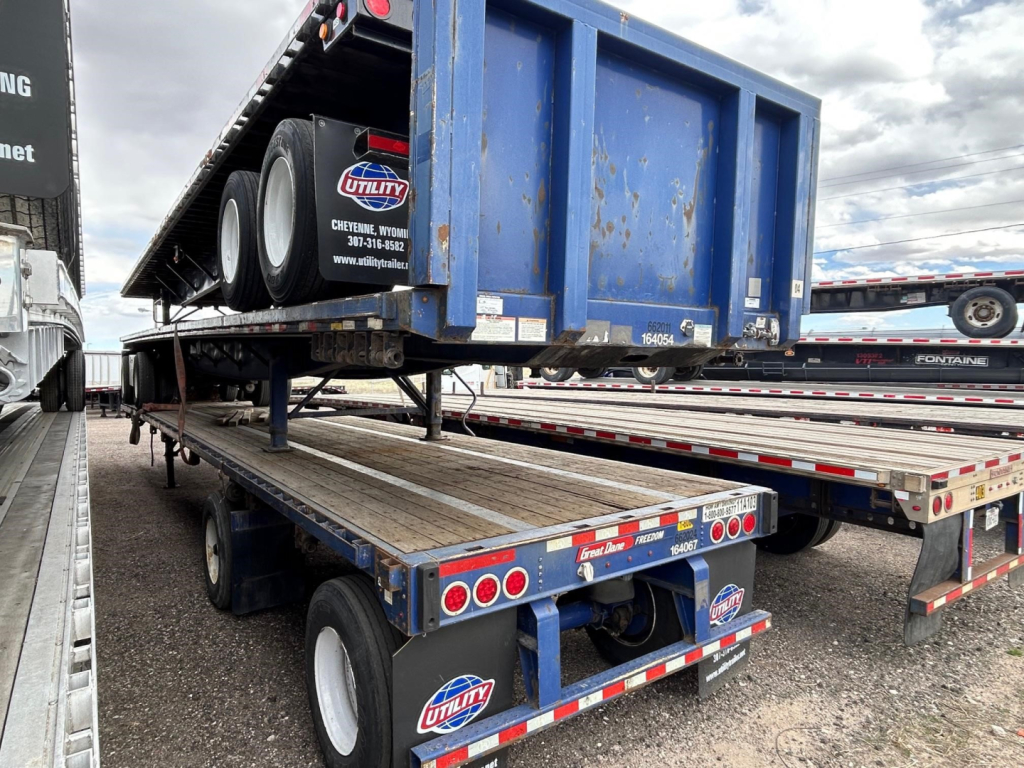
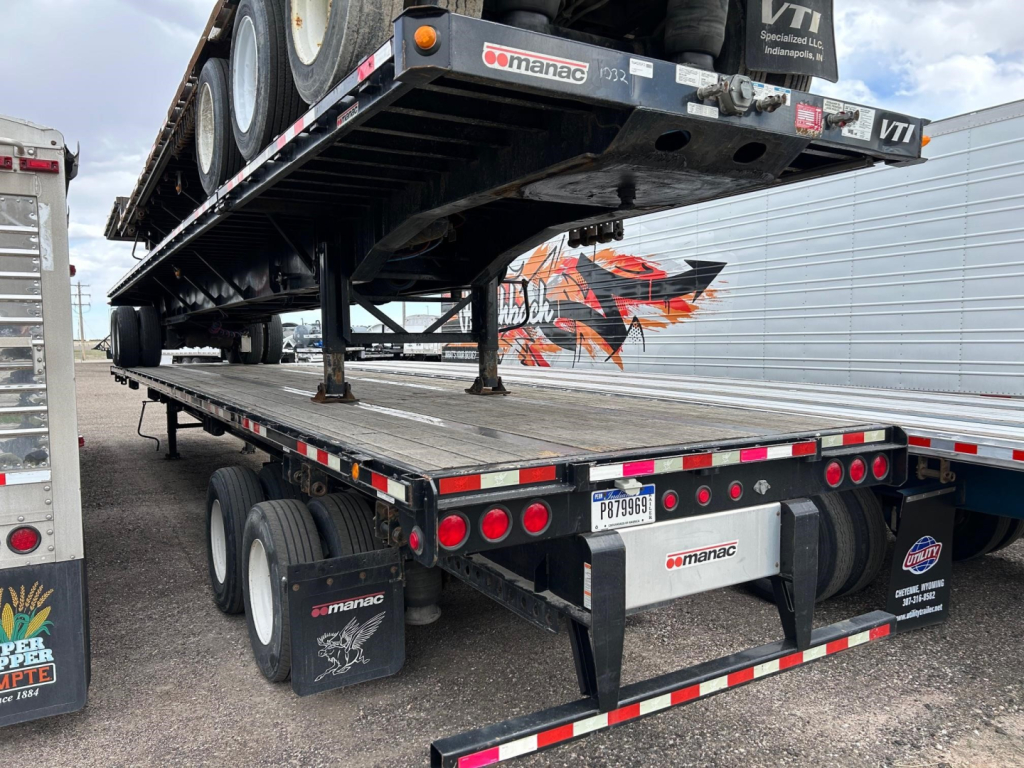
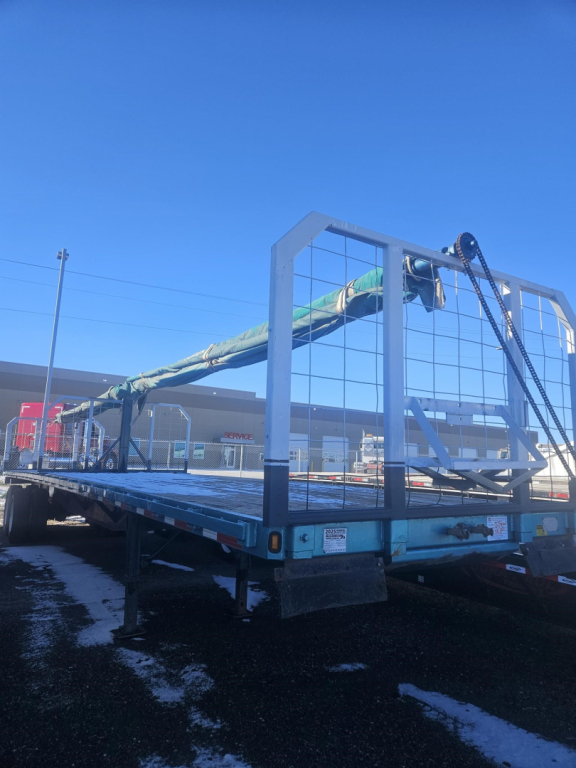
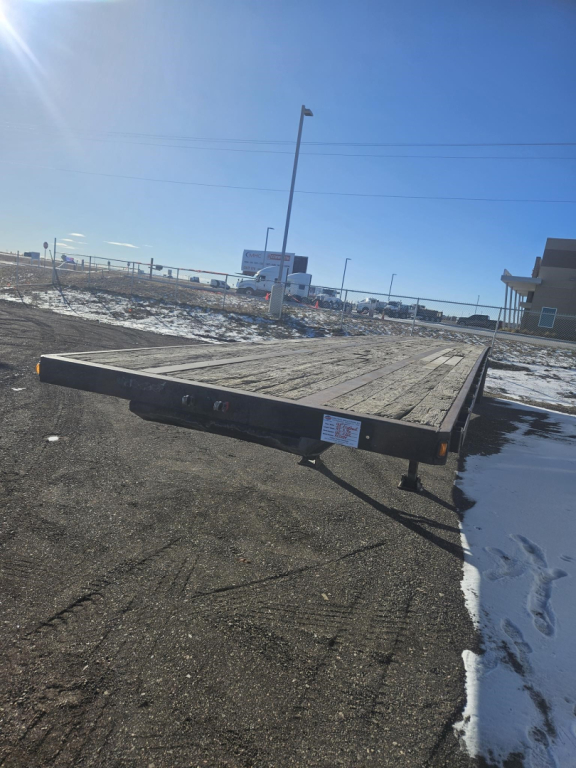
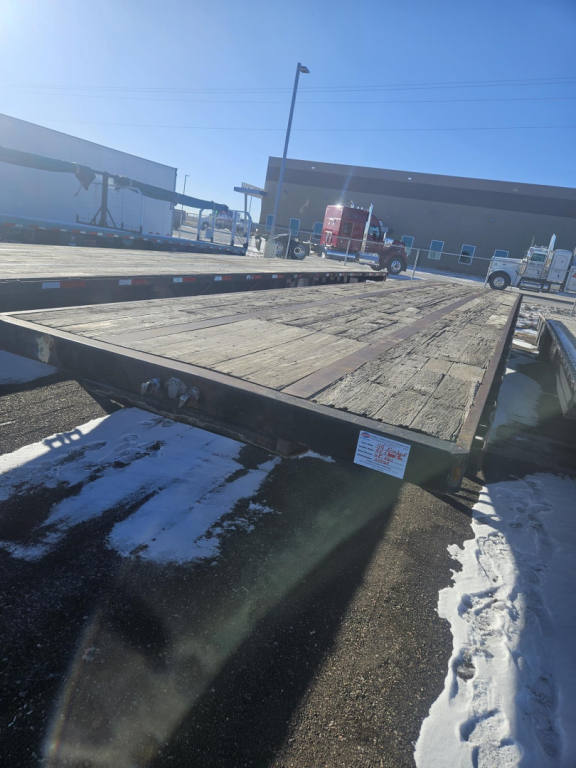
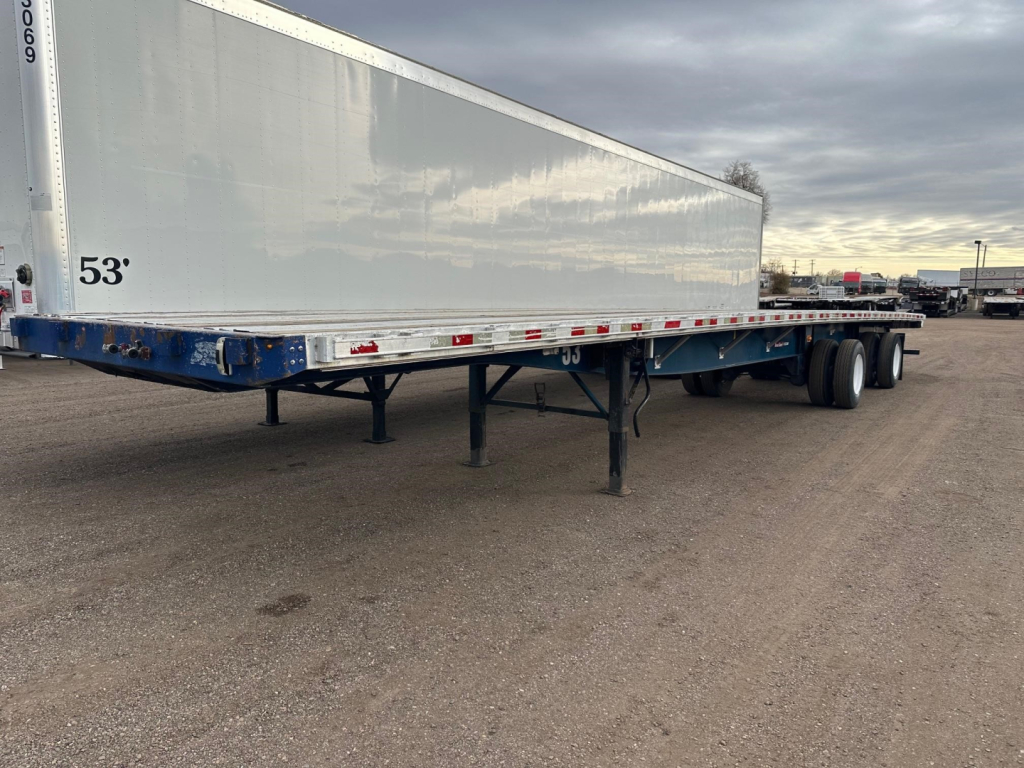
Selling a used flatbed trailer? List your used flatbed trailer for sale and reach thousands of commercial buyers.
Used Flatbed Trailers in Wyoming
Construction details matter more on a used flatbed than the badge on the nose. Buyers should pay close attention to steel versus combo construction, main beam condition, crossmember integrity, and deck type. Steel flatbeds are durable and straightforward to repair, which appeals to fleets that run hard in rough conditions. Combo trailers with steel main beams and aluminum components help reduce tare weight and improve payload. Wood decks remain common because they are practical and forklift-friendly, while aluminum decking can save weight. Stake pockets, rub rails, pipe spools, sliding winches, winch tracks, bulkheads, nail strips, and tool boxes all add day-to-day usability depending on the freight mix.
In Wyoming, wind exposure, winter conditions, and long highway stretches make suspension, tire, and stability choices especially important. Air ride is generally preferred for ride quality and cargo protection, while spring ride still shows up on older and lower-cost used trailers. Spread axle flatbeds can improve stability and weight distribution, but tandem sliders remain versatile for bridge laws, loading dock positioning, and changing load plans. Tire inflation systems, low-profile 22.5 tires, ICC bumpers, and California-legal dimensions may also matter if the trailer will work regional lanes outside Wyoming.
A careful used-trailer inspection should focus on frame straightness, neck and kingpin area fatigue, landing gear operation, suspension wear, brake condition, axle alignment, and signs of deck replacement or patching. Check the rub rail and stake pockets for damage from chains and binders, and inspect the slider assembly if equipped. On extendable flatbeds, verify extension function, locking positions, airline and wiring condition, and any wear in the telescoping sections. The right used flatbed trailer is the one that matches your freight profile, securement method, legal weight targets, and operating terrain without adding unnecessary tare weight or maintenance exposure.
Frequently Asked Questions about Used Flatbed Trailers in Wyoming
What size used flatbed trailer is most common?
The most common used flatbed lengths are 48' and 53', with 102" width being standard in most markets. A 48' flatbed is still popular for general freight and jobsite work, while 53' trailers are often chosen for maximum deck space and broader freight flexibility. Older 45' trailers also remain in service, especially where lower acquisition cost matters more than deck length.
What is the difference between a steel flatbed and a combo flatbed trailer?
A steel flatbed uses more steel in the frame and structure, which generally makes it heavier but rugged and easier to repair after hard use. A combo flatbed typically uses steel main beams with aluminum side rails or other aluminum components to reduce tare weight. Buyers focused on payload often prefer combo construction, while buyers running in severe service may prefer a full steel trailer for durability and lower repair complexity.
Are spread axle flatbeds better than tandem slider flatbeds?
Each setup solves a different problem. Spread axle flatbeds can offer better stability and favorable weight distribution on certain loads, and they are common on 53' trailers. Tandem slider flatbeds are more flexible when bridge law compliance, axle scaling, or loading position changes are part of the job. In mixed freight operations, a tandem slider is often easier to adapt across different lanes and customers.
What should I inspect on a used flatbed trailer before buying?
Start with the frame, main beams, crossmembers, kingpin area, suspension, brakes, and axle alignment. Then inspect the deck for rot, damage, loose fasteners, or signs of uneven replacement. Securement hardware is equally important on a flatbed, so check stake pockets, rub rails, pipe spools, sliding winches, and winch tracks for deformation or cracking. If the trailer has a slider or an extendable frame, confirm that all moving components operate correctly and lock securely.
Is an extendable flatbed trailer a good choice for general freight?
An extendable flatbed is valuable if you regularly haul long material such as pipe, structural steel, or oversized equipment that needs extra deck length. It adds flexibility, but it also adds complexity, tare weight, and additional inspection points. For general building products, machinery, and routine legal loads, a standard fixed-length flatbed is usually simpler to maintain and easier to keep in regular service.