
Used Fruehauf Flatbed Trailers For Sale in Wyoming
Shop used Fruehauf flatbed trailers with specs buyers want, including deck length, axle setup, suspension, securement points, and frame condition.
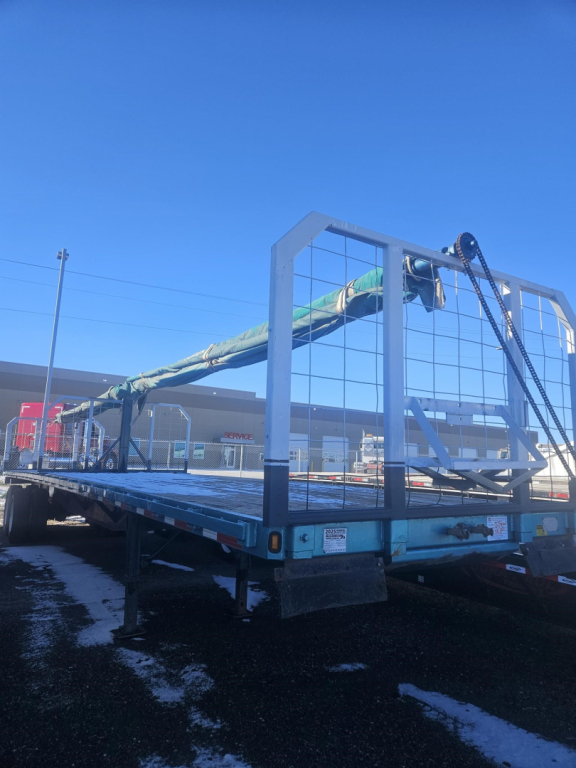
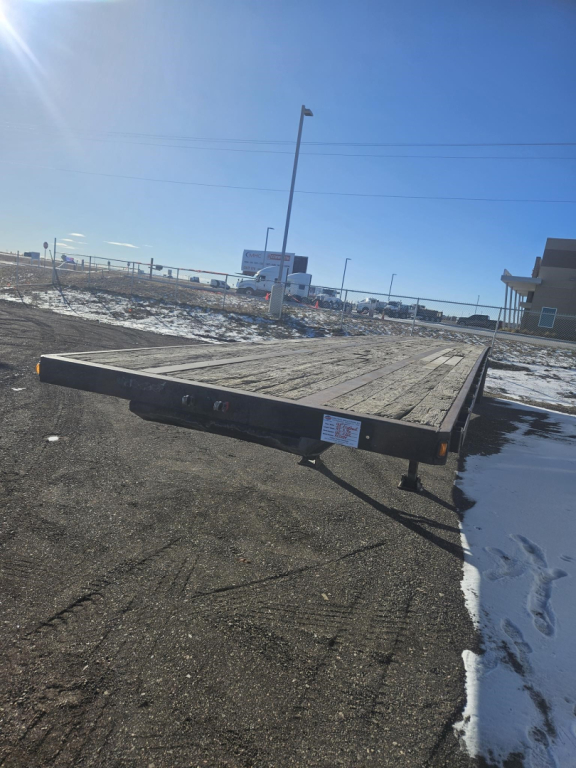
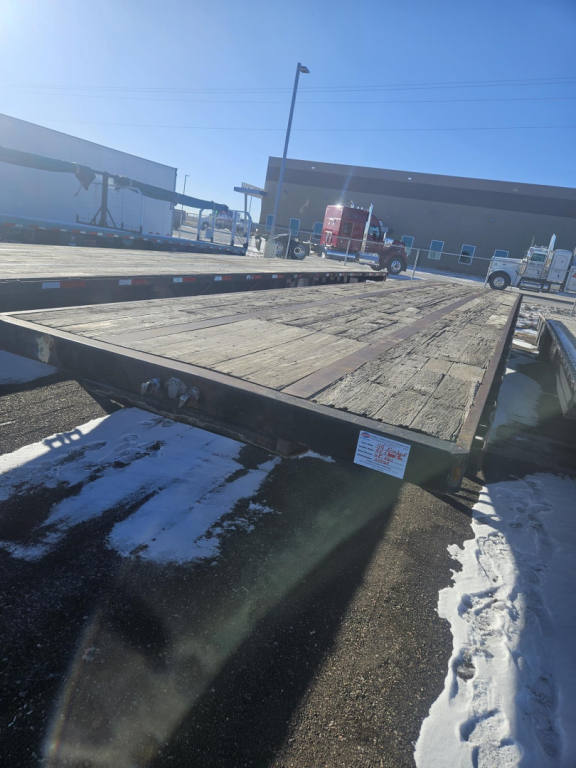
Selling a used fruehauf flatbed trailer? List your used fruehauf flatbed trailer for sale and reach thousands of commercial buyers.
Used Fruehauf Flatbed Trailers in Wyoming
On this trailer class, deck length, width, axle position, and suspension type should drive the buying decision first. Common used specs include 45-foot decks and 96-inch width, though some fleets may prefer 48-foot or 102-inch setups depending on freight profile and route requirements. A wood deck is still popular because it is easy to repair and provides solid traction for many commodities. Closed tandem and sliding tandem configurations both show up in the used market. A slider adds flexibility for bridge laws and weight distribution, while spring ride remains common on older flatbeds because it is durable, simple, and inexpensive to maintain.
Frame condition matters on an older Fruehauf. Buyers should inspect the main beams, crossmembers, rails, and winch track area for corrosion, cracks, previous weld repairs, and signs of overloading. Securement hardware is just as important. Stake pockets, rub rails, pipe spools, chain ties, and deck condition all affect how easily the trailer can handle mixed freight. Wheel type, brake condition, tire wear pattern, and suspension wear can tell you a lot about maintenance history. In Wyoming and other western operating regions, weather exposure, road chemicals, and long-distance hauling can accelerate wear on decks, wiring, air lines, and running gear, so a careful undercarriage inspection is worth the time.
Fruehauf flatbeds appeal to buyers who value a proven trailer design and serviceable construction over newer lightweight features. They are often a fit for local building supply work, regional steel hauling, oilfield support, ranch and ag transport, and general commodity freight where a standard flatbed is the right tool. Also known simply as a flatbed trailer or open-deck trailer, this category rewards buyers who focus on legal payload needs, deck usability, securement options, and structural integrity before anything else.
Frequently Asked Questions about Used Fruehauf Flatbed Trailers in Wyoming
What should I inspect first on a used Fruehauf flatbed trailer?
Start with the structure. Inspect the main beams, crossmembers, outer rails, and upper coupler area for cracks, heavy rust scaling, bent sections, and old repairs. Then check the deck, stake pockets, rub rails, suspension components, brake system, tires, wheels, lights, and air lines. On an older steel flatbed, structural condition and maintenance history matter more than cosmetic appearance.
Is a 45-foot Fruehauf flatbed still useful in today’s market?
Yes, a 45-foot flatbed can still be a workable trailer for many regional and specialized applications, especially for buyers hauling steel, pipe, lumber, machinery, or agricultural materials. The main consideration is matching the trailer length to your freight mix and customer requirements. Some shippers expect 48-foot or 53-foot capacity, but a 45-foot trailer can still perform well where freight dimensions, loading space, and legal weight distribution make it practical.
What are the advantages of a wood deck on a used flatbed trailer?
A wood deck is common on older flatbeds because it offers good traction, is relatively easy to replace in sections, and handles a wide range of cargo types. It also gives buyers a straightforward way to evaluate wear. Look for rot, broken boards, soft spots, exposed fasteners, and uneven repairs. Deck condition affects both cargo securement and forklift loading.
How important is a sliding tandem on a used flatbed?
A sliding tandem can be very valuable because it helps adjust axle weight distribution and bridge compliance across different loads and states. That flexibility can make the trailer easier to dispatch across varied freight. If a used Fruehauf has a slider, inspect the rail, locking pins, bushings, and signs of seized or damaged components. A fixed or closed tandem may be simpler, but it offers less adjustment when load placement changes.
Are older Fruehauf flatbeds a good fit for Wyoming operations?
They can be, provided the trailer has been maintained for western conditions. Wyoming service often means wind exposure, temperature swings, rough secondary roads, and long hauls between stops. Buyers should pay close attention to suspension wear, brake response, tire condition, wiring protection, and corrosion on the frame and running gear. A sound steel-frame flatbed with solid securement points can be a dependable option for construction, energy, agriculture, and general freight in the region.