
Used Trailers For Sale in California
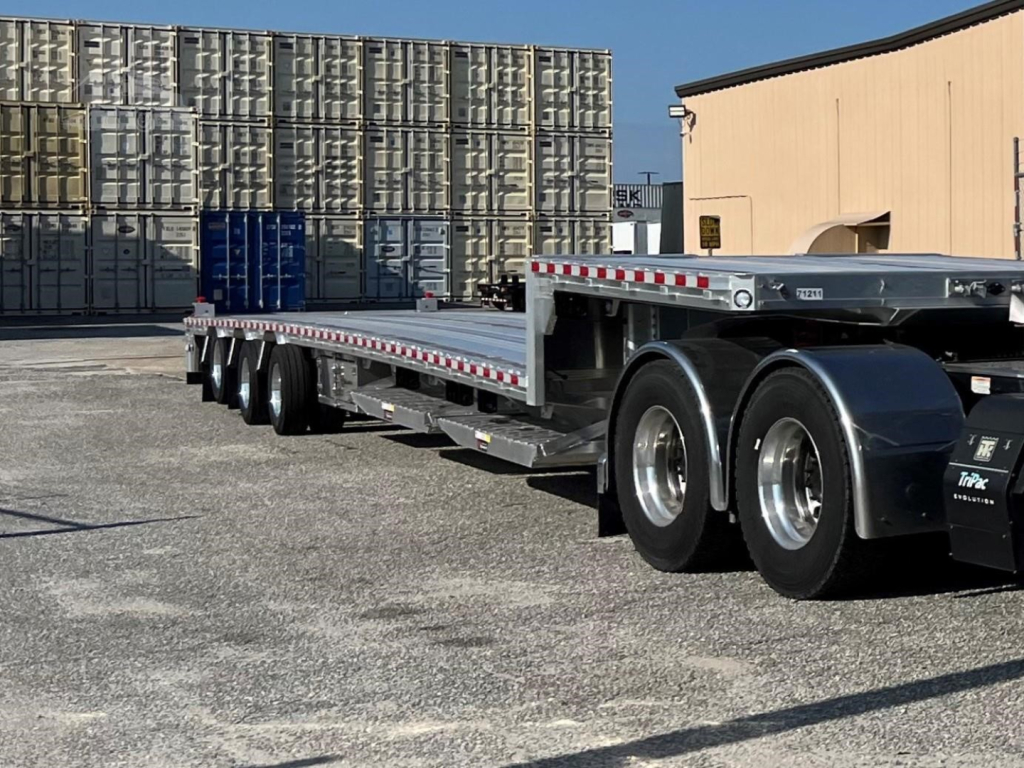
Browse used trailers for sale in California, including reefer, tanker, and specialty trailers with specs that matter for freight, compliance, and ROI.

Selling a used trailer? List your used trailer for sale and reach thousands of commercial buyers.
Used Trailers in California
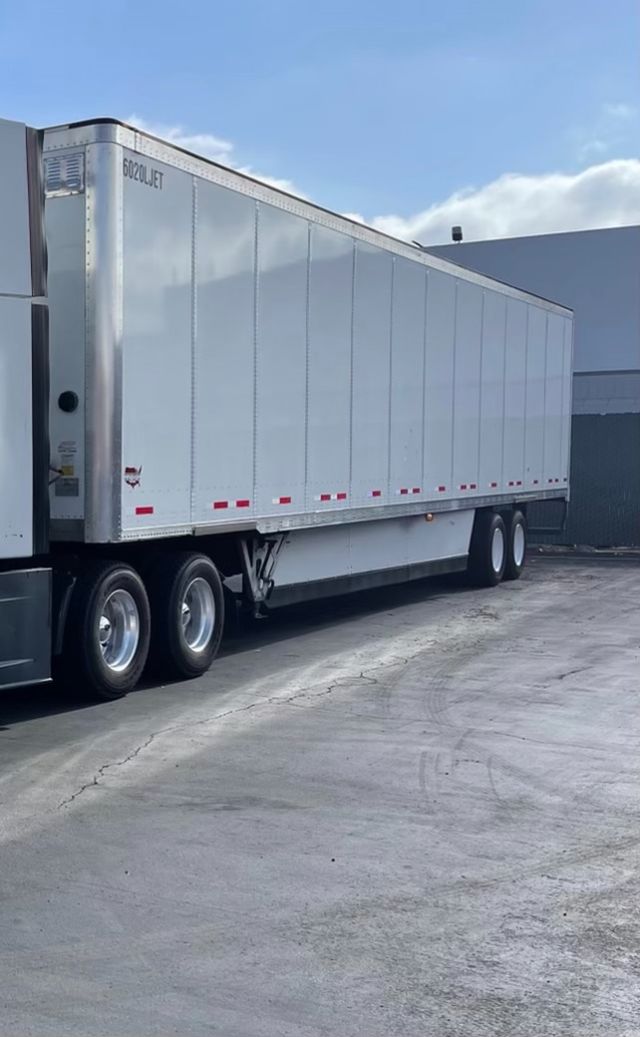
For van and reefer buyers, the most important specs usually come down to length, width, interior condition, floor type, suspension, and rear door configuration. The standard 53-foot by 102-inch trailer is common for highway freight, with air ride suspension and sliding tandems still preferred for dock service and load flexibility. On used reefers, buyers should look closely at the refrigeration unit hours, maintenance records, evaporator condition, duct floor or flat floor wear, door seals, scuff liners, E-track, and any side skirt or tire inflation system already installed. Roll-up doors can help in multi-stop delivery, while swing doors often provide a tighter seal and simpler long-term service. Stainless rear frames, front radius panels, and aluminum construction matter because corrosion resistance and tare weight both affect long-term operating cost.
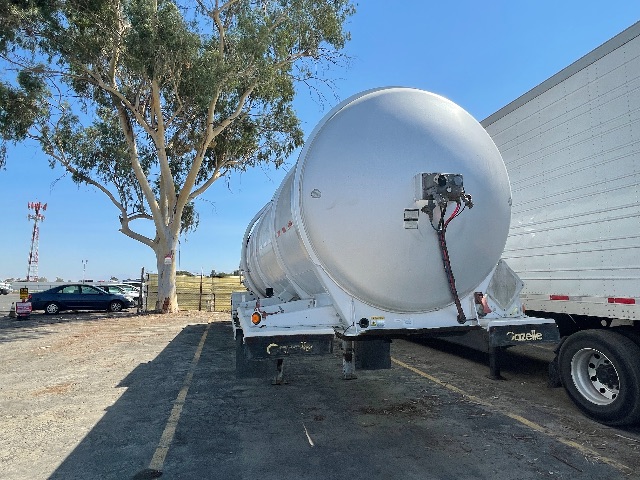
Tank trailers require a different evaluation. Crude oil, fuel, and other liquid service trailers need the right compartment setup, shell material, valve layout, hose tray arrangement, and suspension for the commodity being hauled. Aluminum tankers are common where lower empty weight matters, and compartment count is critical for multi-product fuel delivery. A used fuel or crude oil trailer in California should be reviewed for current inspections, barrel integrity, vapor recovery compatibility where applicable, brake condition, and the status of all transfer components before it goes to work. Buyers should also confirm DOT specification, prior product history, and cleaning requirements, especially if the trailer may change service.
The best used trailer is not just the cheapest one on the page. It is the one with the right body type, legal capacity, service history, and remaining life in the tires, brakes, suspension, floor, and structure. Crossmembers, kingpin area condition, subframe cracks, tandem slide wear, roof damage, lining condition, and door frame integrity all deserve a close inspection. California fleets often put extra value on trailers that are already set up for high-mileage regional work, food-grade hauling, or petroleum distribution because downtime and compliance costs add up quickly. When comparing listings, focus on freight compatibility first, then weigh maintenance exposure, resale value, and how easily the trailer will integrate into your current operation.
Frequently Asked Questions about Used Trailers in California
What should I inspect first on a used trailer in California?
Start with the frame, suspension, axles, brakes, tires, wheels, floor, roof, and kingpin area. Those items tell you the most about structural condition and near-term repair cost. In California, it is also smart to verify registration history, axle configuration, and any equipment factors that affect legal operation on local routes, port work, or temperature-controlled freight lanes.
Are 53-foot reefer trailers the most common used trailer option?
For many highway freight operations, yes. A 53-foot reefer trailer with 102-inch width, air ride suspension, and sliding tandems is one of the most common configurations because it fits mainstream grocery, produce, and cold-chain freight. Buyers should still compare unit hours, floor condition, door seal integrity, reefer brand support, and insulation performance before choosing between similar listings.
What matters most when buying a used tanker trailer?
Commodity compatibility matters most. You need the right trailer specification for crude oil, gasoline, diesel, or other liquid products, along with the proper number of compartments, shell material, valves, and transfer equipment. Inspection status, barrel condition, suspension type, and documentation are just as important as price because a tanker that does not match the intended service can create compliance and safety problems quickly.
Is aluminum better than steel on a used trailer?
It depends on the application, but aluminum is often preferred when tare weight and corrosion resistance are priorities. That is why it is common on reefers and tank trailers. Steel can still be the better choice in high-abuse applications where repairability and upfront cost matter more. The decision should be based on payload targets, operating environment, and total maintenance exposure rather than material alone.
How important are features like tire inflation systems, side skirts, and E-track on a used trailer?
They can add real value if they match your operation. Tire inflation systems help reduce irregular wear and roadside downtime. Side skirts can improve fuel economy on highway lanes. E-track improves load securement flexibility in van and reefer service. These features should be treated as useful upgrades, but they do not replace the need for a sound frame, solid running gear, and a trailer body that is still structurally tight.