
Used Van Trailers For Sale in California
Browse used van trailers for sale in California. Compare 53-foot dry vans with air ride, swing or roll-up doors, e-track, and sliding tandems.
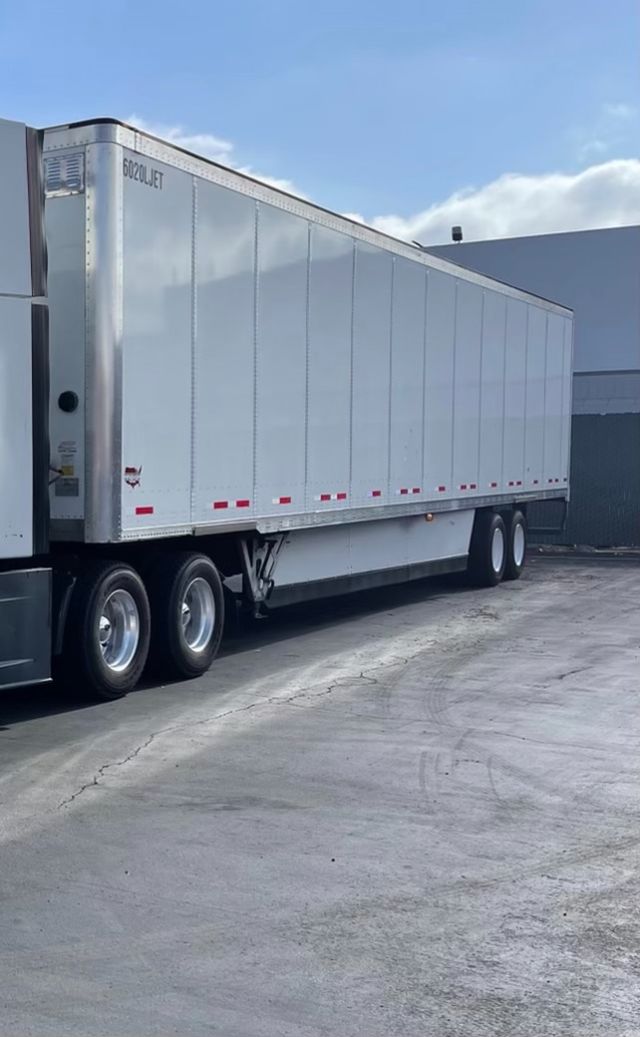

Have used van trailer to sell? List it here to reach thousands of buyers.
Used Van Trailers in California
Spec choices matter because dry vans are often assigned to mixed freight. A wood floor is still common and works well for forklifts and palletized cargo, but floor thickness, patch history, and moisture damage deserve a close look. Plywood liners, scuff plates, and e-track are valuable when the trailer will handle LTL, retail, or cargo that needs load securement flexibility. Rear door style also affects use case. Swing doors are simple and durable for dock work, while roll-up doors can be useful in tight urban delivery environments, though they reduce some rear opening height and add maintenance points. Front and rear vents, galvanized rear structures, undertray systems, and tire inflation systems are all features that can improve long-term serviceability and operating efficiency.
Suspension and axle setup have a direct effect on ride quality, cargo protection, and fleet compatibility. Air ride is preferred for many higher-value or fragile loads because it helps reduce vibration and shock, while spring suspension can still be a practical choice for tougher freight and lower acquisition cost. Sliding tandems are especially important for California operations because bridge law compliance, axle spread, and dock maneuvering can all come into play depending on route and customer requirements. It is also worth checking brake type, wheel material, and tire condition, along with kingpin wear and tandem slide operation, since these items affect both safety and downtime.
For a used van trailer, age matters less than maintenance history and prior application. A well-kept 2015 dry van may be a better buy than a newer trailer with heavy forklift damage or neglected running gear. Look closely at roof bows, crossmembers, side posts, door seals, and signs of water intrusion inside the body. In California, buyers often prioritize clean DOT condition, durable interiors, and specs suited for distribution, port-related freight, retail replenishment, and warehouse-to-warehouse lanes. The right used van trailer is the one that matches your freight profile, loading method, and compliance needs without requiring immediate structural or running gear work.
Frequently Asked Questions about Used Van Trailers in California
What is the most common size for a used van trailer?
The most common used van trailer size is 53 feet long and 102 inches wide. That configuration dominates general freight, retail distribution, and warehouse freight because it offers strong cubic capacity and broad compatibility with standard dock operations. Interior height varies by build, so buyers should confirm inside clearance if they haul taller pallet stacks or need maximum cube.
Should I choose air ride or spring suspension on a dry van trailer?
Air ride is usually the better choice for shippers moving sensitive, high-value, or damage-prone freight because it helps reduce road shock and vibration. Spring suspension can still be a solid option for general commodity freight and may come with a lower purchase price and simpler maintenance. The right choice depends on cargo type, lane conditions, and how closely the trailer needs to match the rest of the fleet.
What should I inspect first on a used van trailer?
Start with the floor, roof, rear frame, and running gear. Floor damage from forklifts, patched crossmembers, leaking roofs, worn tandem components, and rear impact damage are some of the costliest issues on a used dry van. Buyers should also inspect door seals, kingpin wear, brake condition, tire age, and the operation of the tandem slide before putting a trailer into regular service.
Are swing doors or roll-up doors better on a van trailer?
Swing doors are generally preferred for full dock loading because they provide a full rear opening and tend to be simpler to maintain. Roll-up doors are useful for frequent stop work and tight delivery areas where door swing clearance is limited. The tradeoff is that roll-up doors add moving parts and can reduce usable rear opening height, which matters for some forklift and pallet applications.
Why is a sliding tandem important on a used California dry van?
A sliding tandem gives the trailer more flexibility for axle weight distribution, bridge law compliance, and maneuvering in different loading environments. In California, that matters because route restrictions, shipper requirements, and local operating conditions can make axle placement a practical issue. A tandem slider that moves freely and locks correctly is an important part of trailer usability and compliance.