
Used 2024 Trailers For Sale in Texas
Browse used 2024 trailers for sale in Texas, including dry vans, dump, drop deck, and specialty trailers built for regional or long-haul work.
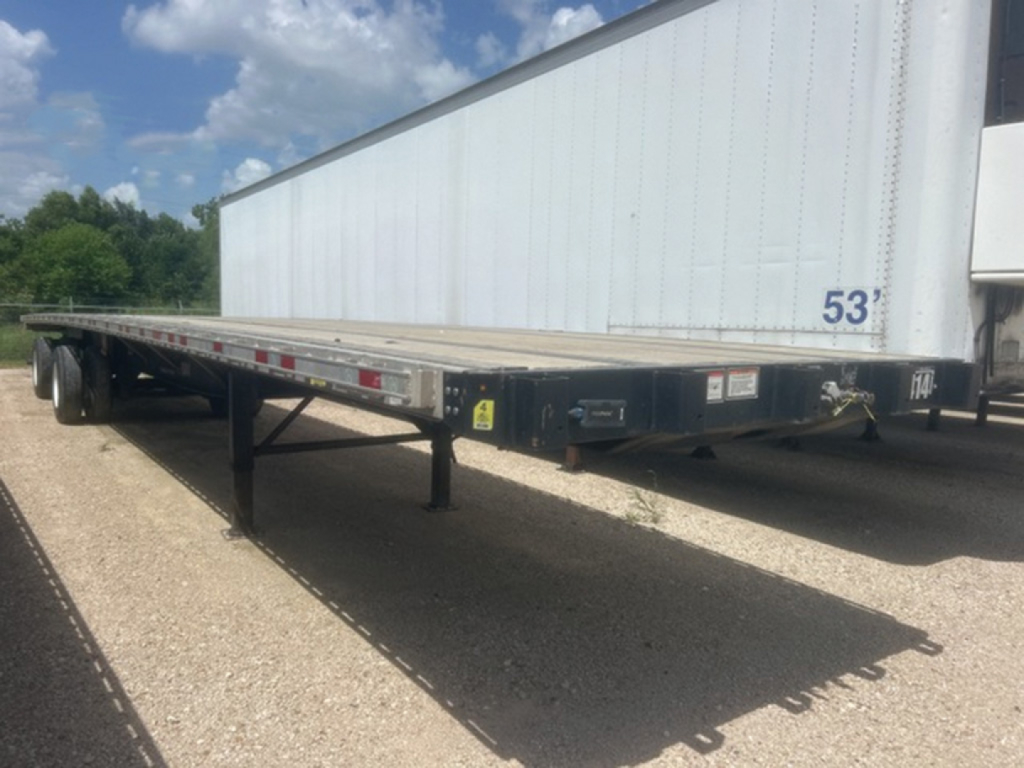
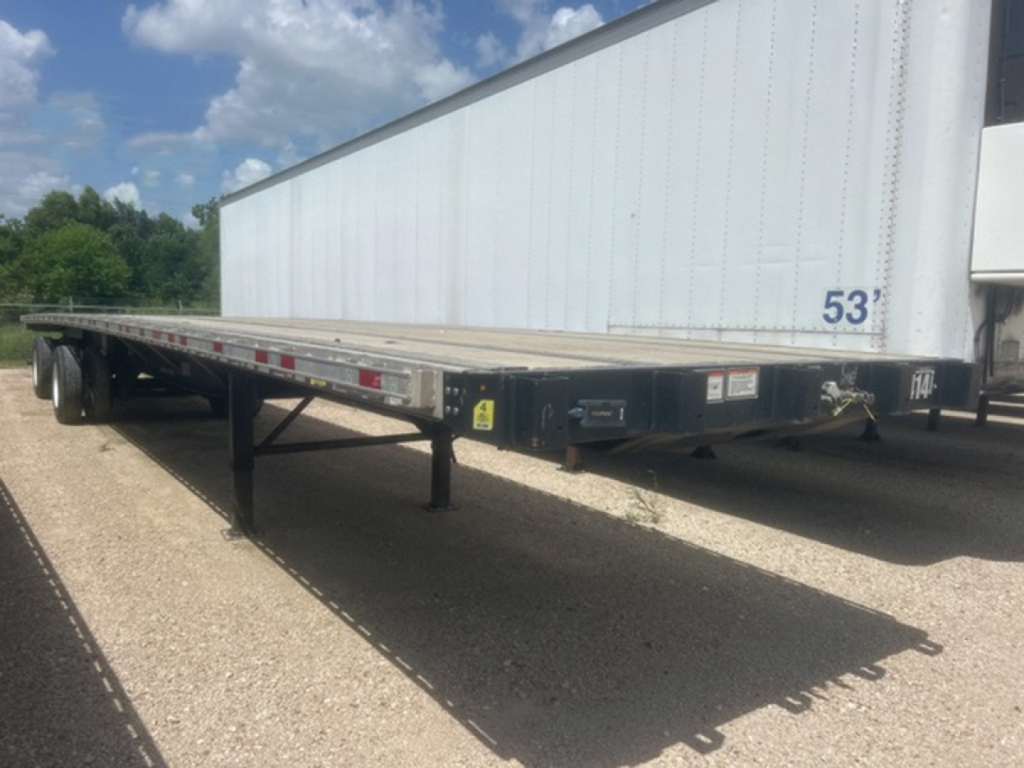
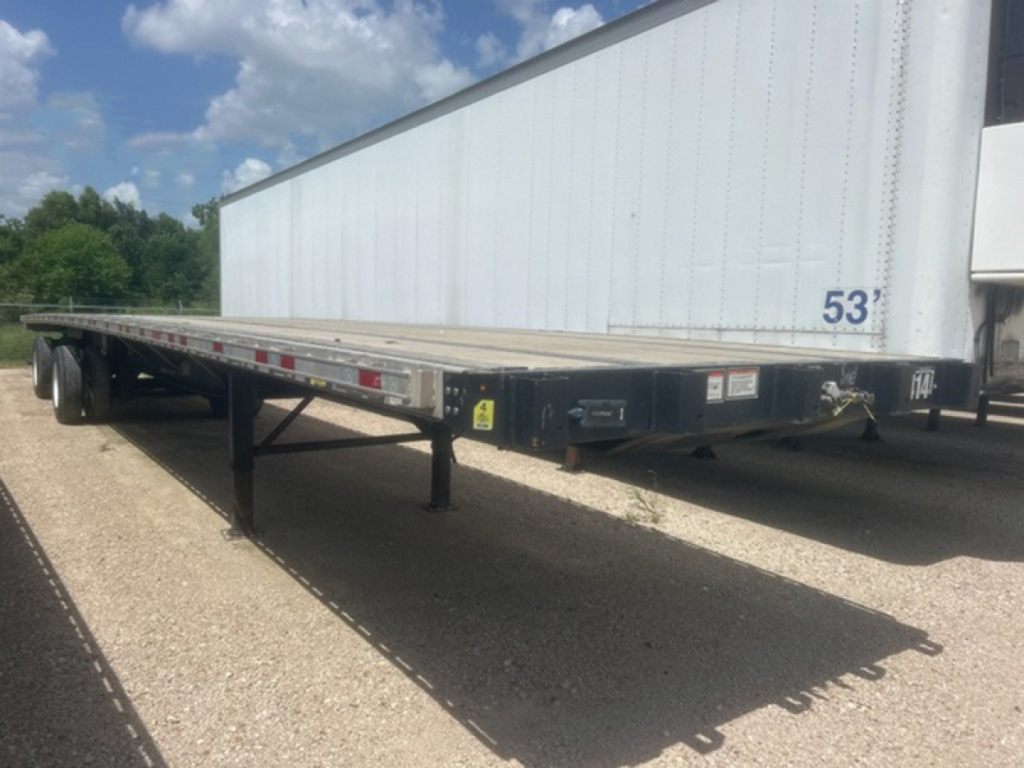
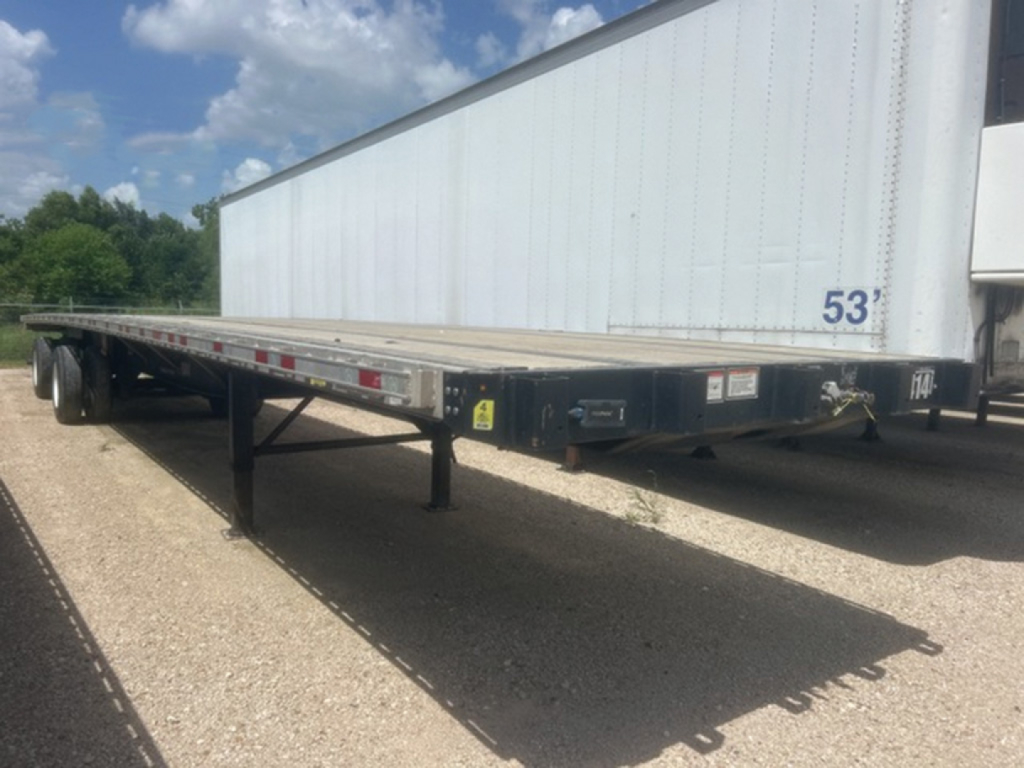
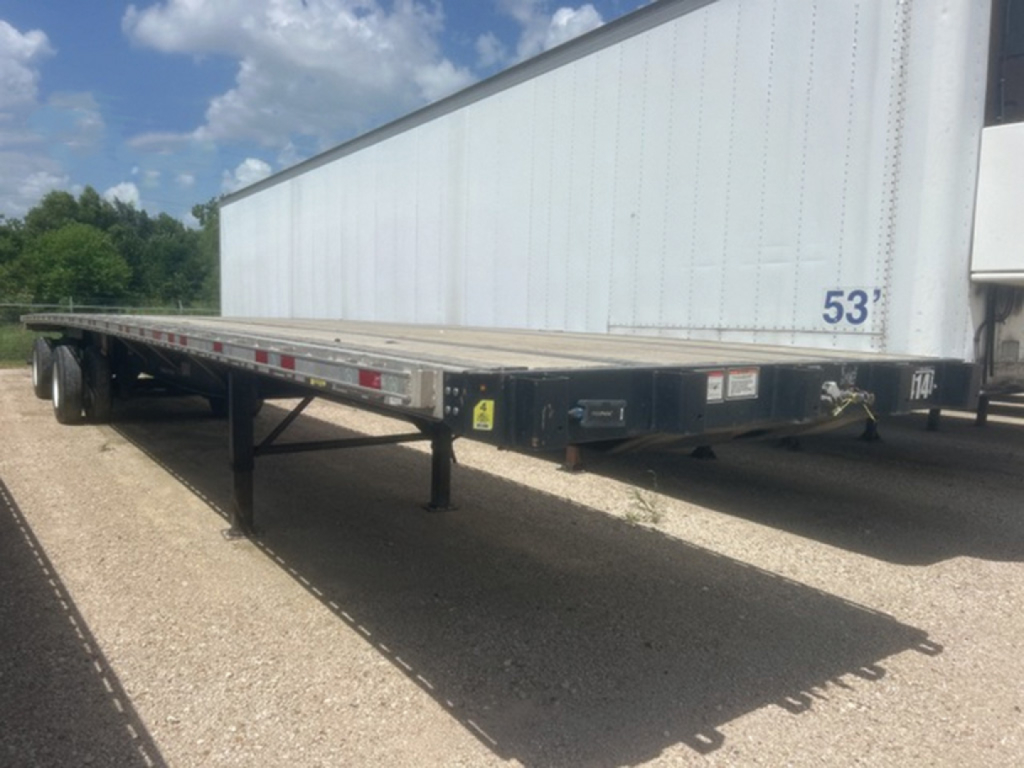
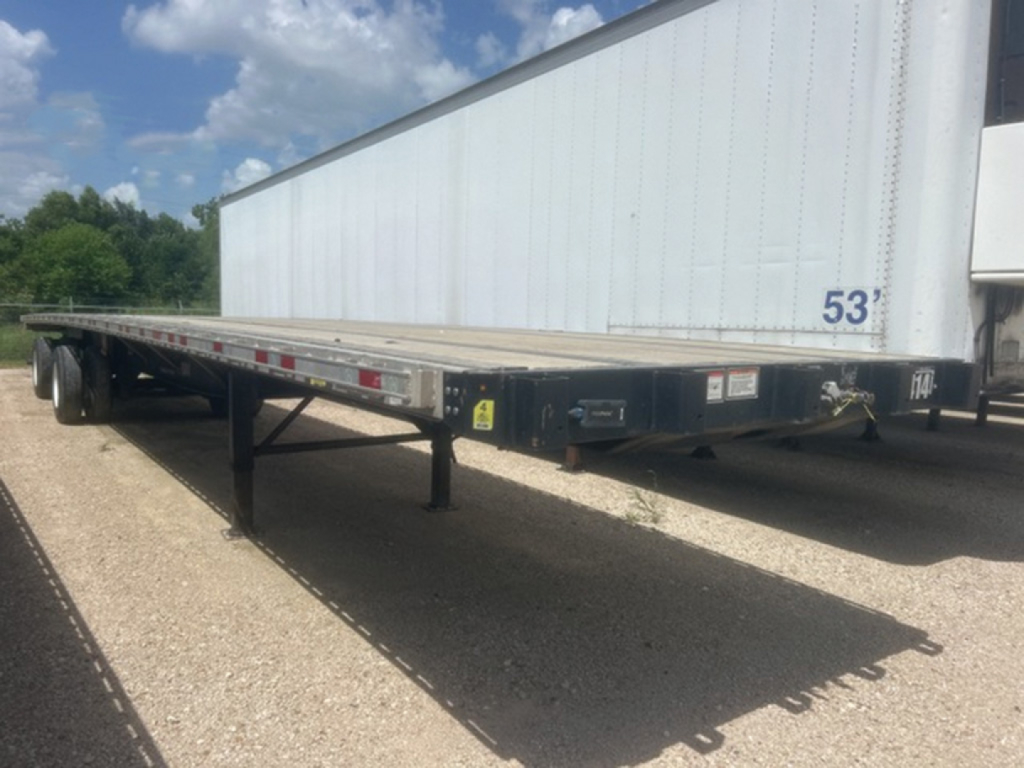
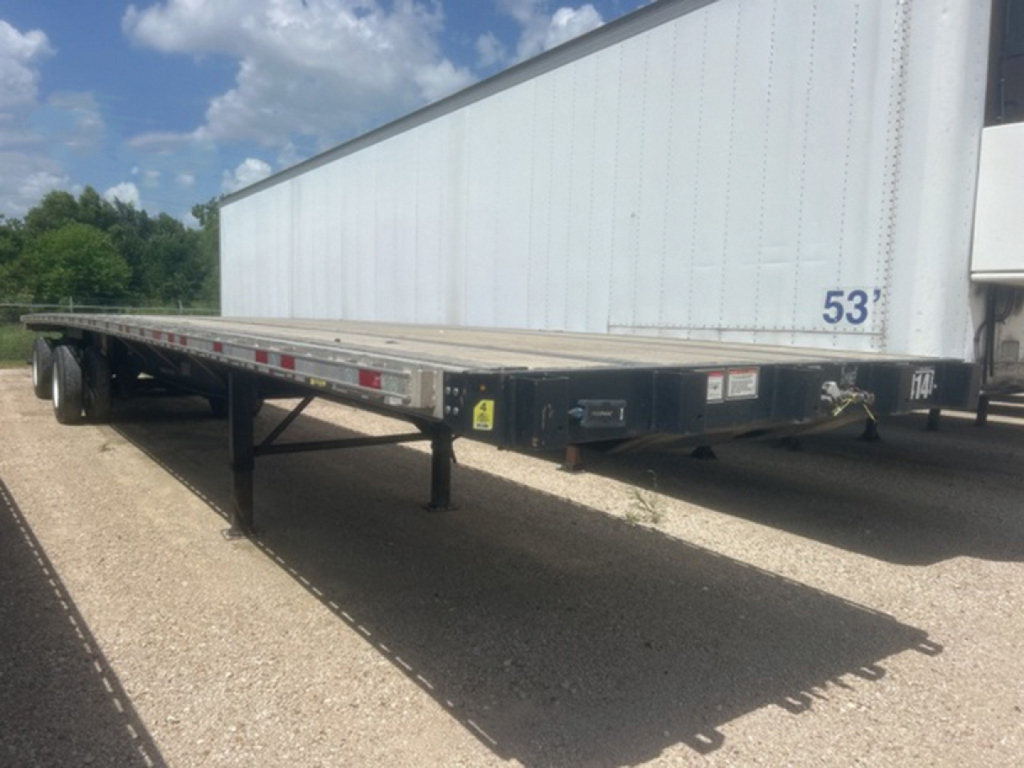
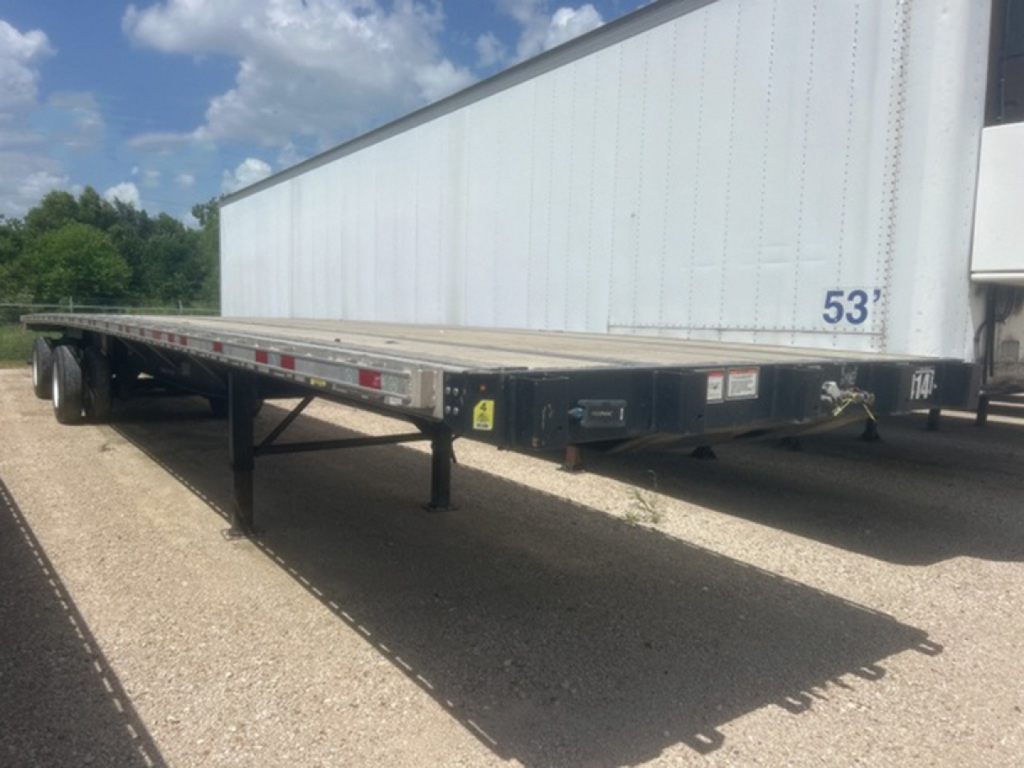
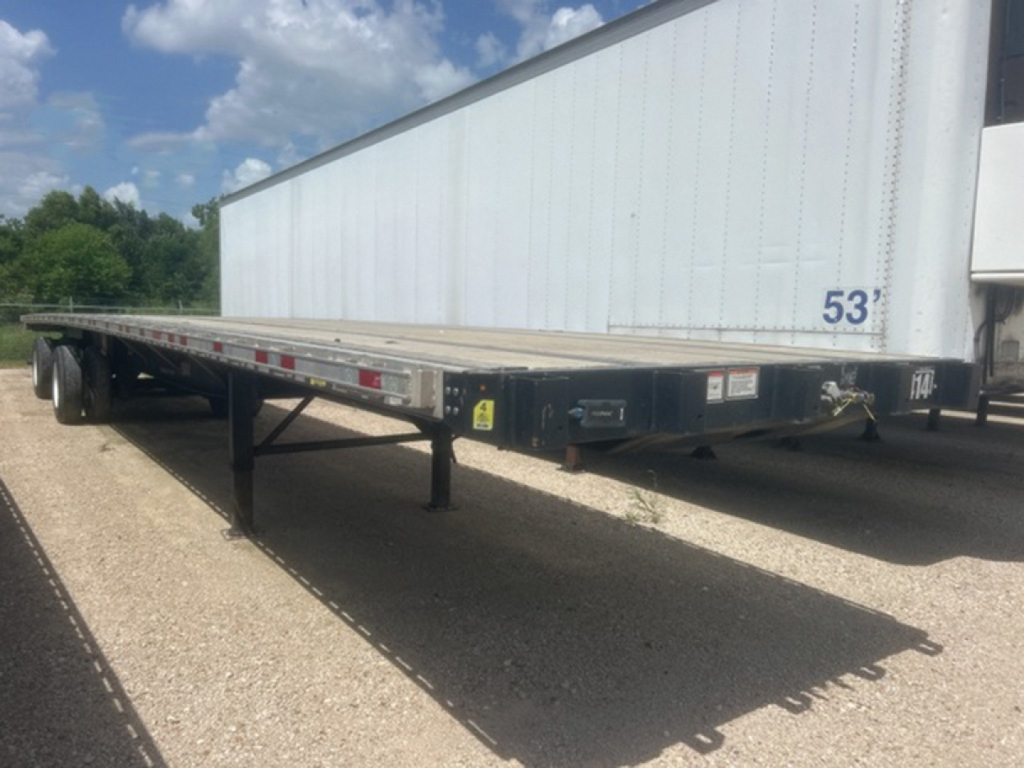
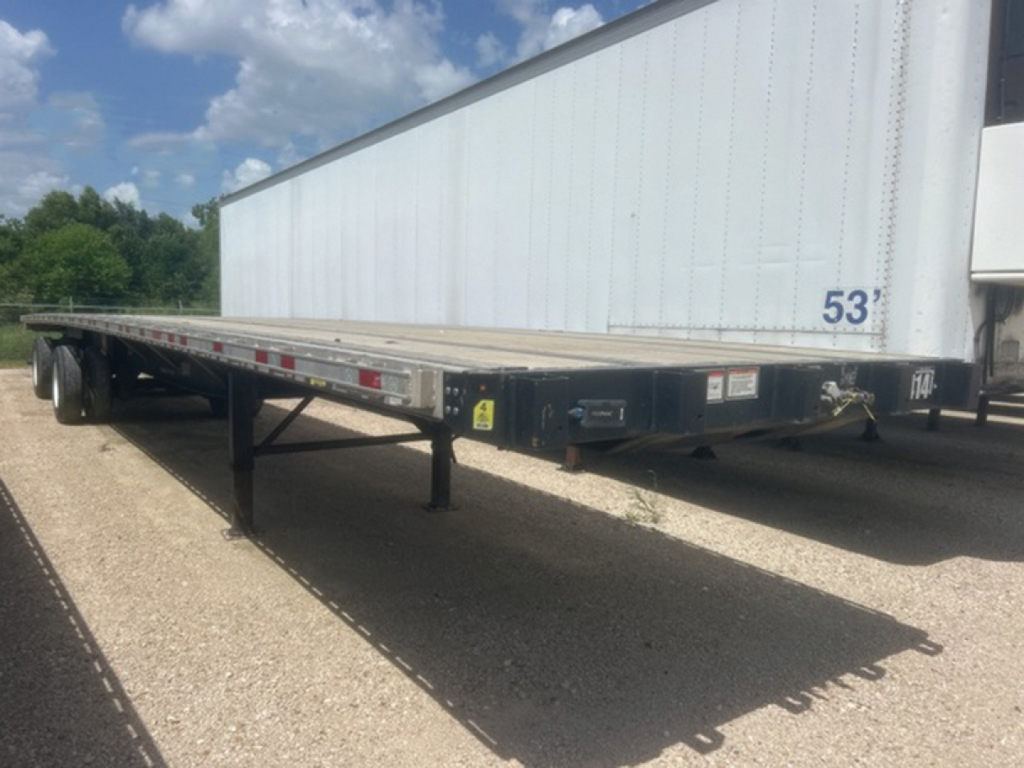
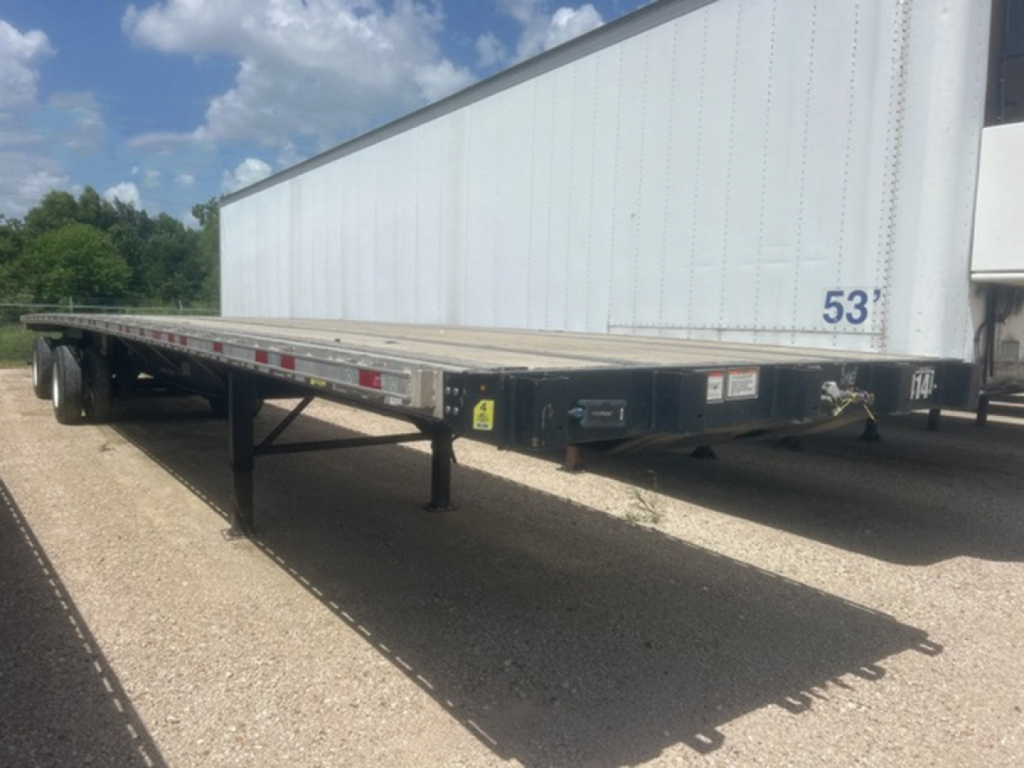
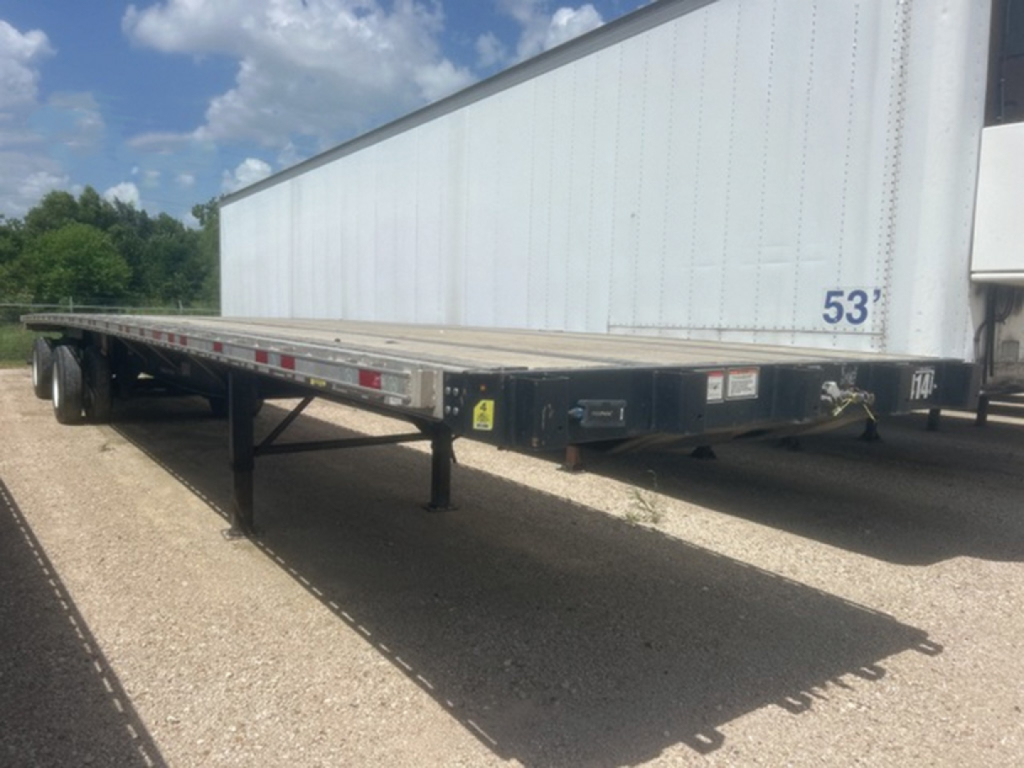
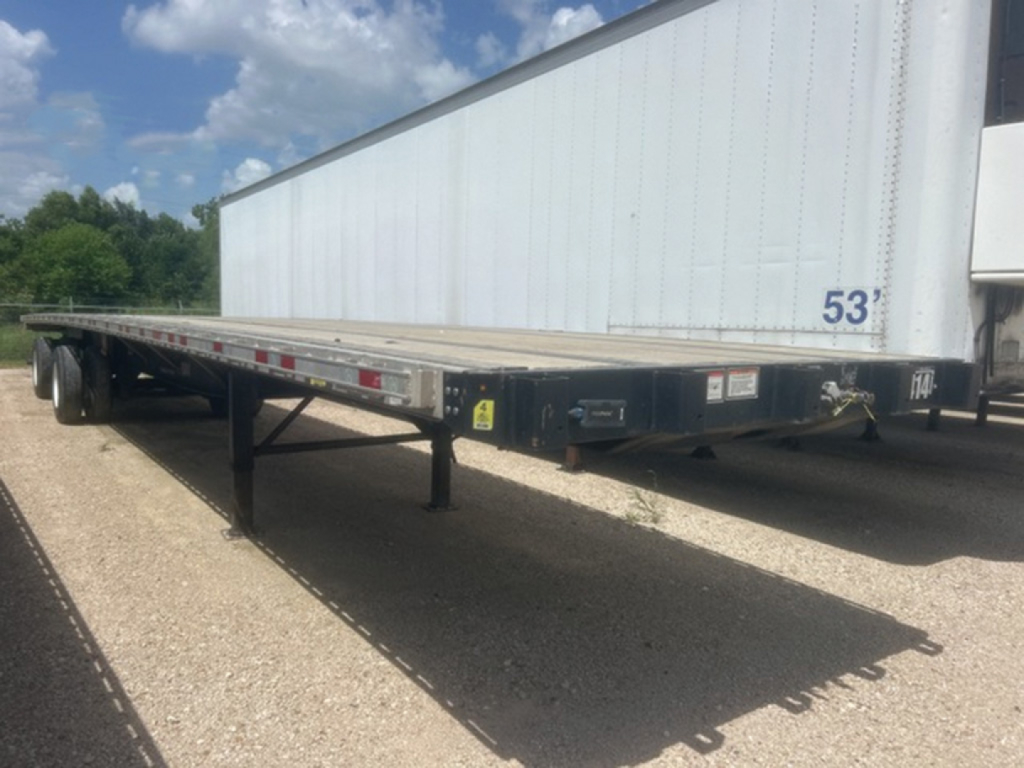
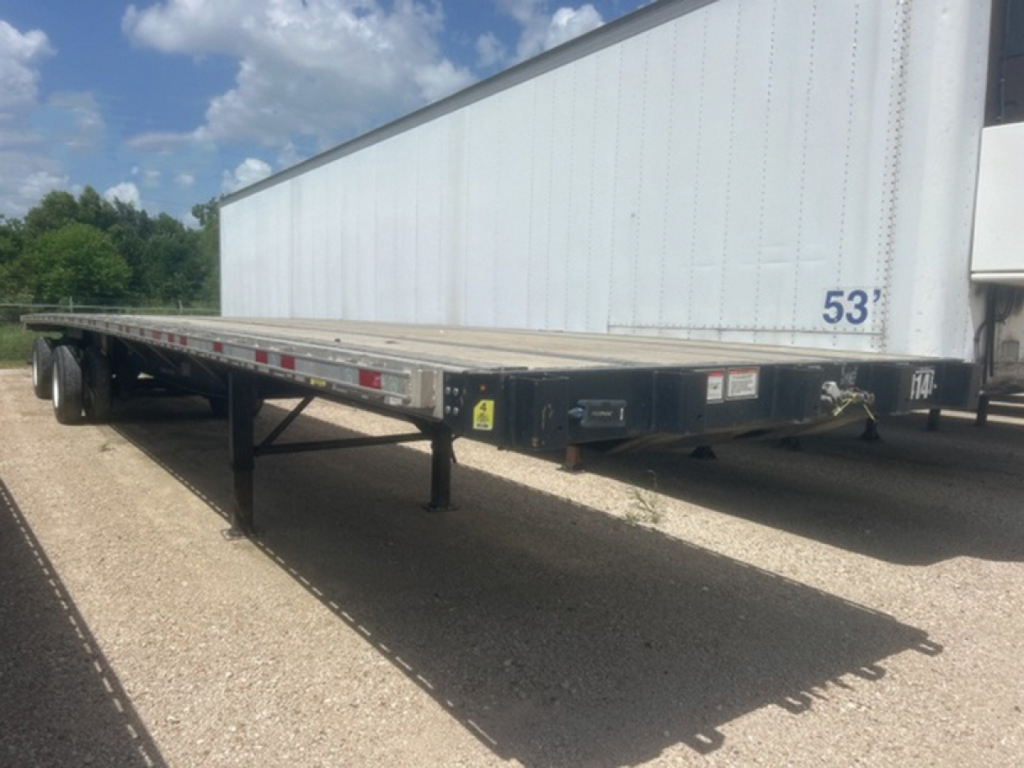
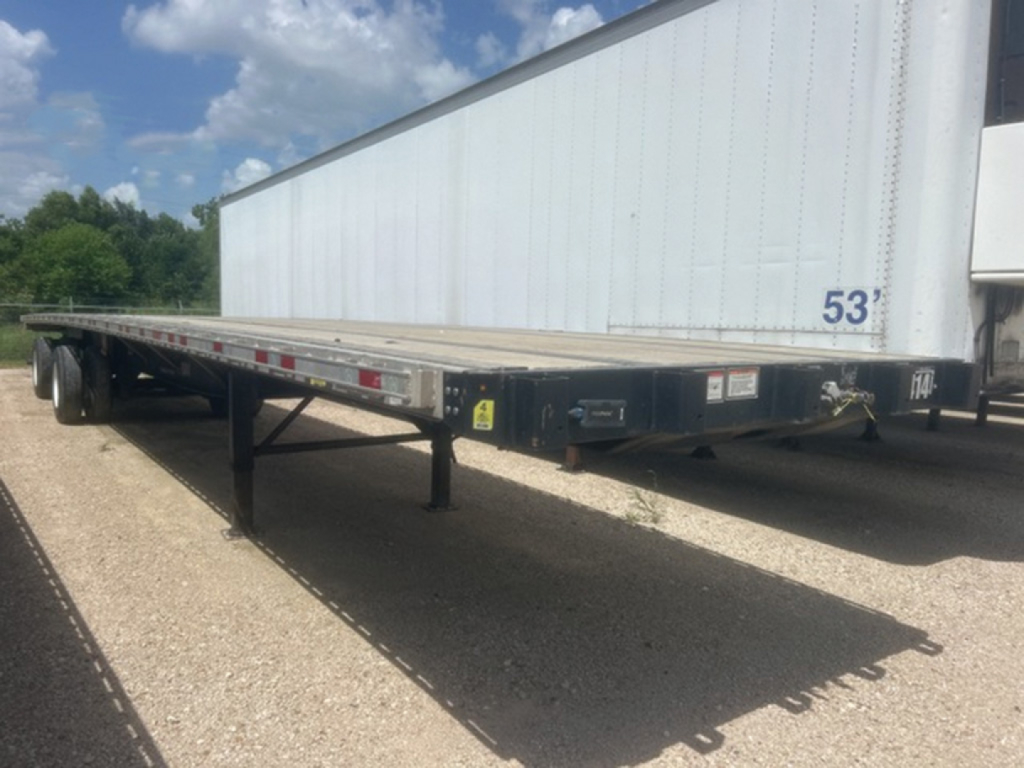
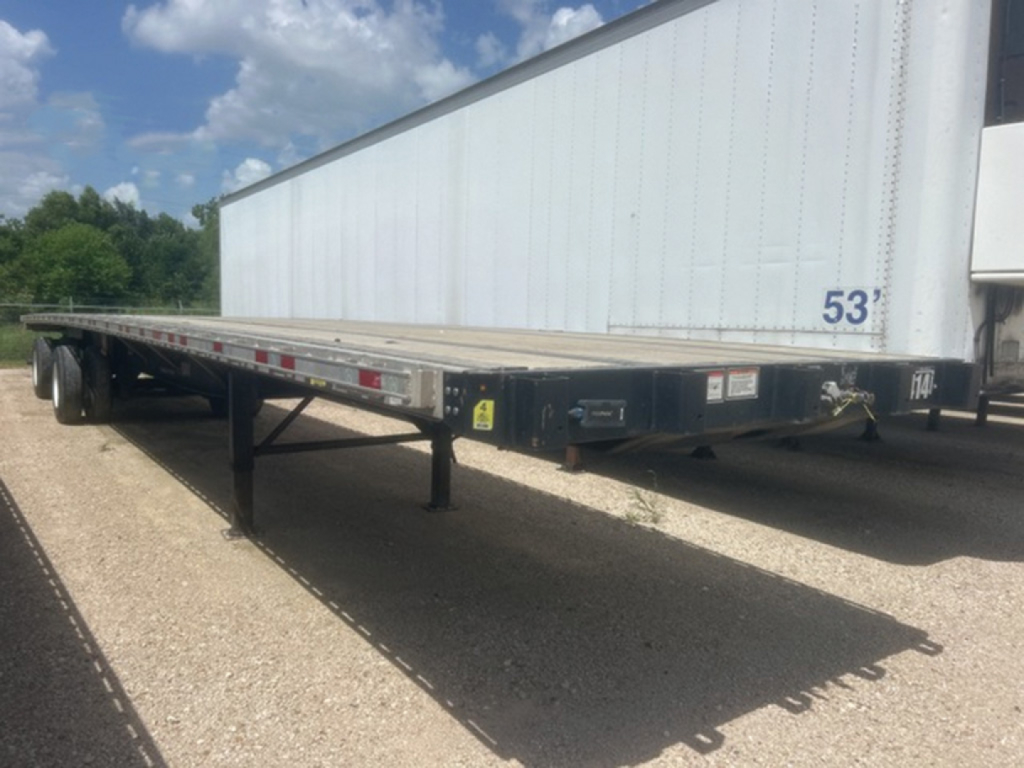
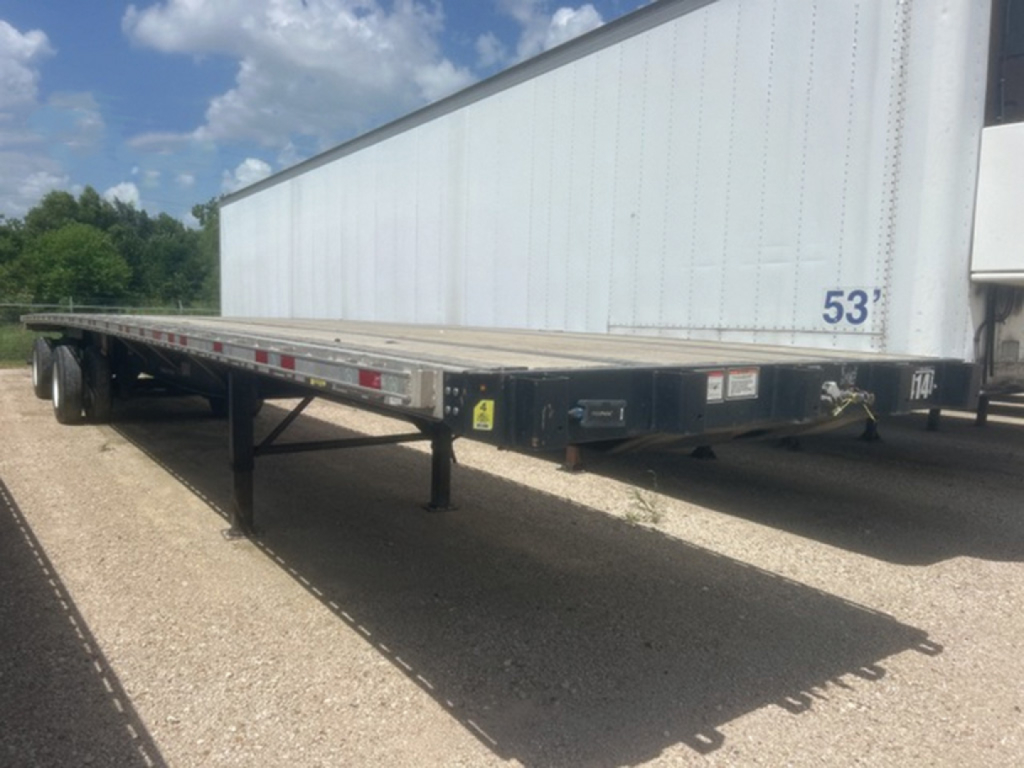
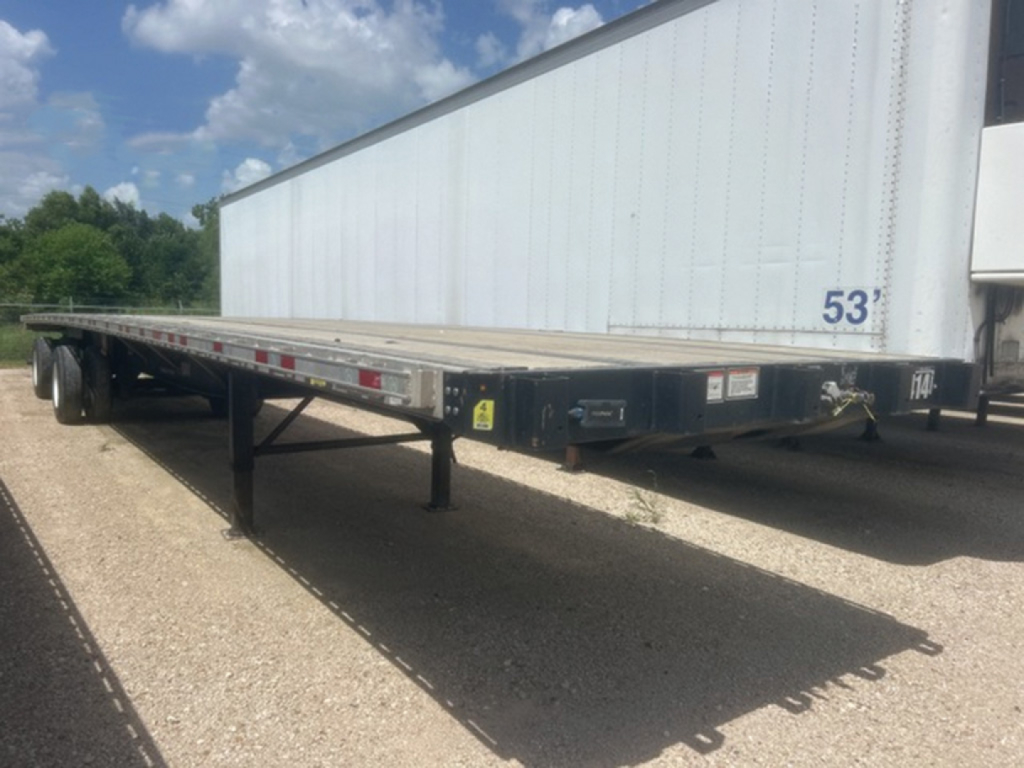
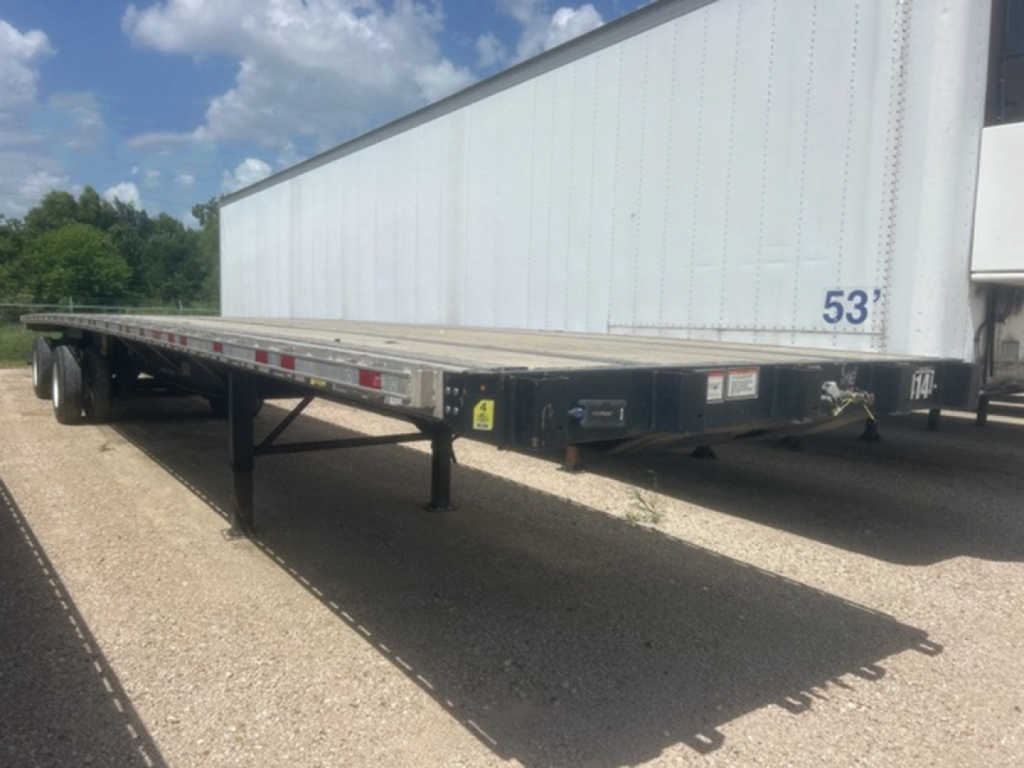
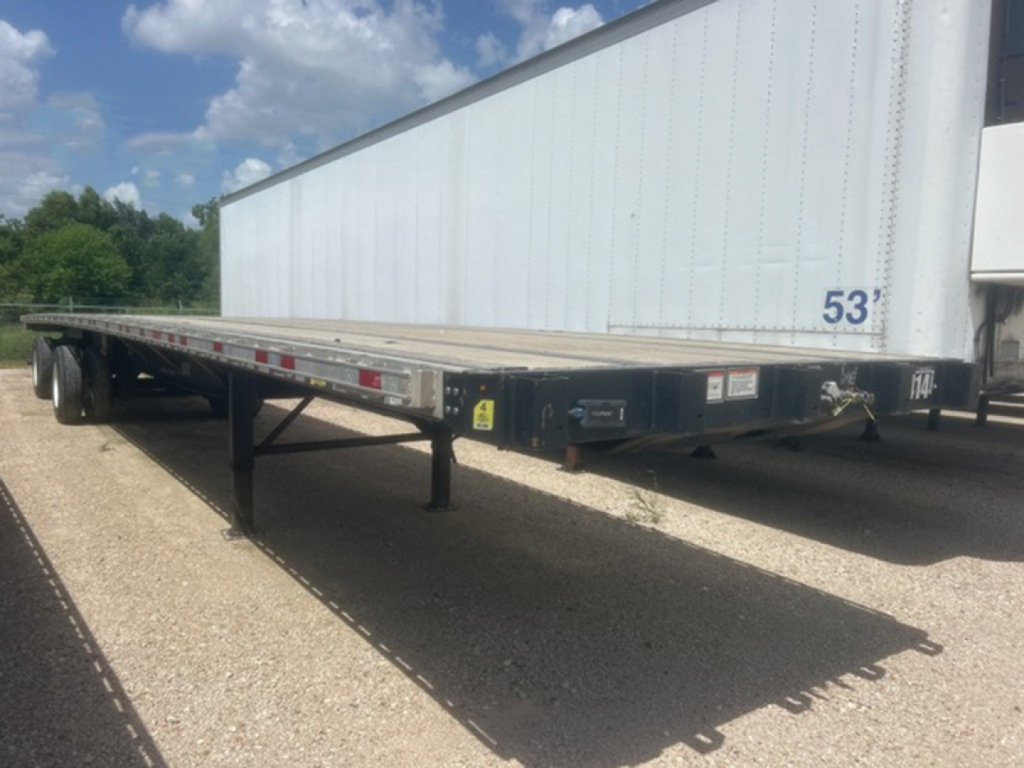
Have used 2024 trailer to sell? List it here to reach thousands of buyers.
Used 2024 Trailers in Texas
For van trailers, the important details are body condition, floor life, roof integrity, door type, and suspension spec. A 53x102 dry van or cargo van may be equipped with swing doors or roll-up doors, logistic posts, side skirts, and air ride suspension. Buyers should look closely at crossmembers, rear frame, thresholds, scuff liners, and signs of forklift damage in the floor. For Texas operations that run heavy heat and long miles, tire condition, brake wear, wheel-end service history, and alignment matter just as much as the box itself. If the trailer will stay in a dedicated fleet, it is also smart to confirm tire size standardization, hub-piloted wheel specs, and parts compatibility with the rest of the operation.
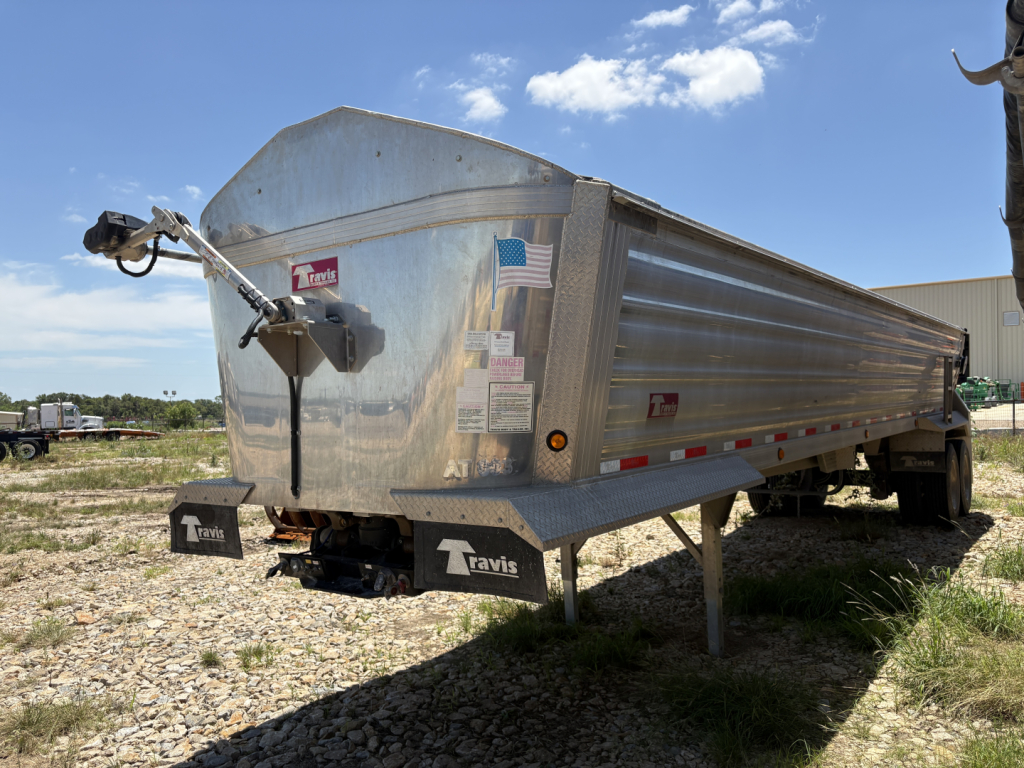
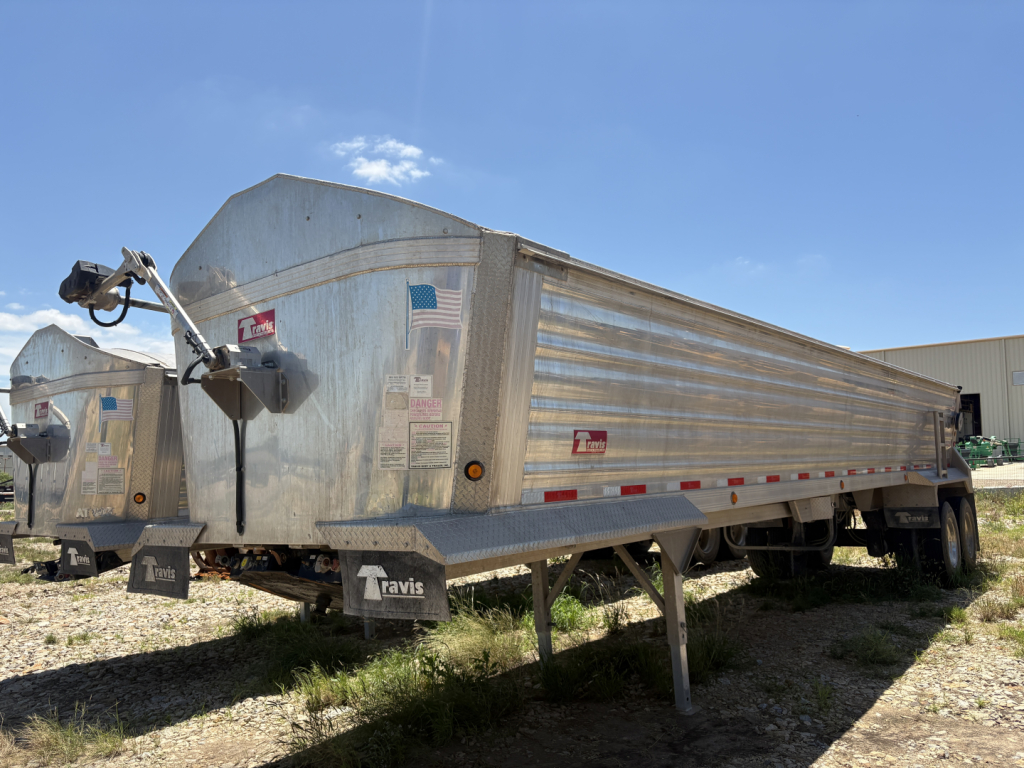
For dump and drop deck trailers, frame design and payload goals drive the decision. Frameless half-round dumps are common where lighter weight and fast material shedding matter, while drop decks and low-profile designs are chosen for taller freight, machinery, and heavy-haul support. On these trailers, buyers should pay attention to deck height, neck design, axle spread, suspension type, tarp system, gate configuration, and tire inflation systems if equipped. A late-model used trailer may also have axle control, load levelers, pressure gauges, ramp mounts, or lift-gate related electrical connections depending on application. In Texas, bridge law compliance, route flexibility, and the ability to handle rough jobsite conditions should all factor into the purchase.
A used 2024 trailer should be evaluated like an income-producing asset, not just a late-model unit. Check VIN and title status, inspection records, brake and tire percentages, lining thickness, bushing wear, air leaks, ABS function, and any signs of frame repair or uneven loading. Buyers running over-the-road should compare tare weight against payload needs, while regional and vocational users may prioritize durability, gate operation, and ease of loading. The best trailer in this category is the one that matches the freight, axle laws, and maintenance standards of the fleet, with enough remaining service life to hold down cost per mile or cost per load.
Frequently Asked Questions about Used 2024 Trailers in Texas
What should I look for when buying a used 2024 trailer in Texas?
Start with the trailer’s intended application, then inspect the structure and running gear. Buyers should verify frame condition, suspension type, brake life, tire wear, wheel-end condition, ABS operation, and any damage to floors, roofs, doors, gates, or decks. In Texas, it is also important to consider heat-related tire wear, long-haul mileage, and whether the trailer’s dimensions and axle configuration fit the routes and payloads it will actually run.
Is a used 2024 trailer a good value compared with a new trailer?
A used 2024 trailer can be a strong value if it has been maintained correctly and matches the job. It often delivers late-model features, current safety equipment, and lower acquisition cost than a new trailer. The key is to compare purchase price against remaining tire, brake, and structural life, because a low-hour or lightly used trailer can reduce reconditioning expense and go to work faster.
What trailer types are common in the used 2024 market?
Common types include dry vans, cargo vans, dump trailers, drop decks, step decks, and specialty vocational trailers. Each type is built around a different freight profile. Dry vans focus on cube and weather protection, dump trailers are built for aggregate or bulk material, and drop decks are used where lower deck height is needed for taller freight or equipment.
Which specs matter most on a late-model used trailer?
The most important specs depend on the category, but buyers usually focus on overall length and width, suspension, axle setup, tire size, brake condition, floor rating, tare weight, and body construction. On dump trailers, gate style, tarp system, and tub design matter. On drop decks, deck height, upper deck length, and load securement points matter. On van trailers, door configuration, scuff liners, roof condition, and floor wear are often the deciding details.
How do I know if a used 2024 trailer will fit my operation?
Match the trailer to the freight first, then to the fleet. Confirm that the trailer’s tare weight, dimensions, kingpin setting, axle spread, and loading features work with your tractors, shippers, and legal routes. Fleets should also check maintenance compatibility, including brake components, suspension parts, wheel specs, and tire programs, because standardization can reduce downtime and parts cost across the operation.