
Used 2021 Trailers For Sale
Shop used 2021 trailers for sale, including dry vans and other common trailer types, with specs, applications, and buyer-focused guidance.
Learn morePopular Trailers Categories
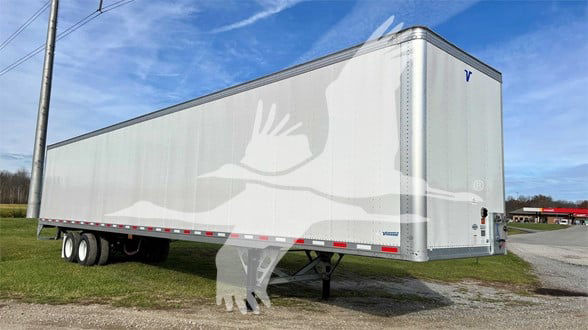
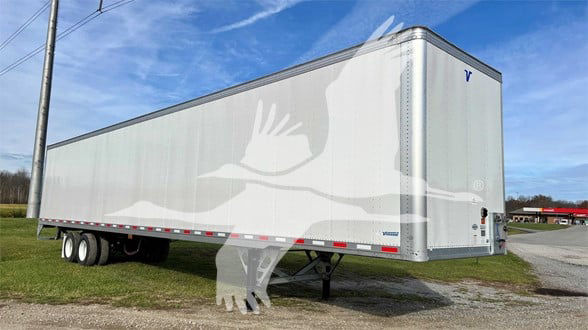
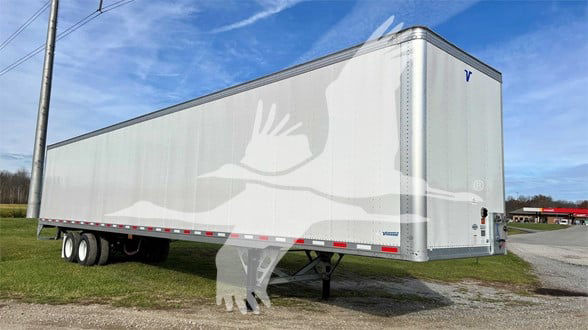
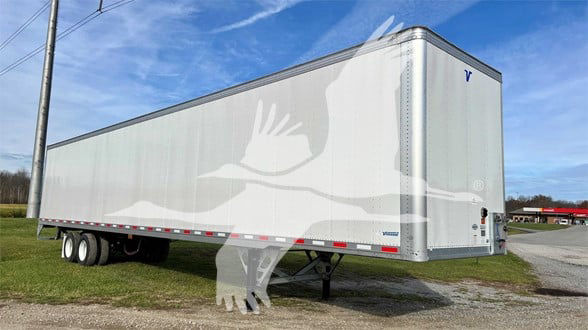
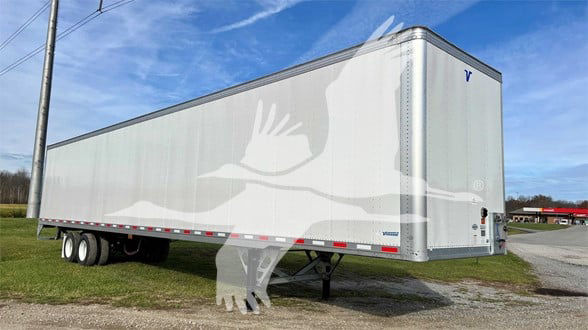
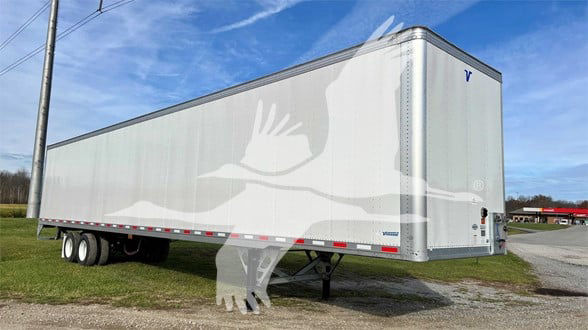
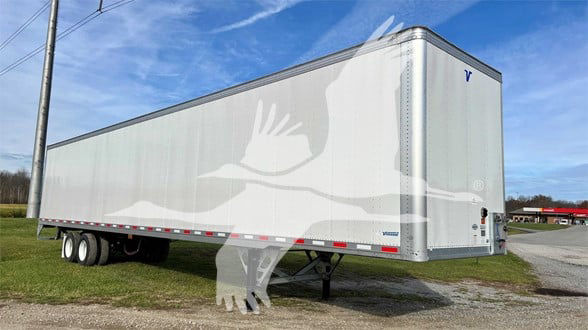
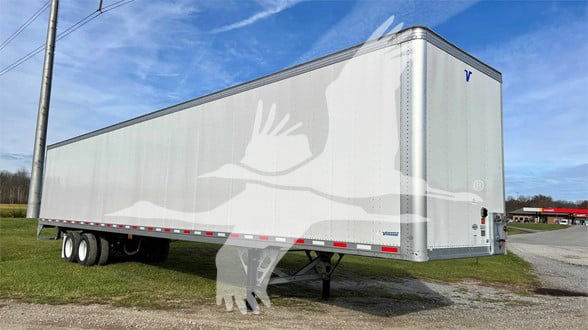
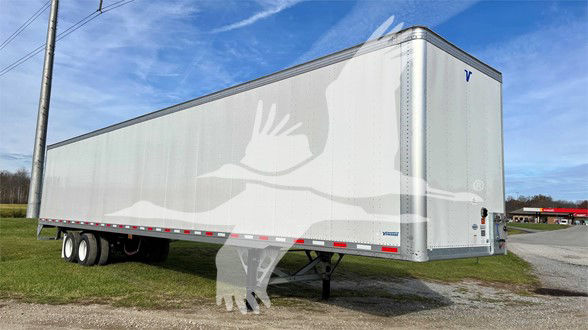
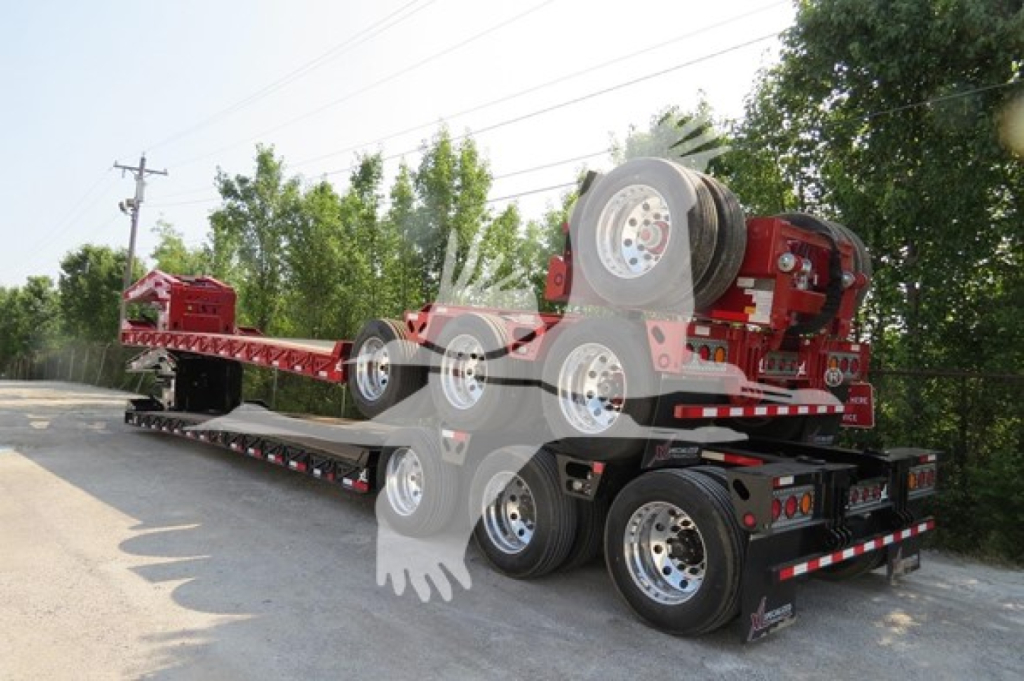
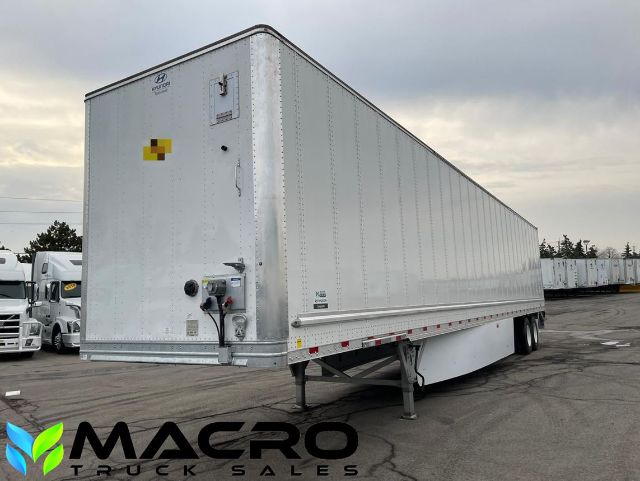
Showing 37 to 48 of 48 results
Have used 2021 trailer to sell? List it here to reach thousands of buyers.
About Used 2021 Trailers
The right 2021 trailer depends first on application. In the used market, buyers will commonly compare 53-foot dry vans, refrigerated trailers, flatbeds, drop decks, and specialized vocational trailer types. Dry van trailers, also known as enclosed vans, are among the most common and are typically spec'd at 53 feet long and 102 inches wide with tandem axles and either swing or roll-up rear doors. Flatbeds and step decks shift the buying focus toward deck length, concentrated load ratings, trailer weight, tie-down package, and axle spread. Reefer buyers need to evaluate not only the trailer body but also reefer unit hours, service records, insulation condition, floor wear, and door seal integrity. Across categories, buyers should confirm GVWR, empty weight, axle configuration, suspension type, wheel end condition, and brake life.
A used 2021 trailer should be evaluated like a revenue asset, not just a piece of rolling stock. Check for frame corrosion, crossmember condition, floor damage from forklifts, roof repairs, rear frame impact, door alignment, air leaks, and suspension wear. On van trailers, look closely at logistics posts, scuff plates, thresholds, and the condition of the lining if the trailer handled palletized freight. On flatbeds and drops, inspect winches, rub rails, stake pockets, apitong or aluminum deck condition, and signs of overloading near the axle area. If the trailer has fleet-oriented options such as tire inflation systems, side skirts, air slide suspension, or telematics prep, verify those systems are complete and still serviceable rather than partially removed during prior ownership.
Buyers comparing used 2021 trailers should also think about lane requirements and terminal compatibility. Sliding tandem position, kingpin setting, overall height, inside height, and door opening dimensions all affect loading flexibility and bridge-law compliance. Regional operators may prioritize durability and ease of repair, while over-the-road fleets often focus on aerodynamic spec, weight savings, and maintenance standardization across the trailer pool. A strong 2021 trailer is one that matches the freight, the lane, and the shop's ability to support it. Service documentation, prior fleet use, tire age, brake measurements, and evidence of consistent PM history usually matter as much as brand badge when narrowing down used trailer listings.
Frequently Asked Questions
What should I look for first when buying a used 2021 trailer?
Start with the trailer type, dimensions, and axle configuration, then move immediately to structural condition and maintenance history. The most important checks are frame integrity, suspension wear, brake condition, tire age, floor and roof condition, rear frame damage, and signs of poor repairs. On enclosed trailers, inspect the interior lining, scuff bands, door hardware, and thresholds. On open-deck trailers, pay close attention to deck condition, rub rails, crossmembers, and tie-down components. A 2021 trailer should still have useful service life left, but only if it has been maintained consistently and matched to the right freight application.
Is a 2021 trailer a good age for fleet or owner-operator use?
Yes. A 2021 trailer often falls into a strong value range because it is newer than many budget units but depreciated enough to be more affordable than new equipment. For fleets, it can be a practical way to add standardized capacity with modern specs. For owner-operators, it may offer a better balance of cost, appearance, and expected maintenance than an older trailer with unknown history. The real value depends on prior use, operating region, accident history, and the quality of preventive maintenance.
What are common specs on used 2021 dry van trailers?
Common specs on used 2021 dry vans include 53-foot length, 102-inch width, tandem axles, air ride suspension, sliding tandems, wood floors, aluminum or composite side construction, and either swing or roll-up rear doors. Many also have plywood lining, scuff liners, threshold plates, logistics posts, E-track, front and rear vents, side skirts, and tire inflation systems. Buyers should confirm inside height, door opening dimensions, wheel type, brake spec, and whether the trailer was built for general freight, high-cube use, or dedicated contract service.
How important are sliding tandems and kingpin settings on a used trailer?
They matter a great deal because they affect bridge compliance, loading flexibility, and compatibility with customer docks and state weight distribution requirements. Sliding tandems help shift weight more effectively across axles, especially on 53-foot vans and reefers. Kingpin setting influences tractor-trailer gap, turning clearance, and axle spread compliance. If the trailer will run in multiple states or service a mix of shippers, these dimensions can have a direct effect on daily usability and legal payload management.
Should I prioritize brand or condition when comparing used 2021 trailers?
Condition and spec should usually come first. Major trailer brands all produce viable equipment, but a well-maintained trailer with documented service, straight structure, good brakes, and proper application spec is generally the better buy than a neglected trailer wearing a preferred badge. Brand still matters for parts availability, resale confidence, and fleet standardization, but buyers make the best decision when they compare maintenance records, component condition, structural integrity, and freight suitability before focusing on nameplate alone.