
Used 2021 Van Trailers For Sale
Shop used 2021 van trailers for sale. Compare 53-foot dry vans, specs, door types, suspension, liner options, and fleet-ready features.
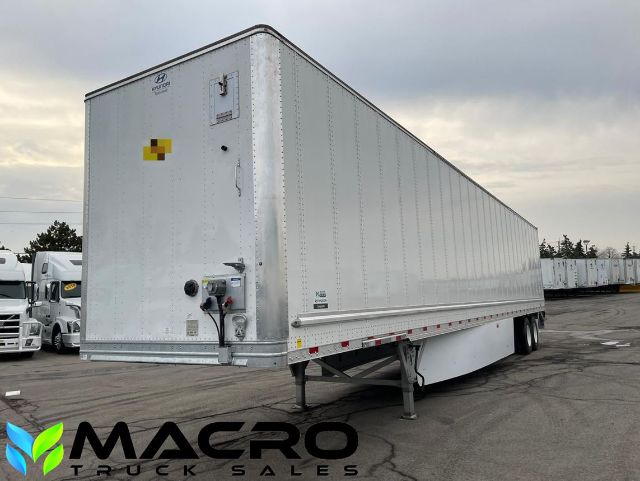
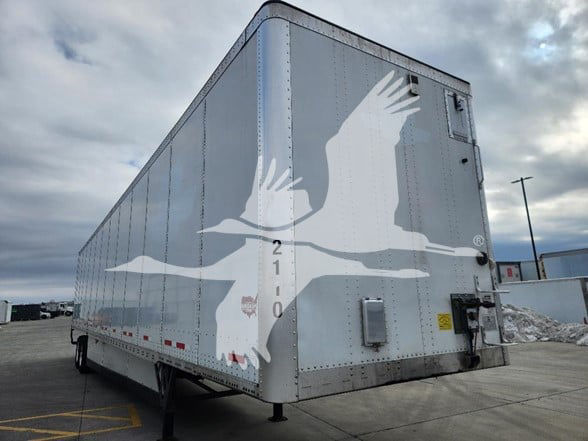
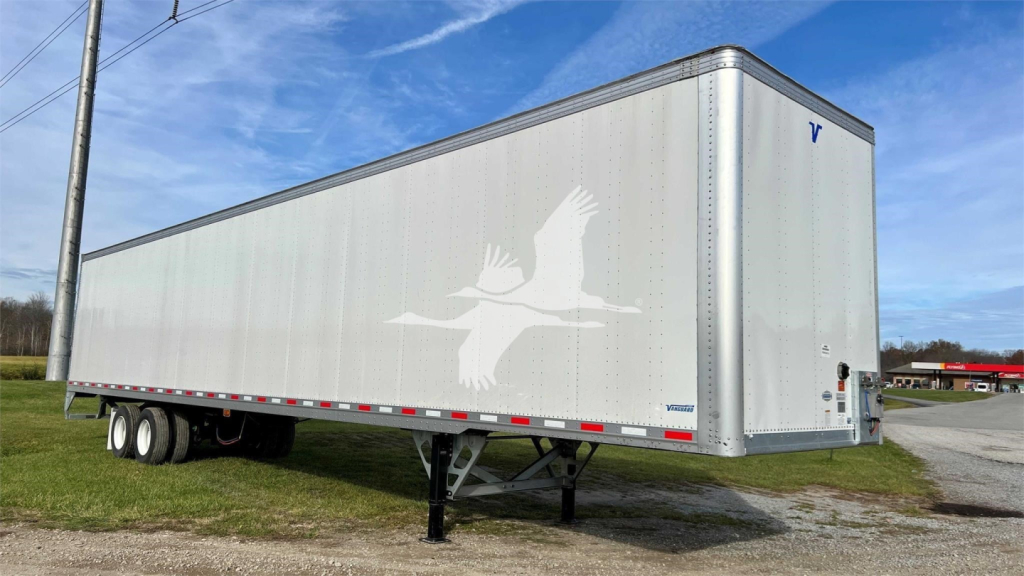
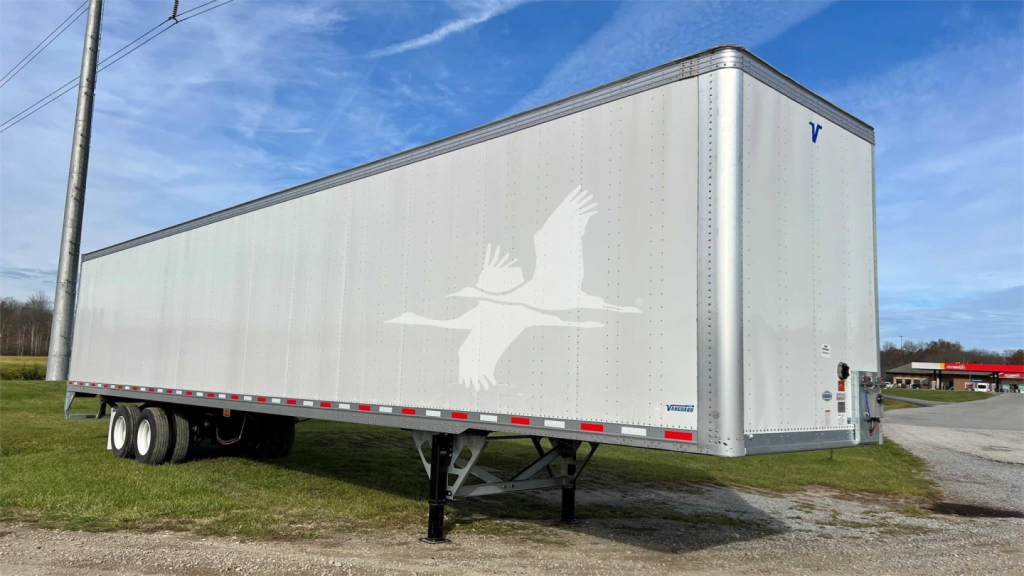
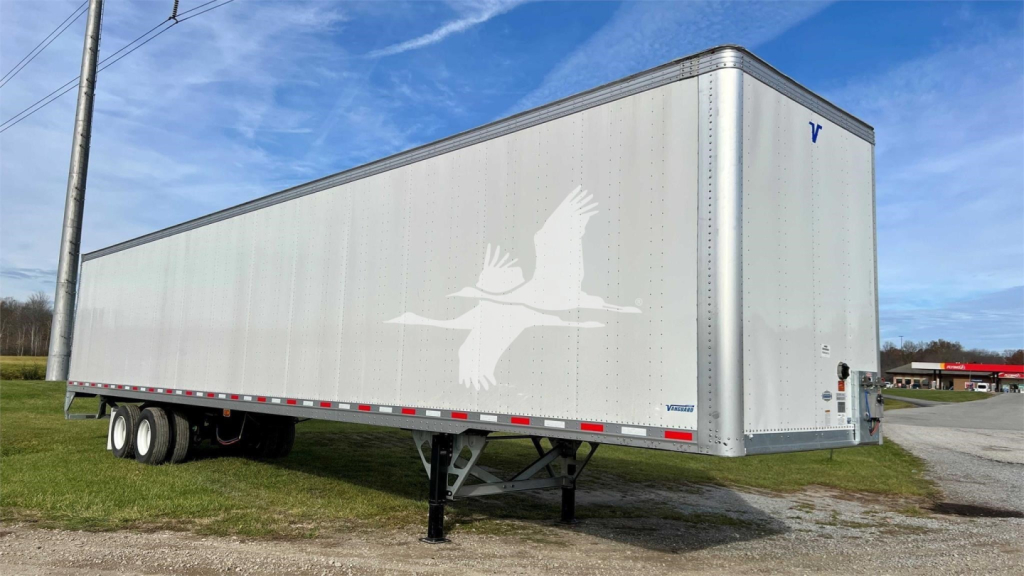
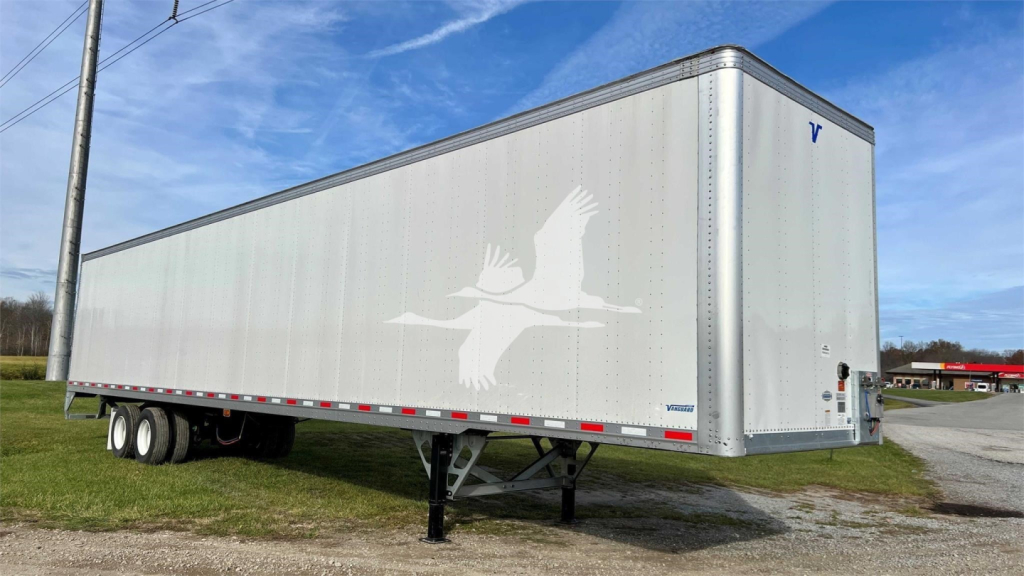
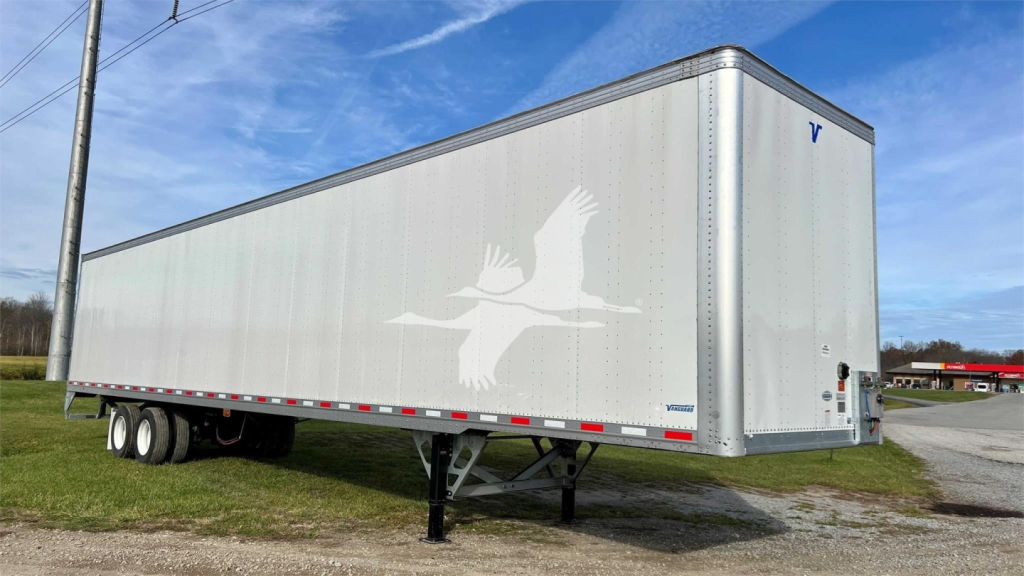
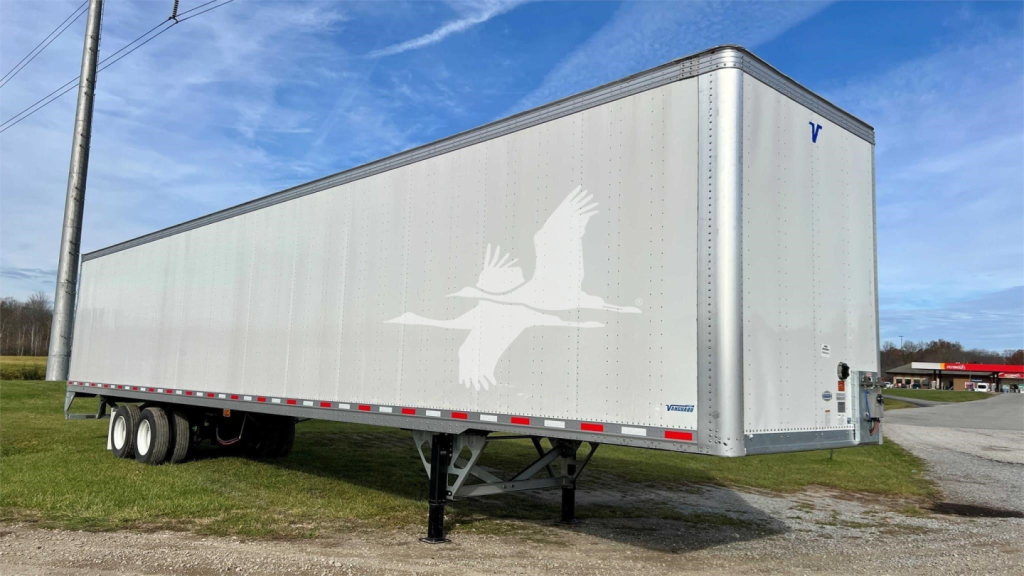
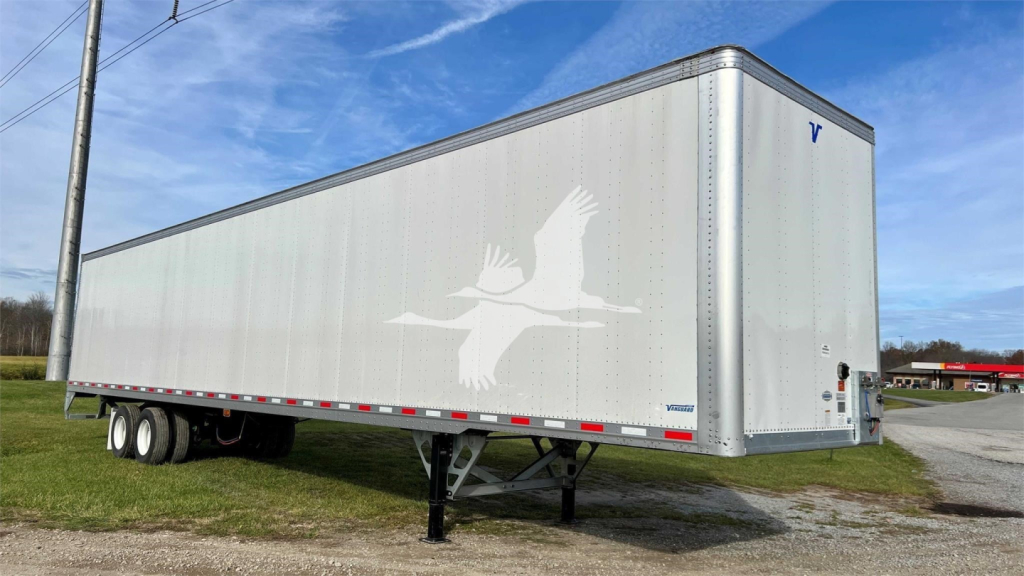
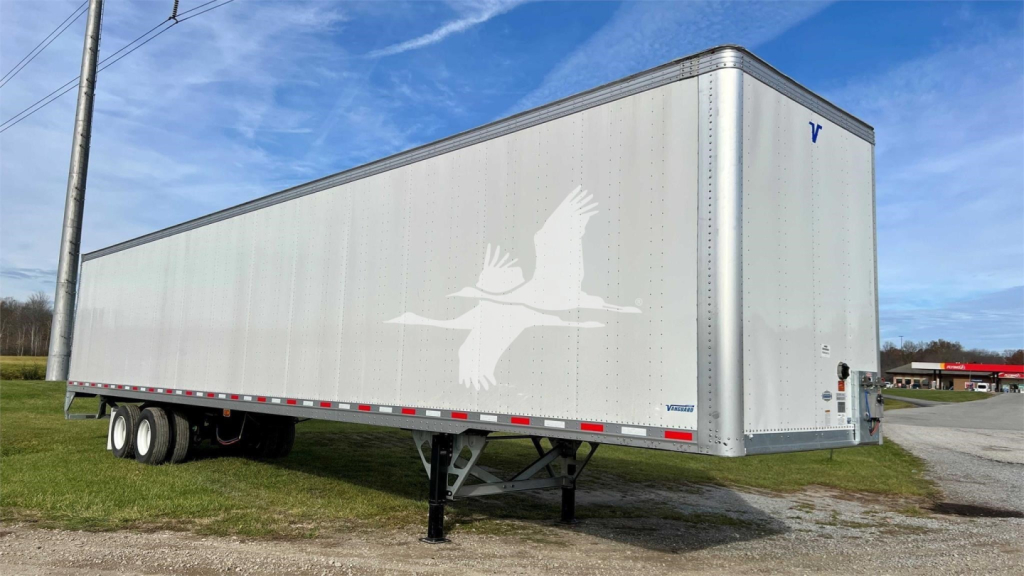
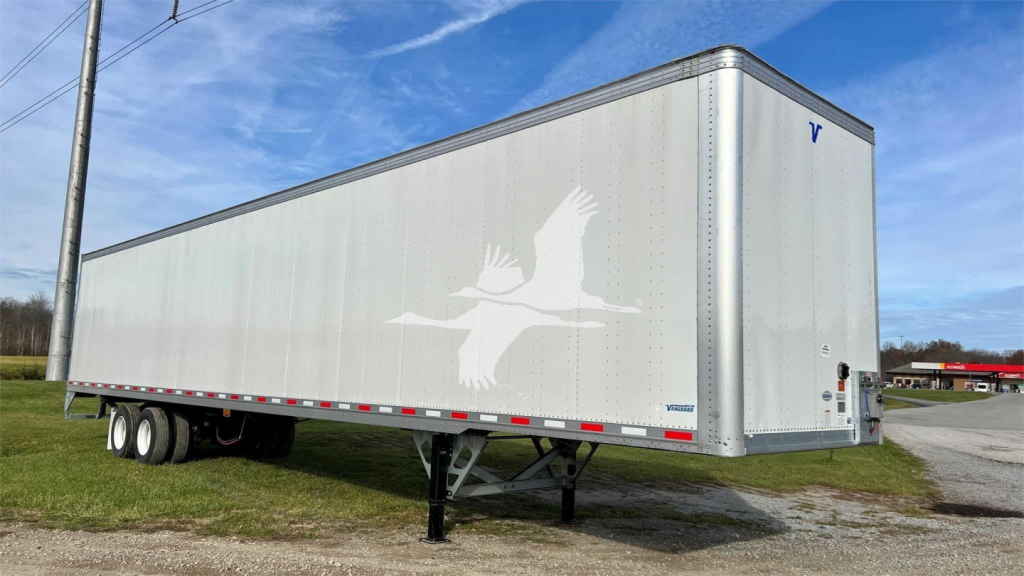
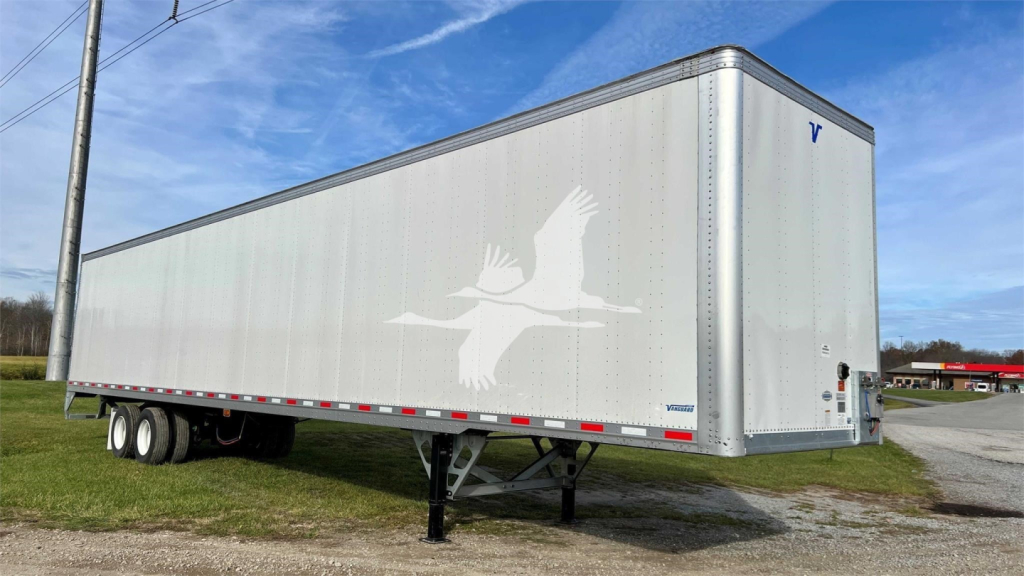
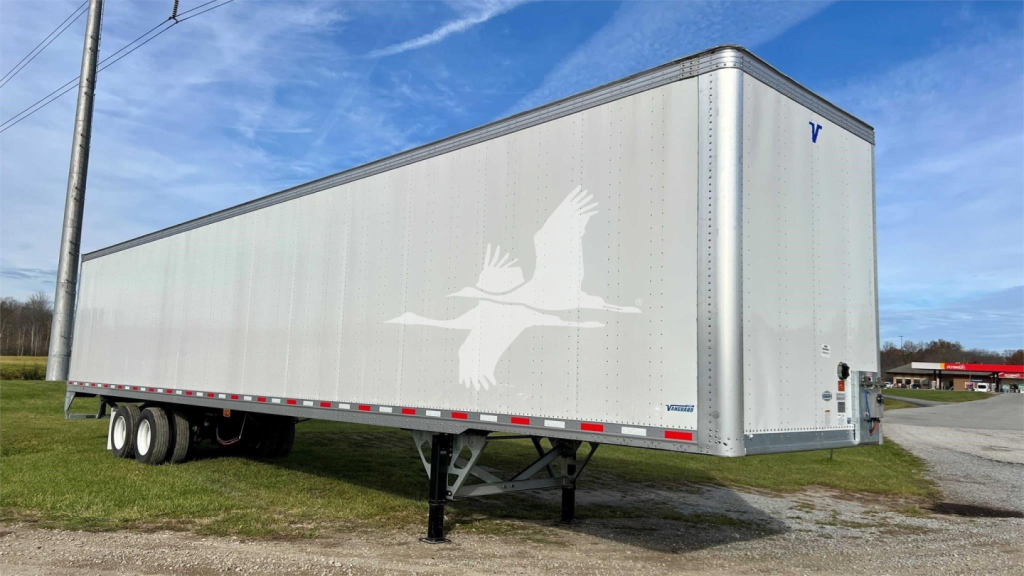
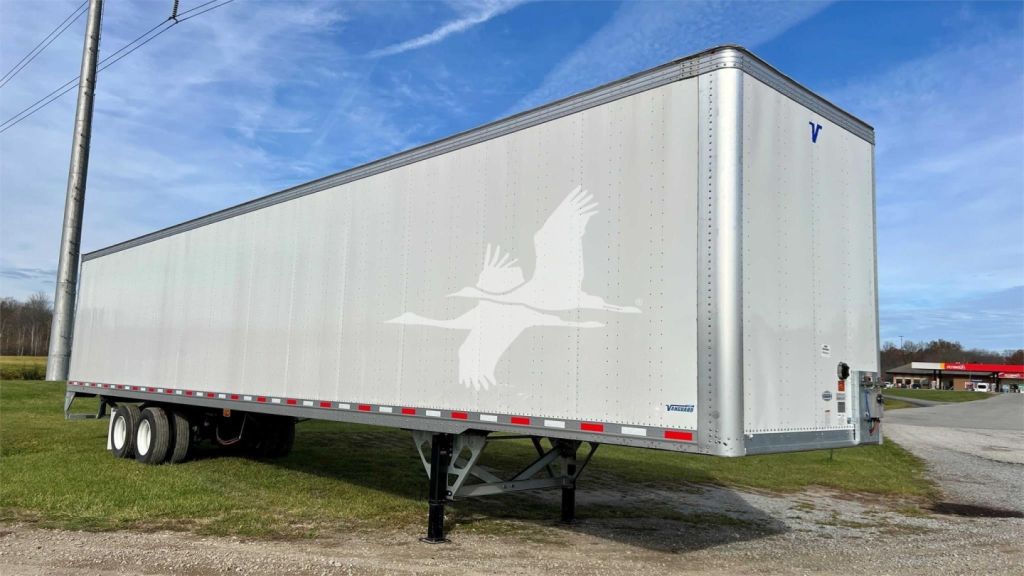
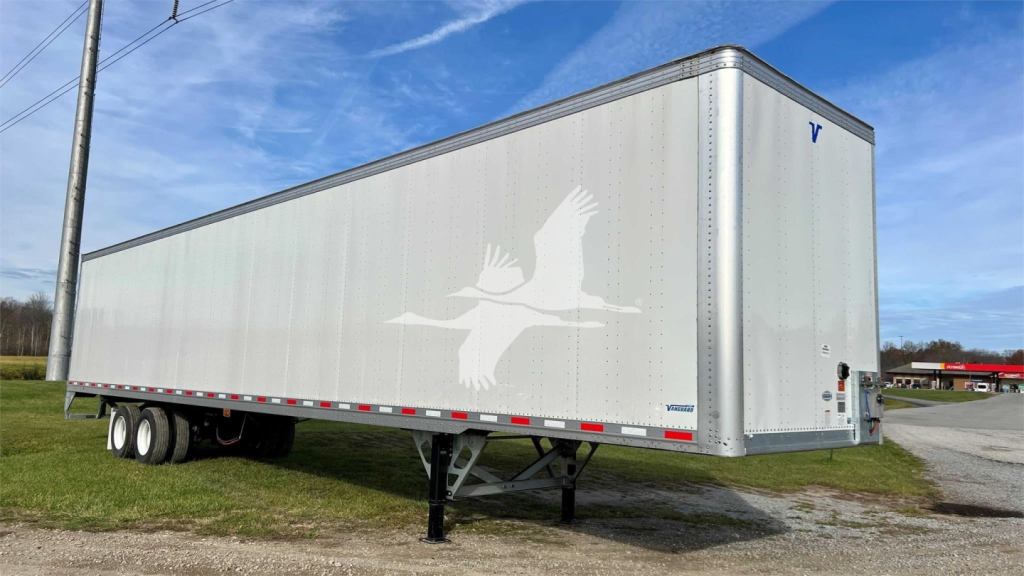
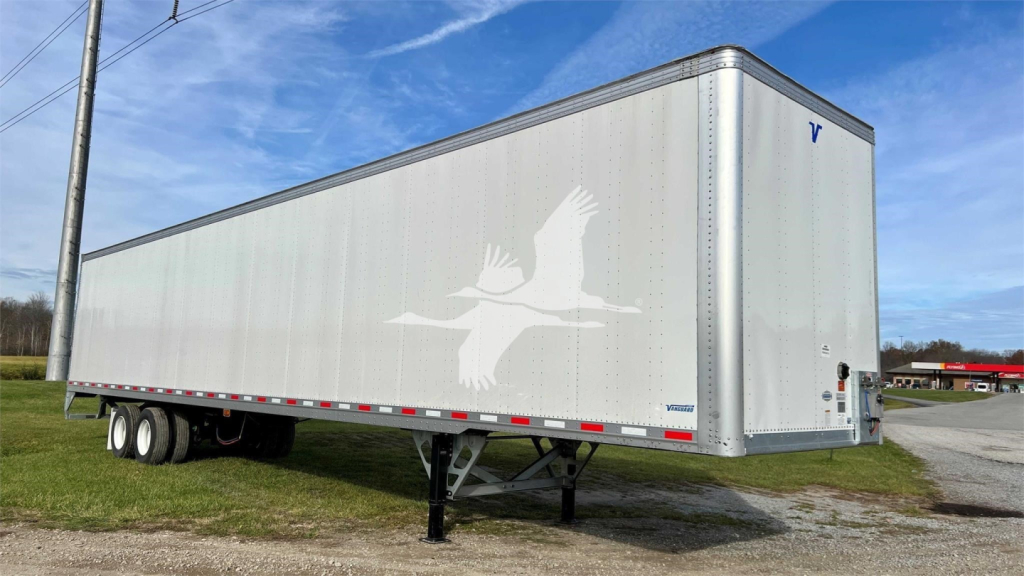

Have used 2021 van trailer to sell? List it here to reach thousands of buyers.
Used 2021 Van Trailers
Frequently Asked Questions about Used 2021 Van Trailers
What should I look for first when buying a used 2021 van trailer?
Start with the trailer’s structure and serviceability. Check the roof for patches or impact damage, inspect the front wall and rear frame for signs of hard dock contact, and look closely at floor condition, crossmember integrity, and sidewall straightness. On a 2021 model, buyers also pay attention to tire date codes, brake wear, suspension condition, and whether the trailer has current fleet-spec features such as air ride, composite scuff liners, and logistics posts. A clean late-model dry van can still hide expensive repair needs if the floor is soft, the doors are out of square, or the tandem slide is seized.
Are most 2021 van trailers 53-foot dry vans?
Yes. The majority of used 2021 van trailers on the market are 53-foot dry vans, because that is the standard length for over-the-road general freight in North America. You will still see some regional and specialty lengths, but 53-foot units dominate fleet turnover. Within that size, the biggest differences are suspension type, door style, interior liner package, and whether the trailer was spec'd for heavy-duty freight, grocery distribution, or standard truckload service.
Is a roll-up door or swing door better on a van trailer?
It depends on the application. Roll-up doors are common in LTL, city delivery, and dock environments where repeated opening and closing is part of the route, and they reduce the risk of door swing interference at tight docks. Swing doors are often preferred in long-haul truckload service because they typically provide a larger clear rear opening and can be lighter and simpler to maintain. Buyers should inspect either style for frame damage, hinge wear, seal condition, and smooth operation.
What specs matter most on a used 2021 dry van trailer?
The most important specs usually include overall length, width, interior height, axle configuration, suspension type, GVWR, tare weight, floor composition, and rear door opening dimensions. Buyers also compare roof material, sidewall liner type, nose design, tire size, wheel type, and brake system setup. For fleets working across multiple states, tandem slide range and kingpin setting matter because they affect bridge compliance, axle loading, and how easily the trailer can be positioned for different tractors and lane requirements.
How do I know if a 2021 van trailer is suitable for fleet use?
A fleet-suitable 2021 van trailer should have a solid maintenance history, consistent spec, and minimal structural repair work. Many buyers look for late-model dry vans with air ride suspension, logistics posts or E-track, durable scuff protection, and standard wheel-end and brake components that match the rest of the fleet. It also helps if the trailer has clean VIN documentation, readable compliance labels, and no signs of severe cargo damage, water intrusion, or repeated rear-impact repairs. Standardized specifications reduce downtime and make parts, inspections, and driver handoff easier.