
Used 2018 Trailers For Sale in Nevada
Browse used 2018 trailers for sale in Nevada, including dry van and reefer options with common fleet specs for regional and long-haul hauling.
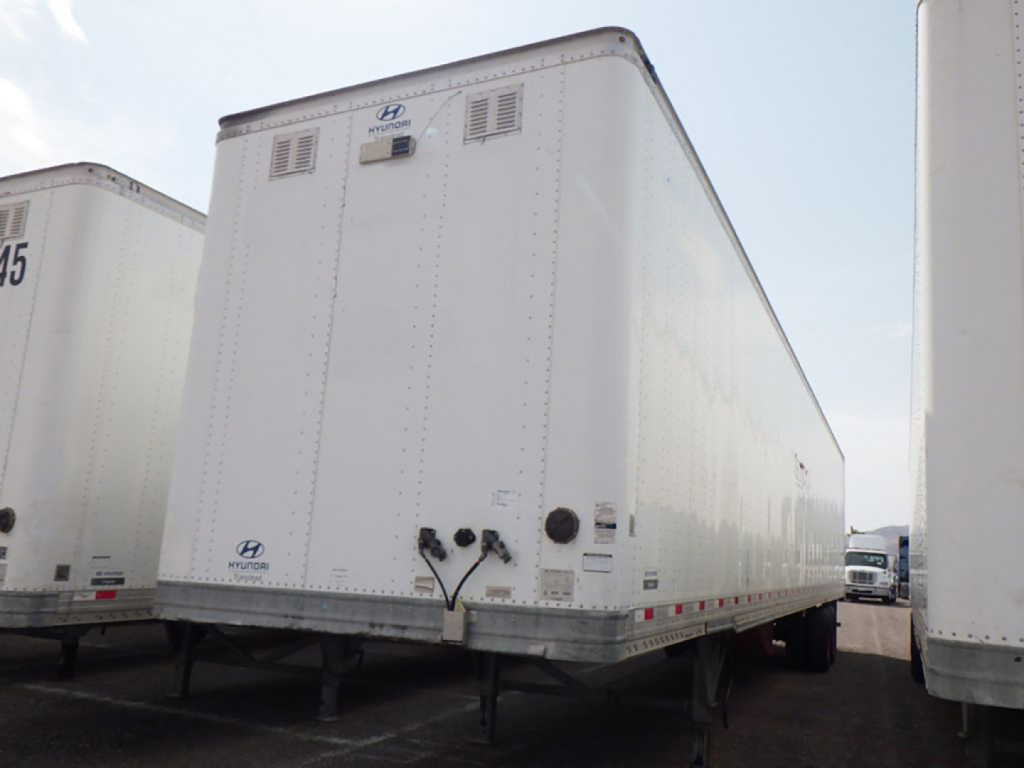
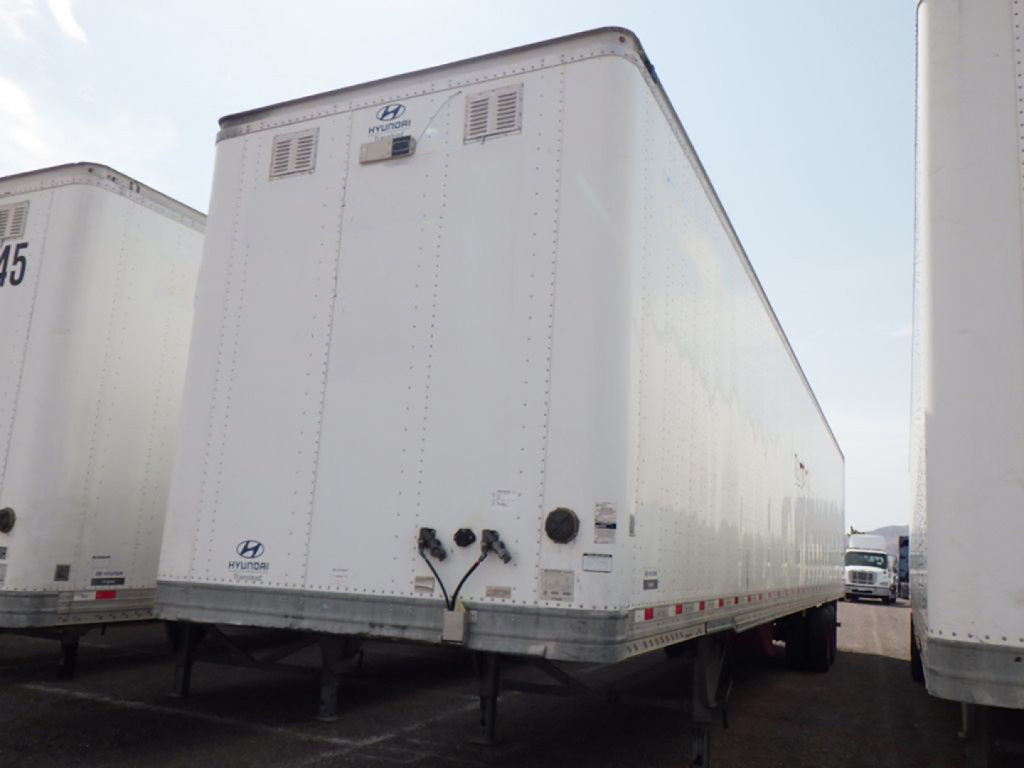
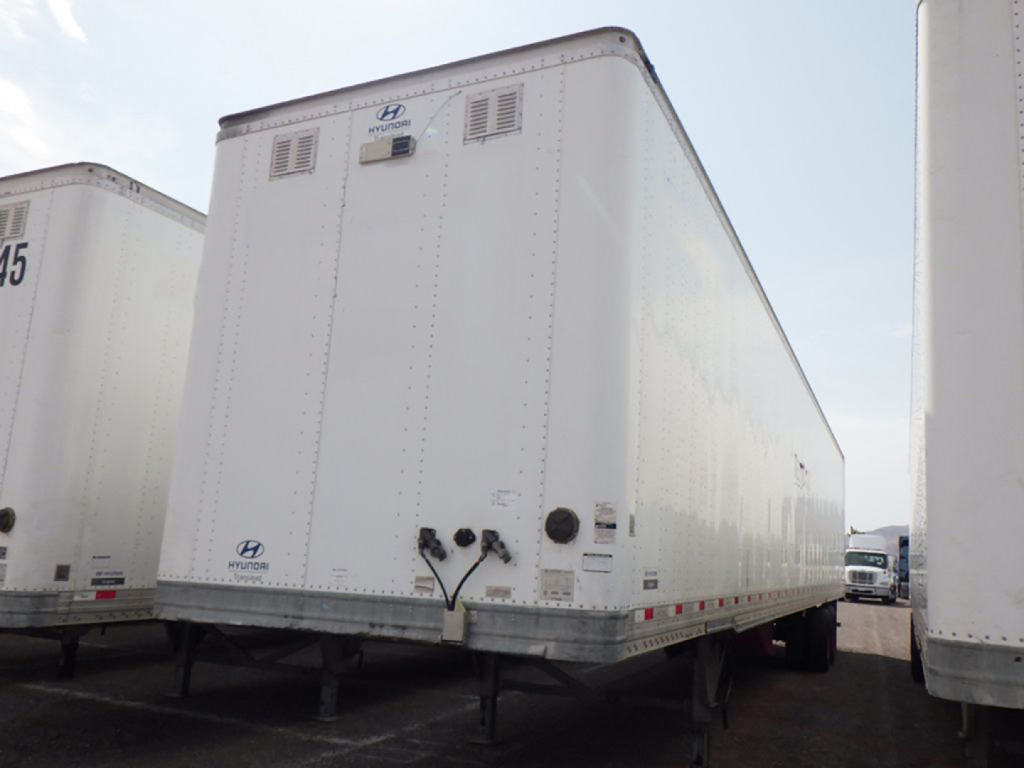
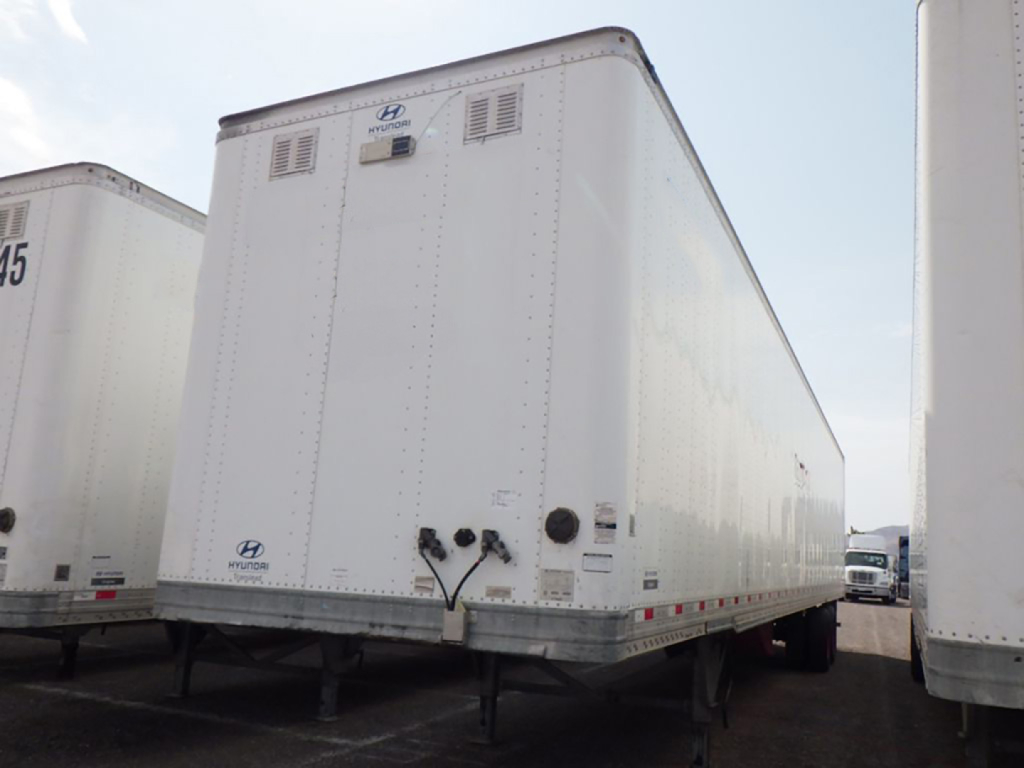
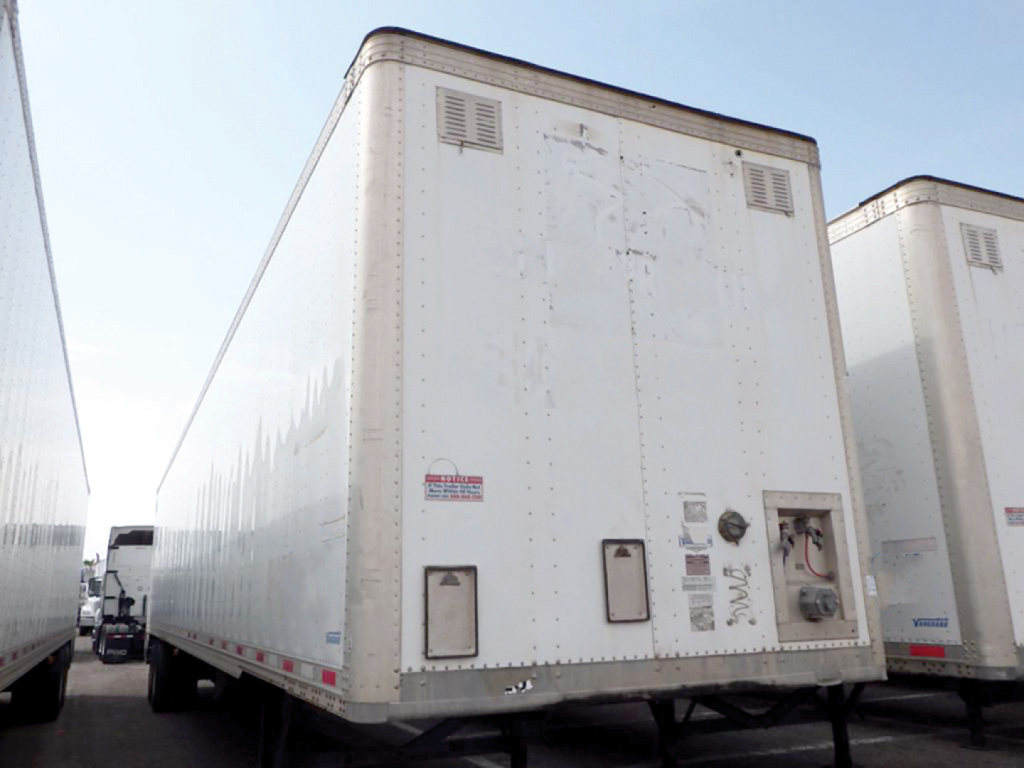
Have used 2018 trailer to sell? List it here to reach thousands of buyers.
Used 2018 Trailers in Nevada
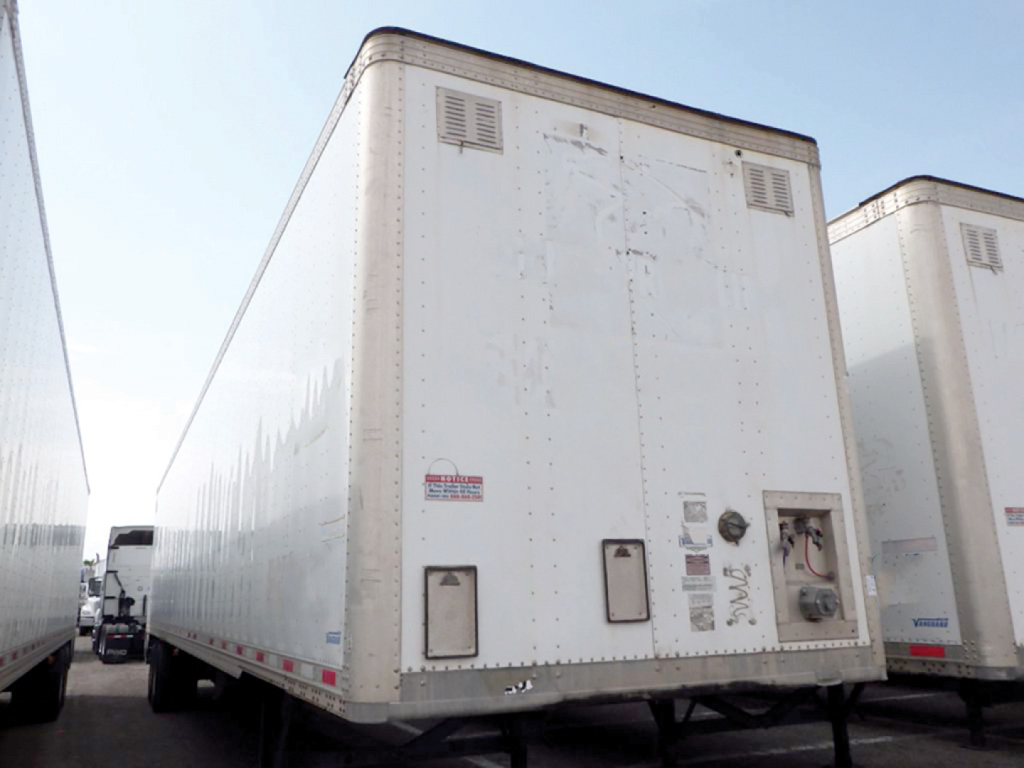
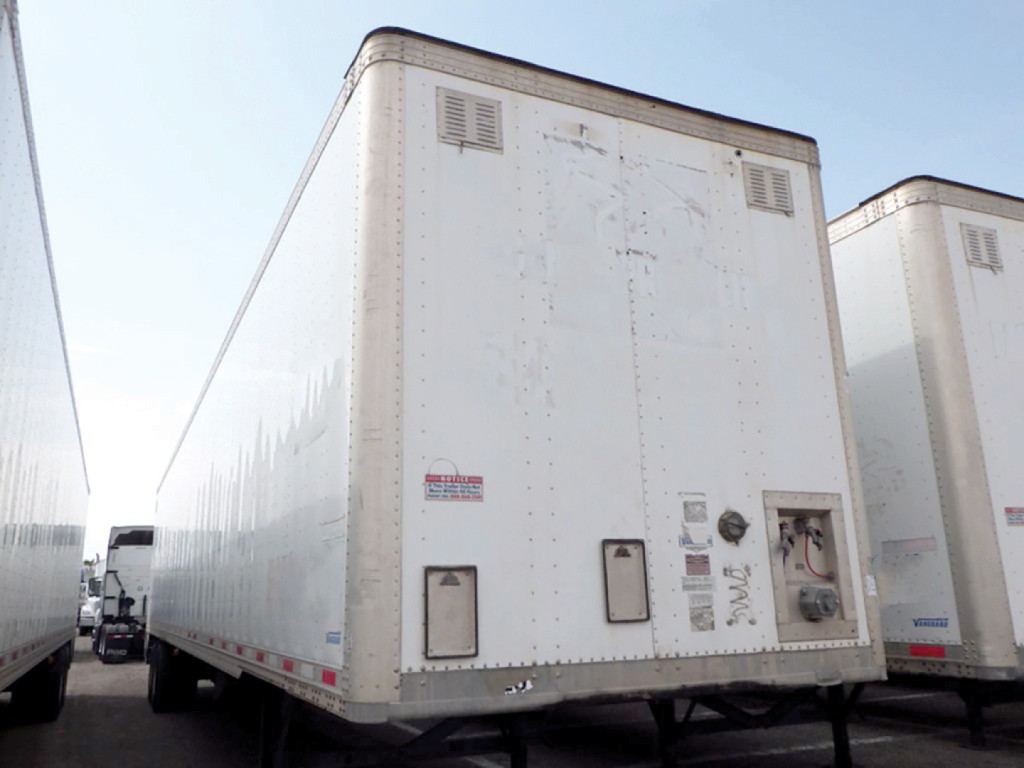
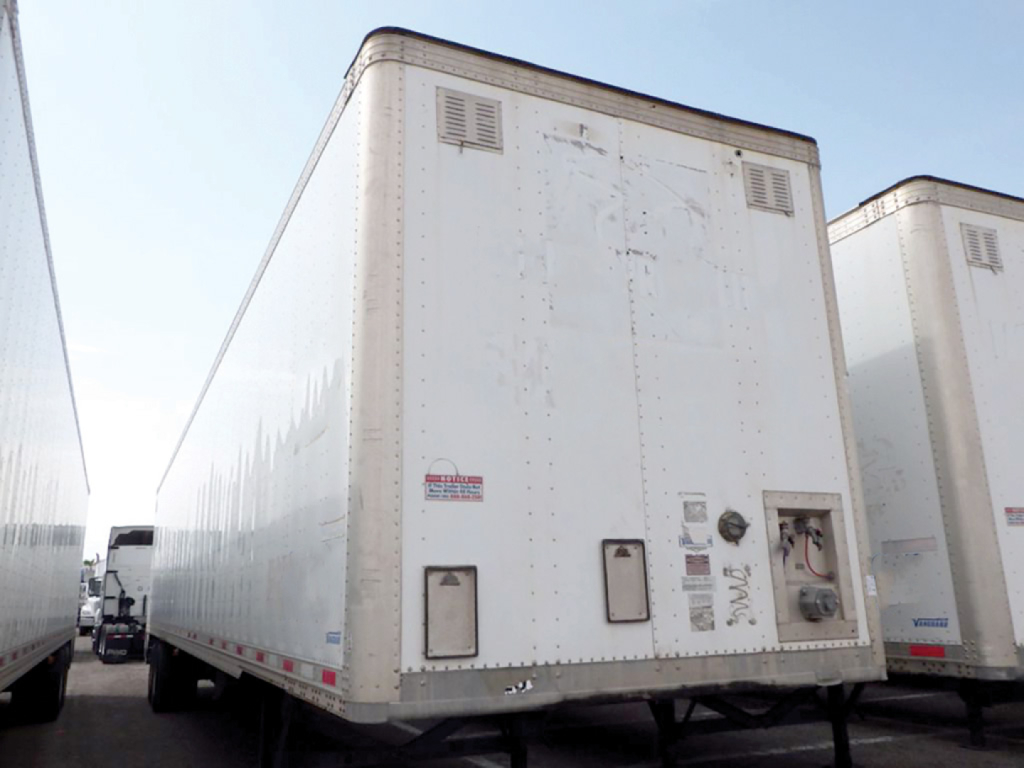
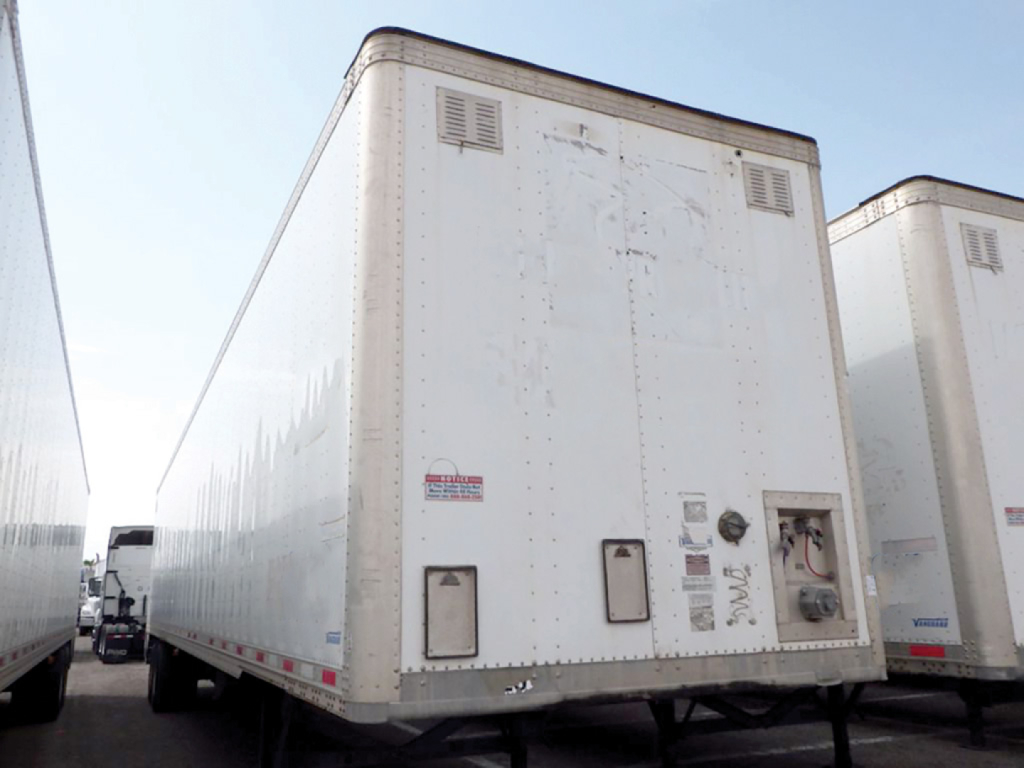
A 2018 dry van trailer is typically built for general freight, retail, packaged goods, and distribution work. Buyers should pay close attention to interior lining, scuff plates, threshold plates, floor type, and cargo control equipment such as E-track or logistics posts. Roll-up doors can improve dock convenience for high-stop applications, while swing doors are simpler and often preferred for full-truckload freight. Inside height is another important checkpoint. A trailer with 100-inch interior height may fit some lanes and cube requirements differently than a high-cube 108-inch setup, so matching the trailer to the freight profile is more important than just comparing model years.
A used 2018 reefer trailer, also known as a refrigerated trailer, adds another layer of inspection. Beyond the box itself, the refrigeration unit condition, run hours, service records, evaporator performance, and floor design all affect value and uptime. Common features in this class include aluminum duct floors, cold chutes, stainless steel rear frames, and insulated walls designed for temperature-sensitive freight. In Nevada, reefer buyers should inspect insulation integrity, door seal condition, and unit cooling performance under load, especially if the trailer has spent time in desert temperatures or food-service distribution. A clean pre-trip on the reefer unit is not enough if the body has air leaks or floor damage that compromises temperature control.
Across most 2018 trailer types, the best buying decisions come from checking application fit before brand preference. Axle spread, tandem slide range, wheel type, suspension, brake setup, rear frame construction, and aerodynamic equipment all affect operating cost and lane flexibility. Buyers running western regional freight may prioritize low tare weight and fuel-saving aero spec, while dock-heavy urban work may put more value on door durability, floor life, and lining condition. A well-maintained 2018 trailer can still deliver solid service life, but it should be evaluated as a working asset, not just by age, make, or appearance.
Frequently Asked Questions about Used 2018 Trailers in Nevada
What should I inspect first on a used 2018 trailer?
Start with the structural and operational basics: frame condition, crossmembers, floor wear, suspension, brakes, tires, wheel ends, and door function. On dry vans, check lining damage, scuff plates, roof condition, and signs of past forklift abuse. On reefers, inspect the trailer body and the refrigeration unit separately, including unit hours, maintenance history, evaporator condition, and door seal integrity. A clean exterior does not offset a weak floor, leaking roof, or worn running gear.
Is a 2018 trailer still a good value for fleet or owner-operator use?
Yes, a 2018 trailer can be a strong value if the specification matches the intended freight and the maintenance history is sound. Many 2018-model trailers were built with features that remain current in commercial service, including air ride suspension, sliding tandems, aerodynamic skirts, and modern cargo control setups. The key is remaining service life. Buyers should compare repair exposure on tires, brakes, floors, and reefer components against the purchase price rather than focusing only on model year.
What trailer types are most common in the 2018 used market in Nevada?
Dry vans and reefer trailers are among the most common 2018 used trailer categories seen in Nevada. Dry vans support general freight, retail, and warehouse distribution, while reefers serve food, beverage, produce, and other temperature-controlled freight. Flatbeds, drop decks, and specialty trailers may also appear, but enclosed 53-foot van and reefer configurations are typically the most common for fleet-spec resale in this region.
How does Nevada climate affect used trailer condition?
Nevada climate can be easier on rust exposure than coastal or winter-salt regions, but heat and sun create their own wear patterns. Buyers should look for dried or cracked door seals, roof and sidewall fatigue, reefer performance issues in high ambient temperatures, and tire aging from prolonged heat exposure. Interior floor wear can also be significant on trailers that ran heavy distribution or food-service routes in and out of Las Vegas and other high-traffic freight corridors.
What specs matter most when comparing used 2018 dry vans and reefer trailers?
The most important specs are the ones tied directly to the freight and lanes. For dry vans, focus on inside height, floor rating, wall lining, cargo control, door style, and tandem slide setup. For reefers, add refrigeration unit brand, model, hours, fuel system condition, duct floor design, chute setup, and insulation performance. Across both categories, suspension type, brake configuration, tire size, wheel material, and aerodynamic equipment all influence operating cost, payload, and maintenance planning.