
Used 2018 Trailers For Sale in Florida
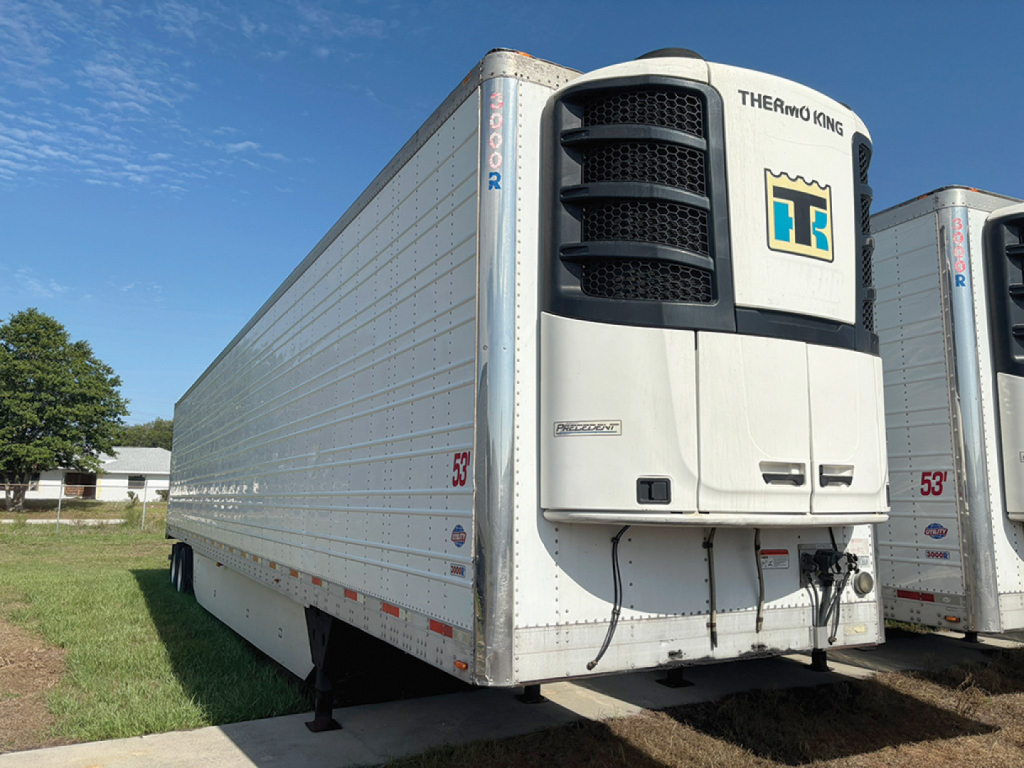
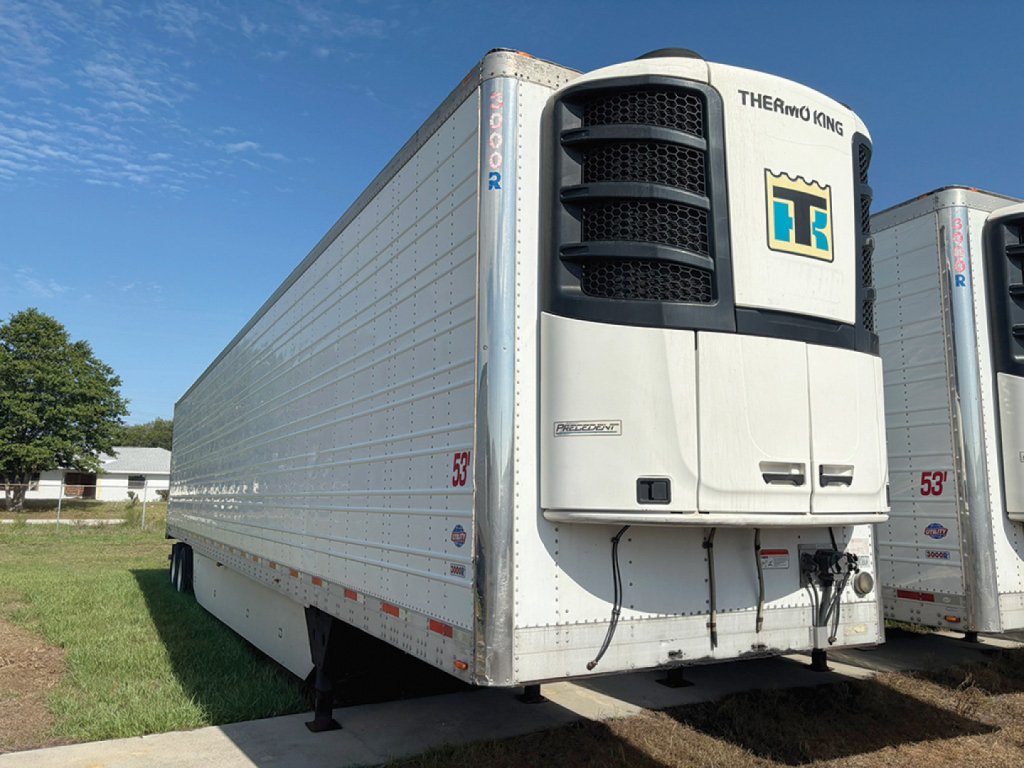
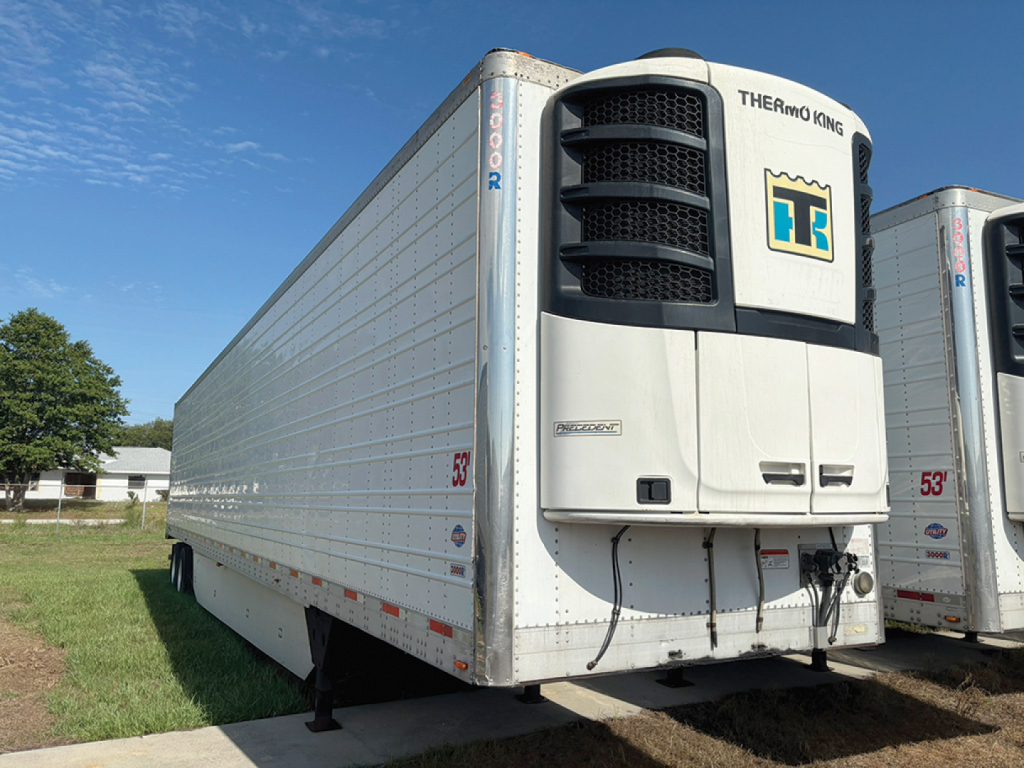
Have used 2018 trailer to sell? List it here to reach thousands of buyers.
Used 2018 Trailers in Florida
Florida buyers tend to focus on corrosion exposure, tire condition, and cooling or ventilation performance because trailers in this market often see high humidity, heat, and heavy regional freight cycles. On reefers, key inspection points include the reefer unit hours, evaporator and condenser condition, duct floor integrity, door seal performance, and any damage to scuff liners or interior lining. On dry vans and platform trailers, look closely at crossmembers, rear frame sections, landing gear, suspension wear, brake components, kingpin area condition, and signs of previous floor or wall repairs. Aluminum wheels, air ride suspension, sliding tandems, tire inflation systems, side skirts, and liftgates can add operational value, but condition matters more than the option list on a used trailer.
Specs should match the lane and commodity. A 53-foot trailer remains the standard for most van and reefer freight, with 102-inch width and 13-foot 6-inch overall height common across the market. Reefer buyers may also compare inside height, chute design, bulkhead setup, fuel tank capacity, and whether the unit uses swing doors or a roll-up door. Flatbed and drop deck buyers usually pay attention to deck length, deck height, axle spread, winch track setup, and load securement flexibility. Tank, dump, and other vocational trailer buyers should verify lining, gate or valve configuration, frame type, and weight capacity before making a decision. In every category, brake type, axle rating, tire size, wheel material, and suspension design directly affect maintenance cost and uptime.
A used 2018 trailer is often a strong fit for regional fleets, private carriers, and independent operators that need dependable capacity without stepping into a new-trailer budget. The best purchase is usually the trailer with the clearest service records, the right body and axle spec, and the least compromise for your freight. Buyers comparing multiple 2018 trailers in Florida should weigh total cost of ownership, including tires, brakes, reefer service, structural repairs, and compliance items, rather than focusing only on purchase price.
Frequently Asked Questions about Used 2018 Trailers in Florida
What should I inspect first on a used 2018 trailer?
Start with the frame, suspension, brakes, tires, wheels, landing gear, and kingpin area because those components drive safety, downtime, and repair cost. On enclosed trailers, inspect the floor, roof, sidewalls, doors, and seals for leaks, rot, impact damage, or patched repairs. If the trailer is a reefer, unit hours, temperature pull-down, air chute condition, and interior lining condition should be near the top of the list.
Is a 2018 trailer a good age for fleet or owner-operator use?
A 2018 trailer can be a very good value point if it has been maintained correctly. It is old enough to avoid the highest acquisition cost of late-model equipment, but still new enough that many units retain modern specs such as air ride suspension, sliding tandems, tire inflation systems, aerodynamic equipment, and updated brake components. The real decision comes down to service history, structural condition, and how closely the spec matches your freight.
What matters most when buying a used reefer trailer in Florida?
Cooling system condition and corrosion exposure are major concerns in Florida. Buyers should verify reefer engine hours, maintenance intervals, door seal condition, duct floor health, and any moisture-related interior damage. It is also smart to check stainless and aluminum components for corrosion, inspect the insulation and lining for delamination, and confirm the unit can hold temperature under load conditions typical for foodservice or grocery freight.
Which trailer specs have the biggest impact on operating cost?
Suspension type, brake system, tire size, wheel material, axle rating, and aerodynamic equipment all affect long-term operating cost. On refrigerated trailers, the reefer unit model, fuel efficiency, and serviceability are major cost drivers. Features such as tire inflation systems, disc brakes, side skirts, and quality flooring can improve uptime and reduce maintenance expense, but only if they are in good working order.
How do I choose between different used 2018 trailer types?
Match the trailer to the freight first, then narrow by operating region and loading method. Dry vans are built for general freight protection, reefers for temperature-controlled cargo, flatbeds and drop decks for open-deck loads, and specialty trailers for dedicated applications. Once the type is set, compare dimensions, axle configuration, door style, floor design, securement setup, and maintenance condition to find the trailer that best fits your lanes and customers.