
Used 2018 Reefer Trailers For Sale in Florida
Have used 2018 reefer trailer to sell? List it here to reach thousands of buyers.
Used 2018 Reefer Trailers in Florida
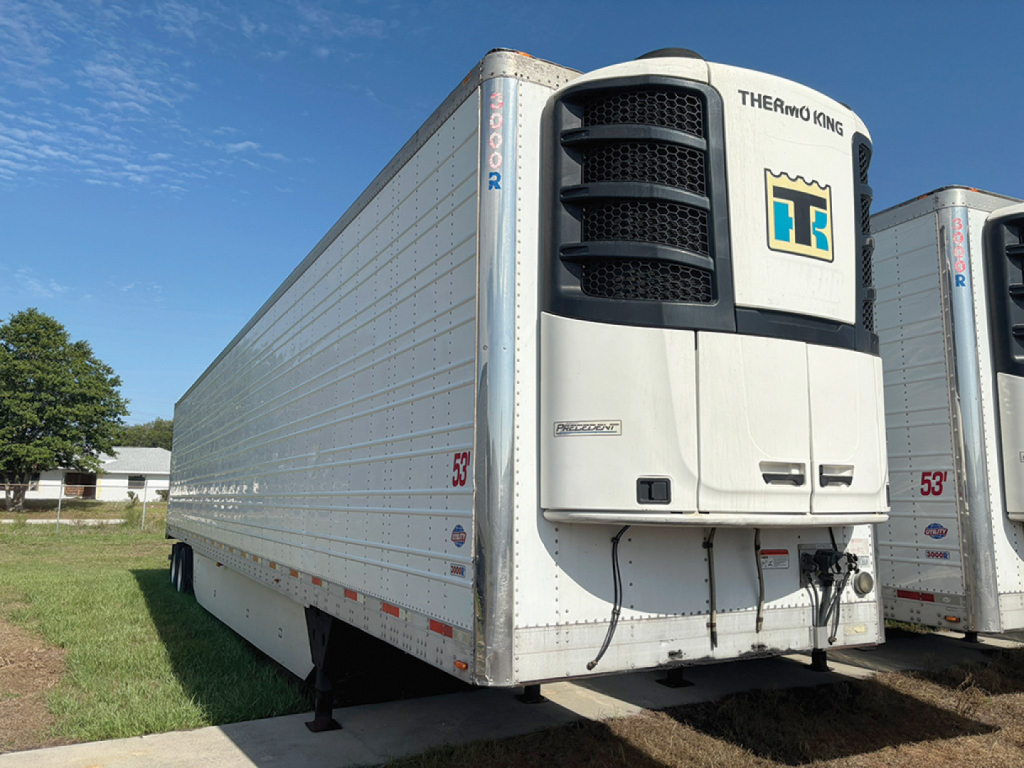
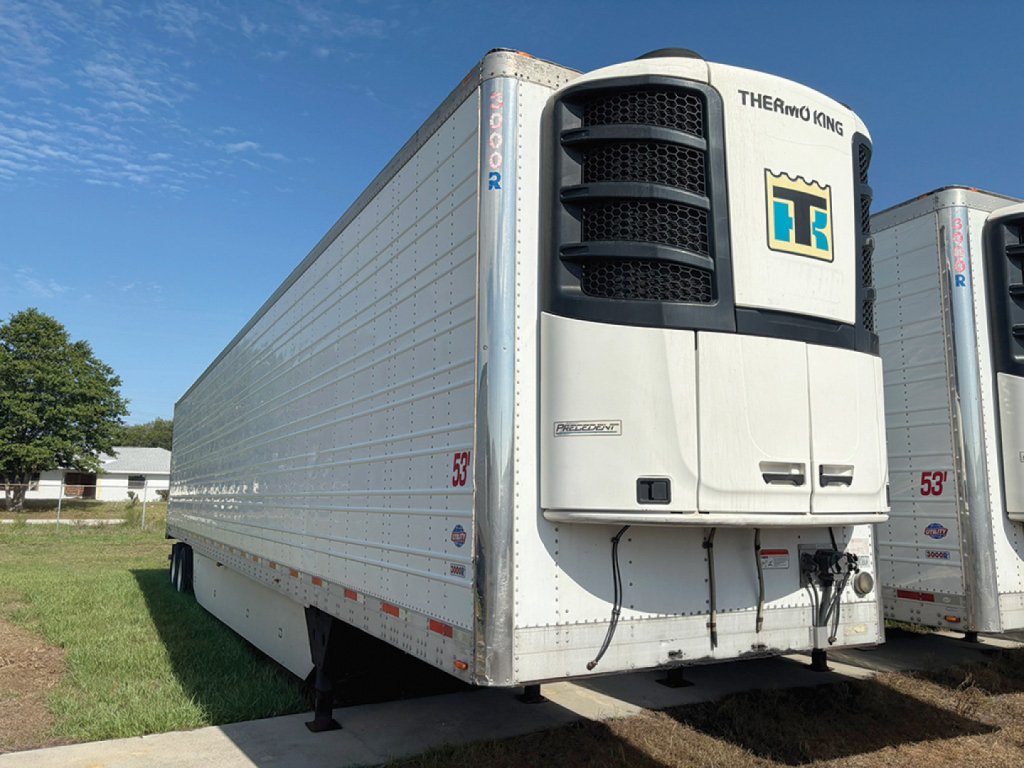
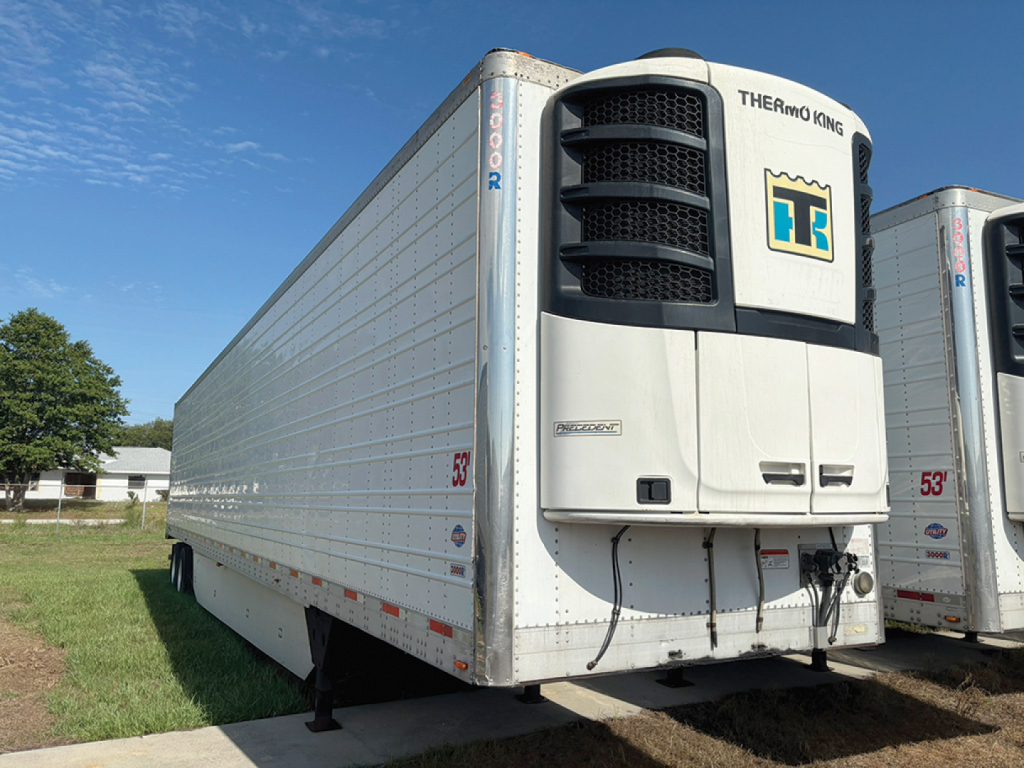
The reefer unit matters as much as the trailer body. A 2018 trailer may carry either its original unit or a newer replacement, so buyers should verify engine hours, total run hours, electric standby if equipped, service records, and recent major repairs. Models in this class often use popular units such as Thermo King Precedent or Carrier X4 series systems. The right match depends on lane length, door cycle frequency, ambient heat, and the cargo temperature band. In Florida service, reefer performance under high humidity and heavy stop-and-go delivery schedules is especially important, so pay close attention to pull-down performance, return-air consistency, and the condition of the evaporator, condenser, and bulkhead area.
Body specifications are equally important because they affect both payload protection and operating cost. Many 2018 reefer trailers feature aluminum duct floors, scuff liners or scuff plates, stainless steel front components, stainless rear frames, and swing doors with strong perimeter seals. Inside height often falls around 101 to 103 inches, which can influence cubic capacity and pallet stacking. Buyers should inspect floor wear from pallet jack traffic, wall integrity, ceiling condition, chute or air delivery components, rear frame corrosion, and any signs of moisture intrusion. Side skirts, tire inflation systems, and aerodynamic packages are also common on this generation and can help reduce operating expense over long regional and over-the-road runs.
For a used 2018 reefer trailer, the best value usually comes from balancing refrigeration health, structural condition, and compliance details. Check DOT inspection history, ABS function, brake and suspension wear, tire age, and tandem slider operation. Confirm the unit can hold setpoint under load, not just while empty in the yard. If the trailer will haul mixed fresh and frozen freight, look closely at airflow management, door seal condition, and insulation performance. A clean 2018 reefer with documented maintenance can still be a strong asset for private fleets, produce haulers, foodservice distributors, and carriers running dedicated temperature-sensitive lanes across Florida and the Southeast.
Frequently Asked Questions about Used 2018 Reefer Trailers in Florida
What should I check first on a used 2018 reefer trailer?
Start with the refrigeration unit hours, service history, and current cooling performance. After that, inspect the trailer body for floor damage, insulation issues, door seal wear, rear frame condition, and signs of water intrusion. A reefer can look clean outside and still have expensive hidden issues in the unit, floor, or walls, so refrigeration health and structural integrity should be evaluated before cosmetic condition.
Are 2018 reefer trailers typically 53 feet long?
Yes. Most used 2018 reefer trailers in fleet service are 53 feet long, 102 inches wide, and 13 feet 6 inches tall. Many also have inside heights in the 101-inch to 103-inch range. That size is standard for grocery, foodservice, and general cold-chain freight because it provides strong cube, broad dock compatibility, and flexible pallet capacity.
Which reefer units are common on 2018 refrigerated trailers?
Thermo King Precedent and Carrier X4 series units are among the most common on 2018 reefer trailers, although some trailers may have replacement units installed after the original build year. Buyers should confirm the exact unit model, engine hours, controller condition, and maintenance records. The badge on the unit is only the starting point. Actual reliability depends on how the unit was serviced and how hard it was run.
What features are most valuable on a used reefer trailer in Florida?
In Florida, buyers usually place extra value on strong cooling performance in high ambient temperatures, tight door seals, clean airflow channels, and a trailer body that resists moisture and corrosion. Stainless front and rear components, aluminum duct floors, air ride suspension, tire inflation systems, and side skirts are all desirable. For multi-stop delivery, a unit with good pull-down performance and stable temperature recovery after door openings is especially important.
How do I know if a used 2018 reefer trailer is right for frozen or fresh freight?
The answer depends on the refrigeration unit capacity, insulation condition, airflow design, and the trailer's ability to maintain setpoint under real operating conditions. Frozen freight usually demands tighter temperature retention and more consistent unit performance, while fresh freight often depends on stable airflow and humidity-sensitive handling. A pre-purchase inspection should include a functional temperature test so you can confirm the trailer matches the cargo profile and route demands.