
Used 2016 Trailers For Sale in Iowa
Browse used 2016 trailers in Iowa, including dry vans, reefers, containers, and specialty units with common specs, dimensions, and applications.
Learn more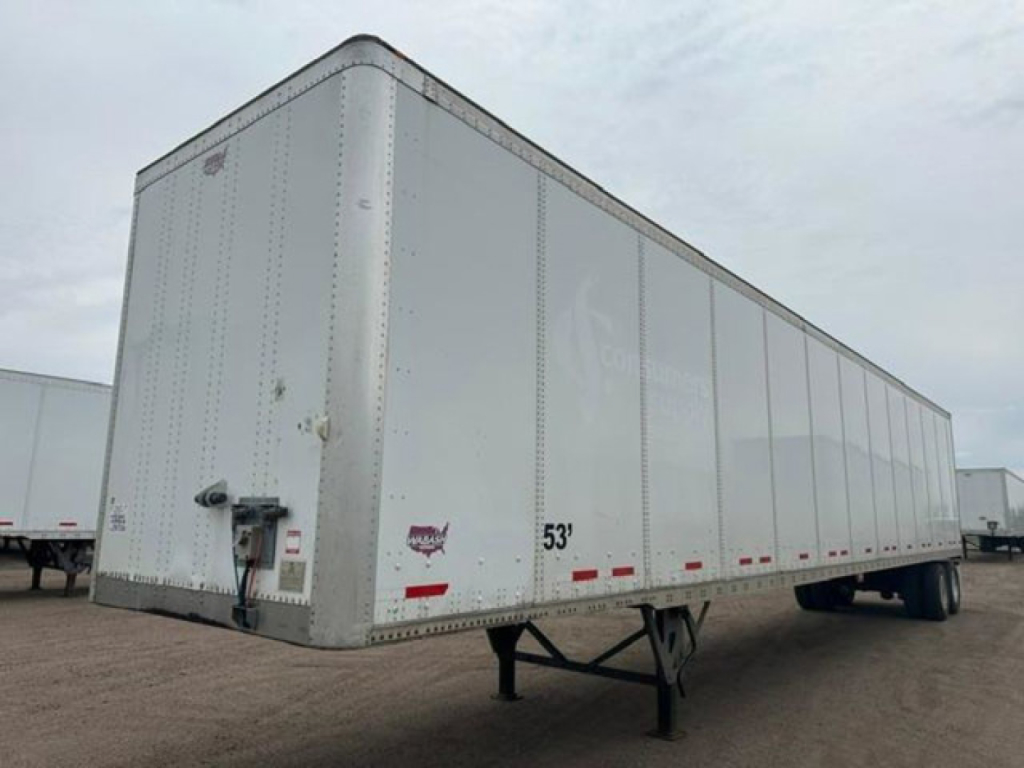
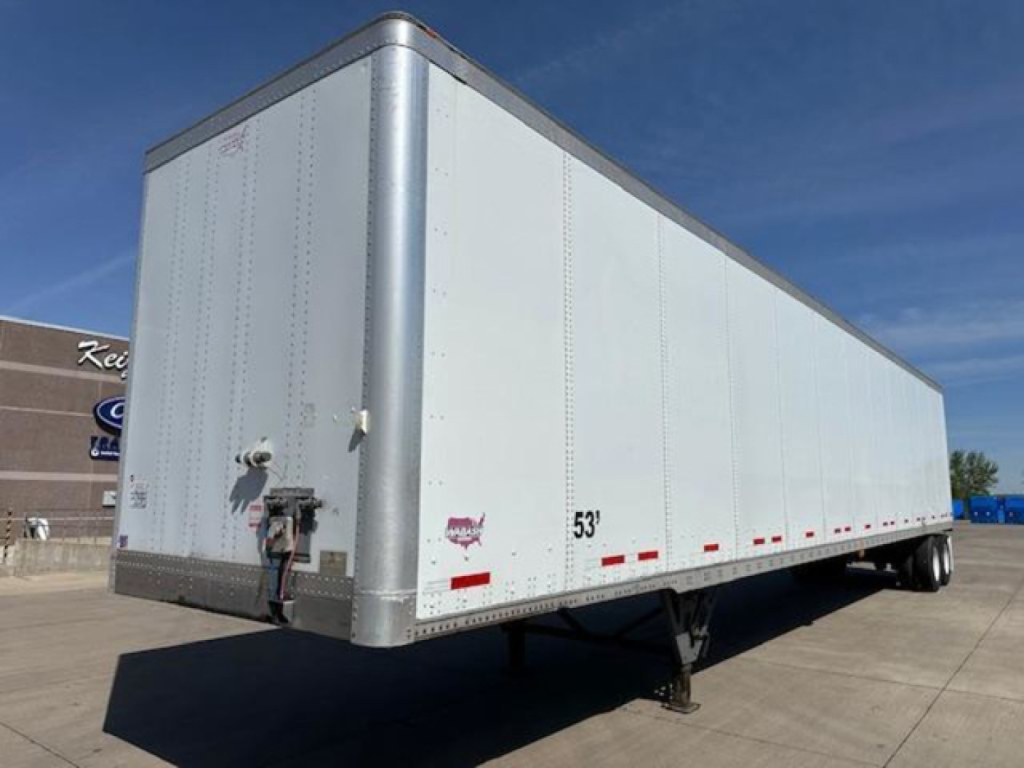
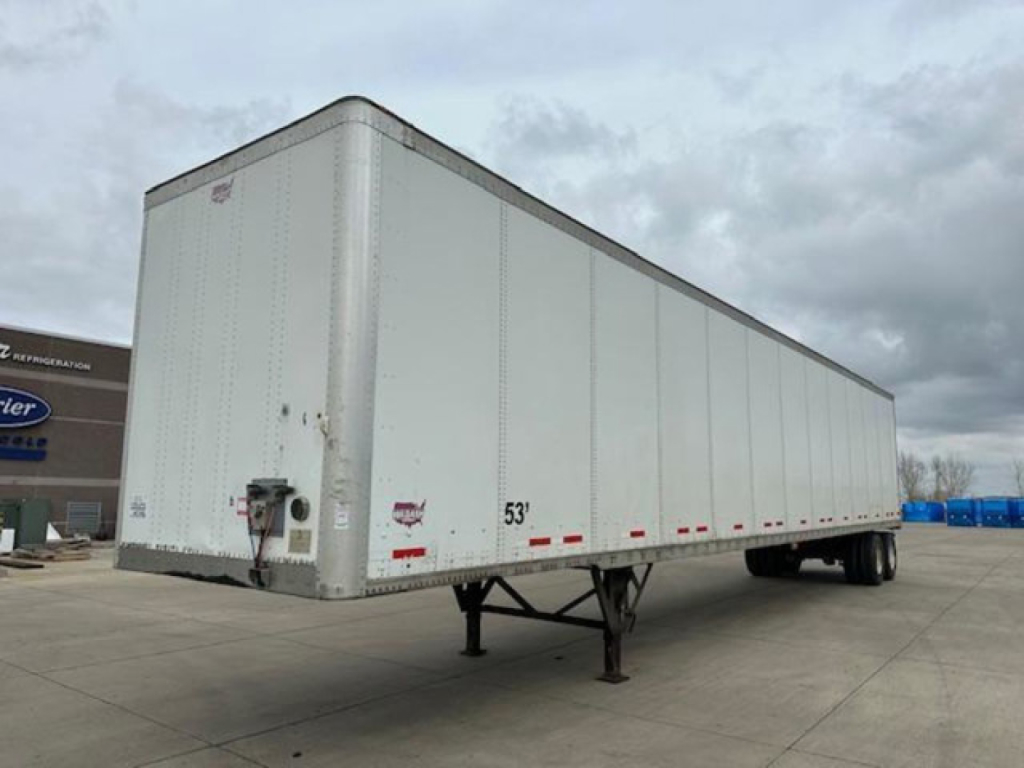
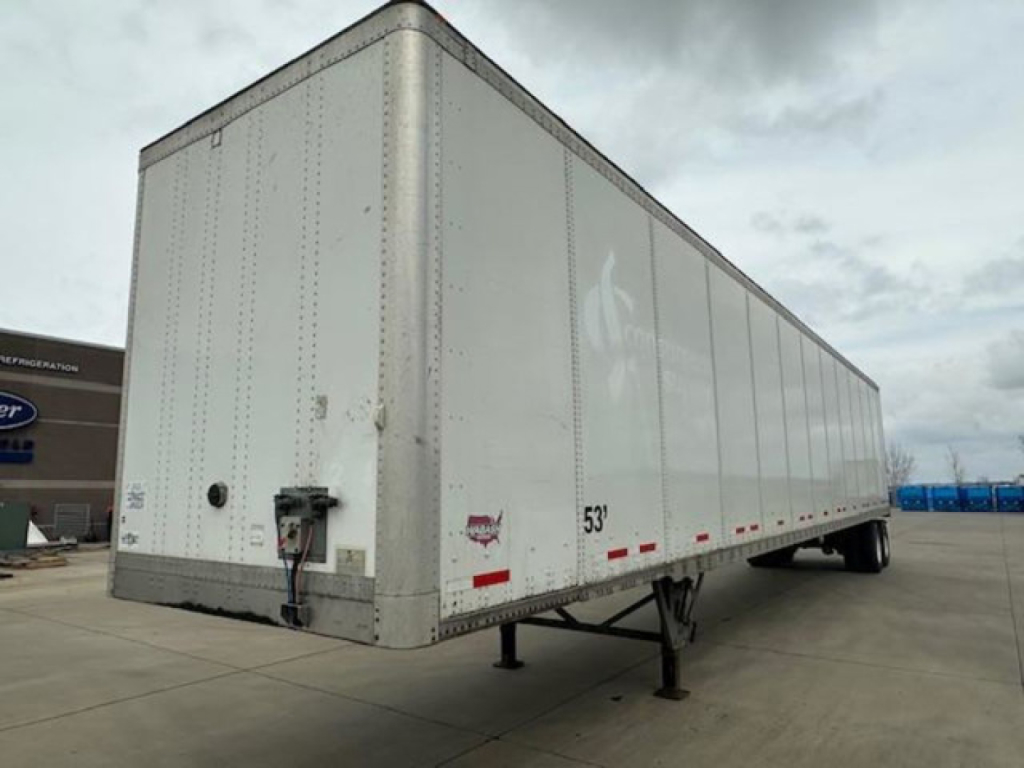
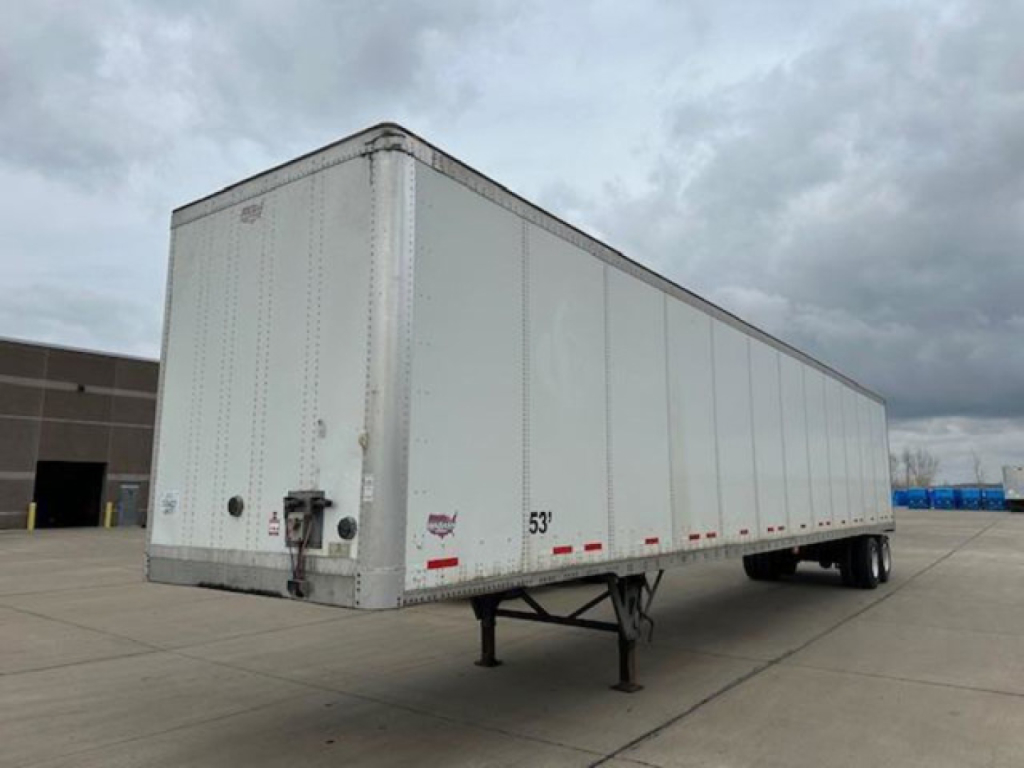
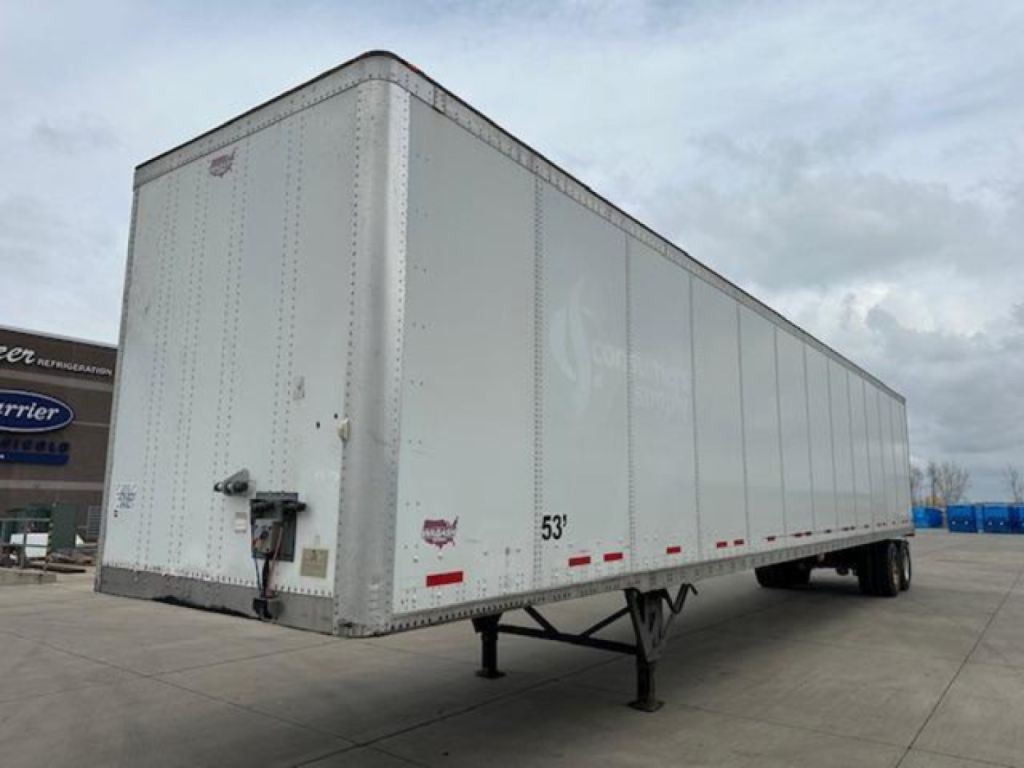
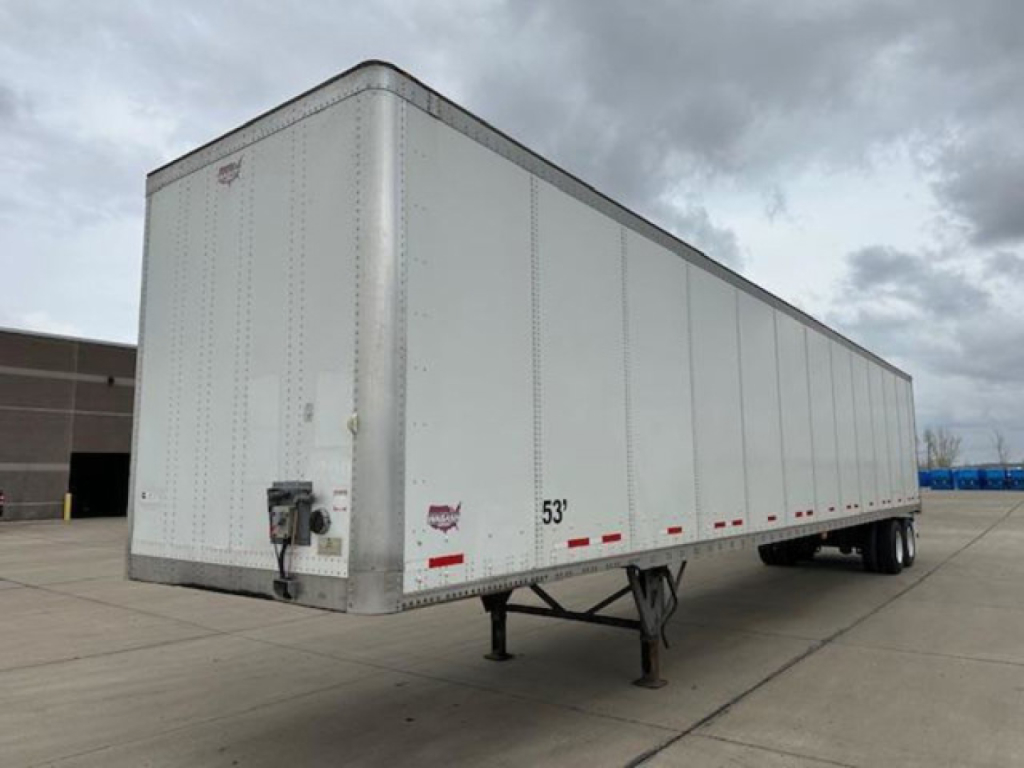
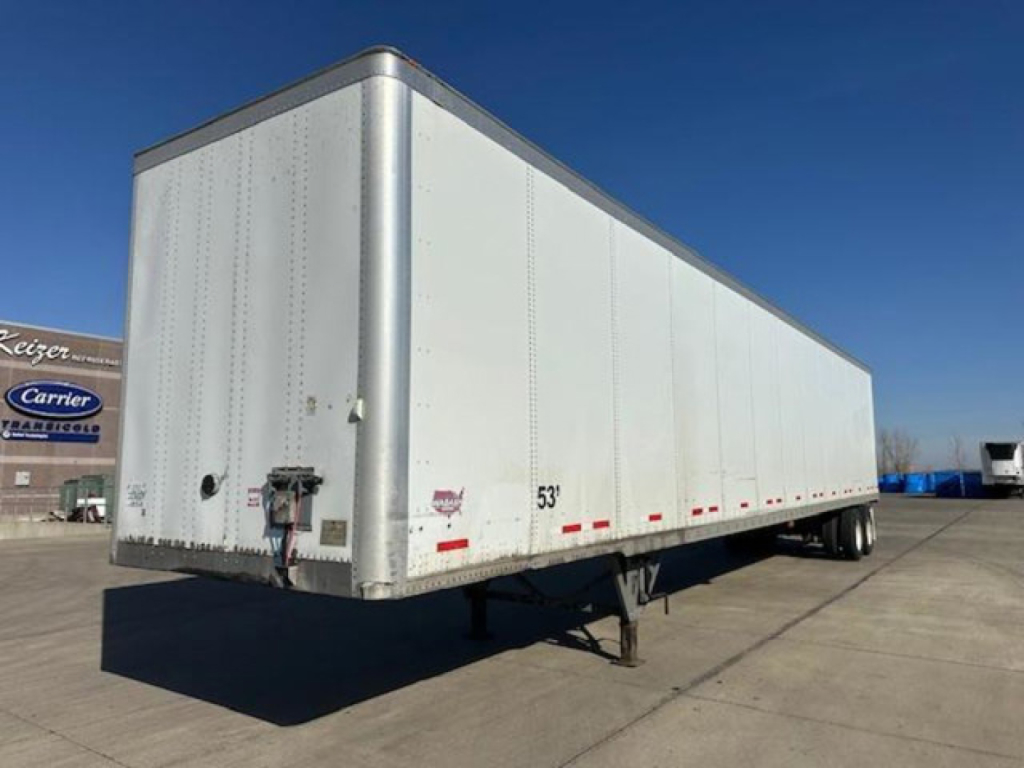
Showing 25 to 35 of 35 results
Have used 2016 trailer to sell? List it here to reach thousands of buyers.
About Used 2016 Trailers in Iowa
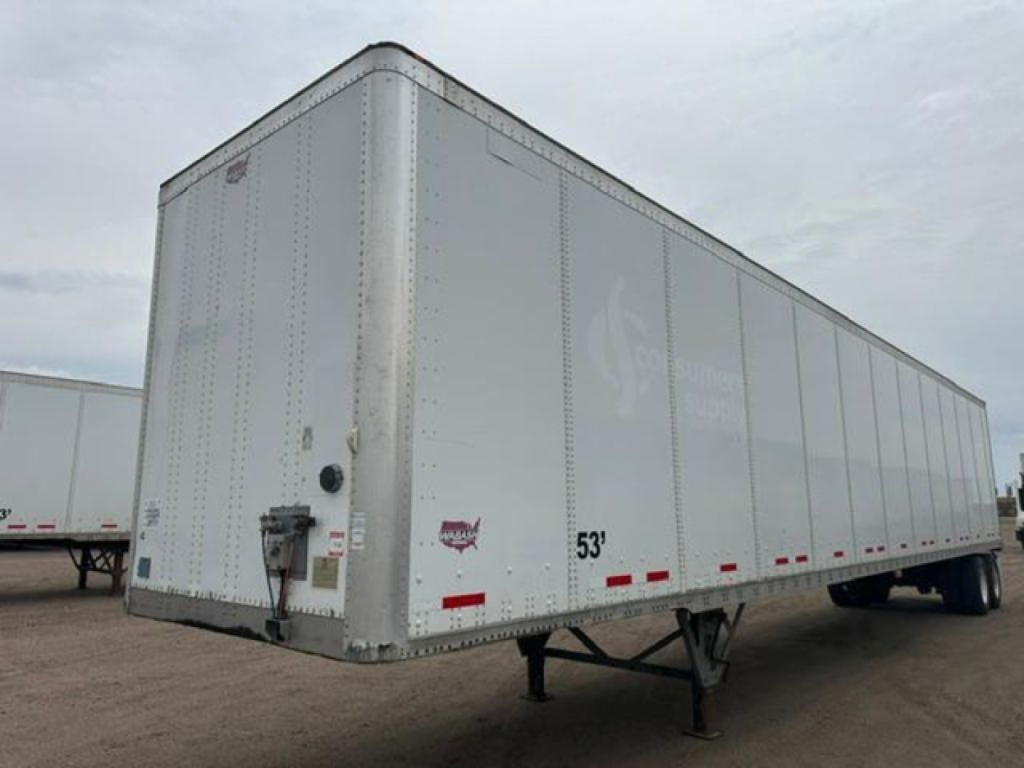
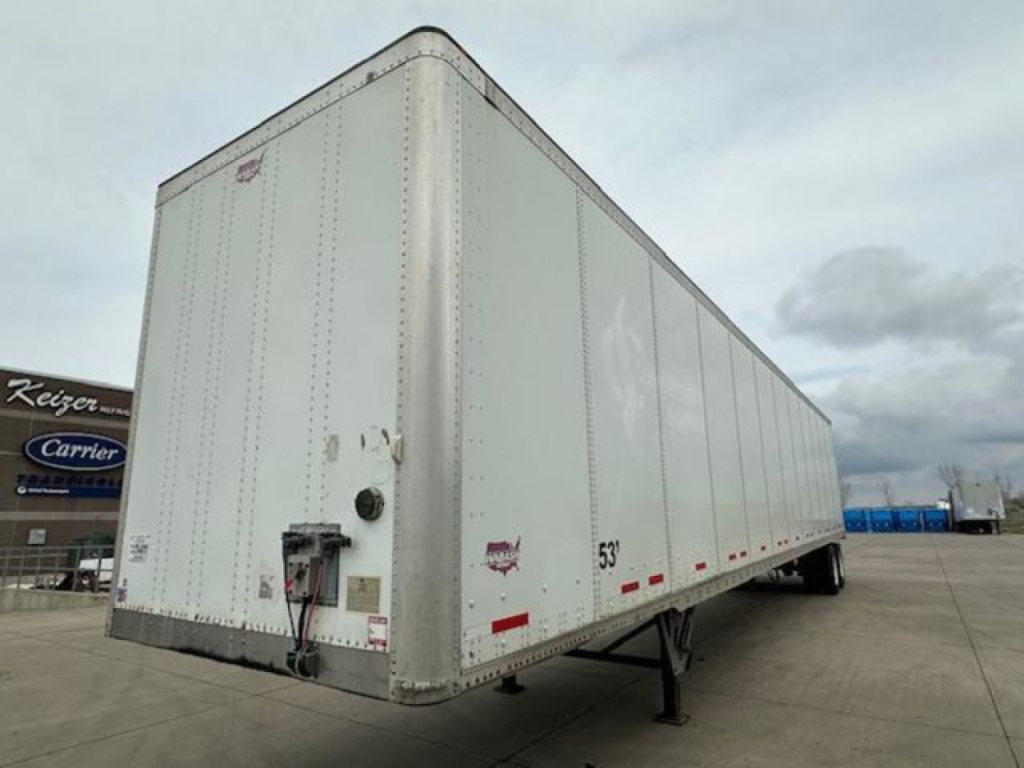
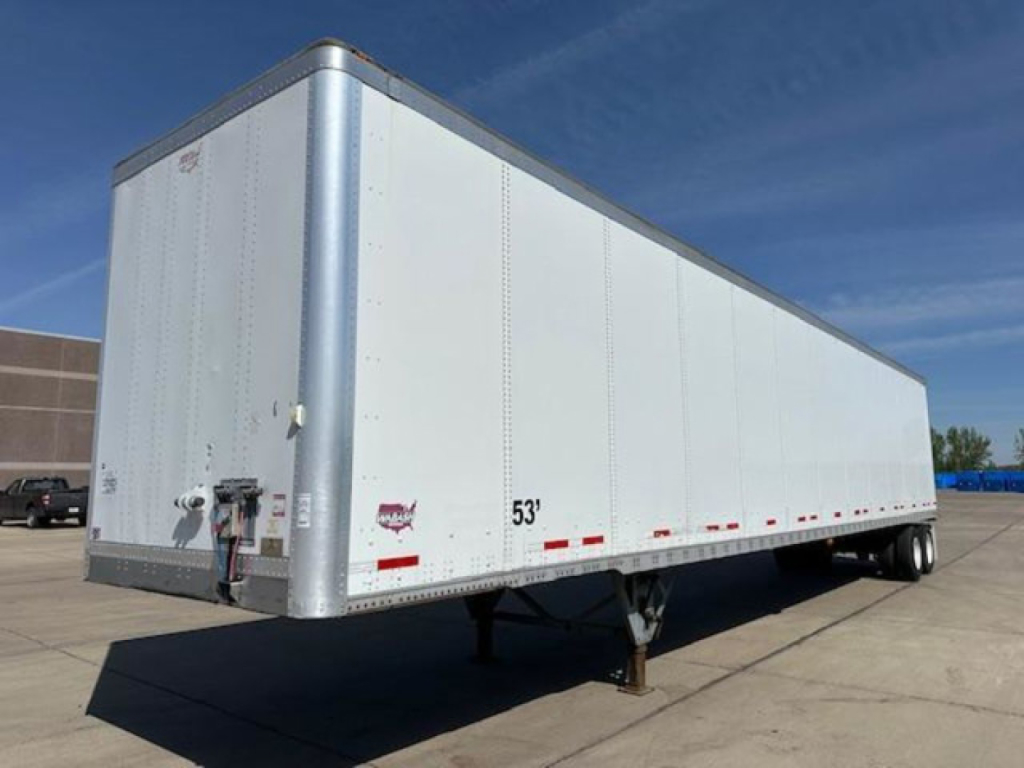
For dry van buyers, the most common setup is a 53x102 van with air ride suspension, swing or roll-up rear doors, wood or laminated floors, aluminum roof construction, and plastic or plywood-style interior liners. Features such as PSI tire inflation systems, high base rails, plated specifications, and translucent roofs are worth noting because they affect operating cost, dock visibility, and long-term durability. If the trailer will stay in Iowa or other Midwest lanes, pay close attention to undercarriage corrosion, crossmember condition, rear frame wear, and signs of repeated dock impact. Tire matching, brake life, and suspension bushing wear can tell you a lot about how the trailer was maintained.
On refrigerated and specialty enclosed units, buyers should look beyond the box itself. Reefer trailers from this age may be sold with or without a functioning refrigeration unit, and that changes value significantly. Interior lining, floor type, side doors, and rear door configuration matter if the trailer is being used for produce, beverage, liquid tender support, or route delivery. Multi-temp and distribution applications may favor curbside doors and roll-up access, while standard dock freight usually favors a simpler rear-door layout. Domestic containers and storage-oriented units are another part of the market, often built with steel structures, high floor ratings, and stacking or handling features that suit yard storage, drayage, and intermodal-related freight needs.
A good used 2016 trailer should be matched to freight first, then to operating region and maintenance budget. Dry freight fleets may prioritize low tare weight and floor life. Regional operations may care more about door durability, dock damage history, and easy-to-service components. Buyers running dense freight should verify floor rating, crossmember spacing, and evidence of prior forklift damage. In Iowa, where weather, road salt, and seasonal temperature swings matter, water intrusion, roof repairs, and corrosion around the slider area, light wiring, and rear sill deserve a close inspection. The best purchase is usually the trailer with the most usable life left in its structure, not simply the lowest upfront price.
Frequently Asked Questions
What types of used 2016 trailers are most common on the market?
The most common used 2016 trailers are 53-foot dry vans, refrigerated trailers, and domestic containers. Dry vans are typically used for general freight and retail distribution, while reefers handle temperature-sensitive freight and specialty enclosed applications. Domestic containers are often used in storage, drayage, and intermodal service. Specs vary by prior application, so the same model year can include very different trailer configurations.
What should I inspect first on a used 2016 trailer?
Start with structural condition. Check the frame rails, crossmembers, rear sill, landing gear mounts, suspension hangers, and roof for repairs, corrosion, or damage. Then inspect the floor for forklift wear, soft spots, and patchwork. After that, review tires, brakes, wheel ends, door seals, lights, and ABS function. On reefer units, verify whether the refrigeration unit is present, operational, and supported by service records.
Is air ride suspension important on a 2016 trailer?
Air ride suspension is important for many buyers because it improves ride quality, helps protect sensitive freight, and is common in van and reefer applications. It can also help with dock approach consistency and cargo stability. The tradeoff is that air systems add components that need inspection, including bags, valves, bushings, shocks, and ride height controls. A properly maintained air ride trailer is usually preferred in general freight and food-grade service.
Are roll-up doors or swing doors better on a used trailer?
That depends on the freight and loading environment. Roll-up doors are useful in route delivery, tight docks, and operations where rear clearance is limited, but they can reduce rear opening height and add maintenance points. Swing doors usually provide a full opening and simpler hardware, which many linehaul and dock operations prefer. On a used 2016 trailer, door condition matters as much as door type, so check hinges, tracks, seals, and evidence of repeated impact.
How does Iowa use affect the condition of a used trailer?
Iowa service can be hard on trailers because of road salt, freeze-thaw cycles, and heavy seasonal freight demands. Corrosion on the undercarriage, slider assembly, brake components, and electrical connections is common if maintenance has been deferred. Buyers should inspect for rust scale, seized slider pins, moisture intrusion, and cracked seals. A trailer that spent time in Midwest service can still be a strong buy, but only if the structure and running gear have been maintained consistently.