
Used 2015 Trailers For Sale in New York
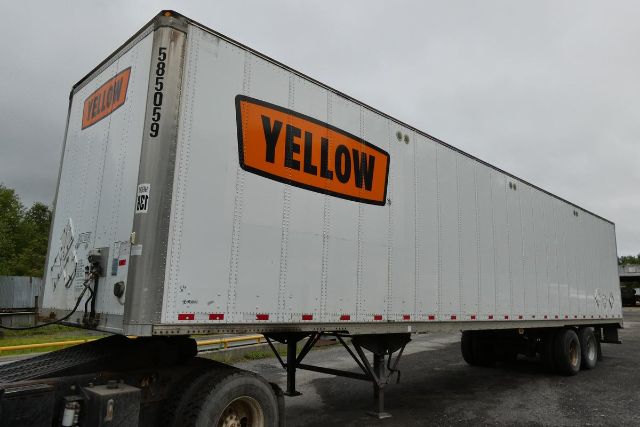
Browse used 2015 trailers in New York, including dry vans and other common specs, axle setups, dimensions, and buyer inspection points.
Learn more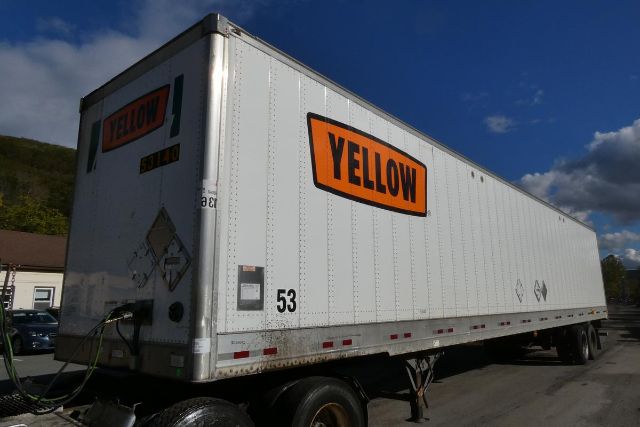
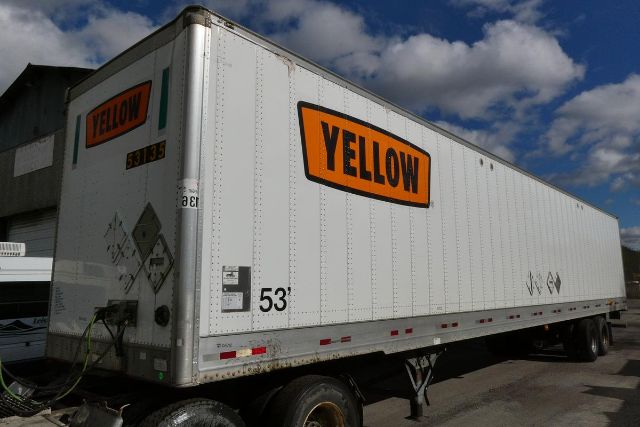
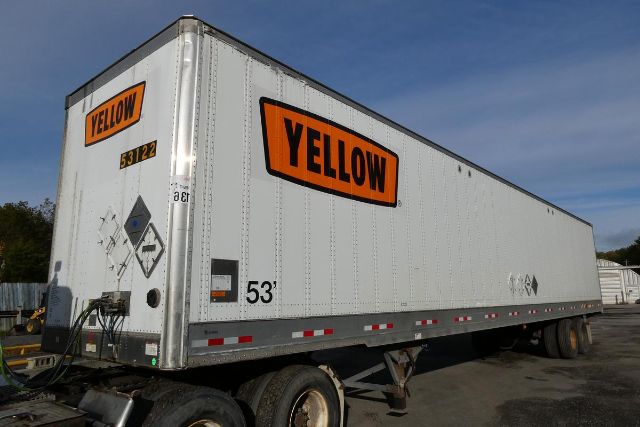
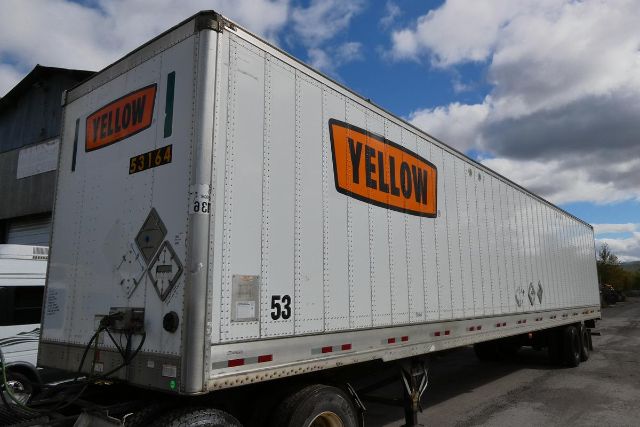
Showing 13 to 17 of 17 results
Have used 2015 trailer to sell? List it here to reach thousands of buyers.
About Used 2015 Trailers in New York
On van trailers, also known as dry vans or enclosed freight trailers, common specs in this age group include tandem axles, 68,000-pound GVWR, wood-over-steel floors, roll-up or swing doors, and a mix of aluminum and steel construction. A 2015 trailer often sits in the practical middle ground where parts support is straightforward and spec familiarity is high for drivers and shop technicians. Buyers should pay close attention to suspension type, kingpin wear, crossmember condition, floor rot, door frame damage, roof leaks, sidewall repairs, and the amount of tire and brake life left. In Northeast service, corrosion matters. New York road salt can accelerate rust on rear frames, slider assemblies, landing gear brackets, brake components, and wiring connections.
If the trailer will run urban freight, LTL, grocery, parcel, or distribution work, look closely at overall height, inside clearance, door opening dimensions, and how the axle spread or slider position affects dock access and bridge law compliance. Trailer tare weight also matters more than many buyers expect. A lighter spec can add payload flexibility, but a heavier-duty build may hold up better under forklift traffic, dense freight, or rough yard use. Features like tire inflation systems, scuff liners, logistic posts, liftgate prep, and duct flooring can make a real difference depending on cargo profile and route structure.
The best used 2015 trailer is usually the one with the clearest maintenance history and the right spec for the work, not simply the lowest asking price. Check DOT inspection history, verify VIN tags, inspect axle alignment and tire wear patterns, and confirm that repairs were done correctly rather than cosmetically. For New York buyers, it also makes sense to think about winter uptime, parts availability, and how easily the trailer integrates with existing tractors, shops, and loading practices. A well-maintained 2015 trailer can still deliver dependable service in regional, dedicated, and over-the-road operations when the structure, running gear, and freight setup all line up with the job.
Frequently Asked Questions
What should I inspect first on a used 2015 trailer?
Start with the structural items and running gear. Check the frame, crossmembers, floor condition, roof, rear frame, suspension components, brakes, wheel ends, and slider rails before focusing on cosmetic issues. On any used 2015 trailer, uneven tire wear, cracked welds, rotten floor sections, door alignment problems, and corrosion around the suspension hangers or landing gear can tell you more about long-term cost than paint or panel appearance.
Is a 2015 trailer still a good age for commercial service?
Yes, a 2015 trailer can still be a productive asset if it has been maintained properly and the major structural components are sound. This model year is often old enough to offer lower acquisition cost while still being new enough for common parts availability, standard dimensions, and familiar fleet specifications. The real question is condition, maintenance history, and whether the trailer was built for the freight and routes you plan to run.
What trailer specs matter most for New York operations?
In New York, buyers usually need to pay close attention to overall length, axle configuration, sliding tandem operation, suspension type, brake condition, and corrosion exposure. Dense urban deliveries, tight docks, toll roads, and winter road treatment can all influence the best trailer choice. Height and door opening dimensions also matter for warehouse compatibility, while rust on frames, sliders, and brake hardware is especially important in Northeast service.
Are dry van trailers the most common used 2015 trailer type?
Dry van trailers are among the most common used trailer categories from this model year because they serve general freight, retail distribution, parcel, and LTL operations. A typical 2015 dry van may include 48-foot or 53-foot length, 102-inch width, tandem axles, wood-over-steel flooring, and aluminum or composite wall construction. They are popular because they are versatile, easy to integrate into mixed fleets, and widely supported for parts and repairs.
How important is suspension type on a used trailer?
Suspension type affects ride quality, cargo protection, maintenance cost, and long-term durability. Air ride suspension is often preferred for sensitive freight and smoother operation, while spring suspension can be simpler and familiar in certain applications. On a used 2015 trailer, the key is less about which type is installed and more about the condition of bushings, airbags or springs, shocks, alignment, and how the suspension has worn over time under actual fleet use.