
Used 2015 Trailers For Sale in Nebraska

Have used 2015 trailer to sell? List it here to reach thousands of buyers.
Used 2015 Trailers in Nebraska
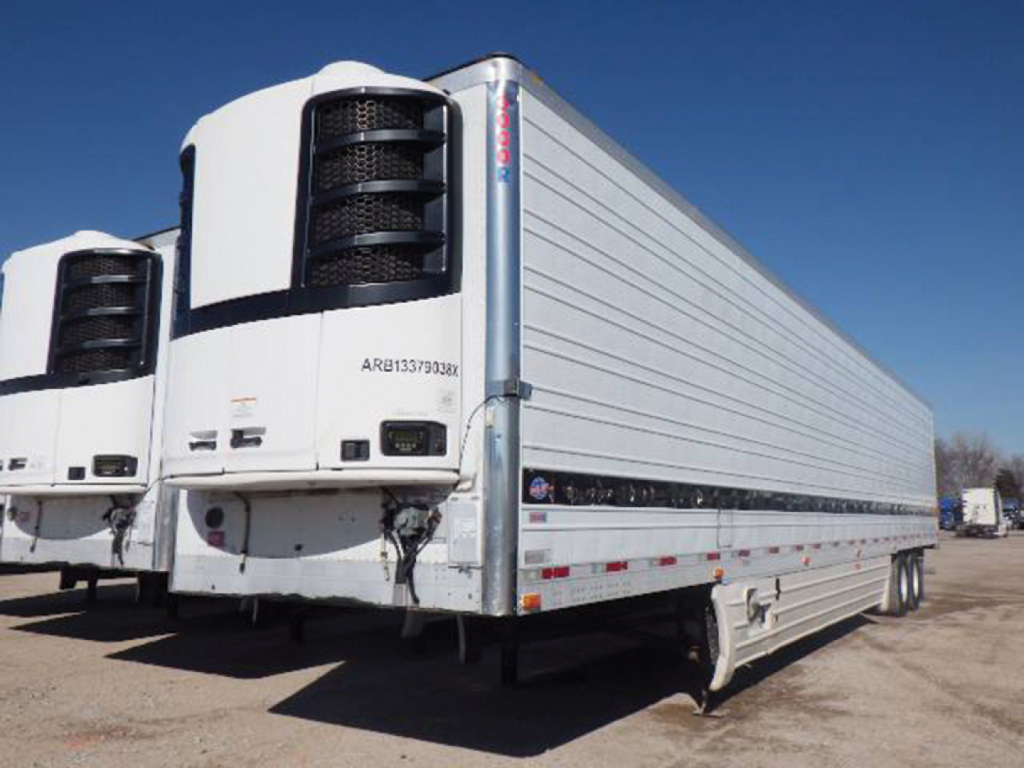
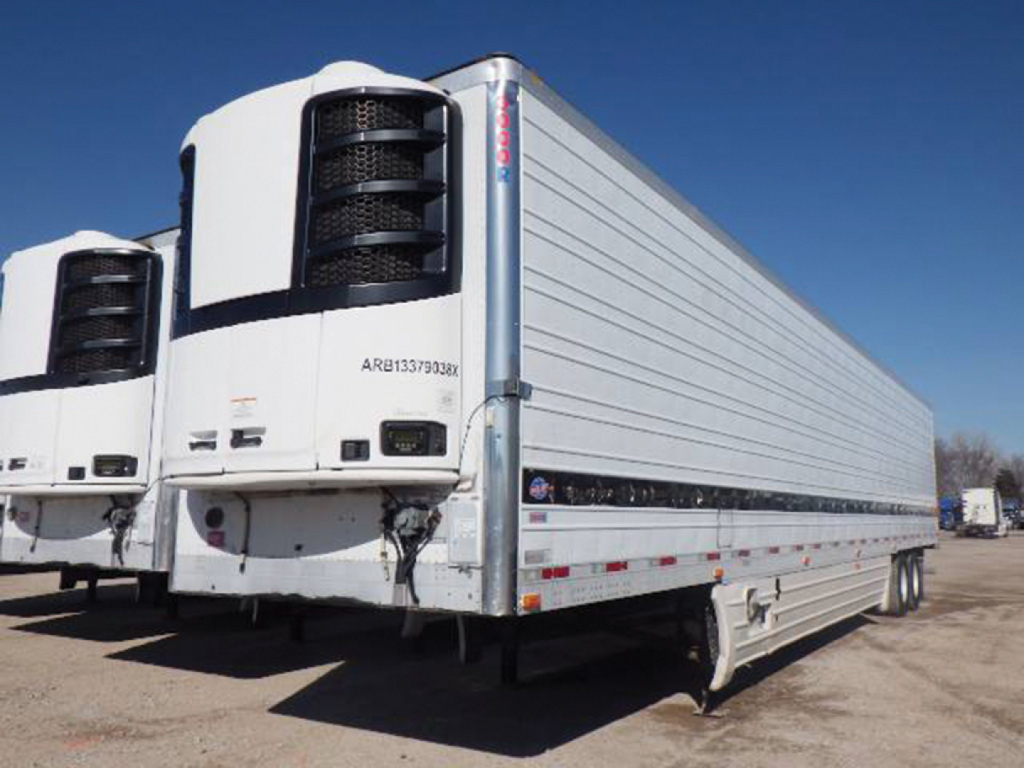
The first buying decision is usually trailer type. A 2015 dry van trailer, also known as an enclosed van trailer, fits general freight, palletized goods, and dock-to-dock lanes where cargo protection and cube matter most. A 2015 reefer trailer adds temperature control for produce, frozen freight, dairy, meat, and other sensitive loads, but buyers should pay close attention to reefer unit hours, service records, fuel tank condition, evaporator performance, and floor wear. In Nebraska, where freight can range from food products to retail and agricultural support loads, both dry vans and reefers remain strong choices depending on lane mix and customer base.
Condition matters more than age on a used 2015 trailer. Buyers should inspect the roof, sidewalls, rear frame, door seals, floor condition, crossmembers, suspension components, brakes, and tandem slide operation. On dry vans, look closely at interior lining, threshold plate wear, and signs of forklift damage around the first several feet of the body. On reefers, inspect the bulkhead, chute, drains, return air path, and any damage to the duct floor that could affect temperature management. Common spec upgrades from this era include disc brakes, tire inflation systems, side skirts, stainless steel rear frames, and aluminum wheels, all of which can affect maintenance cost, weight, and resale.
Nebraska buyers should also think about operating environment and compliance. Interstate work across I-80 and surrounding freight corridors puts a premium on reliable brakes, sound tires, and suspension that tracks well under varying load weights. Sliding tandem position, kingpin setting, axle spread, and overall empty weight all influence bridge law flexibility and payload efficiency. A well-maintained used 2015 trailer can still be a productive asset for regional fleets, owner-operators, and shippers running dedicated lanes, especially when the trailer spec matches the freight instead of simply matching the price.
Frequently Asked Questions about Used 2015 Trailers in Nebraska
What are the most common types of used 2015 trailers for sale in Nebraska?
The most common used 2015 trailers in Nebraska are 53-foot dry vans and 53-foot reefer trailers. Dry vans are used for general freight and protected cargo, while reefers are designed for temperature-controlled freight. Many units from this model year were built with air ride suspension, sliding tandems, swing doors, and fleet-oriented specs that still fit regional and over-the-road service.
What should I inspect first on a used 2015 trailer?
Start with the structure and running gear. Check the roof, floor, sidewalls, rear frame, suspension, brakes, tires, wheels, and tandem slide. On dry vans, inspect scuff damage, lining condition, and floor rot or forklift wear. On reefer trailers, check reefer unit hours, service history, door seals, duct floor condition, bulkhead integrity, and evidence of poor temperature retention.
Is a 2015 reefer trailer still a good buy?
A 2015 reefer trailer can still be a solid buy if the box is tight and the refrigeration unit has been maintained properly. The key factors are unit hours, maintenance records, cooling performance, fuel system condition, and the condition of the floor and interior air management components. A cheaper reefer with deferred maintenance can become more expensive than a better-kept trailer with a higher purchase price.
What specs matter most on a used 2015 dry van trailer?
The most important dry van specs are trailer length, suspension type, brake type, floor construction, door configuration, and logistics setup. Buyers should also look at tire size, wheel material, tandem adjustability, and interior protection such as scuff liners or scuff plates. These details affect payload, maintenance cost, loading efficiency, and how well the trailer fits common freight lanes.
Why does trailer spec matter so much in Nebraska?
Nebraska operations often combine interstate highway miles, agricultural freight exposure, and strong seasonal weather swings. That makes brake condition, tire quality, suspension performance, and trailer sealing more important than on lightly used local equipment. Buyers running across I-80 or into surrounding Midwest markets benefit from a trailer with the right tandem setup, dependable running gear, and a body that stays tight under year-round use.