
Used 2015 Utility Trailers For Sale in Nebraska

Have used 2015 utility trailer to sell? List it here to reach thousands of buyers.
Used 2015 Utility Trailers in Nebraska
For dry van buyers, key checkpoints include floor condition, lining type, roof integrity, rear frame condition, and suspension setup. Utility vans are known for lightweight aluminum construction, and many are spec'd with air ride suspension, sliding tandems, swing doors, scuff liners, logistics posts, and wood or composite flooring. Buyers should look closely at crossmember condition, door seals, threshold wear, and tire match, especially on trailers that have spent years in high-cycle dock service. In Nebraska and surrounding freight lanes, sliding tandem position and axle spread compliance matter for bridge laws and shipper requirements, so tandem rail wear and pin function deserve a careful inspection.
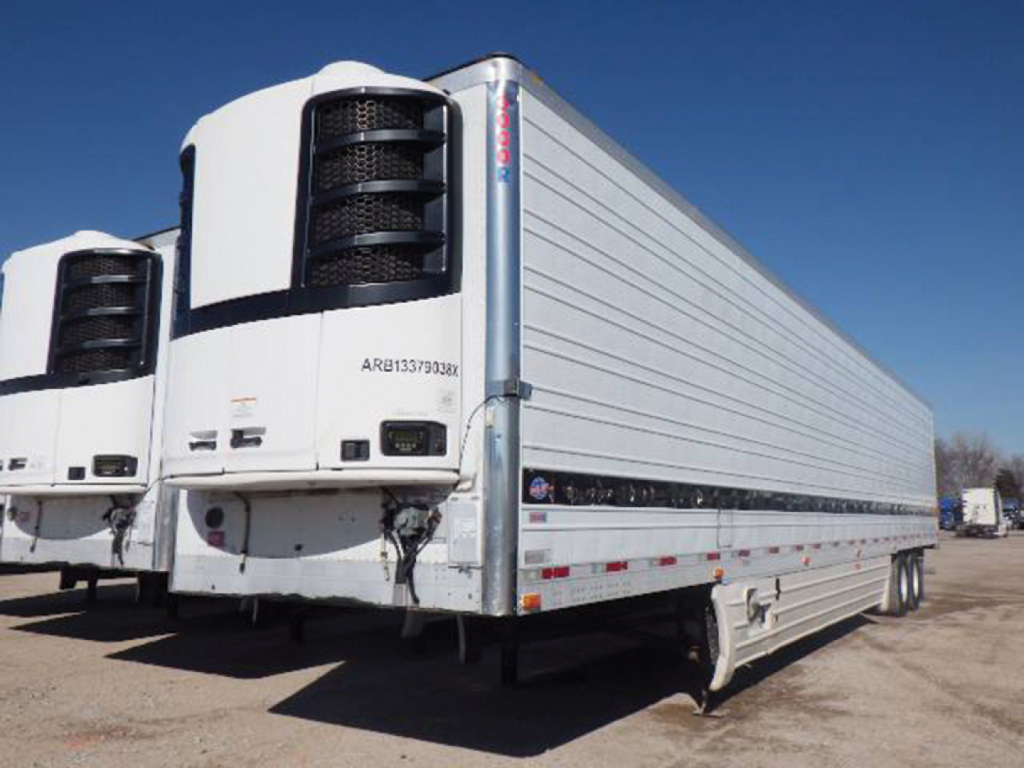
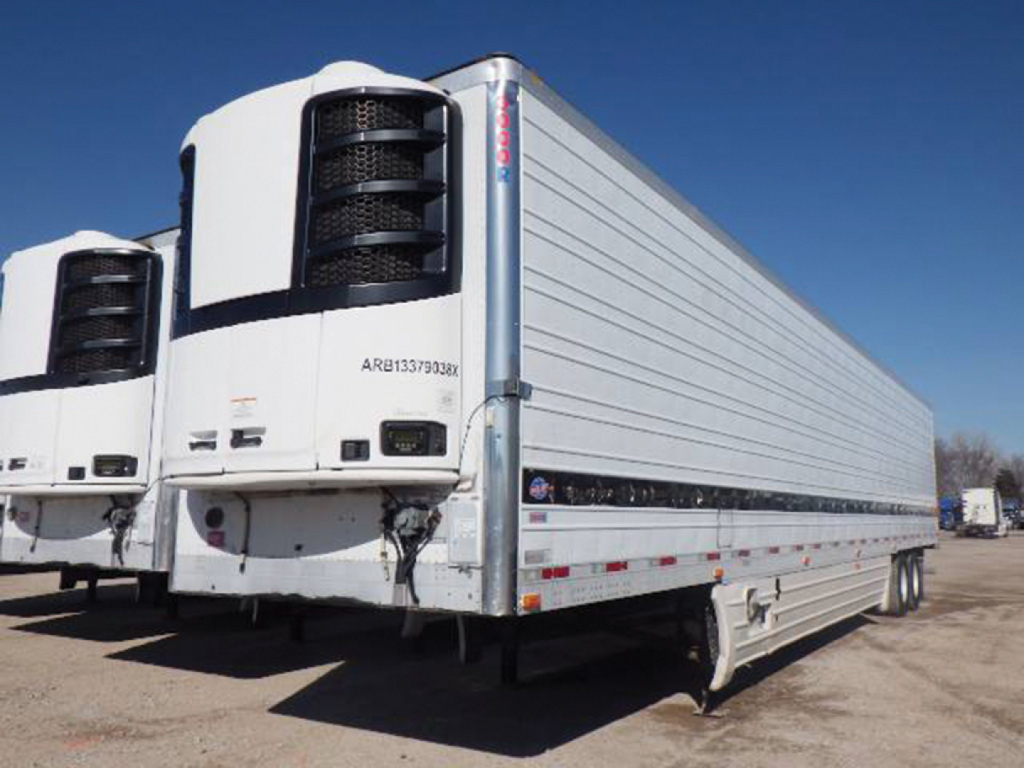
On reefer models, the refrigeration unit and insulated body matter as much as the trailer itself. A used 2015 Utility reefer may be equipped with features like duct floors, flat floors, cold chutes, stainless front radius panels, scuff plates, and either swing or roll-up rear doors. Buyers should verify reefer hours, unit service history, return air performance, floor channel condition, and the state of bulkheads, door gaskets, and interior liners. If the trailer will handle multi-stop distribution, details like liftgate condition, air chute integrity, and temperature recovery times become more important than simply checking that the unit starts and runs.
Utility trailers tend to hold value because the brand is well known in van and refrigerated applications, and replacement parts are generally straightforward to source. A solid used 2015 trailer should be judged by structural condition, maintenance records, tire and brake life, wheel-end service history, and how well the spec matches the intended freight. For buyers comparing many listings, the most useful approach is to separate cosmetic wear from true structural or refrigeration-related issues. A clean sidewall matters less than floor life, rear frame condition, suspension health, and, on reefers, a documented record of unit performance under load.
Frequently Asked Questions about Used 2015 Utility Trailers in Nebraska
What should I inspect first on a used 2015 Utility trailer?
Start with the trailer’s structure and application-specific wear points. On a dry van, inspect the floor, roof, rear frame, crossmembers, door hardware, and tandem slider system. On a reefer, add the refrigeration unit, insulated walls, floor channels, door seals, and air delivery components. Tire condition, brake life, and wheel-end service are important on both types because those items can quickly change the real cost of ownership after purchase.
Are 2015 Utility trailers common in both dry van and reefer configurations?
Yes. Utility is widely recognized for both dry van and refrigerated trailer production, and 2015 model-year units are commonly found in 53-foot over-the-road specs. Dry vans are often seen in the 4000D-X family, while reefers are frequently found in the 3000R line. The right choice depends on freight type, loading pattern, and whether temperature control, duct flooring, or multi-temp capability is needed.
Why does sliding tandem condition matter on a used trailer?
Sliding tandem condition affects legal axle placement, load distribution, and everyday usability. Worn rails, sticky pins, or damage around the slider assembly can create problems with bridge compliance and shipper dock requirements. In regional and long-haul operations through Nebraska and nearby states, the ability to reposition tandems smoothly is not a minor convenience. It is a basic operating requirement.
What are the main differences between a Utility dry van and a Utility reefer?
A Utility dry van is built for general freight and usually prioritizes payload, dock durability, and cargo securement. A Utility reefer adds insulated construction and a refrigeration unit for temperature-sensitive freight. Reefer buyers also need to consider unit hours, maintenance intervals, fuel system condition if self-powered, and the integrity of the insulated body. Even if two trailers share similar dimensions, the maintenance profile and operating cost can be very different.
Is a used 2015 Utility trailer still a practical fleet purchase?
It can be, provided the trailer has been maintained correctly and the spec matches the job. Many fleets continue to run 2015-era Utility trailers because the design is familiar, parts access is good, and the equipment can still perform well in regional or over-the-road service. The best value usually comes from trailers with documented maintenance, sound structural components, and enough remaining life in the tires, brakes, floor, and suspension to avoid immediate shop expense.