
Used 2014 Trailers For Sale in Pennsylvania
Shop used 2014 trailers for sale in Pennsylvania. Compare van, flatbed, and specialized trailer specs, applications, dimensions, and running gear.
Learn more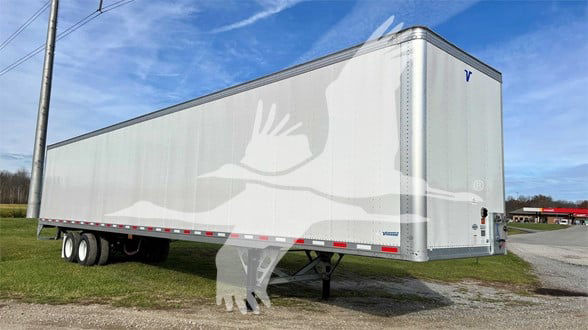
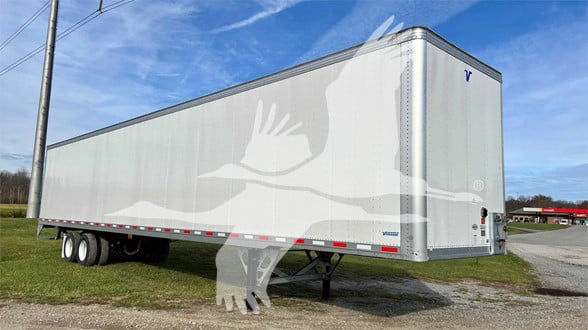
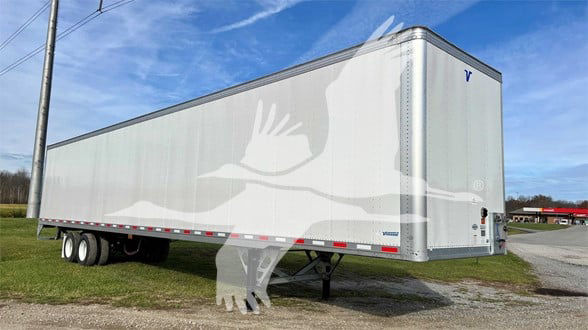
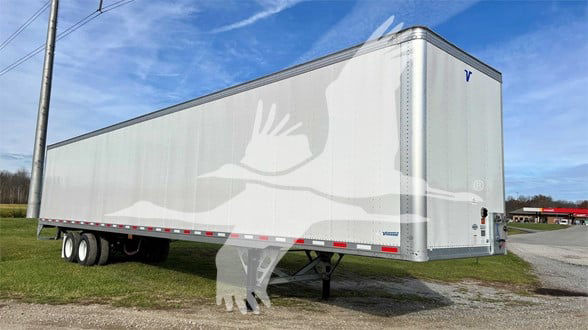
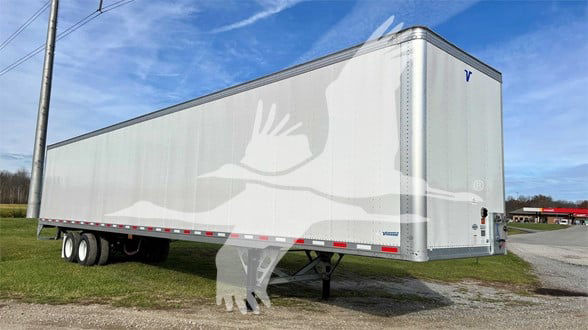
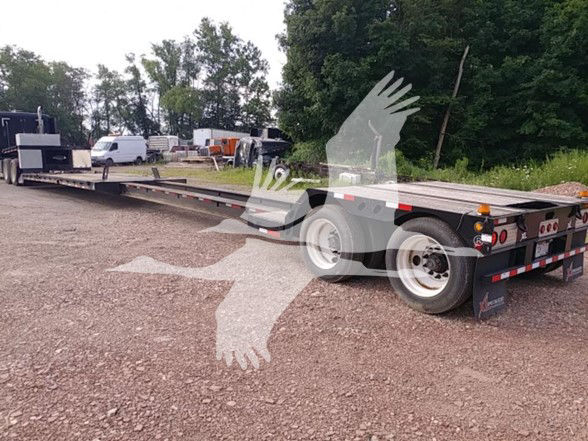
Showing 13 to 18 of 18 results
Have used 2014 trailer to sell? List it here to reach thousands of buyers.
About Used 2014 Trailers in Pennsylvania
Condition matters more than model year alone on a used 2014 trailer. Buyers should focus on frame integrity, crossmember condition, floor wear, roof and wall repairs on vans, and suspension and brake history across all trailer types. In Pennsylvania, road salt and winter exposure make corrosion checks especially important around rear frames, landing gear mounts, crossmembers, slider boxes, wiring, and brake components. On dry vans, look closely at scuff liners, logistics posts, rear door frame alignment, threshold plate wear, and signs of prior sidewall damage. On flatbeds, pay attention to the deck, side rails, winch track condition, coil package setup, and any cracking near concentrated load points.
Common specs on 2014 trailers vary by application, but many highway units in this class use tandem axles, air ride suspension, 22.5 low-profile tires or 295/75R22.5 rubber, and two-speed landing gear. Dry vans often carry 36-inch kingpin settings, 49-inch tandem settings, 12-inch crossmember spacing, hardwood floors, aluminum roofs, and swing doors. Flatbeds and equipment trailers may include aluminum or steel construction, Apitong or aluminum floors, chain slots, D-rings, pipe spools, sliding winches, and disc or drum brakes. Buyers matching a trailer to existing tractors should verify kingpin setting, overall weight, axle spread, and bridge-law compliance, especially if the trailer will run regional Pennsylvania lanes, the Northeast corridor, or heavier commodity routes.
A used 2014 trailer can still be a strong value if the configuration fits the freight and the maintenance history is clear. Dry vans are usually the lower-complexity option for general freight operations. Flatbeds reward buyers who need payload efficiency and flexible securement. Hydraulic traveling axle trailers suit contractors, machinery movers, and fleets handling taller or heavier equipment where load angle and deck position matter. The best purchase is usually the one with the right body style, sound understructure, legal dimensions, and running gear that can be serviced easily in your operating area.
Frequently Asked Questions
What should I inspect first on a used 2014 trailer?
Start with the frame, suspension, brakes, tires, wheels, and structural mounting points. On a 2014 trailer, age-related wear is often more important than the badge on the nose. Check for corrosion, cracked welds, bent crossmembers, floor soft spots, uneven tire wear, air leaks, brake chamber condition, and signs of repeated heavy loading. On van trailers, add roof bows, sidewalls, rear door seals, and floor fasteners to the inspection list.
Are 2014 trailers still a good buy for commercial use?
Yes, a 2014 trailer can still be a productive commercial asset if it has been maintained correctly and the configuration matches the job. Many trailers from this model year remain viable in regional and over-the-road service because trailer life is heavily influenced by maintenance, corrosion exposure, and load type. Buyers should evaluate service records, inspection status, major component replacements, and structural condition rather than relying only on age.
Which 2014 trailer type is best for Pennsylvania freight?
That depends on the commodity and route profile. Dry vans are the standard choice for palletized freight, consumer goods, and dock-to-dock work. Flatbeds fit steel, lumber, construction materials, and machinery that cannot be loaded into an enclosed trailer. Specialized hydraulic trailers are better for equipment and jobsite transport. Pennsylvania operators should also account for winter road treatment, tighter urban deliveries, and Northeast bridge and weight considerations when choosing trailer setup.
What specs matter most when comparing used 2014 trailers?
The most important specs are trailer type, length, width, axle configuration, suspension type, brake setup, kingpin setting, deck or floor construction, and tare weight. Dry van buyers should also compare interior height, door opening, scuff protection, and crossmember spacing. Flatbed and equipment trailer buyers should focus on deck material, securement points, load rating, winch equipment, and axle spread. These details affect legal payload, tractor compatibility, serviceability, and how well the trailer fits the intended freight.