
Used 2014 Trailers For Sale in New York
Browse used 2014 trailers in New York, including dry vans, pup trailers, and drop decks with specs that matter for freight, compliance, and uptime.
Learn more
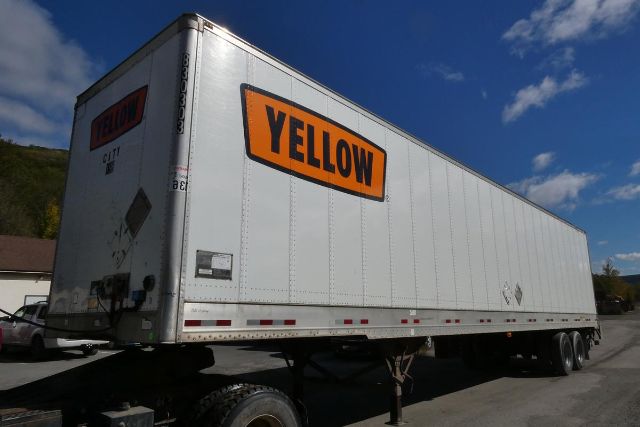
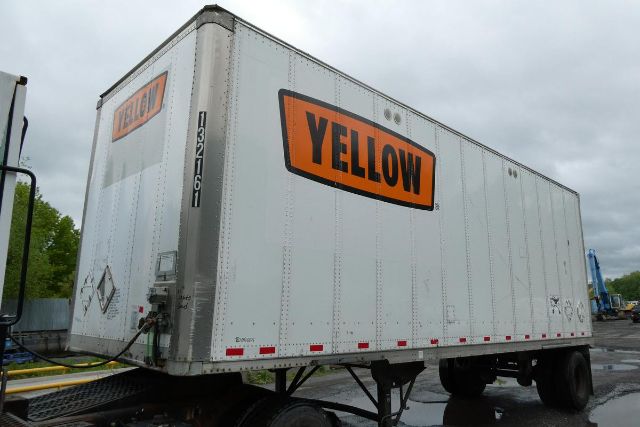
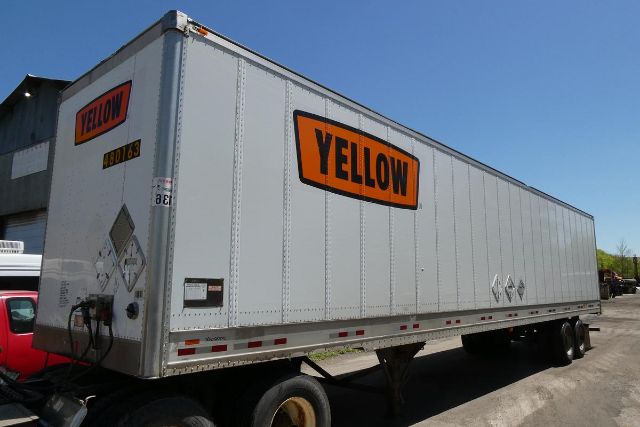
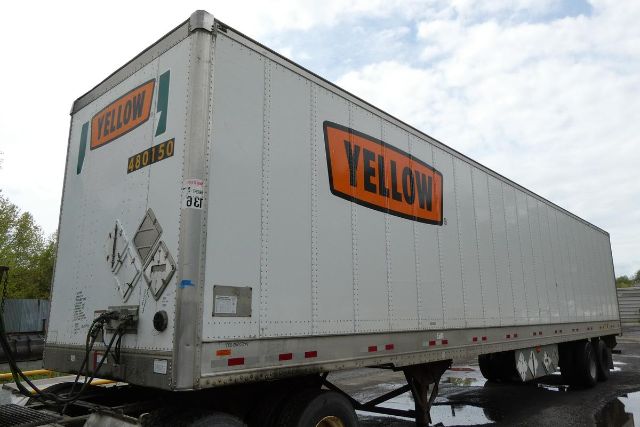
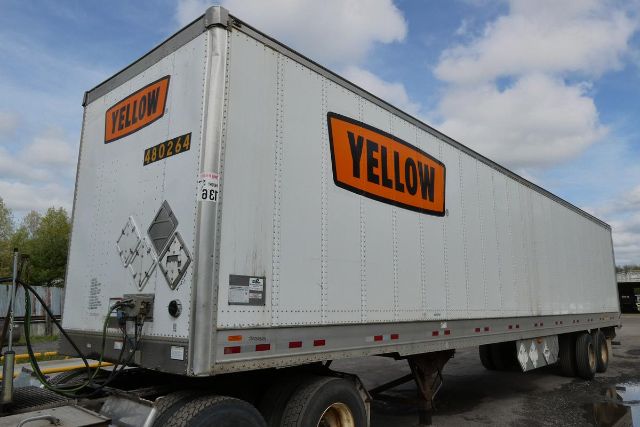
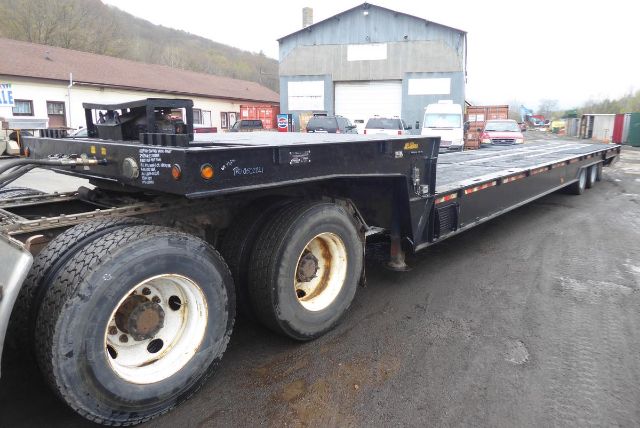
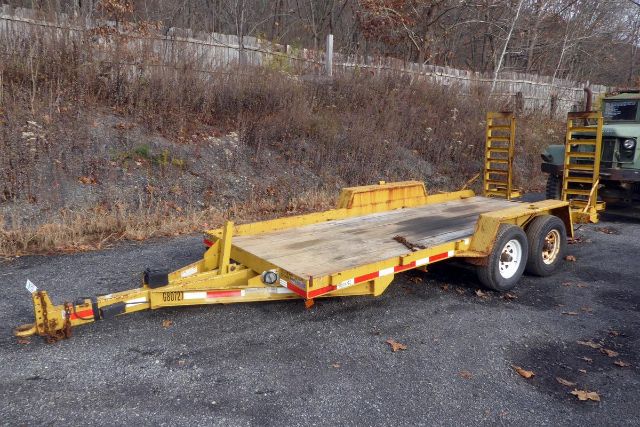
Showing 13 to 24 of 24 results
Have used 2014 trailer to sell? List it here to reach thousands of buyers.
About Used 2014 Trailers in New York
For dry vans and pup vans, key checkpoints are floor condition, roof integrity, rear frame wear, crossmember corrosion, and door operation. Many 2014 vans were built with aluminum-steel combinations that balance tare weight and durability, often with wood-over-steel floors, swing or roll-up rear doors, and tandem or single axle layouts depending on application. In New York, trailer height, axle spread, and bridge-law considerations matter, particularly for regional freight and urban delivery routes. Slideable tandems remain important on 53-foot vans for weight distribution and dock flexibility, while 28-foot trailers used in doubles service should be evaluated for converter-dolly compatibility, pintle wear, and overall frame alignment.
If the listing is a 2014 drop deck, deck height and concentrated load rating usually matter more than age alone. Buyers should verify main deck length, top deck dimensions, hydraulic ramp function if equipped, and the condition of the wood and steel floor. Suspension type, brake setup, tire size, and wheel-end service history all affect operating cost after purchase. On any used 2014 trailer, look closely at suspension hangers, air lines, brake chambers, ABS function, tire match, and evidence of prior wreck repair, especially around the nose, upper rails, and rear sill.
A good 2014 trailer should be matched to freight lane, loading method, and shop capability. Regional van work may favor a lighter trailer with a clean interior, scuff liners, and a solid roll-up door, while heavy-haul support or equipment transport may justify a heavier steel drop deck with hydraulic features. New York operators should also account for corrosion exposure from road salt, annual inspection readiness, and parts availability for older suspensions, lighting systems, and door hardware. The best buy in this category is usually the trailer with the clearest maintenance history, the least structural compromise, and specs that fit the freight without forcing avoidable tare weight or repair expense.
Frequently Asked Questions
What should I inspect first on a used 2014 trailer?
Start with the structure. Check the frame rails, crossmembers, rear frame, landing gear mounts, suspension hangers, and kingpin area for cracks, rust scale, poor repairs, or elongation. After that, inspect the floor, roof, door frame, brakes, wheel ends, tires, lights, and ABS. On a 2014 model, condition matters far more than age by itself, and structural issues are usually more expensive than routine wear items.
Is a 2014 trailer still a practical buy for commercial use in New York?
Yes, if it has been maintained and passes a careful inspection. Many 2014 trailers are still viable for regional freight, local delivery, storage, or specialized hauling. In New York, corrosion from winter road treatment is a major factor, so underbody condition, brake lines, electrical connections, and suspension components deserve extra attention. A clean older trailer with documented service can be a better value than a newer one with hidden damage or deferred maintenance.
What is the difference between a 53-foot van, a 28-foot pup, and a 48-foot drop deck?
A 53-foot van is the standard choice for dry freight and maximizes cubic capacity for linehaul and general truckload work. A 28-foot pup trailer is commonly used in LTL, P&D, and doubles operations where maneuverability and route flexibility matter. A 48-foot drop deck is designed for freight that is taller, heavier, or easier to load from the side or by ramp, with a lower main deck height than a standard flat or van trailer.
Which specs matter most when comparing used 2014 van trailers?
Length, axle configuration, suspension type, door style, interior dimensions, floor construction, and tare weight are the main comparison points. Slideable tandems help with axle loading and dock positioning on 53-foot vans, while single axle 28-foot trailers are often selected for urban and doubles service. Buyers should also note roof type, scuff protection, logistics posts, load securement options, and tire size because these details affect payload handling, service cost, and compatibility with existing fleet standards.
What matters most on a used 2014 drop deck trailer?
Main deck height, deck length, usable top deck space, load concentration rating, and ramp condition are the core specs. Buyers should verify that hydraulic systems operate correctly if the trailer has hydraulic ramps or deck sections, and inspect for floor fatigue, cracked welds, bent beams, and uneven tire wear that could indicate alignment or overloading history. On a work trailer from this age group, the quality of past maintenance is often the deciding factor in long-term value.