
Used 2013 Trailers For Sale in Iowa
Have used 2013 trailer to sell? List it here to reach thousands of buyers.
Used 2013 Trailers in Iowa
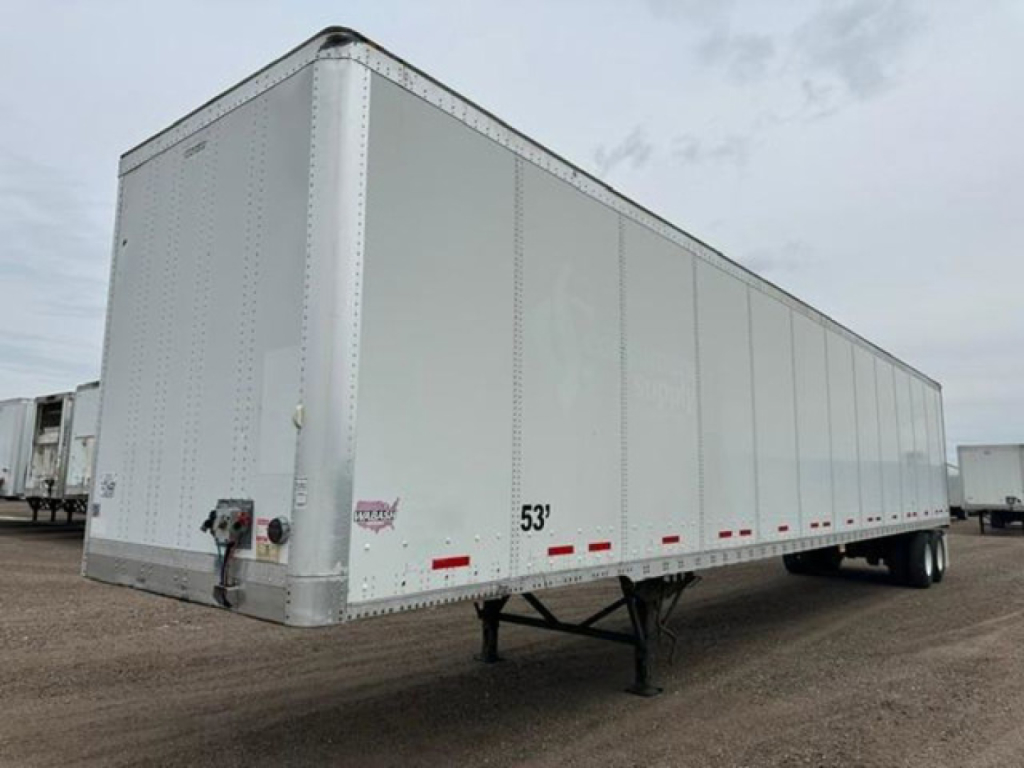
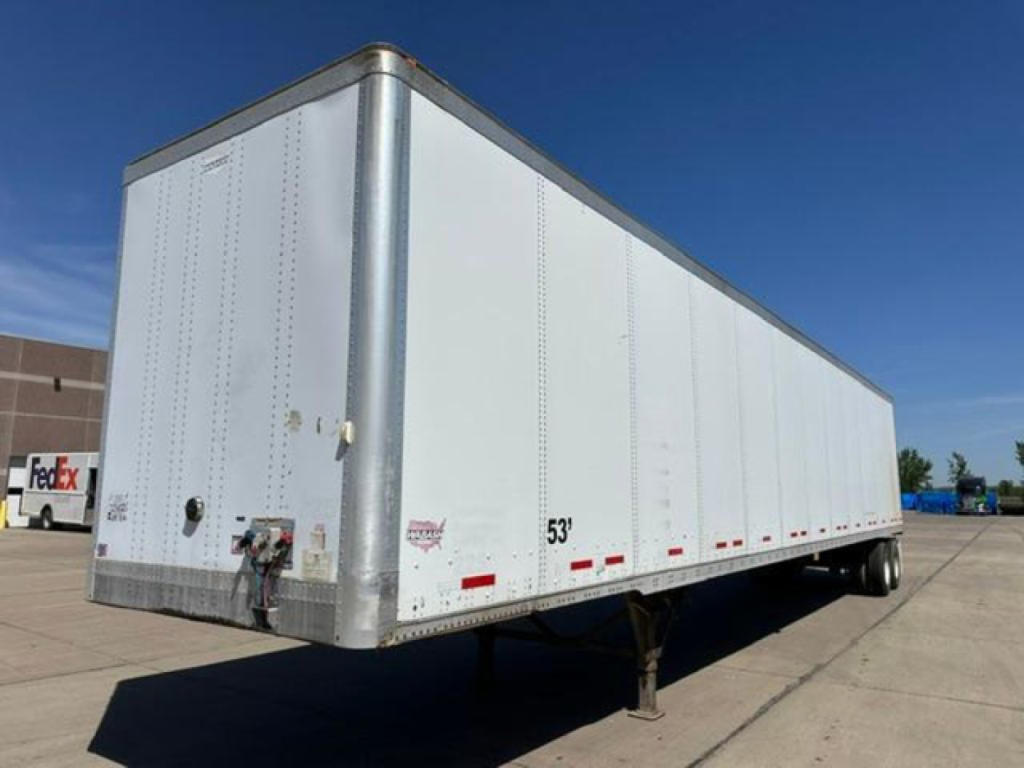
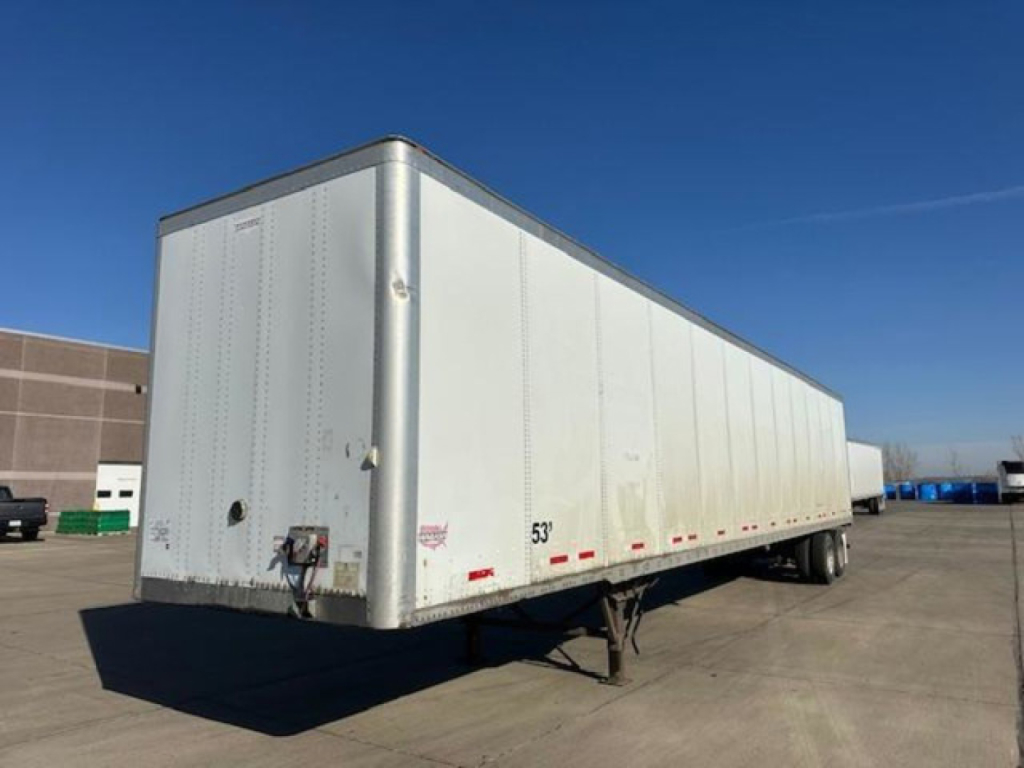
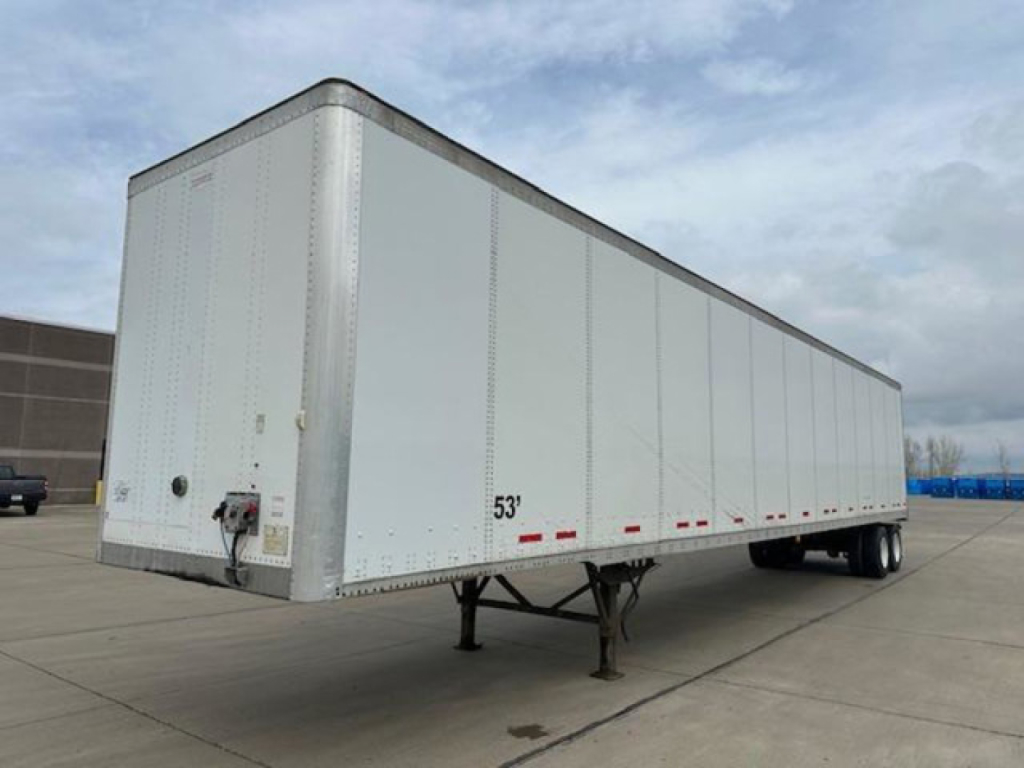
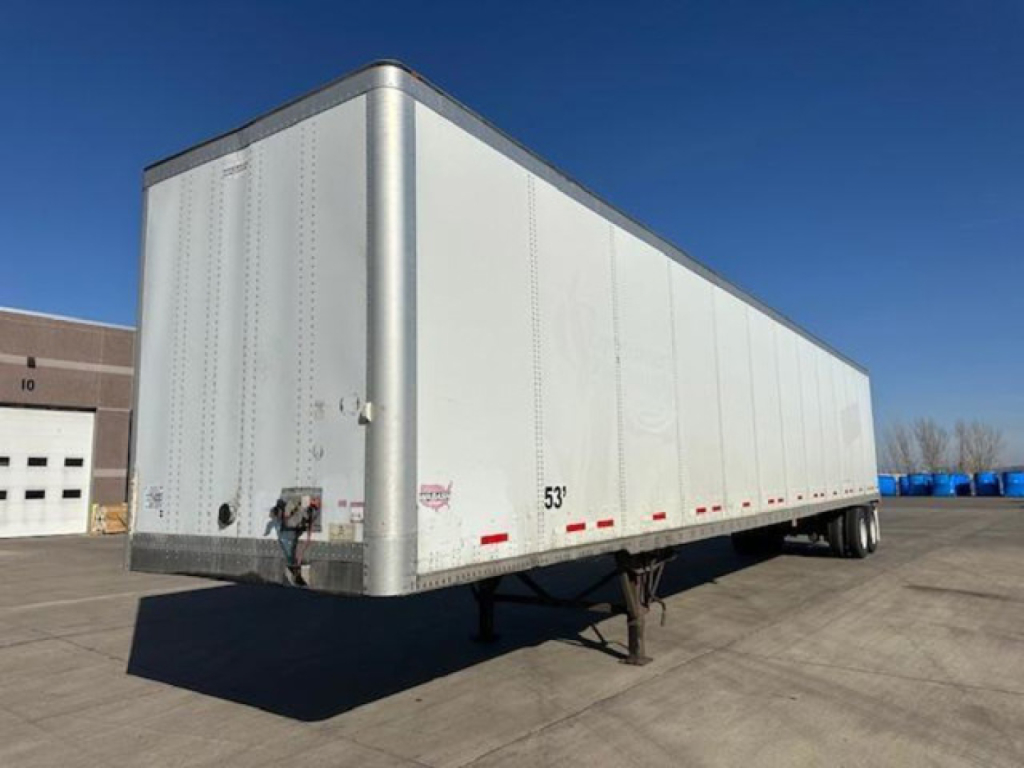
For dry vans, key details usually come down to suspension, door style, roof construction, and interior condition. Air ride suspension is common and important for protecting palletized freight and improving ride quality. Roll-up doors help in dock operations where swing clearance is limited, but swing doors can be simpler and lighter depending on the application. Buyers should pay close attention to floor wear, crossmember condition, sidewall repairs, roof integrity, and the state of the lining or scuff protection. A translucent roof can improve daytime visibility inside the trailer, which matters in high-frequency loading environments.
If the 2013 trailer is a reefer, the refrigeration unit condition matters as much as the trailer body. Unit hours, service history, insulation performance, door seal condition, and interior lining all affect operating cost. Check for clean evaporator and condenser areas, proper temperature pull-down, and signs of moisture intrusion around the front wall or floor. In Iowa service, reefer buyers often need dependable performance through both summer heat and winter cold, so fuel system condition, reefer startup behavior, and structural integrity around the unit mount deserve extra attention.
At this age, a careful inspection is worth more than a long feature list. Tire tread depth, brake life, wheel-end condition, air system leaks, slider operation, tandem alignment, and ABS status can quickly change the true cost of a used trailer. It also helps to confirm axle ratings, door opening dimensions, landing gear condition, and any prior patchwork on the floor, rails, or rear frame. A well-kept 2013 trailer can still serve efficiently in regional and dedicated operations, especially when the buyer focuses on maintenance history, freight compatibility, and the trailer's remaining structural life rather than just the purchase price.
Frequently Asked Questions about Used 2013 Trailers in Iowa
What should I inspect first on a used 2013 trailer?
Start with the structural and running gear items that are expensive to correct. That includes the frame rails, crossmembers, floor condition, roof, rear frame, suspension, slider, brakes, tires, and wheel ends. On enclosed trailers, also inspect the doors, seals, sidewalls, and interior lining. A 2013 trailer can still be a strong value, but deferred maintenance in these areas can quickly outweigh any savings in purchase price.
Is a 2013 dry van trailer still a good fit for regional freight?
Yes, a 2013 dry van can still be a solid regional freight trailer if the body is sound and the running gear has been maintained. Many buyers use this model year for short to mid-length lanes, warehouse transfers, dedicated contract freight, and seasonal surge capacity. The best candidates have clean floors, straight rails, working doors, healthy suspension components, and tire and brake life that support immediate service.
How important are reefer unit hours on a 2013 refrigerated trailer?
Reefer unit hours are one of the most important indicators of wear, but they should be reviewed along with maintenance records and actual cooling performance. A higher-hour unit that has been serviced correctly may be a better buy than a lower-hour unit with poor records or inconsistent temperature pull-down. Buyers should also evaluate insulation condition, door seals, fuel system condition, and evidence of leaks or moisture intrusion inside the trailer body.
What trailer specs matter most when comparing used 2013 trailers in Iowa?
The most important specs depend on the trailer category, but common decision points include trailer length, axle rating, suspension type, door configuration, roof material, interior lining, and overall tare weight. In Iowa, weather exposure and mixed-use freight cycles make structural condition, brake and tire status, and reliable suspension performance especially important. Buyers should also confirm that the trailer's setup matches dock requirements, commodity type, and route demands.