
Used 2009 Trailers For Sale in New York
Browse used 2009 trailers for sale in New York, including dry vans and freight trailers with common specs, dimensions, axle setups, and buyer tips.
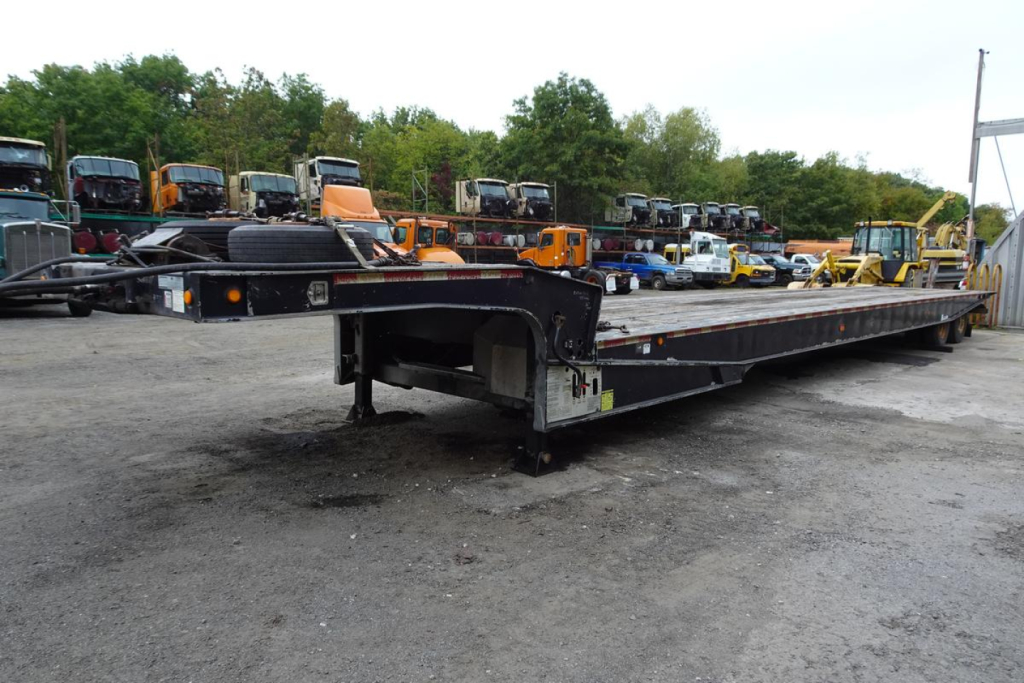
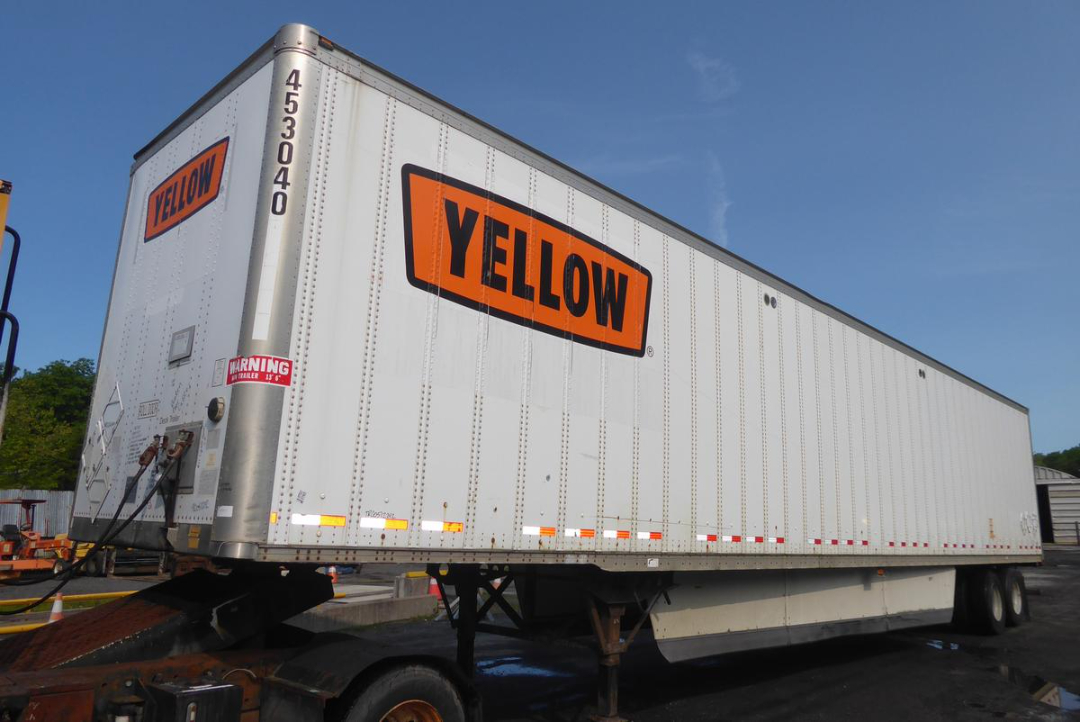
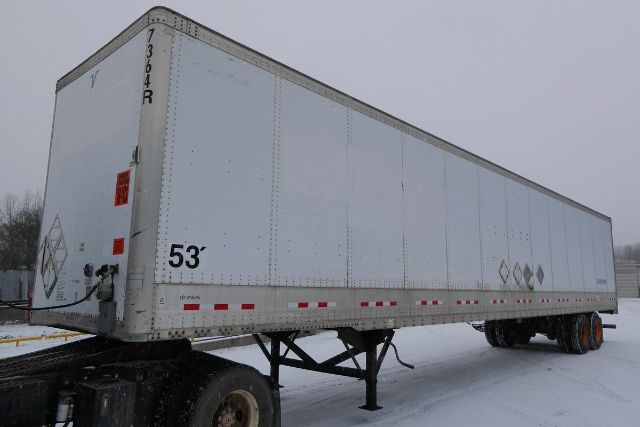
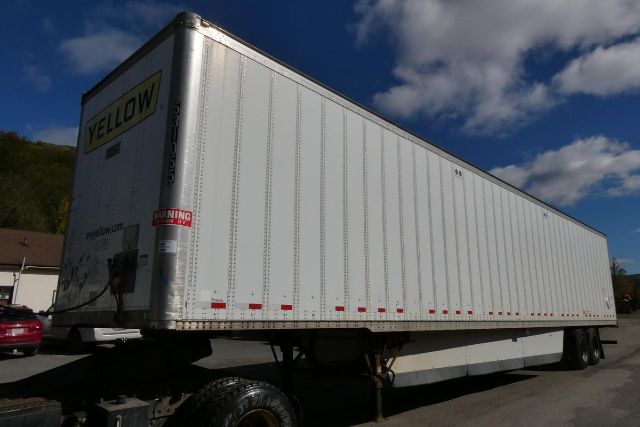
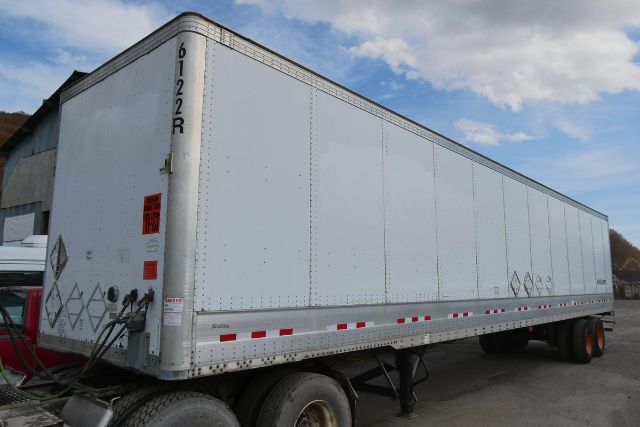
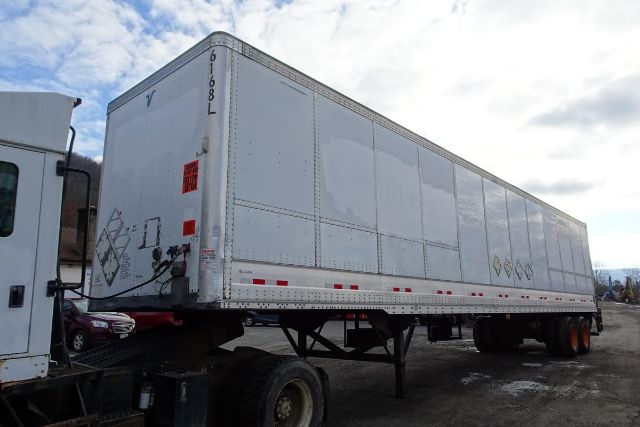
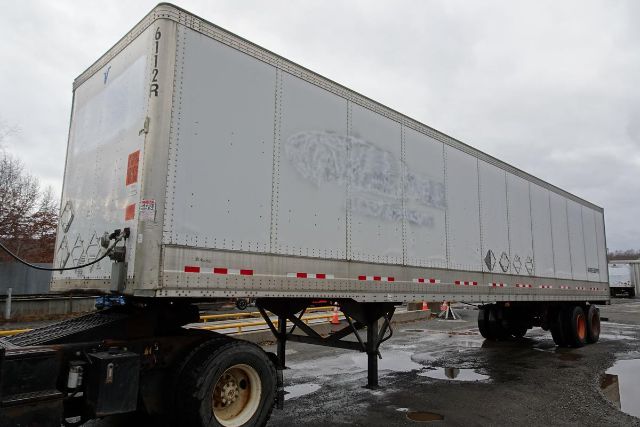

Selling a used 2009 trailer? List your used 2009 trailer for sale and reach thousands of commercial buyers.
Used 2009 Trailers in New York
For a buyer comparing used 2009 trailers, the big decisions usually come down to length, axle arrangement, suspension type, and interior condition. In New York, trailer dimensions matter because urban delivery routes, older industrial sites, and tight yards can make a 28-foot pup or 45-foot van easier to work with than a full 53-footer. On the other hand, a 48-foot or 53-foot dry van remains the standard choice for linehaul, warehouse transfers, and higher cube freight. Look closely at interior width and load height, especially if freight includes pallets, carts, or stacked consumer goods. Buyers should also verify rear door style, since roll-up doors can be convenient at docks but hinge wear, track condition, and seal integrity need attention on older units.
A used 2009 trailer should be evaluated from the ground up, starting with the frame, crossmembers, floor condition, landing gear, suspension, brakes, and axle slider operation. Many trailers from this period use spring suspension and 22.5-inch wheel and tire packages, with air brakes and 68,000-pound GVWR common on tandem axle vans. Wood floors need inspection for rot, forklift damage, soft spots, and patchwork around high-traffic lanes. Aluminum roofs and translucent roof panels can help with interior light, but water intrusion around seams, front caps, and door frames is a common inspection point. If the trailer has scuff liners, plywood lining, E-track, threshold plates, side skirts, or liftgate equipment, those features can add useful value depending on the route and freight profile.
New York buyers should also think beyond the basic spec sheet. Road salt, freeze-thaw cycles, curb contact, and dense metro operations can accelerate corrosion and body wear, especially on rear frames, slider rails, spring hangers, brake plumbing, and door hardware. Tire age, brake chamber condition, hub service history, and DOT compliance items deserve a close look before a trailer goes back into regular service. For fleets using used 2009 trailers as storage units, yard trailers, or short-haul freight equipment, cosmetic wear may matter less than structural integrity and door function. For over-the-road use, straight tracking, legal lighting, sound floors, and predictable maintenance history become more important than the purchase price alone.
Frequently Asked Questions about Used 2009 Trailers in New York
What types of 2009 used trailers are most common in New York?
Dry van trailers are among the most common 2009 used trailers found in New York, especially 48-foot and 53-foot tandem axle vans. Buyers may also find shorter 45-foot vans and 28-foot pup trailers for regional or urban work. Most are set up with roll-up rear doors, wood-over-steel floors, air brakes, and sliding tandems, which makes them suitable for general freight, dock service, storage, and warehouse shuttles.
What should I inspect first on a used 2009 trailer?
Start with the structural and running gear items because they drive repair cost fastest. Check the frame rails, crossmembers, floor integrity, landing gear, suspension components, brake system, axle alignment, and tire condition. After that, inspect the roof, side panels, front wall, rear frame, and door assembly for leaks, impact damage, corrosion, and signs of repeated patch repairs. On older trailers, a solid floor and straight structure usually matter more than cosmetic appearance.
Is a 2009 trailer still a good choice for freight service?
A 2009 trailer can still be a good freight asset if it has been maintained properly and matches the intended application. Many trailers from this model year remain viable for regional hauling, local delivery, inter-facility shuttles, and seasonal surge capacity. The right fit depends on floor condition, brake performance, door operation, suspension wear, and how much deferred maintenance the unit carries. For heavy over-the-road use, buyers should be more demanding about maintenance history and overall structural condition.
Are 45-foot, 48-foot, or 53-foot trailers better for New York operations?
The best length depends on where the trailer will work. A 53-foot van offers the most cube and is the standard for many freight lanes, but it can be harder to maneuver in older urban areas, narrow industrial parks, and crowded customer yards. A 45-foot or 48-foot trailer may be easier to place in tighter locations while still carrying useful payload and pallet count. For city routes or specialized shuttle work, a pup trailer can be the most practical option.
What features add value on a used 2009 dry van trailer?
Useful value-add features include a sound roll-up door, good wood floor thickness, scuff liners, plywood lining, E-track, threshold plates, air ride suspension, and a clean sliding tandem assembly. Side skirts may help on certain fleet applications, and liftgates can add flexibility for delivery work if they are functional and correctly rated. Features only add value when the base trailer is structurally sound, so buyers should treat options as secondary to frame, floor, brakes, and suspension condition.