
Used 2008 Trailers For Sale in New York
Browse used 2008 trailers for sale in New York, including dry vans and freight trailers with common specs, dimensions, axle setups, and buyer tips.
Learn more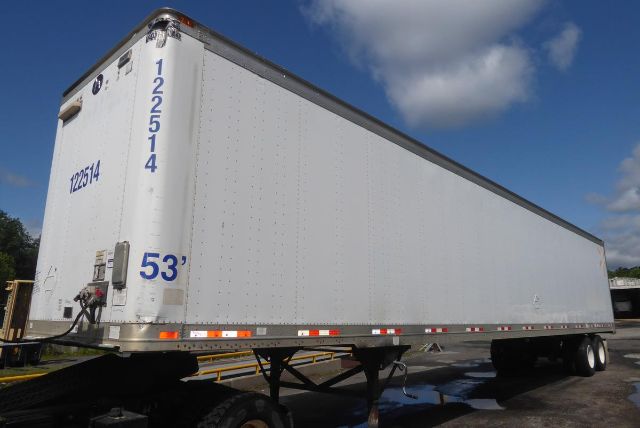
Showing 37 to 37 of 37 results
Have used 2008 trailer to sell? List it here to reach thousands of buyers.
About Used 2008 Trailers in New York
A 2008 trailer should be evaluated less by model year alone and more by structure, running gear, and prior freight application. Crossmembers, floor condition, rear frame, roof bows, scuff liner wear, door hardware, and slider operation matter more than paint or cosmetics. On van trailers, buyers should pay close attention to floor soft spots from forklift traffic, door frame damage from repeated dock contact, and corrosion around the subframe, suspension hangers, and landing gear mounts. Tire size, wheel type, brake condition, and axle alignment also affect immediate operating cost. In New York, where trailers see winter road treatment and heavy urban delivery cycles, corrosion exposure and rear impact damage deserve a careful inspection.
Dry van trailers from 2008 are still widely used for general freight, retail distribution, warehouse transfers, and regional haul work. A 53-foot van remains the standard choice for maximizing cube, while 45-foot and 48-foot trailers can still fit specialized lanes, older customer docks, and certain city delivery operations. Roll-up doors can be useful in frequent dock work, but swing doors usually seal better and have fewer moving parts. Buyers comparing older vans should also check interior height, door opening dimensions, roof condition, and any added equipment such as side skirts, translucent roofs, logistics posts, or tire inflation systems. Those details affect loading efficiency, fuel performance, and maintenance cost over time.
For a used 2008 trailer, the best value usually comes from matching the trailer’s current condition to the job it will actually do. A road-ready van with a solid floor, legal brakes, straight frame, and serviceable tires may be a better buy than a cheaper unit that needs immediate structural work. If the trailer will run interstate freight, verify VIN, title status, inspection history, and compliance items before purchase. If it will serve as storage, local shuttle, or drop trailer capacity, cosmetic wear may matter far less than roof integrity, water tightness, and door function. Buyers who stay focused on structure, dimensions, axle configuration, and repair exposure usually make better decisions in this age segment.
Frequently Asked Questions
What should I inspect first on a used 2008 trailer?
Start with the structural items that are expensive to repair. On a 2008 trailer, inspect the frame rails, crossmembers, floor, rear frame, suspension hangers, landing gear mounts, roof, and door frame before focusing on appearance. For van trailers, check for forklift damage, floor rot, water intrusion, rust around the tandem slider area, and problems with swing door hinges or roll-up tracks. Then review brakes, tires, wheels, lights, ABS function, and axle alignment to understand the trailer’s near-term maintenance needs.
Are 2008 dry van trailers still good for over-the-road freight?
Yes, many 2008 dry van trailers are still suitable for over-the-road service if their structure and running gear are in sound condition. Age alone does not determine usability. A well-maintained 2008 van with a solid floor, straight frame, legal brake system, and good suspension can still handle general freight, warehouse transfers, and regional lanes effectively. The key is confirming that the trailer has not reached the point where deferred repairs outweigh its purchase value.
Why are slideable tandems important on older trailers?
Slideable tandem axles give the trailer more flexibility in real-world freight operations. They help adjust axle weights for different loads, improve compliance with bridge laws, and make it easier to position the trailer at docks or within shipper yard requirements. On older trailers, buyers should make sure the slider rails, locking pins, and suspension components are not seized, excessively worn, or damaged, because tandem repair work can become costly if neglected.
What trailer sizes are most common in used 2008 inventory?
The most common used 2008 trailers in freight service are 53-foot dry vans, followed by 48-foot and some 45-foot units. A 53-foot trailer is typically preferred for maximizing cargo cube in standard truckload operations. Shorter lengths may still be useful for regional applications, urban deliveries, drop yard use, or operations serving facilities built around older trailer dimensions. Buyers should verify overall length, interior height, and door opening size against their freight profile before choosing.
Does New York use change what matters when buying a used trailer?
Yes, New York operating conditions can make corrosion and impact wear more important than in some other regions. Winter road salt, stop-and-go traffic, tight city docks, and high trailer utilization can accelerate rust, rear frame damage, floor wear, and door issues. Buyers should closely inspect the undercarriage, brake lines, wheel ends, suspension mounts, and rear sill for corrosion or repairs. In this market, a dry and structurally clean trailer can be more valuable than a better-looking unit with hidden rust or dock damage.