
Used 2007 Trailers For Sale in New York
Browse used 2007 trailers for sale in New York, including dry vans and freight trailers with common specs, axle setups, dimensions, and buyer tips.
Learn more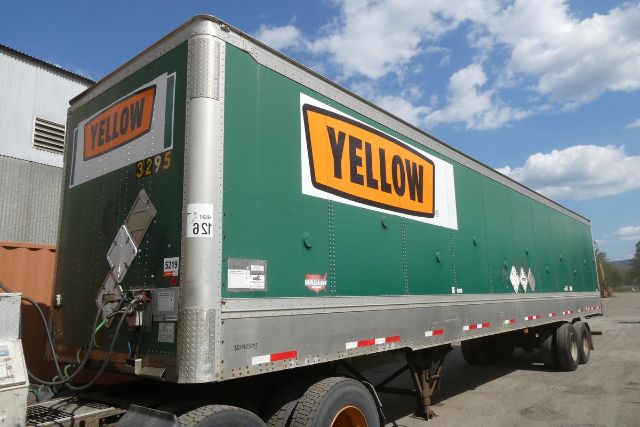
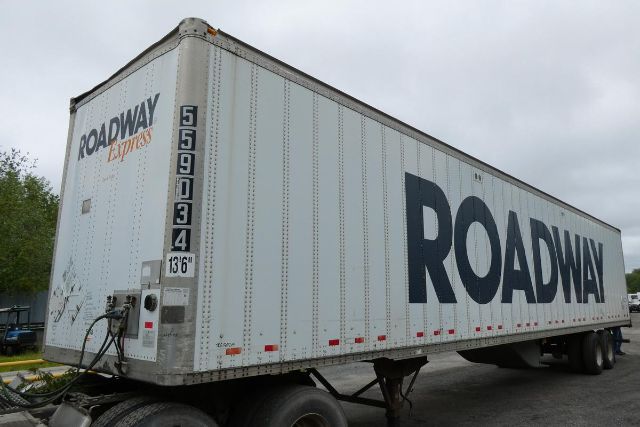
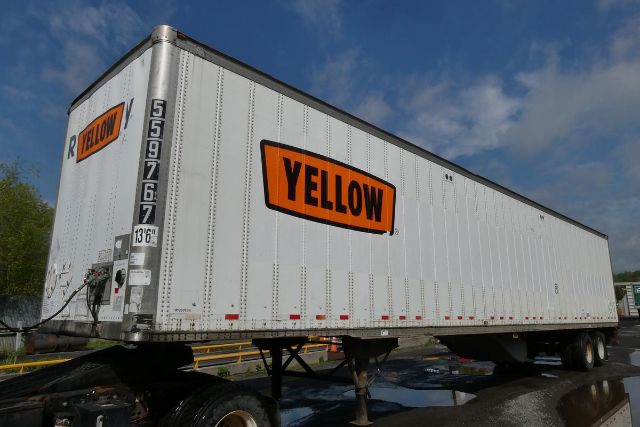
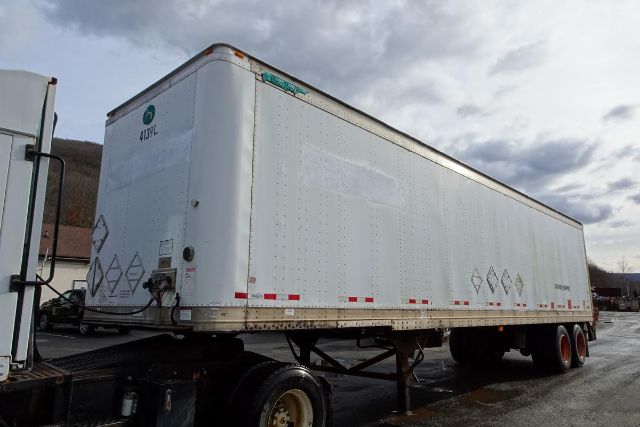
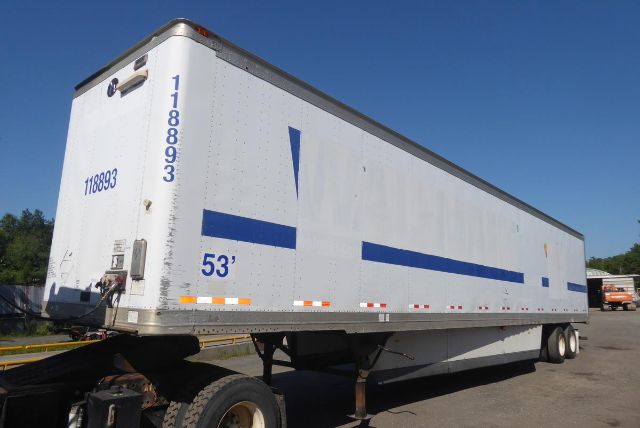
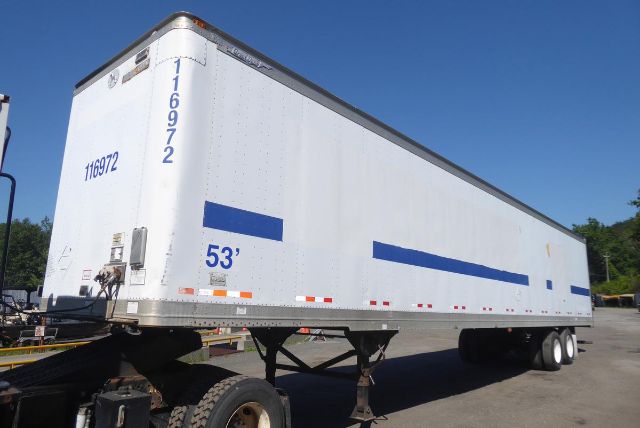
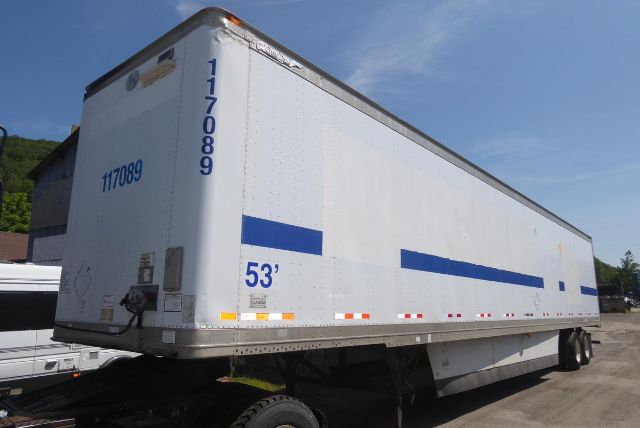
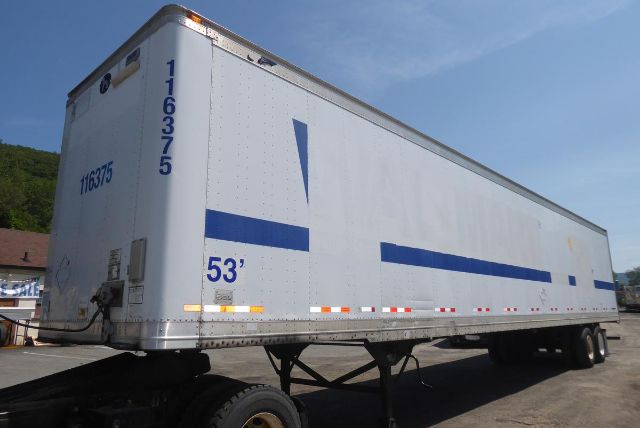
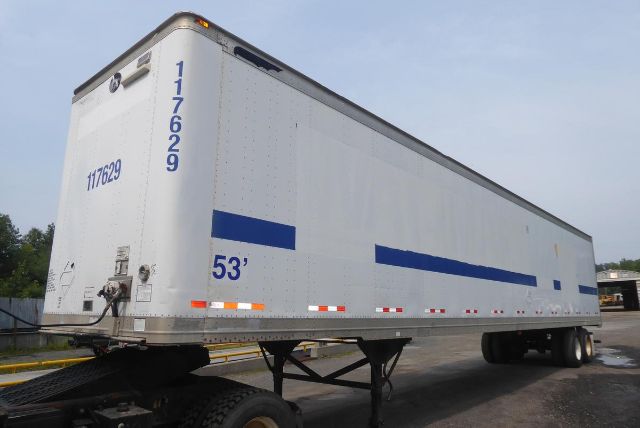
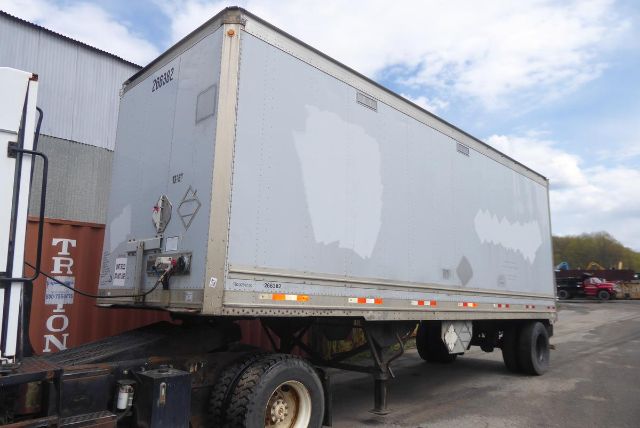
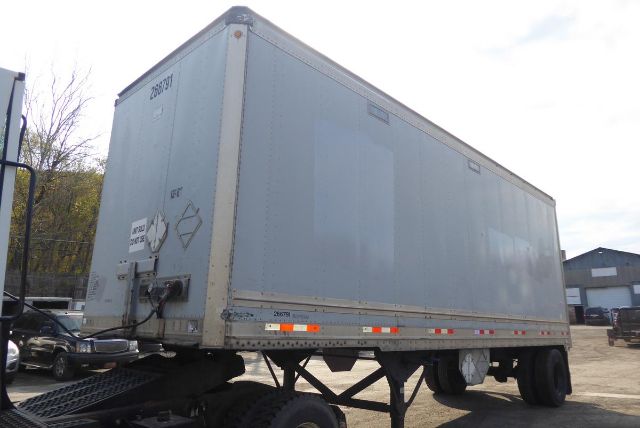
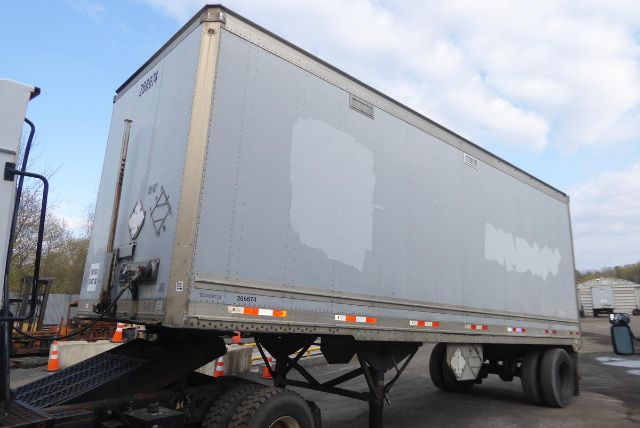
Showing 25 to 36 of 39 results
Have used 2007 trailer to sell? List it here to reach thousands of buyers.
About Used 2007 Trailers in New York
The first buying decision is usually structural condition, not brand name. On a 2007 trailer, inspect crossmembers, threshold plates, rear frame, upper coupler area, side posts, roof bows, and the floor at high-wear zones near the nose, curb side, and door opening. Dry van trailers from this era often use roll-up doors with steel or stainless surrounds, and door alignment tells you a lot about rear frame condition. If the trailer has a sliding tandem, check rail wear, pin engagement, and signs of corrosion around suspension mounts. Suspension type also affects service costs and ride quality. Air ride is preferred for many freight applications, while spring suspension can be simpler and less expensive to maintain.
Specs should match the freight and the lanes. Many used 2007 trailers in this class carry GVWR ratings around 68,000 pounds with 11R22.5 or 295/75R22.5 tires on hub-piloted steel wheels. Interior load height and door opening dimensions matter if you are handling pallets, carts, retail freight, or liftgate work. Features such as logistic posts, scuff liners, side skirts, tire inflation systems, translucent or aluminum roofs, and liftgates can add value if they fit the job, but they also add inspection points. Liftgates need close attention for platform condition, cylinder leaks, wiring, and battery charging systems. If the trailer has reefer history or added equipment that is no longer in service, verify what still functions and what has been capped off or removed.
For a buyer comparing multiple used 2007 trailers, the best value is usually the trailer with the cleanest frame, strongest floor, straightest body, and the fewest deferred brake and tire issues. Age alone does not determine remaining life. A well-kept 2007 trailer can still serve in regional freight, storage, local delivery support, or port and warehouse shuttles if the body is sound and DOT items are current. Focus on measurable condition: brake lining, drum or rotor wear, tire matching, wheel-end leaks, ABS status, kingpin wear, and evidence of prior impact repair. Those details matter more than paint and decals when the trailer is expected to go to work immediately.
Frequently Asked Questions
What should I inspect first on a used 2007 trailer?
Start with the frame, floor, roof, rear frame, and suspension mounting areas. On a trailer from 2007, structural condition is more important than cosmetic appearance. Check for cracked crossmembers, soft floor sections, patched rails, bowing sidewalls, roof leaks, and misaligned doors. Then confirm brake condition, tire age and wear pattern, wheel seal leaks, ABS operation, and kingpin wear. These items usually determine near-term repair cost and uptime.
Are 2007 trailers still good for commercial freight service?
Yes, many 2007 trailers are still usable in commercial service if they have been maintained and pass inspection. The key is matching the trailer's current condition to the intended application. A sound older dry van can still work well in regional haul, warehouse transfer, local delivery support, or dedicated lanes. Buyers should be realistic about maintenance reserve, especially for suspensions, doors, floors, wiring, and corrosion-prone areas.
What trailer specs are most common on used 2007 freight trailers?
Common specs include 48-foot or 53-foot lengths, 102-inch width, tandem axles, air brakes, and either spring or air ride suspension. Many have wood-over-steel floors, aluminum roofs, and aluminum or composite side construction with steel wear points. Tires are often 11R22.5 or 295/75R22.5 mounted on hub-piloted steel wheels. Sliding tandems are also common, especially on dry vans used in mixed regional and highway freight.
Why does tandem configuration matter on a used trailer in New York?
Tandem setup affects bridge-law compliance, loading flexibility, and maneuverability in tighter delivery environments. In New York, where routes can include dense urban areas, distribution centers, and variable axle-weight enforcement, a sliding tandem can be a major advantage. Buyers should inspect tandem slide rails, locking pins, and suspension alignment closely because wear in those systems can create both operating problems and extra repair expense.
Is an older trailer with a liftgate or tire inflation system worth buying?
It can be, but added equipment should only increase value if it is complete and operational. A liftgate can be useful for route delivery, white-glove freight, and dock-limited locations, but it adds hydraulic, electrical, and structural maintenance points. A tire inflation system can reduce tire wear and roadside issues, but the lines, seals, and wheel-end components must be intact. On an older trailer, verify function rather than assuming these options still work as intended.