
Used 2005 Trailers For Sale in Nebraska
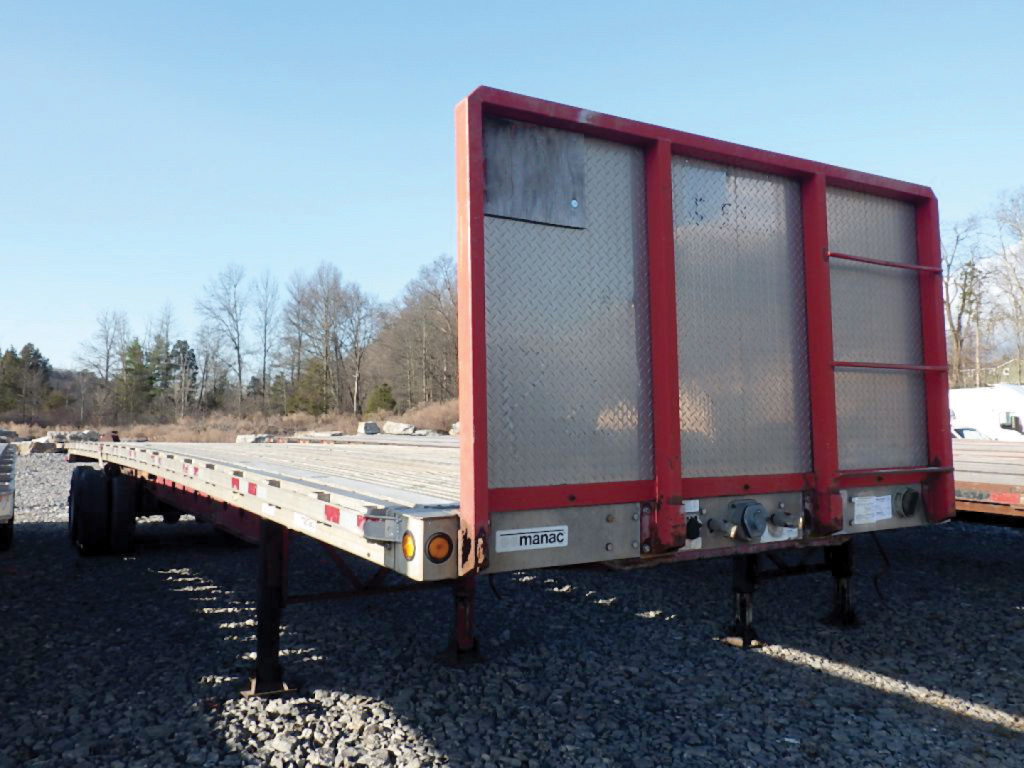
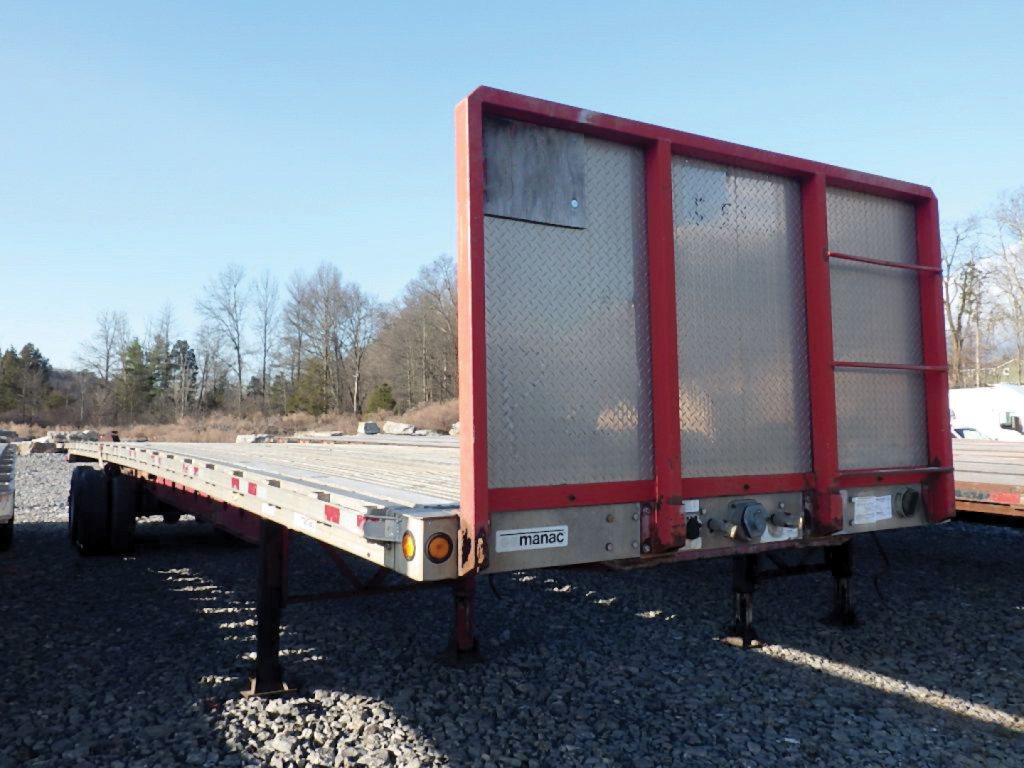
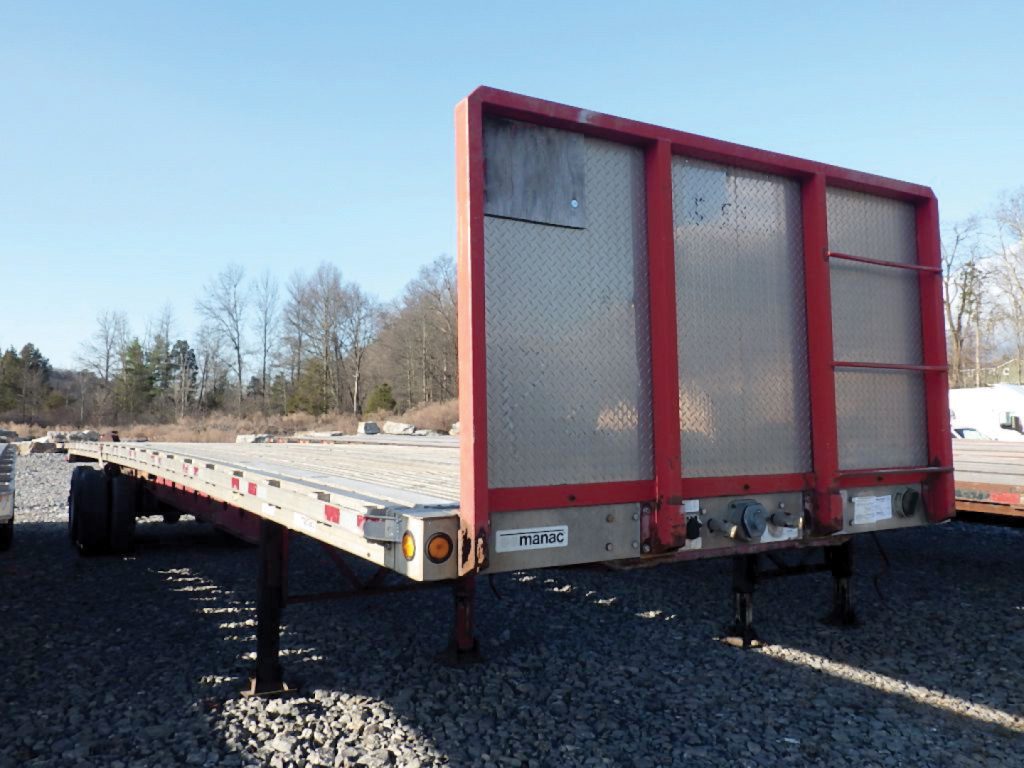
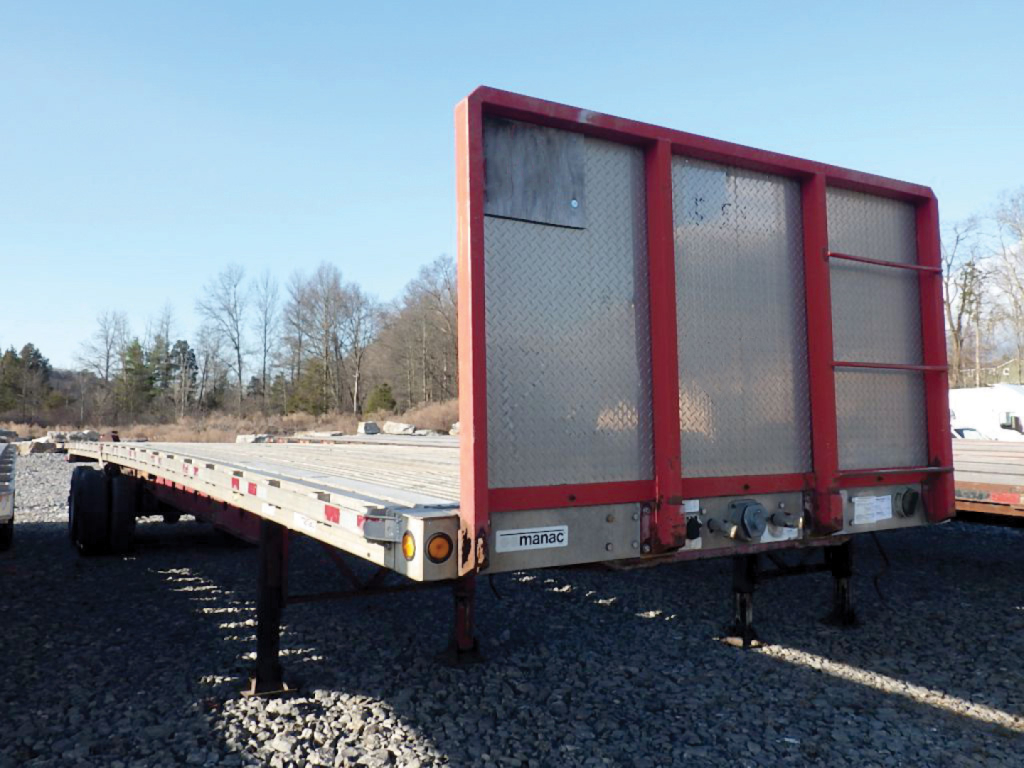

Have used 2005 trailer to sell? List it here to reach thousands of buyers.
Used 2005 Trailers in Nebraska
For many 2005 trailers, the most important decisions start with trailer type and body construction. Dry vans, also known as enclosed vans, are common for general freight and palletized loads. Buyers typically look at interior lining, scuff liners or scuff plate condition, logistics posts, E-track, door style, and floor composition. Reefers add another layer of inspection because the insulated body, unit hours, duct floor, chute condition, and door seal performance matter as much as the trailer itself. A 2005 reefer may still fit short-haul or backup cold-chain work, but it needs careful review of the refrigeration unit, air delivery, and panel condition to avoid expensive downtime.
Running gear condition is where older trailers often separate into good value or future repair expense. Air ride suspension is popular for ride quality and cargo protection, while spring ride may cost less upfront but can be harsher on sensitive freight. Sliding tandems need to move freely and lock correctly. Tire condition, wheel type, brake wear, slack adjusters, air system leaks, and any tire inflation system should all be evaluated closely. On a 2005 model, buyers should also inspect the kingpin area, upper coupler plate, landing gear mounts, rear frame, door frame, and side rail for fatigue, corrosion, or prior repairs. Nebraska winters, road treatment, and seasonal moisture can accelerate rust on undercarriage components, so underside inspection matters.
A 2005 trailer often makes the most sense for buyers who prioritize lower acquisition cost and understand lifecycle maintenance. It can be a sound fit for storage, regional lanes, dedicated contracts, farm support, or lower-mileage fleet use where absolute trailer age is less important than condition and legal compliance. Check overall height and length, axle spacing, door opening dimensions, floor rating, and empty weight against the freight you plan to haul. If the trailer has features like roll-up or swing doors, plywood or composite lining, aluminum wheels, side skirts, or a duct floor, those details can materially affect daily usability and operating cost.
Frequently Asked Questions about Used 2005 Trailers in Nebraska
What should I inspect first on a used 2005 trailer?
Start with the structural components. Inspect the frame rails, crossmembers, floor, roof bows, rear frame, upper coupler plate, and kingpin area for cracks, corrosion, patches, or signs of heavy past repairs. After that, move to the suspension, brakes, tires, wheels, lights, and air system. On a trailer of this age, structural condition usually has a bigger impact on long-term value than cosmetic appearance.
Is a 2005 trailer too old for regular freight service?
Not necessarily. A 2005 trailer can still be productive if it is roadworthy, compliant, and maintained correctly. Many older dry vans and reefers continue working in regional service, dedicated lanes, seasonal hauling, and storage applications. The deciding factors are inspection history, component condition, prior repairs, and whether the trailer's specs still match current freight requirements.
What matters most when comparing a 2005 dry van to a 2005 reefer?
A 2005 dry van is generally simpler and less expensive to maintain because it does not have a refrigeration unit or insulated body system. A 2005 reefer can support higher-value freight and temperature-controlled work, but buyers need to evaluate unit hours, operating performance, insulation integrity, door seals, chute condition, and floor design. Reefer repair costs can quickly outweigh the purchase savings if the unit or body is neglected.
Are aluminum trailers better than steel trailers in this age range?
Aluminum construction often helps reduce empty weight and can resist certain forms of corrosion better than steel, which is useful for payload and fuel efficiency. Steel components may offer durability in high-impact areas but can show more rust over time, especially on undercarriage parts and structural attachment points. On a used 2005 trailer, the better choice usually comes down to actual condition, repair history, and the type of freight rather than material alone.
What trailer specs are most important for Nebraska buyers?
Nebraska buyers often pay close attention to trailer length, interior height, axle setup, suspension type, door configuration, floor condition, and tire health because trailers may see a mix of interstate runs, agricultural support work, and regional distribution. Weather exposure also makes rust inspection important on frames, tandems, and landing gear. If the trailer will handle food, retail, or temperature-sensitive cargo, interior lining, seal condition, and reefer performance become especially important.