
Used 2004 Trailers For Sale in New York
Browse used 2004 trailers for sale in New York, including dry van and freight trailers with common specs, dimensions, axle setups, and buyer tips.
Learn more

Showing 1 to 12 of 14 results
Have used 2004 trailer to sell? List it here to reach thousands of buyers.
About Used 2004 Trailers in New York
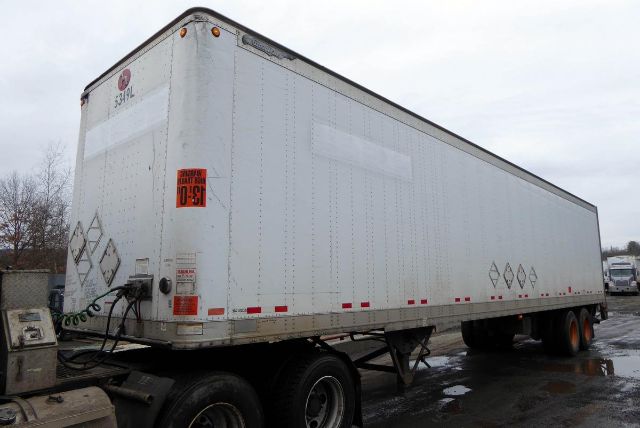
The most important buying decision on a 2004 trailer is less about the model year and more about condition in the high-wear areas. Buyers should inspect the crossmembers, floor fasteners, rear frame, threshold plate, side posts, roof bows, and lower rail for repairs, corrosion, and impact damage. On a used van trailer, pay close attention to door operation, water tightness, suspension type, brake condition, and tire wear pattern. Spring ride and air ride suspensions are both common, and each has a place depending on cargo sensitivity and maintenance preference. Sliding tandems remain especially useful for fleets running mixed routes, terminals, and congested delivery areas.
For freight capacity, many 2004 trailers in this class were built around a 68,000-pound GVWR, with empty weights often landing in the mid-14,000 to 16,000-pound range for standard dry vans. Interior dimensions matter just as much as published outside height. Buyers moving palletized freight, beverages, paper products, or packaged consumer goods should confirm load height, door opening height, and logistics track layout before making a decision. Features such as translucent roofs, scuff liners, logistics posts, side skirts, and tire inflation systems can add value depending on the application. A 48-foot trailer may fit tighter urban operations more easily, while a 53-foot trailer usually makes more sense for cube-driven freight.
In the used 2004 market, maintenance history and previous application often tell you more than age alone. A trailer that spent its life on steady highway lanes may present differently than one used in heavy city delivery or frequent dock impact service. For New York operators, it also makes sense to look closely at frame corrosion, brake system condition, lighting reliability, and axle alignment because road conditions and weather exposure can accelerate wear. A sound 2004 trailer can still be a cost-effective choice for storage, local hauling, seasonal overflow, or full-time freight service if the structure is straight, the floor is solid, and the running gear has been kept up.
Frequently Asked Questions
What should I inspect first on a used 2004 trailer?
Start with the structural components. Check the frame rails, crossmembers, rear impact area, floor condition, roof, side walls, and door frame for rust, cracks, patches, and collision repairs. Then move to the running gear, including axles, suspension, brakes, hubs, tires, and wheel ends. On a van trailer, water intrusion, rotten floor sections, damaged thresholds, and misaligned roll-up doors are common deal-breakers because they affect both uptime and cargo protection.
Is a 2004 dry van trailer still worth buying for freight service?
Yes, if the trailer has solid structure and serviceable running gear. Many 2004 dry vans are still used for regional freight, warehouse shuttles, storage, and backup capacity. The real value depends on floor life, brake condition, suspension wear, tire age, and how much corrosion or prior repair exists. An older trailer can be a smart purchase when the acquisition cost leaves room for reconditioning without exceeding the value of a newer unit.
What trailer lengths and axle setups are common on 2004 freight trailers?
The most common dry van lengths are 48 feet and 53 feet, usually with tandem axles. Sliding tandems are especially common because they improve weight distribution flexibility and help with bridge law requirements. Some shorter freight trailers, such as pup trailers, may have single axle or fixed tandem configurations, but standard over-the-road van trailers from this period are most often tandem axle units with air brakes.
What features add the most value on a used 2004 van trailer?
Useful value-added features include a solid wood-over-steel floor, dry roof, smooth door operation, recent brake work, good tires, straight alignment, and suspension components with life left in them. Operational features such as logistics posts, scuff liners, translucent roofs, tire inflation systems, and side skirts can also matter depending on the freight lane. For buyers loading at mixed dock heights or moving palletized freight, door opening dimensions and tandem slider function are especially important.
Are older 2004 trailers a good fit for New York operations?
They can be, but New York buyers should inspect for corrosion and wear more carefully than buyers in drier regions. Road salt, stop-and-go traffic, tight docks, and rough pavement can accelerate deterioration in suspensions, brakes, electrical systems, and lower structural areas. A 2004 trailer that has a straight frame, dependable lighting, legal brakes, and a dry cargo box can still perform well in local and regional service, especially for cost-conscious operations.