
Used 1993 Trailers For Sale in Texas
Browse used 1993 trailers for sale in Texas, including dry vans, reefers, tankers, and specialty trailers with buyer-focused spec insights.
Learn more
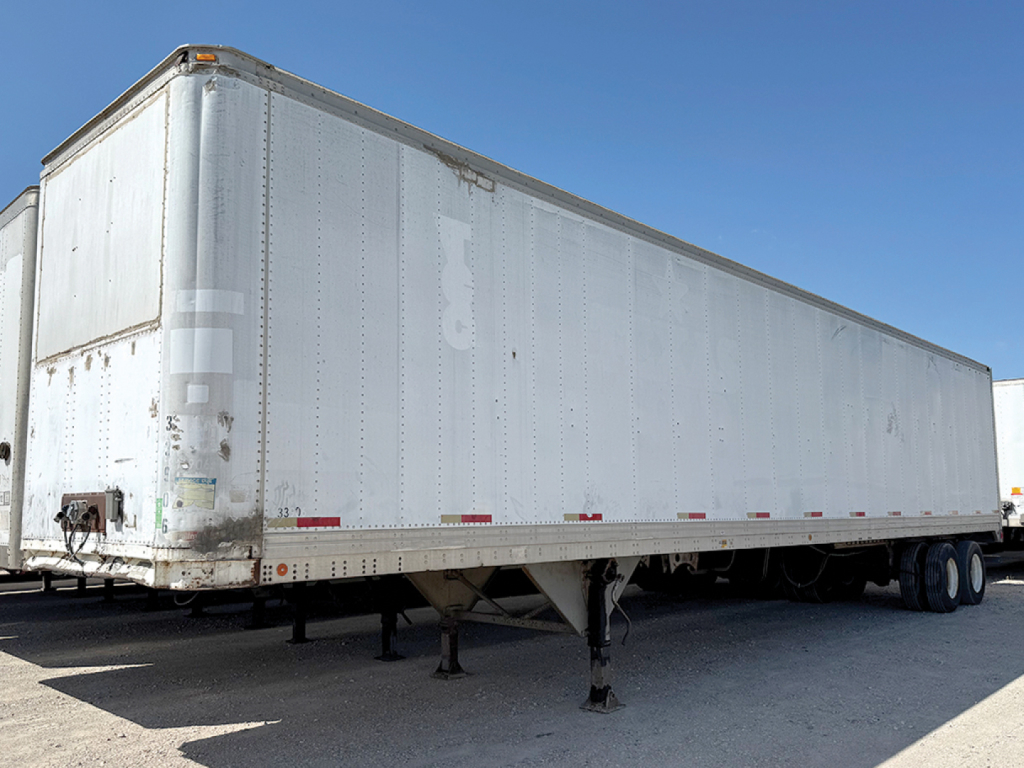
Have used 1993 trailer to sell? List it here to reach thousands of buyers.
About Used 1993 Trailers in Texas
The first checkpoint is the foundation of the trailer. Look closely at the main rails, crossmembers, upper coupler plate, kingpin area, tandem slide rails if equipped, landing gear mounts, and rear frame. Corrosion, cracked welds, prior collision repair, and heavy patchwork matter more on a 1993 trailer than cosmetic appearance. On dry vans and reefer trailers, inspect floor type, wall condition, roof bows, logistics track, scuff liners, rear door frame, and threshold wear. On tank trailers, pay close attention to barrel condition, compartments, suspension, valves, and any remaining compliance documentation. Texas buyers should also verify axle ratings, tire size, brake configuration, VIN legibility, and overall dimensions so the trailer matches the intended route, commodity, and registration requirements.
Spec choices on older trailers tend to reflect the era they were built in, so it helps to know what is common. Many 1993 trailers were built with spring ride suspensions, drum brakes, steel or aluminum wheels, and 22.5-inch rubber, though some have been updated over time with air ride, replacement axles, or newer brake components. Dry vans from this period may have wood floors and swing doors, while reefers often need special scrutiny around the floor, insulation integrity, door seals, and refrigeration unit status if a unit is still present. Some older reefer trailers are purchased less for active temperature-controlled freight and more for static cold storage or conversion use. Flatbeds and platform trailers from this vintage are often judged by deck condition, frame straightness, and tie-down setup, including winches, rub rails, and stake pockets.
In Texas, older used trailers often find their best value in operations that prioritize purchase price and mechanical simplicity over fleet-standard appearance. Oilfield, agricultural, construction, and warehouse overflow uses can all be a fit if the trailer is structurally sound and easy to keep roadworthy. The smartest buyers focus on parts availability, brake and suspension service history, tire age, wheel-end condition, and how easily the trailer can pass inspection and stay productive. A 1993 trailer is rarely a one-size-fits-all purchase, but the right unit can still deliver dependable service when the application matches the trailer’s actual condition and spec.
Frequently Asked Questions
What should I inspect first on a used 1993 trailer?
Start with the structural components. The frame rails, kingpin plate, crossmembers, tandem assembly, suspension hangers, rear impact area, and landing gear mounts tell you more about the trailer’s real condition than paint or side panel appearance. On enclosed trailers, floor wear, roof integrity, door frame condition, and water intrusion are also critical. If the foundation is compromised, repairs can quickly outweigh the purchase value.
Are 1993 trailers still practical for commercial use in Texas?
Yes, but usually in the right application rather than in demanding long-haul fleet service. Older trailers can still work well for local hauling, storage, agricultural support, oilfield jobs, scrap operations, and seasonal use. The key is confirming the trailer can meet inspection, brake, tire, lighting, and registration requirements while matching the weight and duty cycle of the job.
Is a used 1993 reefer trailer worth buying?
It can be, but reefer buyers need to inspect more than the box. Check the aluminum duct floor, insulation condition, door seals, interior lining, scuff protection, and especially the refrigeration unit if one is installed. Many trailers of this age are purchased for storage or non-critical temperature applications because reefer unit replacement and structural cold-box repairs can be expensive.
What specs matter most on an older trailer?
Axle rating, suspension type, brake setup, tire size, wheel condition, trailer dimensions, floor construction, and kingpin setting all matter. Those specs affect payload, loading dock compatibility, maintenance cost, and how easily the trailer fits into your operation. On older units, it is also important to verify what has been changed from original build, since many 1993 trailers have had component updates over the years.
Why do condition and maintenance history matter more than make on a 1993 trailer?
At this age, the trailer’s service life depends heavily on how it was used and repaired. Two trailers from the same manufacturer can have completely different value if one spent years on corrosive routes or carrying concentrated loads while the other had lighter duty and regular maintenance. Records for brakes, wheel seals, suspension work, flooring, and major structural repair help a buyer estimate near-term costs and downtime.