
Used 1993 Trailers For Sale
Browse used 1993 trailers for sale, including dry vans, specialty trailers, and older fleet units with specs, condition notes, and axle details.
Learn more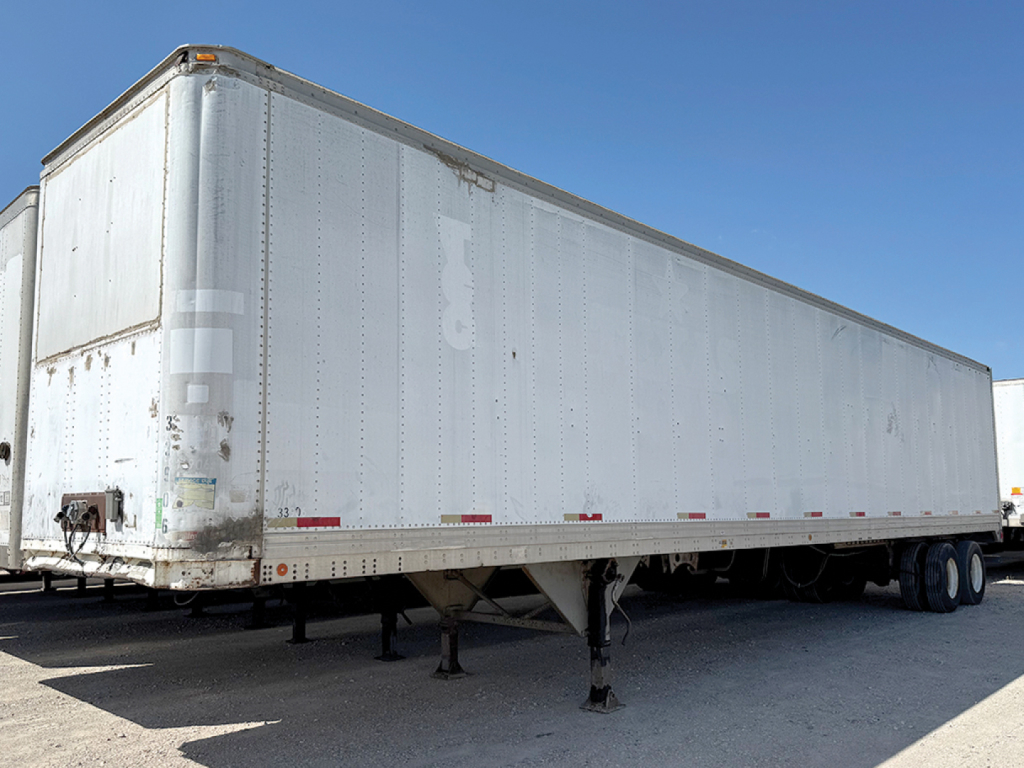

Have used 1993 trailer to sell? List it here to reach thousands of buyers.
About Used 1993 Trailers
This category can include dry van trailers, flatbeds, refrigerated trailers, dump trailers, converter dollies, and other specialty trailer types, so start with application first. Dry vans from this era are commonly evaluated for roof bow condition, sidewall repairs, scuff liner wear, floor rot, rear frame damage, and door seal integrity. Flatbeds and drops should be checked for deck condition, crossmember corrosion, winch track condition, and signs of overloading or twist. Older reefer trailers deserve extra scrutiny because the box may still be useful even if the refrigeration unit is obsolete or removed. If the trailer is being used for storage or yard spotting, buyers can often accept more cosmetic wear than they would in over-the-road service.
On 1993 trailers, core specs still matter. Look at overall length, width, tandem or spread axle setup, suspension type, brake configuration, wheel-end condition, tire size, and GVWR. Sliding tandems, air ride suspension, spring ride suspension, swing doors, roll-up doors, wood floors, aluminum roofs, steel crossmembers, and mixed steel-aluminum construction are all common features in older trailer populations. Buyers should also confirm kingpin wear, slider operation, air leaks, light system function, ABS status if applicable, and the condition of hubs, drums, chambers, slack adjusters, and bushings. A trailer in this year range may have had multiple repairs over its life, so patchwork is not automatically a problem if the repairs were done correctly and the structure remains square.
The best 1993 trailer purchase is usually one with a clear, realistic purpose. For lower-mileage local work, seasonal hauling, warehouse overflow, or private property use, an older trailer can make financial sense. For full-time highway duty, buyers should compare purchase price against the likely cost of tires, brakes, suspension refresh, floor work, wiring repairs, and compliance updates. A thorough pre-purchase inspection is essential, especially on older trailers where age-related fatigue, corrosion, and prior accident repairs may not be obvious in photos alone.
Frequently Asked Questions
What should I inspect first on a used 1993 trailer?
Start with the frame, floor, suspension, brakes, and tires. On a trailer this old, structural condition is more important than paint or panel appearance. Check for cracked welds, bent crossmembers, floor soft spots, uneven tire wear, brake chamber condition, air leaks, and signs that the trailer does not sit square. Rear frame damage, kingpin wear, and slider problems are also common decision points because those repairs can add up quickly.
Can a 1993 trailer still be used for over-the-road freight?
It can, but suitability depends on current condition, maintenance history, and compliance with the requirements of the freight being hauled. Some older trailers are still serviceable for regional or highway use if the running gear, structure, doors, lights, and brake system are sound. Many buyers use 1993 trailers for local routes, storage, yard use, or farm applications because the economics are often better there than in long-haul commercial service.
Are older dry van trailers from 1993 still a practical buy?
Older dry vans can still be practical if the roof, floor, sidewalls, rear frame, and door assembly are in solid condition. A dry van with a dry interior, sound wood floor, usable scuff protection, and roadworthy brakes and tires can still handle local freight, warehouse overflow, and non-premium hauling. The key is confirming that repair costs will not exceed the value advantage of buying an older unit.
What common repairs should buyers expect on a 1993 trailer?
Common repairs include brake work, suspension bushing replacement, air line and light wiring repair, tire replacement, floor patching, door hardware service, and wheel-end maintenance. Depending on trailer type, buyers may also face roof repairs, sidewall patches, crossmember replacement, landing gear work, or corrosion cleanup. On specialty trailers, deck replacement or hydraulic service may also be part of the ownership cost.
Is a 1993 trailer better suited for storage or working service?
That depends on structural condition and intended use. Many 1993 trailers are bought for static storage because they offer enclosed space at a lower cost than a newer trailer. Others remain productive in working service when they have been maintained properly and assigned to jobs that do not demand premium appearance or the latest specifications. The right choice comes down to how much life is left in the running gear and structure compared with the cost to keep it legal and dependable.