
2015 Unknown Trailers For Sale
Have 2015 unknown trailer to sell? List it here to reach thousands of buyers.
2015 Unknown Trailers
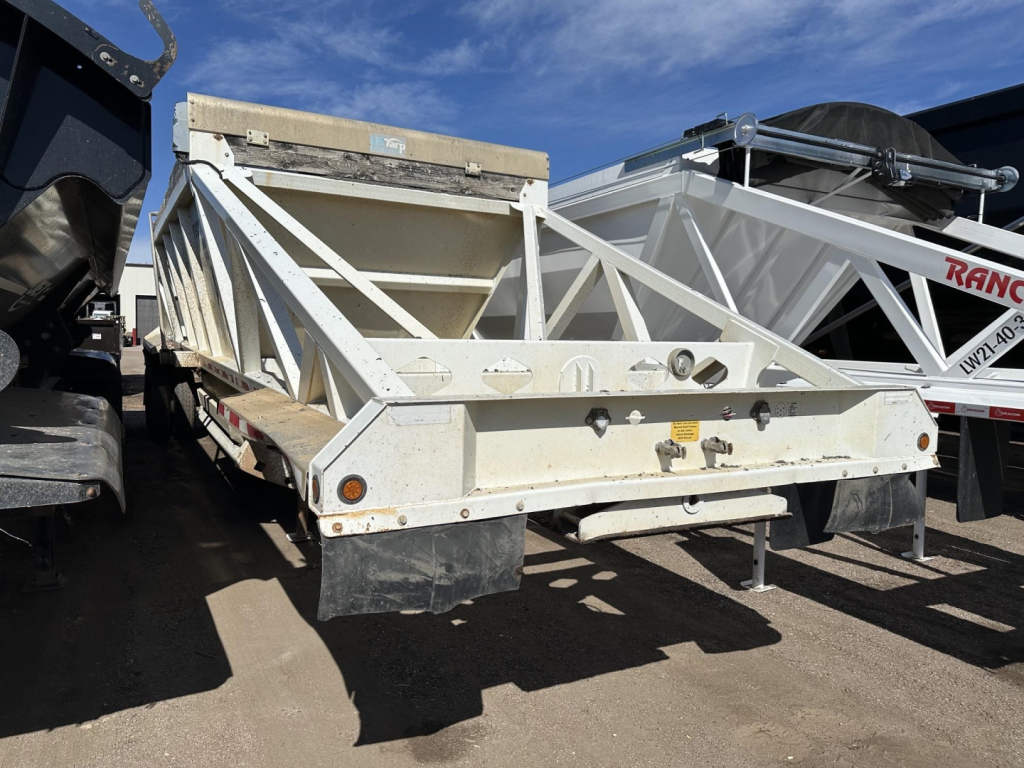
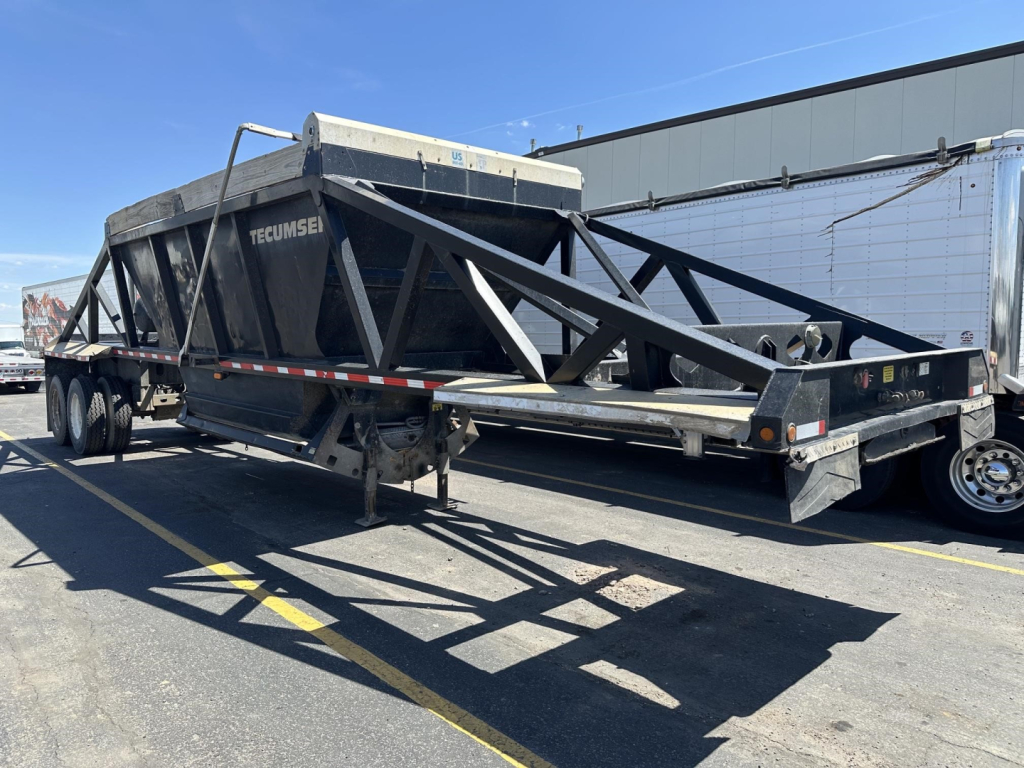
This year range covers a wide spread of trailer types, including reefer trailers, dump trailers, lowboy or equipment trailers, and pneumatic dry bulk trailers such as sand tanks. That means the right buying approach starts with the job. A reefer buyer should look closely at box condition, floor wear, door seal integrity, air-ride slider operation, and refrigeration unit hours if equipped. A dump trailer buyer should inspect the tub or body for cracking, crossmember corrosion, gate wear, cylinder condition, and signs of hard off-road or aggregate service. For lowboys and other equipment trailers, deck length, loaded deck height, beavertail design, ramp style, tie-down points, and suspension layout directly affect what machines the trailer can legally and safely move.
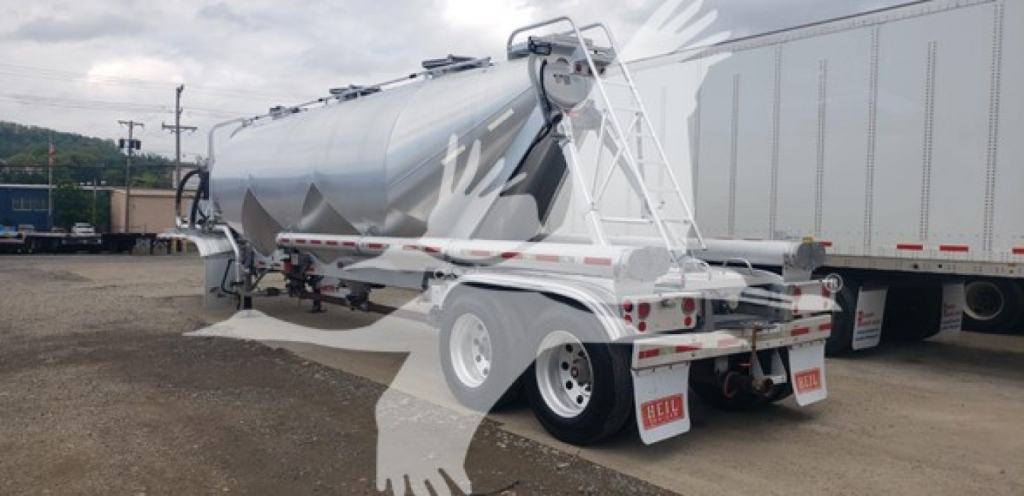
For pneumatic dry bulk trailers, the key decision points are usually barrel material, hopper count, valve and piping condition, discharge layout, aeration system, and the type of product previously hauled. Aluminum barrels help keep tare weight down, while galvanized or corrosion-resistant subcomponents can add longevity in abrasive service. Buyers should also check manhole condition, hose tube setup, catwalk and ladder integrity, tire size, wheel material, brake life, and suspension brand. On any 2015 trailer, pay attention to kingpin wear, fifth wheel plate condition, landing gear operation, wiring repairs, ABS function, and signs of uneven tire wear that may point to alignment or suspension issues.
Because 2015 trailers are now well into their service life, inspection discipline is critical. Look under the trailer for frame rust, cracked welds, patched floors, oil contamination around hubs, and brake drum or rotor condition. Confirm axle spacing, overall length, width, and state-specific compliance if the trailer will run specialized freight or cross multiple jurisdictions. A well-maintained 2015 trailer can still deliver solid value, but the buyer usually wins by comparing maintenance history, spec fit, and structural soundness rather than shopping by model name alone.
Frequently Asked Questions about 2015 Unknown Trailers
What should I check first on a 2015 used trailer?
Start with structural condition and legal identity. Confirm the VIN and title, then inspect the frame, crossmembers, suspension mounts, kingpin area, landing gear, brakes, hubs, tires, wiring, and lights. On a 2015 trailer, age-related wear can hide in weld repairs, corrosion, floor damage, and uneven tire wear, so a thorough underbody inspection is essential before evaluating cosmetic appearance.
Are 2015 trailers still a good value for commercial use?
Yes, a 2015 trailer can still be a strong value if the specification matches the work and the maintenance history is solid. Many buyers target this age range because the purchase price is typically lower than late-model equipment while the trailer may still have many serviceable years left. The deciding factors are structural integrity, brake and suspension condition, prior application, and whether major wear items have already been repaired or replaced.
How do I evaluate a 2015 pneumatic dry bulk trailer or sand tank?
Focus on barrel condition, hopper layout, aeration components, discharge piping, valves, and the product previously hauled. Sand service can be abrasive, so inspect butterfly valves, tees, straight pipe sections, hose tubes, and internal flow areas for wear. Also review suspension type, brake life, wheel and tire condition, and the state of ladders, catwalks, manholes, and fenders because these details affect both safety and daily usability.
What matters most when buying a 2015 reefer, dump, or equipment trailer?
The most important factors depend on the trailer category. On a reefer, pay attention to trailer body integrity, floor condition, door seals, and refrigeration system status. On a dump trailer, inspect the body, floor, gate, hoist or cylinder, and signs of heavy aggregate use. On an equipment trailer or lowboy, confirm deck dimensions, ramp design, tie-down points, axle setup, and loaded deck height so the trailer actually fits the machines and routes it will serve.
Does an unknown trailer make reduce resale value or create problems?
An unknown make does not automatically mean poor quality, but it does increase the need for careful inspection and documentation. Parts support, exact build origin, and spec verification can be less straightforward when the manufacturer is unclear. Buyers should rely on the VIN plate, component brands such as suspension and axle manufacturers, and a detailed physical inspection to determine real value and future serviceability.