
Trailmobile Trailers For Sale in New York
Browse Trailmobile trailers for sale, including dry van models with common specs, sliding tandems, aluminum construction, and fleet-ready options.
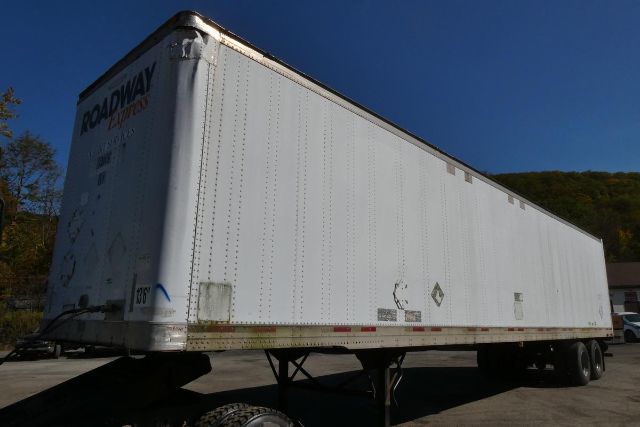
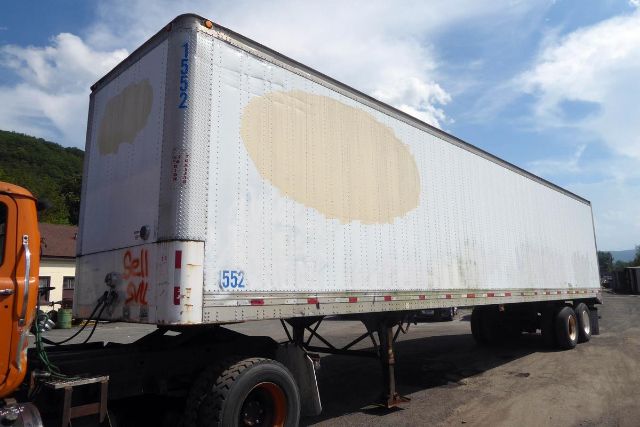

Selling a trailmobile trailer? List your trailmobile trailer for sale and reach thousands of commercial buyers.
Trailmobile Trailers in New York
A buyer comparing Trailmobile dry vans should look closely at structural condition first. Floor crossmembers, rear frame, side posts, roof bows, and the threshold under the door take the most abuse in multi-stop freight and dock work. Sliding tandem rails and locking pins need to move freely and hold securely, especially if the trailer will be used in ports, warehouse networks, or lanes where bridge law and axle spread compliance are part of daily operations. Spring ride suspensions are common on older Trailmobile units and are durable, but ride quality and cargo sensitivity should still be matched to the freight. Roll-up doors are practical for tight docks, though seal condition, cable wear, and header alignment deserve inspection before purchase.
Spec details often tell you how the trailer was used. A translucent or aluminum roof can improve daytime visibility inside the box. Logistics posts, E-track, or scuff liners point to freight handling needs beyond simple dock-to-dock pallet work. Tire size, wheel type, hub-piloted steel rims, and brake condition all affect operating cost the day the trailer goes to work. Dry weight also matters. A lighter van helps preserve payload, while a heavier older unit may reflect more steel content or prior repairs. Common GVWR figures in this category are around 65,000 to 68,000 pounds, but actual legal payload depends on tractor spec, axle spacing, and the freight lane.
Trailmobile trailers are often considered by fleets looking for practical dry van capacity without chasing specialized equipment. They fit general freight, retail, packaged goods, warehouse transfers, and regional haul applications where durability and easy parts support matter more than premium features. The best buying approach is to match length, height, door opening, floor condition, and tandem travel to the freight you actually move. A clean 45-foot van may be the right answer for older docks and urban delivery points, while a 48-foot or 53-foot style fleet strategy usually prioritizes cube, lane compatibility, and standardization across tractors and drivers.
Frequently Asked Questions about Trailmobile Trailers in New York
What types of Trailmobile trailers are most common on the used market?
Dry van trailers are among the most common Trailmobile units found on the used market. Many are fleet-spec vans with tandem axles, sliding tandems, spring ride suspensions, roll-up rear doors, and aluminum or aluminum-steel construction. Typical lengths include 45-foot and 48-foot models, and buyers often see both 96-inch and 102-inch widths depending on age and original application.
What should I inspect first on a used Trailmobile dry van trailer?
Start with the structure and running gear. Check the floor for rot, soft spots, and patched sections, then inspect crossmembers, side rails, rear frame, door header, and roof for impact or corrosion issues. After that, verify tandem slide operation, suspension condition, brake wear, tire condition, wheel type, and air system leaks. Door function and seal condition also matter because rear frame and threshold repairs can become expensive quickly.
Are sliding tandems important on a Trailmobile trailer?
Yes. A sliding tandem gives the trailer more flexibility for axle weight distribution, bridge law compliance, and dock positioning. That matters in states like New York, where axle spacing and route restrictions can affect how legally and efficiently a trailer can be operated. Buyers should make sure the slide rail is not excessively worn, the pins engage correctly, and the suspension tracks evenly.
Is a spring ride Trailmobile trailer still a good buy?
It can be, especially for general freight and cost-conscious operations. Spring ride is simple, durable, and common on older dry van trailers, which helps with maintenance familiarity and parts sourcing. The tradeoff is harsher ride quality compared with air ride, so cargo type matters. If the trailer will handle fragile or high-value freight, suspension choice should be weighed carefully.
How do I choose between a 45-foot and 48-foot Trailmobile van trailer?
The decision usually comes down to lane requirements, dock access, and payload strategy. A 45-foot trailer can be easier to place in tighter urban areas and at older facilities, while a 48-foot trailer offers more cube for palletized freight and warehouse moves. Buyers should compare door opening, interior height, dry weight, and turning needs against the freight they haul most often rather than choosing by length alone.