
Trailmobile Van Trailers For Sale in New York
Browse Trailmobile van trailers for sale in New York. Compare dry van specs, lengths, tandem setups, doors, floors, and payload features.
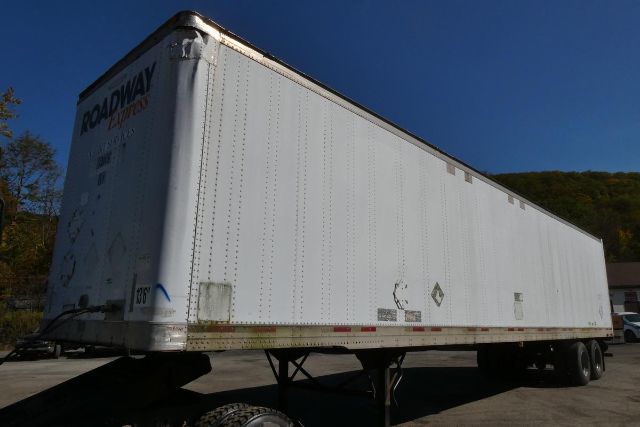
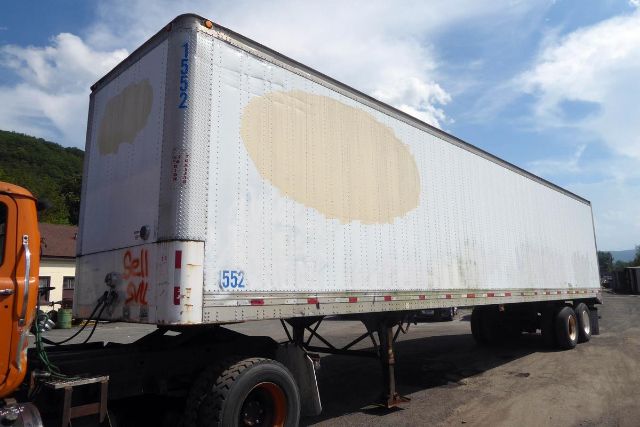

Have trailmobile van trailer to sell? List it here to reach thousands of buyers.
Trailmobile Van Trailers in New York
A buyer comparing Trailmobile dry vans should start with dimensions and tare weight. Common examples include 102-inch wide bodies, interior heights around 12-foot-6 to 13-foot-6, and GVWR ratings in the 65,000 to 68,000 pound range. A lighter aluminum trailer can help preserve payload, while aluminum-steel combinations may offer a balance of durability and repair practicality. Floor composition matters just as much. Wood-over-steel floors remain common because they handle mixed freight and forklift traffic well, but condition is everything. Soft spots, excessive floor wear, patched crossmembers, and rear frame fatigue can turn a low purchase price into immediate shop expense.
Rear access is another major decision point. Many Trailmobile vans in this class use roll-up doors with steel surrounds, which work well at tight docks and in urban delivery environments where swing doors can be inconvenient. Buyers should still inspect the door tracks, rollers, header, and threshold for wear, especially on older units that have seen heavy stop-and-go service. Slideable tandems are also worth close attention in New York because bridge law compliance, axle spread requirements, and dock approach needs can affect how useful a trailer is in day-to-day operation. Suspension types such as 4-spring setups are common on older vans and can be durable, but overall ride quality and bushing condition should be checked carefully.
Features like translucent roofs, side lining, logistics posts or horizontal logistics track, and side windows can make a difference depending on the freight. A translucent roof improves daytime visibility for loading. Logistics track helps secure varied palletized freight. Tire size, wheel type, brake condition, and roof integrity all deserve a close look on used van trailers, especially in a Northeast market where weather, road salt, and seasonal loading conditions can accelerate corrosion. For many buyers, the best Trailmobile van trailer is not simply the newest one. It is the trailer with a sound frame, dry interior, solid floor, legal running gear, and dimensions that match the freight and docks it will serve.
Frequently Asked Questions about Trailmobile Van Trailers in New York
What should I inspect first on a used Trailmobile van trailer?
Start with the floor, roof, rear frame, suspension, and running gear. On older dry vans, the biggest cost items are often hidden in floor rot, cracked crossmembers, leaking roofs, brake wear, and corrosion around the subframe or rear impact area. Check the roll-up door operation, look for daylight or water intrusion inside the van, and inspect the tandem slide rails and locking pins for damage or seizure. A trailer that looks average cosmetically but has a dry interior and solid structure is usually a better buy than one with fresh paint covering major wear.
Are Trailmobile van trailers good for general dry freight?
Yes. Trailmobile dry van trailers are widely used for palletized freight, retail goods, packaged products, and general warehouse freight that needs weather protection and cargo security. The enclosed body helps protect loads from road spray, theft, and shifting weather conditions, while common specs like wood floors, logistics track, and roll-up doors make them adaptable to mixed freight operations. The key is matching length, interior height, and axle setup to the type of loads and routes being run.
Why does a slideable tandem matter on a van trailer in New York?
A slideable tandem affects bridge compliance, weight distribution, and maneuverability. In New York and the broader Northeast, axle position can influence how a trailer scales on different loads and how easily it can meet state bridge formulas and customer site requirements. Buyers should confirm that the slider moves freely, locking pins engage correctly, and the rail structure is not excessively worn. A damaged or frozen slider can limit where and how the trailer can be used.
What are common specs for older Trailmobile dry van trailers?
Common specs include 45-foot to 48-foot lengths, 102-inch width, interior heights roughly between 12-foot-6 and 13-foot-6, tandem axles, air brakes, wood or wood-steel floors, and aluminum or aluminum-steel body construction. Many older units also use 22.5-inch tires, steel wheels, spring suspension, and roll-up rear doors. Exact dimensions and ratings vary by build, so buyers should verify GVWR, empty weight, door opening size, and interior cube before assigning a trailer to a specific freight application.
Is a roll-up door better than swing doors on a dry van trailer?
It depends on the operation. A roll-up door is often preferred for city work, tight docks, and repeated loading where rear clearance is limited. It keeps the door contained within the trailer body and reduces the chance of door damage in cramped yards. Swing doors can offer a wider clear opening and simpler hardware, but they need room behind the trailer to operate. On a used Trailmobile van, the better choice is the door style that fits the loading environment and is in the best mechanical condition.