
TRAILKING Trailers For Sale
No exact matches found for your search
Showing Trailers instead.
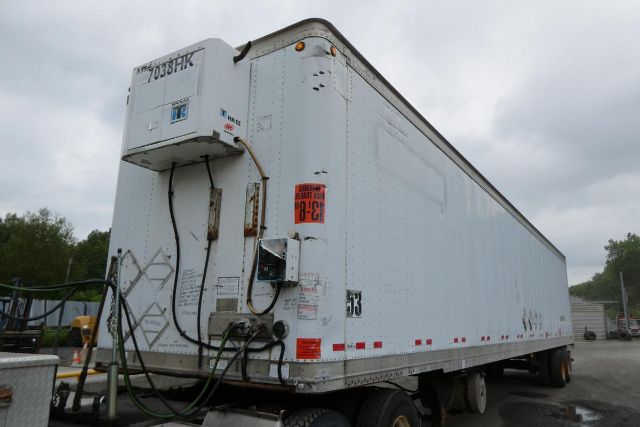
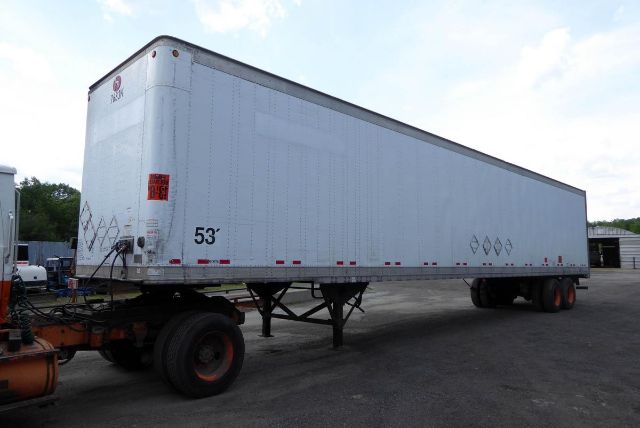
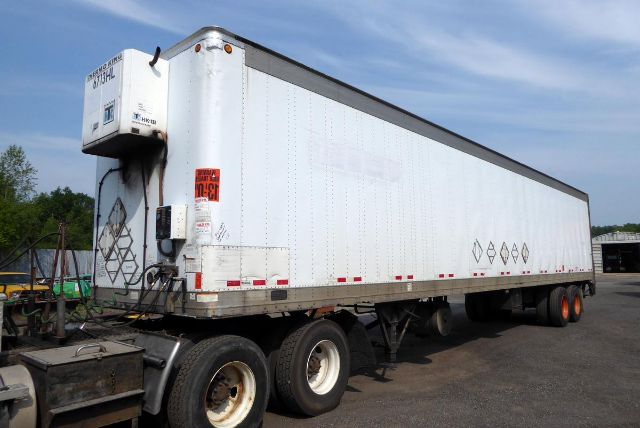
Showing 2,653 to 2,664 of 2,680 results
Have trailking trailer to sell? List it here to reach thousands of buyers.
TRAILKING Trailers
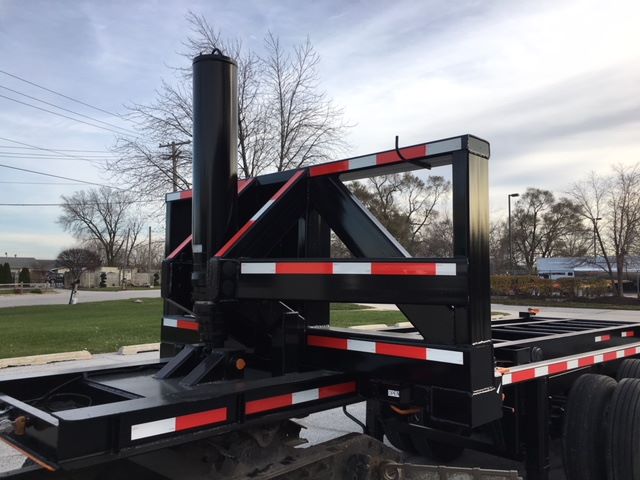
A common TRAILKING trailer configuration is the lowboy, also known as a low-bed or detachable lowboy trailer. These trailers are built to keep deck height low enough to haul taller machines while staying within legal height limits. Mechanical detachable gooseneck models are popular for straightforward loading and dependable operation, while hydraulic detachable designs can speed up hookup and release in higher-cycle fleets. Typical specs in this category include 102-inch overall width, deck lengths that vary by model, wood or aluminum deck sections, outriggers, D-rings, air ride or spring suspension, and 22.5-inch rubber on hub-piloted or stud-piloted wheel ends depending on age and spec. On used units, buyers should pay close attention to kingpin area condition, deck crossmember integrity, neck fit, ramp or detach wear points, brake type, and any signs of frame repair around the main beam and rear transition.
TRAILKING also has a strong reputation for practical heavy-equipment trailer layouts that work well in regional construction, roadbuilding, utility, and machinery moving service. Features such as low deck heights, main deck clearance, rear deck design, and securement options directly affect how easily a trailer handles compact track loaders one day and larger iron the next. Nail strips, apitong or wood decking, aluminum upper deck sections, chain trays, scuff protection, and multiple tie-down points are all worth comparing because they influence both service life and day-to-day usability. Suspension choice matters too. Air ride can improve ride quality for certain loads and road conditions, while mechanical setups may appeal to buyers focused on simplicity and easier field service.
When comparing TRAILKING trailers for sale, the smartest approach is to match trailer style to the heaviest and tallest equipment in your fleet, then verify axle ratings, deck dimensions, detachable design, and overall structural condition. A lowboy that looks similar on paper can perform very differently depending on loaded deck height, neck geometry, and how the weight carries across the axles. For buyers in permitting-heavy states, overall loaded height and axle spacing can be just as important as gross capacity. TRAILKING remains a recognized name because these trailers are generally built for real jobsite use, with configurations that prioritize equipment access, load securement, and heavy-duty frame construction over light-duty versatility.
Frequently Asked Questions about TRAILKING Trailers
What types of trailers is TRAILKING best known for?
TRAILKING is best known for heavy-haul and equipment trailers, especially lowboy trailers and detachable gooseneck models. These trailers are commonly used to transport construction and roadbuilding equipment such as excavators, dozers, loaders, and pavers. The brand is closely tied to applications where low deck height, high weight capacity, and frequent loading cycles are important.
What should I check first on a used TRAILKING lowboy trailer?
Start with the structural areas that carry the most stress. Inspect the gooseneck connection, kingpin area, main beams, crossmembers, deck transitions, suspension mounts, and rear loading area for cracks, plating, or repair history. Then verify brake condition, tire wear, axle alignment, deck material condition, and the operation of the detachable neck if equipped. On heavy-haul trailers, structural condition matters more than cosmetic appearance.
What is the difference between a mechanical detachable and a hydraulic detachable TRAILKING trailer?
A mechanical detachable gooseneck uses a simpler connection system and is often valued for lower complexity and easier maintenance. A hydraulic detachable gooseneck uses hydraulic power to assist with neck attachment and removal, which can improve loading efficiency and reduce labor in high-frequency operations. The right choice depends on how often the trailer is detached, the type of equipment being loaded, and how much priority the buyer places on simplicity versus speed.
Why does deck height matter so much on a TRAILKING lowboy?
Deck height directly affects the legal loaded height of the machine being transported. A lower deck allows taller equipment to be hauled with less risk of exceeding height limits, which can reduce routing problems and permit complications. Deck height also influences loading angle, machine stability during loading, and how versatile the trailer will be across different types of equipment.
Are TRAILKING trailers mainly used for over-the-road hauling or jobsite work?
They are commonly used for both, but most TRAILKING trailers are designed with jobsite-driven hauling needs in mind. That means they are often spec'd for heavy equipment transport between yards, dealers, and active construction sites, while still being durable enough for regular highway miles. The best fit depends on axle configuration, suspension, deck design, and how specialized the trailer is for a certain class of machinery.