
Walker Tank Trailers For Sale
Browse Walker tank trailers for sale, including stainless steel tanker models built for liquid hauling, sanitary service, and dependable long-term use.
No exact matches found for your search
Showing Tank Trailers instead.
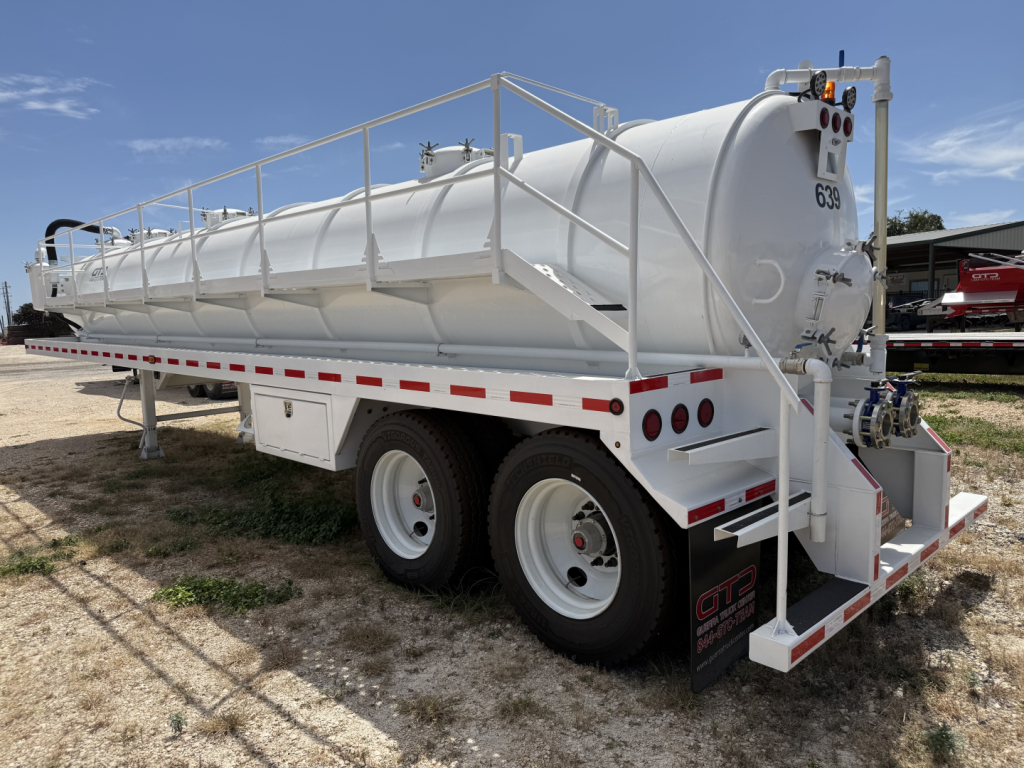
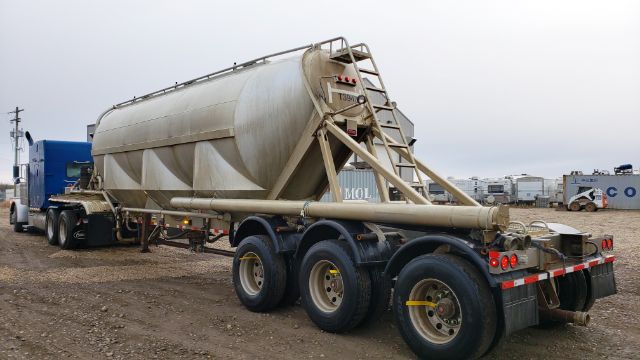
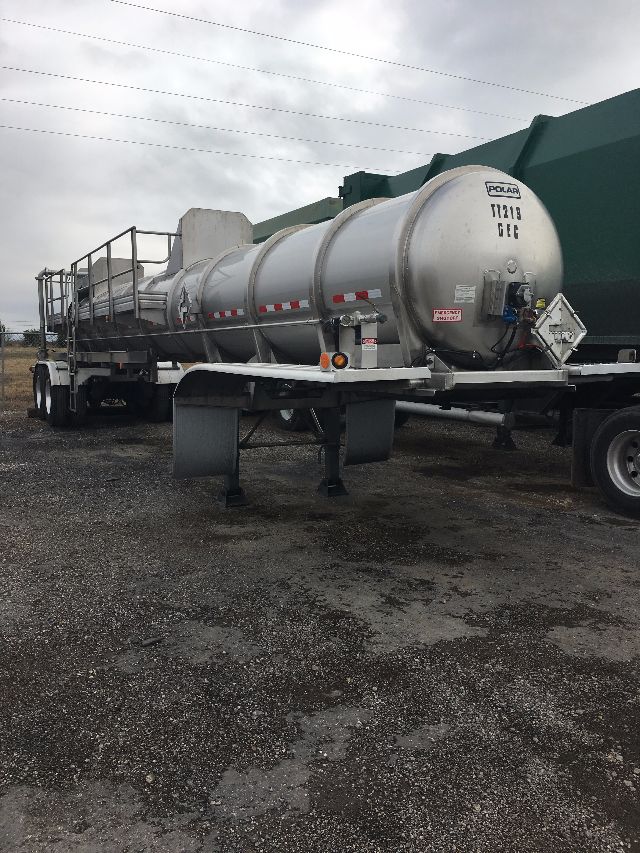

Selling a walker tank trailer? List your walker tank trailer for sale and reach thousands of commercial buyers.
Walker Tank Trailers
A common Walker configuration is a straight-round stainless steel tank in the 42-foot range with roughly 6,000 to 6,500 gallons of capacity, often set up as a single-compartment trailer with rear discharge. That kind of spec is simple, easy to clean, and well suited for dedicated product lanes where contamination control matters. Stainless piping, manholes, hose troughs, cabinets, and aluminum fenders are all common features on older and newer Walker units alike. If the trailer will be used for sanitary service, buyers should look closely at the internal condition of the barrel, outlet design, valve package, and any documentation related to prior product history, washout practices, and inspection records.
Suspension and running gear matter more on tank trailers than many first-time buyers expect. Air ride is often preferred for product protection and ride quality, while spring suspension can still be a practical fit for shorter hauls or lower-cost operations. Tire size, wheel type, brake condition, and axle ratings should be reviewed alongside the tank spec, especially if the trailer will run close to gross limits. Tank trailers also require attention to center of gravity, surge behavior, and baffle or non-baffle design where applicable, so matching the trailer to the product weight and route profile is critical. A lighter product can favor gallon capacity, while heavier liquids may require operating below shell volume to stay legal on bridge and axle laws.
Walker tanker buyers should also verify compliance items before purchase, including current inspections, thickness condition, frame integrity, landing gear operation, and the state of the discharge plumbing. Older stainless tank trailers can still offer strong value if the shell and structure are sound, but repair costs on valves, suspension, or sanitary components can add up quickly. For many fleets and owner-operators, a used Walker tank trailer remains appealing because the brand has a long reputation in tanker service and many units were originally ordered with practical, serviceable specs that hold up well in regional and over-the-road liquid hauling.
Frequently Asked Questions about Walker Tank Trailers
What are Walker tank trailers commonly used for?
Walker tank trailers are commonly used for hauling liquid bulk products such as food-grade liquids, dairy, chemicals, and other non-corrosive commodities, depending on the trailer's exact specification. The most common deciding factors are barrel material, compartment count, discharge layout, and any sanitary equipment or certifications tied to the unit. A stainless steel Walker tanker with a single compartment and rear discharge is often chosen for dedicated liquid service where easy cleaning and product separation are important.
Why is stainless steel important on a Walker tank trailer?
Stainless steel is valued because it resists corrosion, is easier to clean than many alternative materials, and generally holds up well in demanding liquid applications. On a used Walker tanker, stainless construction can also support long-term value if the shell, welds, and internal surfaces remain in good condition. Buyers should still confirm the specific grade, prior product history, and current suitability for the commodity they plan to haul.
What should I inspect first on a used Walker tank trailer?
The first items to inspect are the tank shell condition, frame, suspension, brakes, tires, discharge plumbing, and all valves and manholes. After that, review capacity, compartment configuration, and any service records that show what products were previously hauled and how the trailer was maintained. On sanitary or food-grade units, cleanliness, internal barrel condition, and paperwork can be just as important as the running gear.
Are single-compartment Walker tank trailers a good choice?
A single-compartment Walker tank trailer is a good choice for dedicated product lanes because it offers a simpler design, easier washout, and fewer internal divisions to maintain. That setup is common on straight-round stainless steel tankers in the used market. It is less flexible than a multi-compartment trailer for mixed loads, but it can be more efficient for operators hauling one product consistently.
How do I choose the right gallon capacity in a tank trailer?
The right gallon capacity depends on the weight of the product, axle configuration, and the states where the trailer will operate. A tank with more shell volume does not always mean more legal payload, especially with heavier liquids. Many buyers target a capacity range that balances payload efficiency with bridge-law compliance, product surge considerations, and the ability to load and unload safely on their regular routes.