
Vantage Tank Trailers For Sale
Browse Vantage tank trailers, including pneumatic dry bulk models, with specs on capacity, piping, suspension, and hauling applications.
Learn moreNo exact matches found for your search
Showing Tank Trailers instead.

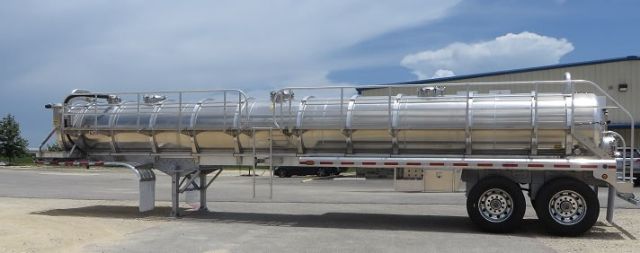
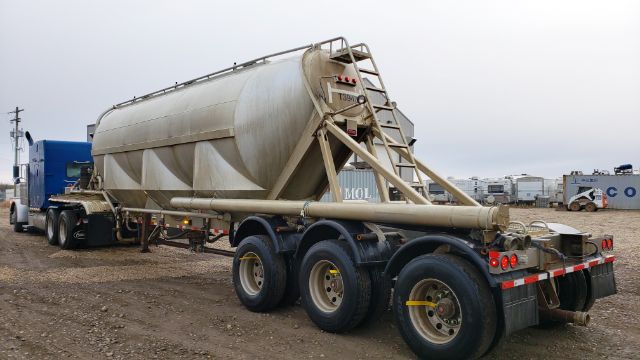
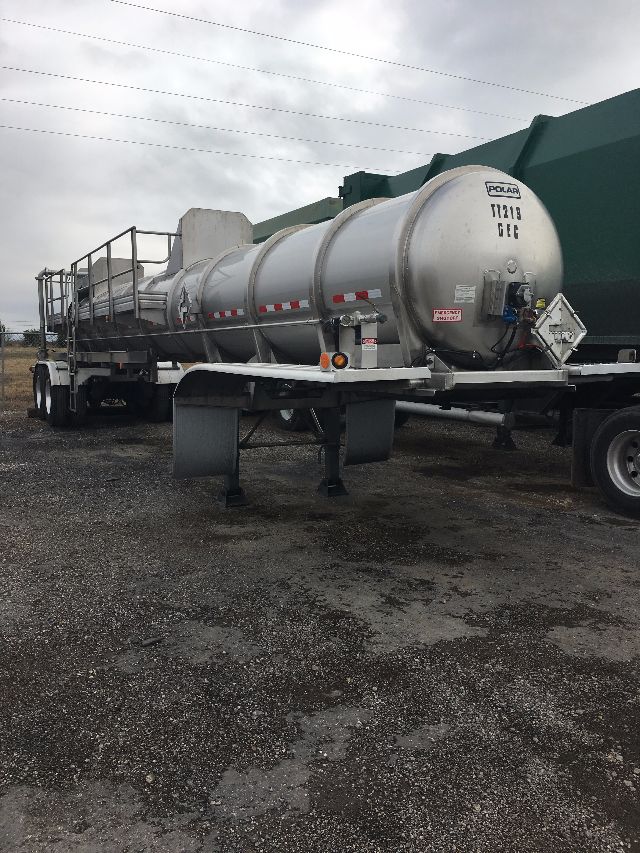
Have vantage tank trailer to sell? List it here to reach thousands of buyers.
About Vantage Tank Trailers
Construction and weight matter as much as capacity. Aluminum barrel and frame designs are favored when operators want to maximize legal payload and reduce corrosion concerns, especially in regional cement and aggregate service. Suspension type, wheel setup, and axle configuration also affect operating cost and ride quality. Air ride suspension is common on pneumatic tanks because it helps protect the trailer and improves stability under varying load conditions. Buyers should also inspect hose tubes, fenders, discharge plumbing, aeration system components, and valves, since those items directly impact turnaround time and maintenance expense.
Commodity and route profile should drive the spec decision. A longer trailer with around 1,000 cubic feet of capacity can be a strong fit for light-density products, but heavier materials may cube out differently and push axle weights sooner. Hopper design, cone condition, and interior cleanliness are important if the trailer will switch between products or run in food-grade, chemical, or dedicated industrial service. Pressure integrity is critical on any pneumatic tank trailer, so tank history, manhole sealing surfaces, pressure relief equipment, and signs of weld repair deserve close attention during evaluation.
For many fleets, a Vantage tank trailer is judged on practical service points rather than cosmetics. Look at discharge line routing, access to wear components, landing gear condition, brake system service history, tire size, and wheel type. Kingpin setting and overall trailer length should also match the tractor wheelbase and the states or plants where the trailer will operate most often. A well-matched tank trailer can improve unload efficiency, reduce product contamination risk, and keep bulk hauling operations productive over long duty cycles.
Frequently Asked Questions
What are Vantage tank trailers typically used for?
Vantage tank trailers are often used in dry bulk hauling, particularly pneumatic service for commodities such as cement, lime, fly ash, sand, and plastic pellets. The exact application depends on the trailer's cube capacity, hopper configuration, piping, and pressure system. Buyers should confirm that the trailer's discharge setup and material compatibility match the product they plan to haul.
What specs matter most when buying a used Vantage pneumatic tank trailer?
The key specs are cubic foot capacity, trailer length, number of hoppers, pipe diameter, axle setup, suspension type, and construction material. These details affect payload, unload speed, maneuverability, and long-term maintenance cost. It is also important to review pressure system condition, valve operation, manholes, hose storage, and any evidence of barrel or cone repairs.
Is an aluminum Vantage tank trailer a good choice?
An aluminum tank trailer is often a strong choice when payload is important because aluminum helps keep empty weight down. It also offers good corrosion resistance in many bulk hauling applications. Buyers should still inspect the barrel, frame, welds, and mounting points carefully, since repair quality and structural condition matter more than material alone.
How do I choose the right tank trailer capacity for my operation?
Capacity should be matched to the density of the commodity and the legal weight limits on the routes the trailer will run. A larger cubic foot trailer works well for lighter products, but dense materials can reach gross weight limits before the tank is full. Buyers should calculate both cube and weight for their primary commodity so the trailer is productive without creating axle weight problems.
What should I inspect first on a used Vantage tank trailer?
Start with the pressure vessel condition, including the barrel, hoppers, manholes, relief devices, and discharge plumbing. After that, inspect the suspension, brakes, tires, wheels, landing gear, and frame for signs of heavy wear or deferred maintenance. Service records, prior commodity history, and evidence of leaks or product contamination can also reveal how well the trailer was maintained.