
Tank Trailers For Sale in Texas
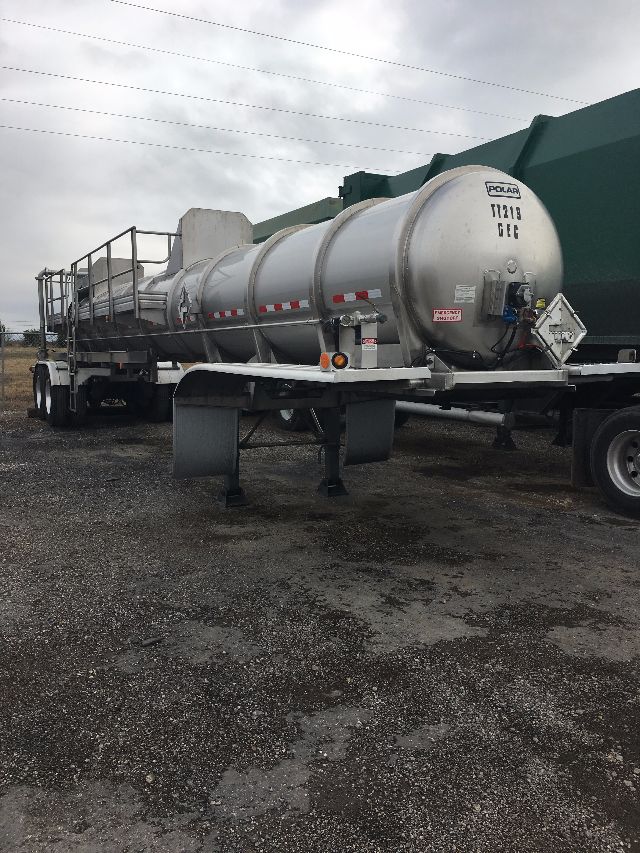
Have tank trailer to sell? List it here to reach thousands of buyers.
Tank Trailers in Texas
Pneumatic tankers, also called dry bulk trailers, are commonly found in aluminum construction to keep tare weight down and payload up. Typical specs include 1,000 to 1,040 cubic foot capacities, multiple hoppers, pressure manholes, 4-inch piping, and center or rear discharge layouts. Trailer length often falls in the low-40-foot range, though longer 48-foot configurations are also common. Air ride suspension is popular for ride quality and product protection, while wheel and tire setup can vary from standard duals to super singles. On this type of trailer, buyers should pay close attention to blower compatibility, aeration system condition, hopper slope, discharge plumbing wear, and signs of barrel fatigue or repairs around mounts and seams.
Liquid tank trailers demand a different checklist. Stainless steel barrels are common where corrosion resistance and product purity matter, and lined tanks may be used for more aggressive commodities. Capacity is usually measured in gallons rather than cubic feet, with compartment count playing a major role in load flexibility and surge control. If the trailer is built to a spec such as DOT 412, verify the code plate, lining condition, vapor recovery equipment, internal cleanliness, and test documentation. Single-compartment chemical tanks, crude and produced water tanks, and fuel trailers each have different valve, pump, vent, and safety equipment requirements. Buyers in Texas should also think about summer heat, commodity expansion, and how the trailer's pressure and seal systems hold up in demanding regional service.
Across the category, condition matters as much as brand. Polar, Heil, Vantage, and other established tank trailer manufacturers are known in different niches, but the right trailer is the one matched to your product, unloading method, and route density. Check frame and substructure condition, suspension type, brake spec, wheel-end maintenance history, and kingpin area wear. Confirm the availability of replacement parts for valves, gaskets, elbows, and hose assemblies, especially on older units. A tank trailer can be an efficient, long-service asset when the spec matches the commodity and the maintenance history supports safe operation.
Frequently Asked Questions about Tank Trailers in Texas
What is the difference between a pneumatic tank trailer and a liquid tank trailer?
A pneumatic tank trailer is designed for dry bulk material and uses air pressure to unload commodities such as cement, lime, fly ash, plastic pellets, and similar powders or granules. A liquid tank trailer is built to carry fluid products and is spec'd around gallon capacity, compartment layout, pressure rating, and commodity compatibility. The two trailer types may look similar at a glance, but their barrel construction, plumbing, discharge systems, and regulatory requirements are very different.
How do I choose the right tank material for the product I haul?
Aluminum is common when low tare weight and corrosion resistance are important, especially in dry bulk service. Stainless steel is often preferred for chemicals, food-grade products, and other liquid applications where product purity and durability matter. Some tanks also use specialty linings for aggressive commodities. The correct choice depends on the cargo, loading and unloading temperatures, cleaning requirements, and the chemical compatibility of the product with the barrel, valves, gaskets, and internal components.
What should I inspect first on a used tank trailer?
Start with the code plate or specification tag, then inspect the barrel, welds, seams, and mounting points for damage, repairs, or corrosion. After that, check the suspension, brakes, wheel ends, tires, kingpin area, and frame structure. On pneumatic tanks, inspect hoppers, aeration pads, piping, valves, and discharge plumbing. On liquid tanks, review compartment condition, valves, vents, dome lids, vapor recovery equipment, and any available pressure test or inspection records.
Why does compartment count matter on a tank trailer?
Compartment count affects load flexibility, product segregation, and surge characteristics. A single-compartment tank maximizes capacity for one product, which is common in many chemical and dry bulk applications. Multi-compartment tanks let an operator haul different products or split deliveries on one trip, but they add complexity through additional bulkheads, valves, and plumbing. The right setup depends on your delivery pattern, customer mix, and unloading procedure.
Are DOT code requirements important when buying a tank trailer?
Yes. DOT code requirements are critical on liquid tank trailers and any application involving regulated commodities. The code determines how the tank was built, tested, and legally used, and it affects what products the trailer can haul. Buyers should confirm the data plate, test intervals, safety equipment, and current compliance status before purchase. Using the wrong spec trailer for a regulated load can create safety, insurance, and enforcement problems very quickly.