
Used Polar Tank Trailers For Sale in Alberta
Browse used Polar tank trailers for sale in Alberta, including pneumatic and liquid tank configurations with specs buyers compare most.
Learn more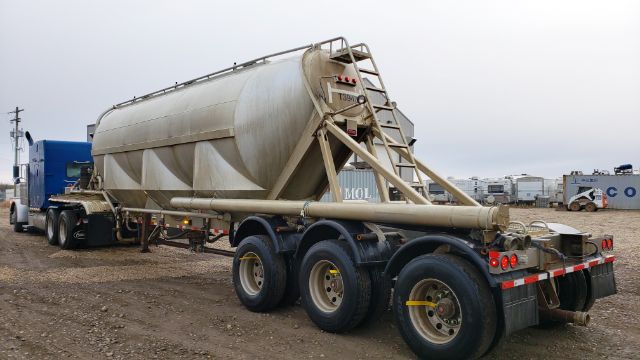
Have used polar tank trailer to sell? List it here to reach thousands of buyers.
About Used Polar Tank Trailers in Alberta
For dry bulk service, Polar pneumatic tanks are commonly spec'd for cement, lime, frac sand, and similar commodities where discharge efficiency and vessel condition drive productivity. Buyers should look closely at cubic meter or cubic foot capacity, number of hoppers, plumbing layout, aeration system, discharge piping, and whether the trailer uses a hydraulic or PTO-driven blower or pump arrangement. In western Canada, air ride suspension, tire size, wheel spec, and current inspection status can affect operating cost right away. If the trailer has multiple compartments, confirm how that layout impacts payload flexibility, cleanout time, and product segregation.
For liquid service, many used Polar tank trailers on the market are stainless steel units built for regulated hauling, including DOT 412-spec applications. Key checkpoints include gallon capacity, single versus multi-compartment design, vapor recovery equipment, manway configuration, rear cabinet layout, bottom outlet setup, and any interior protection such as a Kylar lining. The tank code and lining must match the commodity you intend to haul. A well-matched spec can reduce contamination risk, simplify washout procedures, and improve resale value later. In Alberta, buyers should also verify provincial inspection requirements, prior service history, and compatibility with local loading and unloading infrastructure.
Across both pneumatic and liquid Polar tank trailers, condition matters most in the barrel, running gear, and discharge system. Inspect for barrel damage, weld repairs, corrosion, liner condition, frame and subframe integrity, suspension wear, brake condition, wheel-end history, and signs of product contamination or moisture intrusion. Ask about current CVIP status, axle ratings, GVWR, and maximum product load, then compare those numbers to the commodities and routes you plan to run. A used Polar tank trailer with the right code, capacity, and unloading equipment will usually outperform a newer trailer that is simply mis-spec'd for the job.
Frequently Asked Questions
What should I check first on a used Polar tank trailer?
Start with the tank specification and intended product. Confirm whether the trailer is built for pneumatic dry bulk or liquid service, then verify tank code, capacity, compartment configuration, and unloading equipment. After that, inspect the barrel, lining if equipped, suspension, brakes, wheel ends, and plumbing. On a used unit, the correct spec and a sound tank are more important than cosmetic condition.
Are Polar tank trailers available in both pneumatic and liquid configurations?
Yes. Polar is a recognized manufacturer in both dry bulk pneumatic tanks and liquid tank trailers. Pneumatic models are commonly used for cement, sand, lime, and other dry bulk products, while liquid tanks may be built in aluminum or stainless steel for petroleum, chemical, or specialty liquid applications. Buyers should not assume one Polar tank trailer is interchangeable with another because tank code, lining, and unloading systems vary significantly by service.
Why does tank code matter on a used liquid tank trailer?
Tank code determines the type of product the trailer is designed and certified to haul. For example, a DOT 412-coded trailer is used in specific corrosive or hazardous liquid applications, and that code affects safety, compliance, insurance, and loading compatibility. If the code does not match your commodity, the trailer may not be legal or practical for your operation. Buyers should confirm code, prior product history, and any internal lining before purchase.
What features matter most on a used pneumatic tank trailer?
Capacity, hopper layout, discharge system, and vessel condition are the main factors. Buyers usually compare cubic capacity, number of compartments or hoppers, blower or hydraulic pump setup, aeration components, and pipe routing. A trailer that unloads efficiently and has a clean, dry, structurally sound vessel will usually deliver better uptime than one with a larger advertised capacity but poor plumbing or worn running gear.
What is important when buying a used tank trailer in Alberta?
Inspection status, cold-weather operability, and compatibility with local hauling work are especially important in Alberta. Buyers should verify current CVIP status, axle and GVWR ratings, tire and brake condition, and the trailer's suitability for regional commodities such as dry bulk construction materials, oilfield products, or regulated liquids. It is also smart to confirm that the loading, unloading, and vapor recovery or discharge systems match the terminals and customer sites the trailer will serve.