
Other Tank Trailers For Sale
Browse other tank trailers for sale, including stainless, insulated, compartment, and MC-spec units for liquid hauling applications.
Learn moreNo exact matches found for your search
Showing Tank Trailers instead.

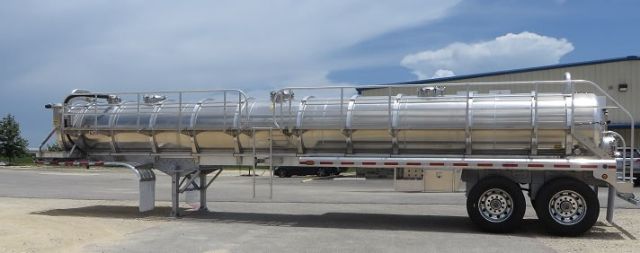
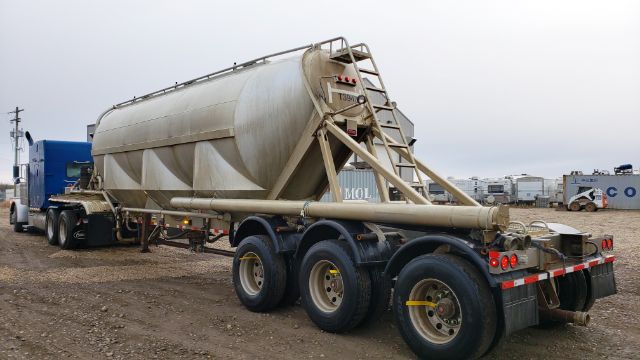
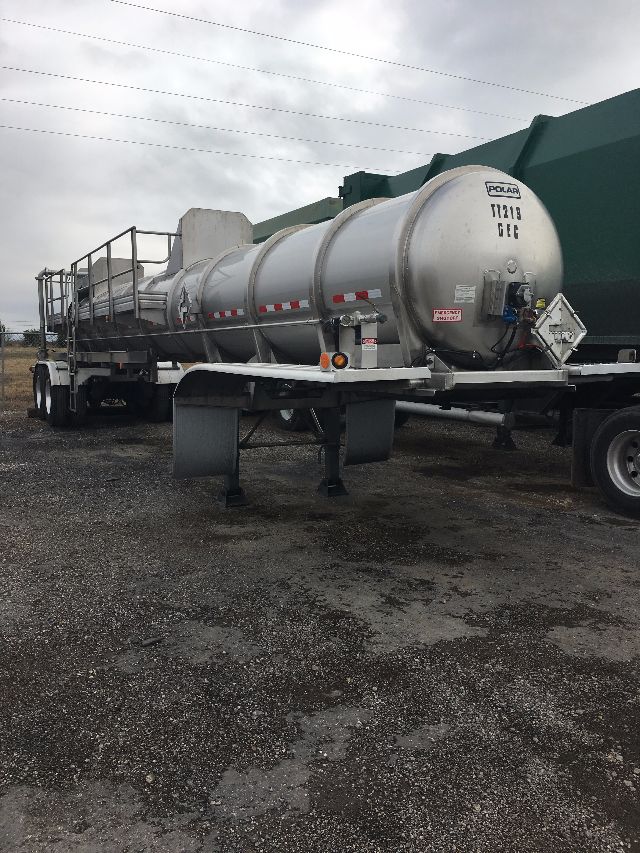
Have other tank trailer to sell? List it here to reach thousands of buyers.
About Other Tank Trailers
Stainless steel tanks are common when product purity, corrosion resistance, or washout standards matter. Insulated tanks and double-conical designs are often used for commodities that need temperature retention or complete drainage. Capacity can vary widely, but many used units fall in the 4,500 to 8,000 gallon range, often around 42 feet in length. Buyers should pay close attention to compartment count, manhole style, and piping size. A single-compartment trailer simplifies unloading and washout for one product stream, while multi-compartment tanks are more efficient for split loads and route deliveries. Rear, center, and side discharge layouts each affect pump setup, unloading speed, and dock compatibility.
Spec and construction details matter more on a tank trailer than on many other trailer types. Some units are built to MC-307 or similar chemical-service standards, while others are configured for food-grade or general industrial liquid service. External ring construction, pressure manholes, hose tubes or troughs, fender material, and frame composition all influence service life and maintenance cost. Suspension type is also worth checking closely. Older spring suspension tanks can still be solid performers, but buyers should inspect crossmembers, barrel mounts, subframe condition, and signs of previous weld repair. Tire size, wheel type, and low-profile versus standard rubber also affect operating cost and parts commonality.
Used tank trailer shoppers should verify paperwork and operating history before focusing on cosmetic condition. Confirm the tank code, last product hauled, test and inspection status, lining or barrel condition if applicable, and the state of valves, seals, and discharge plumbing. If the trailer will be used in regulated service, make sure the specification plate and current compliance requirements line up with your intended operation. A clean-looking tank can still need costly valve work, compartment repairs, or recertification. The right trailer in this category is the one whose construction, capacity, and discharge system fit your product, lanes, and unloading process with the fewest compromises.
Frequently Asked Questions
What should I check first when buying a used tank trailer?
Start with the tank specification, barrel material, and the last product hauled. Those three items quickly tell you whether the trailer is even a candidate for your operation. After that, review inspection and test records, examine the piping and valve package, and inspect the barrel, frame, mounts, and suspension for corrosion, cracks, or repair history. On tank trailers, compliance status and product compatibility usually matter more than appearance.
Is a stainless steel tank trailer worth the extra cost?
For many liquid applications, yes. Stainless steel offers strong corrosion resistance, easier sanitation, and broad compatibility with food products, chemicals, and specialty liquids. It can also hold value well in the secondary market. The tradeoff is purchase price, and buyers still need to confirm the exact grade, condition, and prior product history because not every stainless tank is suitable for every commodity.
How do I choose between a single-compartment and multi-compartment tank trailer?
A single-compartment tank is usually the better fit when you haul one product, want simpler washouts, and need full-capacity unloading without internal splits. A multi-compartment trailer works better for route delivery, petroleum distribution, or operations that need to separate products or delivery stops. The right choice depends on your freight mix, unloading sequence, and whether payload flexibility outweighs the added complexity of multiple compartments and valves.
Why does discharge location matter on a tank trailer?
Discharge location affects how the trailer interfaces with your pumps, hoses, customer facilities, and unloading routine. Rear discharge is common when access and straightforward hose routing are priorities. Center discharge can be practical for certain plant layouts, while side discharge may better suit specific delivery setups or compartment arrangements. Buyers should match the discharge design to their actual lanes and customer sites, not just the lowest purchase price.
What does an MC-spec tank trailer mean for a buyer?
An MC-spec designation refers to a tank built to a defined regulatory standard for certain hazardous or chemical-service applications. For a buyer, that means the trailer may have construction and inspection requirements tied to the product being hauled. It does not automatically make the trailer right for every liquid application. You still need to confirm current regulatory acceptance, required testing, and whether the trailer's specification plate matches your intended service.