
EXA Tank Trailers For Sale
Browse EXA tank trailers built for oilfield fluid hauling, with aluminum construction, vacuum capability, durable suspensions, and DOT-ready specs.
Learn more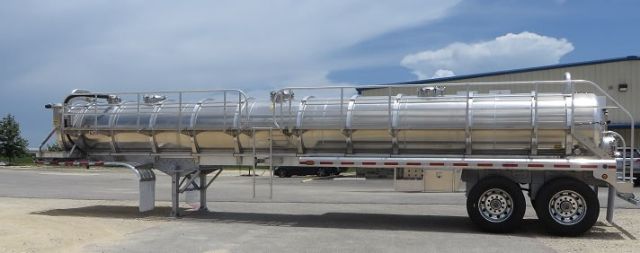
Have exa tank trailer to sell? List it here to reach thousands of buyers.
About EXA Tank Trailers
Construction details matter more on a tank trailer than they do on many other trailer types. Buyers should pay close attention to shell thickness, bulkhead design, weld quality, frame material, and internal lining if the trailer will see abrasive or contaminated product. EXA tank trailers in this class are often built with aluminum barrels to reduce empty weight while still providing good corrosion resistance for water and fluid service. Features like epoxy-lined interiors, full-length walkways, multiple manways, rear sight glasses, hose trays, and work lights can make a real difference in daily use, especially when loading and unloading in field conditions.
Running gear and roadability are just as important as tank construction. Many vacuum tank trailers use tandem 30,000 lb axles, air suspension such as a Hendrickson setup, ABS-equipped air brakes, 24.5-inch wheels and tires, and an adjustable fifth wheel connection with a standard kingpin setting. Buyers should confirm axle spread, overall length, loaded height, and landing gear spec against the routes and tractors they plan to use. In oilfield applications, cut and chip tires, heavy-duty landing gear, overturn protection, and durable rear valve arrangements are all worth checking because they affect uptime and service life.
If you are comparing EXA tank trailers, focus on the actual job cycle rather than just listed capacity. Ask how the trailer is vented, how product level is monitored, what valve sizes are installed, whether the barrel is lined, and how the suspension and chassis are specified for off-road use. Also confirm commodity compatibility, legal weight in your operating states, and any site-specific safety requirements around ladders, handrails, pressure reliefs, and shutoff systems. A tank trailer that matches your fluid type, unloading method, and route conditions will usually outperform a larger or cheaper trailer that is not spec'd for the same work.
Frequently Asked Questions
What are EXA tank trailers typically used for?
EXA tank trailers in this category are typically used for transporting oilfield fluids such as water, mud, and certain waste liquids. Many are vacuum tank trailers designed for loading and unloading fluid in field environments where suction capability, durable plumbing, and safe pressure relief systems are important. Buyers should always confirm the trailer's intended commodity range and lining or material compatibility before putting it into service.
Why does aluminum construction matter on a tank trailer?
Aluminum construction helps reduce tare weight, which can improve payload capacity and operating efficiency when legal gross weight is a limiting factor. It also offers good corrosion resistance for many fluid-hauling applications. The tradeoff is that buyers still need to evaluate shell thickness, baffle design, weld quality, and chassis strength, because a light trailer still has to hold up to rough roads, repeated loading cycles, and fluid surge.
What specs should I check first on a used or new EXA vacuum tank trailer?
Start with capacity, commodity type, barrel material, and whether the trailer is built for vacuum and pressure service. Then review axle ratings, suspension type, brake system, kingpin setting, overall dimensions, valve sizes, manway count, and relief system layout. For oilfield use, practical items like hose storage, sight glasses, ladder and walkway design, work lights, and under-tank storage can have a major effect on day-to-day productivity.
How important are baffles and bulkheads in a tank trailer?
Baffles and bulkheads help manage liquid surge and support structural integrity inside the barrel. On a tank trailer carrying partial loads or operating on uneven roads, surge control affects stability, braking feel, and driver confidence. A properly designed baffling system is especially important in fluid service where changing load movement can increase stress on both the trailer and the tractor.
What should buyers consider for oilfield and off-road operation?
For oilfield service, buyers should look beyond highway specs and focus on durability items such as suspension capacity, frame strength, tire selection, overturn protection, landing gear robustness, and protected valve placement. Access equipment also matters because full walkways, handrails, and safe ladder placement improve operator safety in muddy or uneven conditions. Matching the trailer to lease road conditions is just as important as matching it to the fluid being hauled.