
Used Tag Trailers For Sale
Browse used tag trailers for hauling equipment, skid steers, and compact machinery. Compare capacities, ramps, deck lengths, brakes, and axle setups.
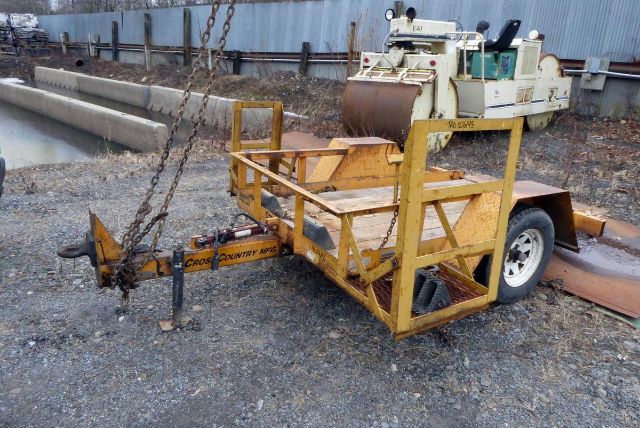
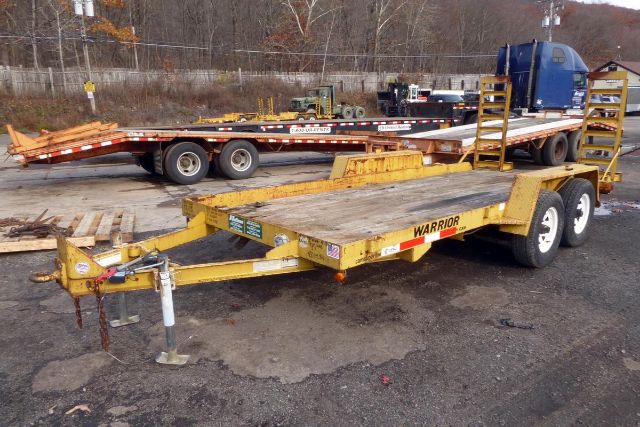
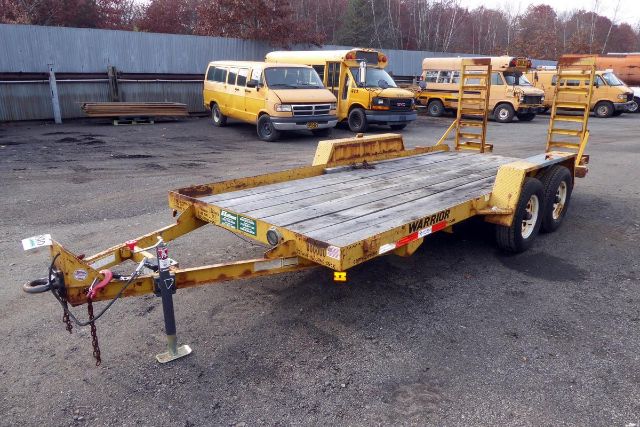
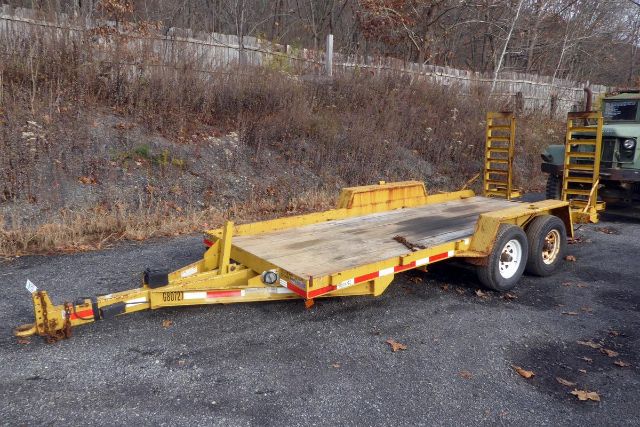
Selling a used tag trailer? List your used tag trailer for sale and reach thousands of commercial buyers.
Used Tag Trailers
Deck layout matters as much as gross rating. Common used tag trailer configurations include straight deck models with fold-up ramps, beavertail decks with flip-over ramps, and mechanical tilt trailers that eliminate ramp handling. Buyers hauling wheeled equipment often prefer a low deck height and gradual loading angle to reduce breakover issues. Deck lengths in this category can run from around 12 feet on smaller utility-equipment trailers to 20 feet or more on heavier tandem-axle units, with overall trailer lengths extending well beyond that once the tongue and beavertail are included. Width, stake pockets, rub rail condition, floor wear, and ramp structure should all be checked closely because these features directly affect how safely and efficiently the trailer can be loaded.
On used tag trailers, axle and brake condition deserve extra attention. Spring ride suspension is common, especially on steel equipment trailers, and electric brakes are frequently found on lighter models while heavier commercial tag trailers may use air brakes. It is important to verify that all brake components function correctly, especially on older units where wiring, magnets, drums, and breakaway systems may need service. Tire size, wheel bolt pattern, axle spacing, equalizers, suspension hangers, and coupler condition all affect long-term operating cost. If a trailer has tandem axles, inspect tire wear patterns and frame alignment to catch signs of overloading or curb damage. A sound used trailer should have a straight frame, solid crossmembers, usable floor thickness, and ramps or tilt components that operate without excessive play.
The best used tag trailer is the one matched to the machine, not just the lowest price. Buyers should compare trailer empty weight, payload rating, deck usable length, beavertail length, brake type, and towing requirements against the equipment they move most often. A lighter 3-ton trailer may be ideal for occasional transport of compact equipment, while a 20-foot deck with a 24,000 lb capacity fits more demanding fleet work. When evaluating listings, pay close attention to ramp style, landing gear, fixed axle layout, deck height, and any signs of brake or structural repairs. Those details usually tell you more about real-world suitability than model name alone.
Frequently Asked Questions about Used Tag Trailers
What is a tag trailer used for?
A tag trailer is used to haul equipment behind a tow vehicle using a bumper-pull or pintle-style hitch arrangement, depending on the build. Common loads include skid steers, mini excavators, compact tractors, mowers, scissor lifts, and construction attachments. Compared with larger detachable lowboys or goosenecks, tag trailers are typically simpler, lower-cost units suited to lighter and medium-weight equipment transport.
What should I inspect first on a used tag trailer?
Start with the frame, axles, brakes, tires, coupler, and deck. Check for cracked welds, bent crossmembers, uneven tire wear, worn suspension parts, non-functioning electric brakes, damaged wiring, and soft or rotted wood flooring. Ramp hinges, tilt mechanisms, and beavertail areas are high-stress points and should be inspected closely for fatigue or past repair work.
How do I choose the right capacity for a used tag trailer?
Choose a trailer based on the fully loaded machine weight, not the advertised machine base weight alone. Add the weight of buckets, forks, attachments, fuel, chains, and any material left in the machine. Then compare that total to the trailer GVWR, axle ratings, tire ratings, and the tow vehicle's towing and hitch limits. Leaving a reasonable margin helps with braking, durability, and legal compliance.
Are electric brakes or air brakes better on a tag trailer?
Electric brakes are common on lighter used tag trailers and can work well for pickup-based towing when properly maintained. Air brakes are more common on heavier commercial equipment trailers and are generally preferred for higher-capacity use with compatible trucks because they offer stronger braking performance and better durability in fleet service. The better option depends on trailer size, tow vehicle setup, and how often the trailer is used.
What deck style is best on a used tag trailer?
That depends on the equipment being loaded. A straight deck with fold-up ramps is simple and common, while a beavertail with flip ramps reduces loading angle for better clearance. A tilt deck can speed loading and eliminate ramp handling, which many operators prefer for frequent moves. The best deck style is the one that matches your machine's wheelbase, ground clearance, and daily loading routine.