
Cross Country Tag Trailers For Sale
Browse Cross Country tag trailers built for compact equipment hauling, with low deck heights, tilt decks, and practical weight ratings.
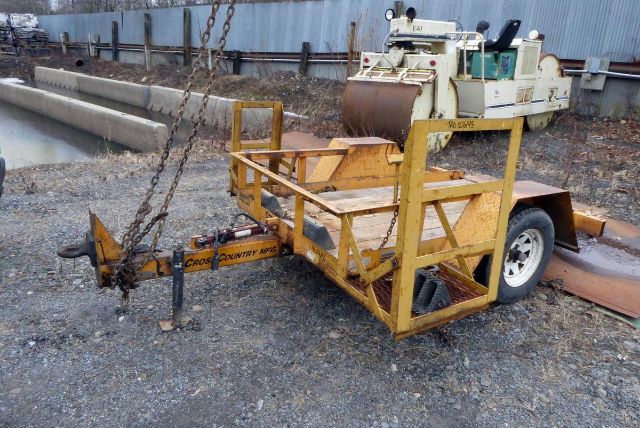
Selling a cross country tag trailer? List your cross country tag trailer for sale and reach thousands of commercial buyers.
Cross Country Tag Trailers
The first numbers to verify are GVWR, payload, deck length, and axle configuration. A smaller Cross Country tag trailer may be a single-axle unit in the 3,500-lb GVWR range, but specifications can vary by model and year. Deck height matters because a lower profile improves loading angle and helps with low-clearance equipment. Suspension is commonly spring ride on this class of trailer, which keeps maintenance straightforward and parts availability simple. Buyers should also check tire size, wheel bolt pattern, coupler type, and brake setup, especially on older trailers where electric brakes, wiring, and breakaway components may need service.
Condition is often more important than age on a used tag trailer. Look closely at the steel frame for repairs, rust scale, cracked welds, and any signs of twist from overloading. On tilt-deck models, inspect pivot points, latch mechanisms, deck balance, and how smoothly the bed returns to transport position. Wood flooring should be checked for rot, soft spots, loose fasteners, and edge wear from repeated equipment loading. If the trailer has been used commercially, pay attention to tire date codes, hub condition, spring hangers, lights, and jack operation. A trailer with a sound frame and usable running gear is usually a better buy than one with fresh paint hiding structural issues.
Cross Country tag trailers fit buyers who need a no-nonsense equipment hauler without stepping into a heavier tandem-axle setup. They are also commonly referred to as equipment trailers or tilt-bed utility trailers, depending on configuration. Matching the trailer to the actual machine weight, attachment weight, and tongue weight requirement is the key decision. Buyers towing with half-ton and three-quarter-ton pickups should confirm loaded trailer weight, brake requirements, and hitch rating before purchase so the trailer works safely and legally in daily service.
Frequently Asked Questions about Cross Country Tag Trailers
What is a Cross Country tag trailer typically used for?
A Cross Country tag trailer is typically used to haul compact equipment and utility loads such as zero-turn mowers, small tractors, mini skid steers, trenchers, generators, and attachments. Most units in this class are designed for short- to mid-distance equipment transport where low deck height, simple loading, and manageable towing weight matter more than maximum payload.
What should I check first on a used Cross Country tag trailer?
Start with the trailer’s GVWR, estimated payload, axle setup, and brake condition. After that, inspect the frame, tongue, coupler, suspension, tires, hubs, wiring, lights, and floor. On tilt models, the tilt mechanism and latch system deserve extra attention because wear in those components directly affects loading safety and day-to-day usability.
Are Cross Country tag trailers usually tilt deck trailers?
Many Cross Country tag trailers are configured as tilt-deck trailers, but configuration depends on the specific model and year. A tilt deck can be a major advantage for compact equipment because it improves loading speed and eliminates separate ramps on some units. Buyers should still confirm deck length, usable loading surface, and how the trailer balances during tilt operation.
How do I know if a tag trailer is rated correctly for my equipment?
Add the operating weight of the machine, attachments, fuel, tools, and any other cargo, then compare that total to the trailer’s GVWR and actual empty weight to estimate available payload. It is also important to confirm that axle rating, tire rating, coupler rating, and brake capacity all support the intended load. A trailer that barely matches machine weight on paper can still be undersized once attachments and daily jobsite cargo are included.
Is a single-axle Cross Country tag trailer enough for equipment hauling?
A single-axle tag trailer can be enough for lighter compact equipment if the trailer’s ratings match the load and the towing vehicle is properly equipped. For buyers hauling near the upper limit frequently, a heavier trailer with more axle capacity may provide better stability, braking, and tire life. The right choice depends on machine weight, frequency of use, road distance, and how much margin you want for attachments and future equipment changes.