
2009 Strick Trailers For Sale in Pennsylvania
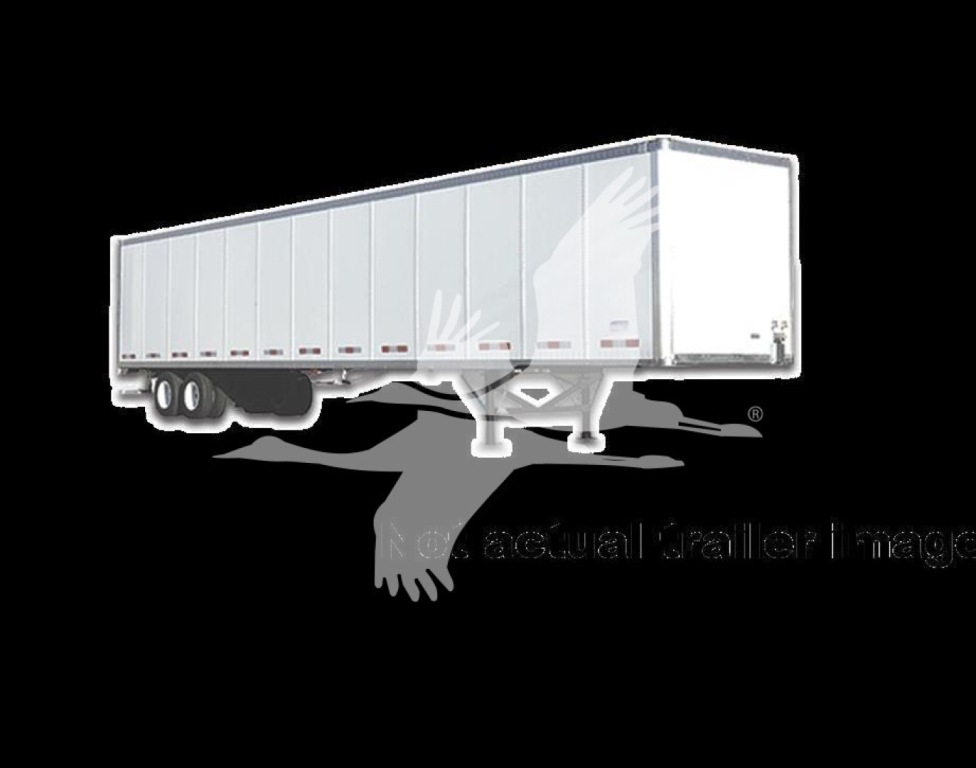
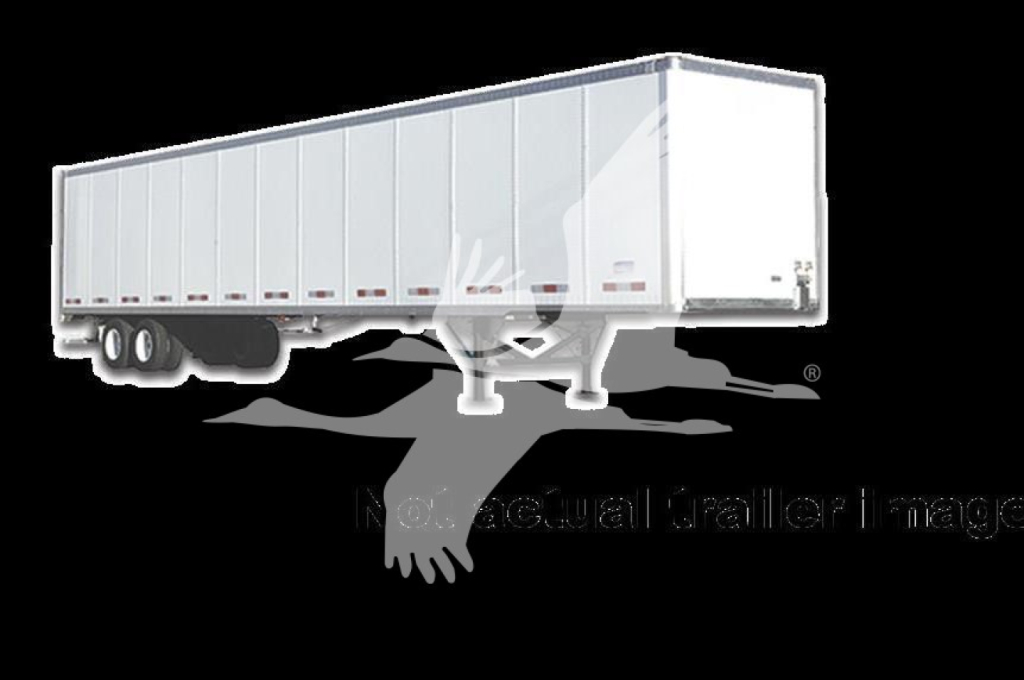
Shop 2009 Strick trailers in Pennsylvania, including 53' x 102" dry van models with air-ride suspension for freight hauling.
Looking for the easiest place to sell your 2009 strick trailer? List it here to reach thousands of buyers.
2009 Strick Trailers in Pennsylvania
On a used 2009 dry van, focus first on the roof, side panels, rear frame, crossmembers, and floor. A trailer that spent years on dock-to-dock freight can show forklift wear in the floor, impact damage at the scuff liner area, and stress around the rear sill and door frame. Look closely at door seal condition, hinge wear, ICC bumper integrity, and signs of prior patchwork on the nose or roof skin. Tire condition, brake life, wheel-end service history, and air system leaks also deserve attention because these items can quickly change the true operating cost of an older van trailer.
Pennsylvania buyers should also pay attention to corrosion, especially on trailers that have seen winter road salt in the Northeast. Surface rust on hardware is common, but heavier corrosion on the subframe, landing gear mounts, slider assembly, or suspension components deserves a closer inspection. If the trailer has a sliding tandem, confirm that the pins engage cleanly and that the rail area is not excessively worn. Kingpin wear, ABS function, light wiring condition, and DOT compliance are practical checkpoints for any buyer planning regional or interstate service.
Strick trailers have long been used in high-cycle van freight applications, so a 2009 model can still make sense when the trailer has been maintained and the structure is sound. Buyers should compare interior width and height, floor rating, swing door operation, and suspension spec against the intended freight. For general dry freight, a clean 53-foot air-ride van remains a straightforward, versatile trailer type with broad compatibility across fleet and owner-operator use.
Frequently Asked Questions about 2009 Strick Trailers in Pennsylvania
What is the most common configuration for a 2009 Strick trailer?
The most common configuration is a 53-foot by 102-inch dry van trailer with air-ride suspension. This setup is widely used for palletized dry freight because it offers standard dock compatibility, strong cubic capacity, and improved ride quality for sensitive loads.
What should I inspect first on a used 2009 Strick dry van?
Start with the structural items that are expensive to repair or that affect safety and loadability. Check the floor for forklift damage, inspect crossmembers and the rear frame, look for roof leaks or patched panels, and examine the doors, hinges, seals, landing gear, suspension, brakes, and tires. A trailer can look decent from a distance but still have high repair exposure underneath or at the rear structure.
Are air-ride Strick vans better than spring-ride for general freight?
For many dry freight applications, air-ride is preferred because it reduces road shock and can help protect palletized products, paper goods, packaged food, and other freight that does not handle repeated vibration well. Spring-ride can be simpler, but air-ride is often the stronger choice for mixed freight and dedicated customer work where ride quality matters.
What matters most when buying an older trailer in Pennsylvania?
Corrosion and chassis condition are major factors in Pennsylvania because winter salt can accelerate wear on metal components. Inspect the slider, landing gear mounts, suspension hardware, brake components, wiring, and subframe carefully. Rust that is cosmetic is manageable, but scaling, weak mounting points, or corrosion near critical structural areas can turn a low-cost trailer into a repair project.