
Used Stoughton Trailers For Sale in Georgia
Browse used Stoughton trailers for sale in Georgia, including 53-foot dry van and plate van models with logistics posts, air ride, and sliding tandems.
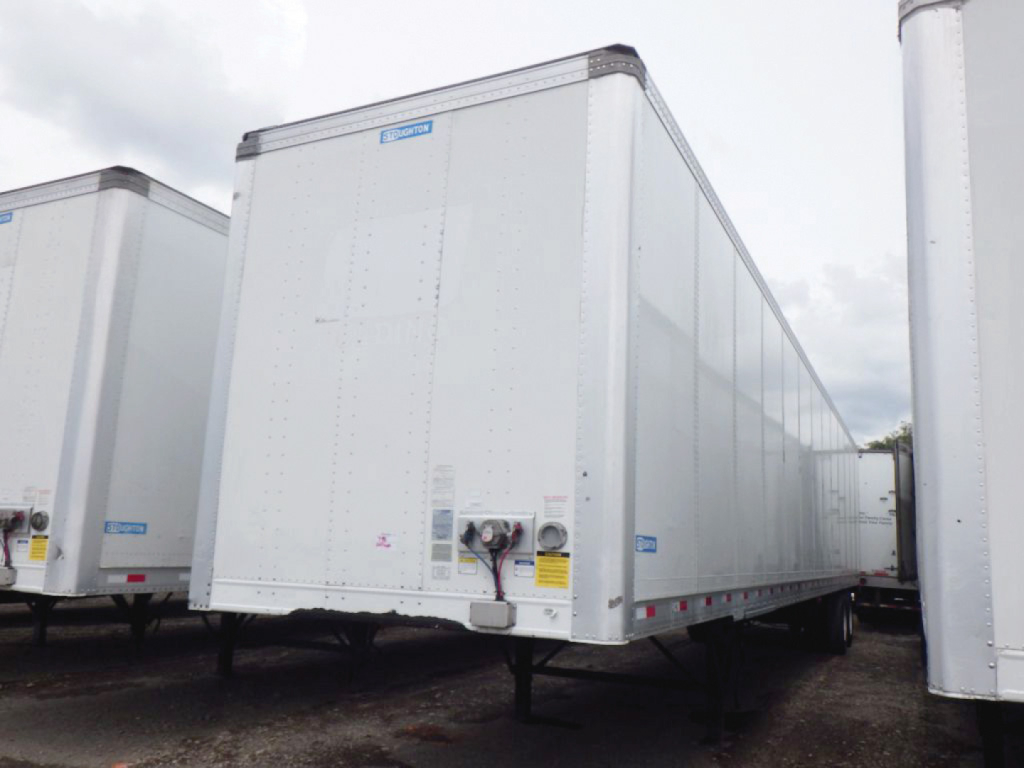
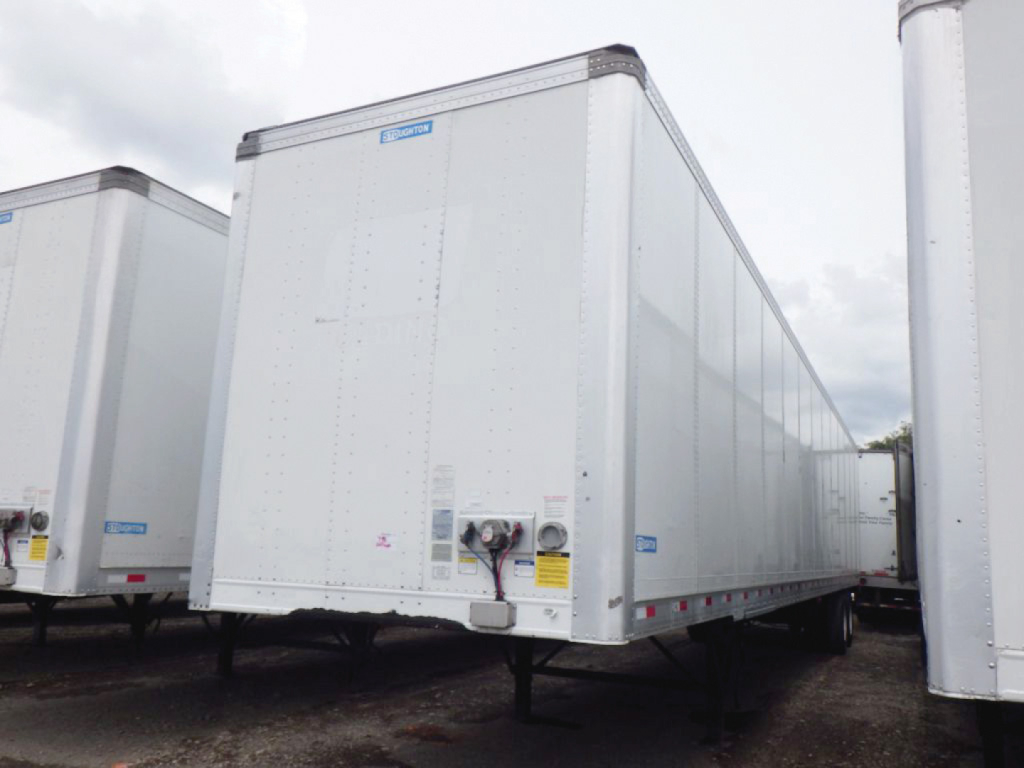
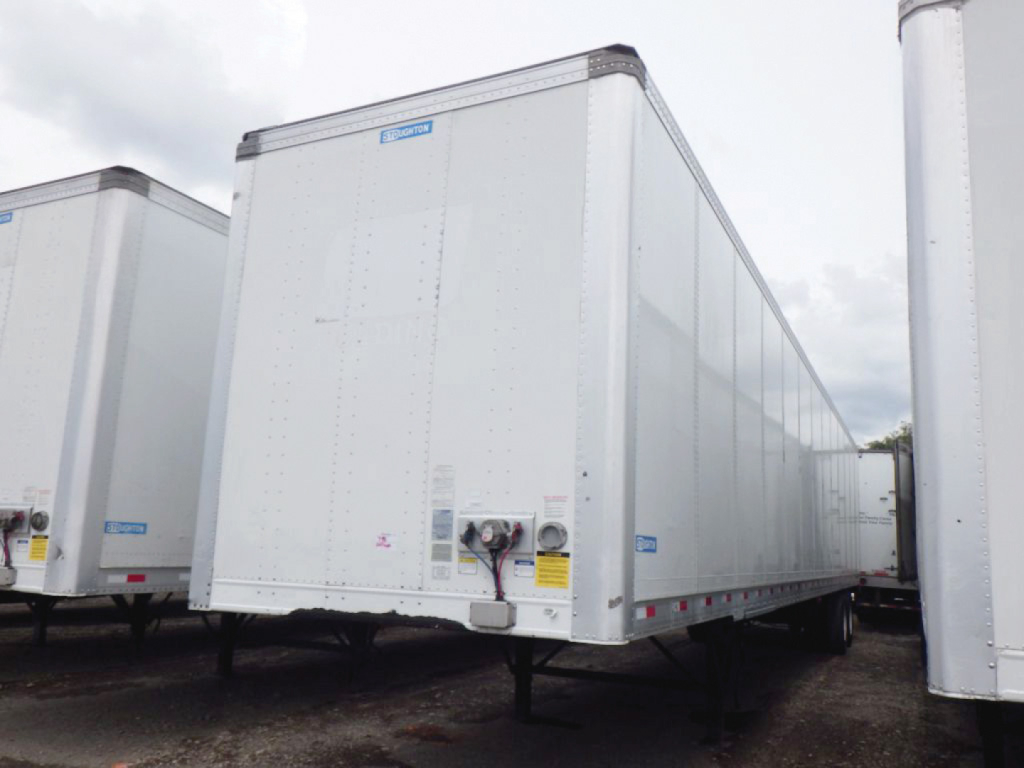
Have used stoughton trailer to sell? List it here to reach thousands of buyers.
Used Stoughton Trailers in Georgia
On used Stoughton van trailers, the most important spec details are usually inside the box and at the rear. Logistics posts or logistics-track style cargo control setups matter if you haul mixed freight, palletized consumer goods, or LTL-style loads that need decking or securement flexibility. Scuff liners, scuff plate protection, and threshold plates are worth close attention because they indicate how well the trailer is set up for forklift traffic and repeated dock loading. Wood floors remain common and economical to maintain, but buyers should still inspect floor wear, repairs, and fastener condition, especially near the doors and tandem area where abuse tends to show up first.
Suspension and axle configuration affect both tire life and operational flexibility. Many used Stoughton trailers are equipped with air ride and sliding tandems, which is a desirable setup for freight protection, bridge law compliance, and dock positioning. Low-profile 22.5 tires are common on late-model vans and can help with trailer deck height and parts standardization across a fleet. Door style is another practical decision point. Swing doors are simple and durable for full rear access, while roll-up doors can be useful in frequent stop applications where dock clearance and speed matter. Buyers in Georgia should also pay attention to corrosion, roof condition, sidewall damage, and evidence of sustained heat and humidity exposure, particularly on trailers that have spent years in dense regional freight service around Atlanta and other major distribution corridors.
A used Stoughton trailer is usually a straightforward fit for carriers running dry freight, warehouse shuttles, dedicated retail lanes, and general contract freight. Plate van models are often chosen for strength and everyday fleet use, while aluminum van configurations can appeal to buyers focused on tare weight and payload efficiency. When comparing listings, it pays to look past model year and focus on kingpin setting, lining type, floor composition, suspension condition, brake spec, tandem operation, and prior fleet maintenance history. Those details will tell you more about remaining service life and operating cost than the badge alone.
Frequently Asked Questions about Used Stoughton Trailers in Georgia
What are the most common used Stoughton trailers for sale in Georgia?
The most common used Stoughton trailers on the Georgia market are 53-foot dry van models, including plate vans and aluminum vans. Most are built to the standard 102-inch width and 13-foot 6-inch height used in general freight service. These trailers are typically spec'd with air ride suspension, sliding tandems, logistics posts, wood floors, and either swing or roll-up rear doors.
What should I inspect first on a used Stoughton dry van trailer?
Start with the floor, rear frame, roof, suspension, and tandem assembly. On a dry van, forklift traffic and dock impact usually show up first in the wood floor, threshold area, scuff liner, and rear door frame. After that, check for sidewall damage, roof leaks, tandem slide function, brake wear, tire condition, and signs of uneven suspension performance. A clean maintenance history matters, but physical inspection still tells the real story on a used van trailer.
Are Stoughton plate vans a good choice for general freight?
Yes. Stoughton plate vans are widely used in general freight, retail, and distribution service because they are durable, straightforward to maintain, and commonly spec'd for high-frequency loading. They are a practical choice for fleets that need a standard dry van with good cargo control options, dock-friendly dimensions, and widely understood replacement parts and service requirements.
What is the difference between a Stoughton plate van and an aluminum van?
A plate van generally emphasizes robust structural construction for everyday fleet use, while an aluminum van may appeal more to buyers focused on reducing tare weight and improving payload efficiency. The exact difference depends on the trailer's build spec, but in the used market, buyers usually compare these models based on structural condition, floor strength, lining setup, and how the trailer was previously operated rather than name alone.
Why does kingpin setting matter on a used Stoughton trailer?
Kingpin setting affects tractor clearance, axle spread compliance, and weight distribution across the combination. A common setting like 36 inches works well in many fleet applications, but buyers should verify that the trailer matches their tractors, operating states, and freight type. If the kingpin setting does not fit the intended use, maneuverability and legal axle loading can become more difficult to manage.