
Stoughton Trailers For Sale in Nebraska
Shop Stoughton trailers for sale in Nebraska. Compare 53-foot dry van specs, air ride, swing doors, floors, liners, and tandem setups.
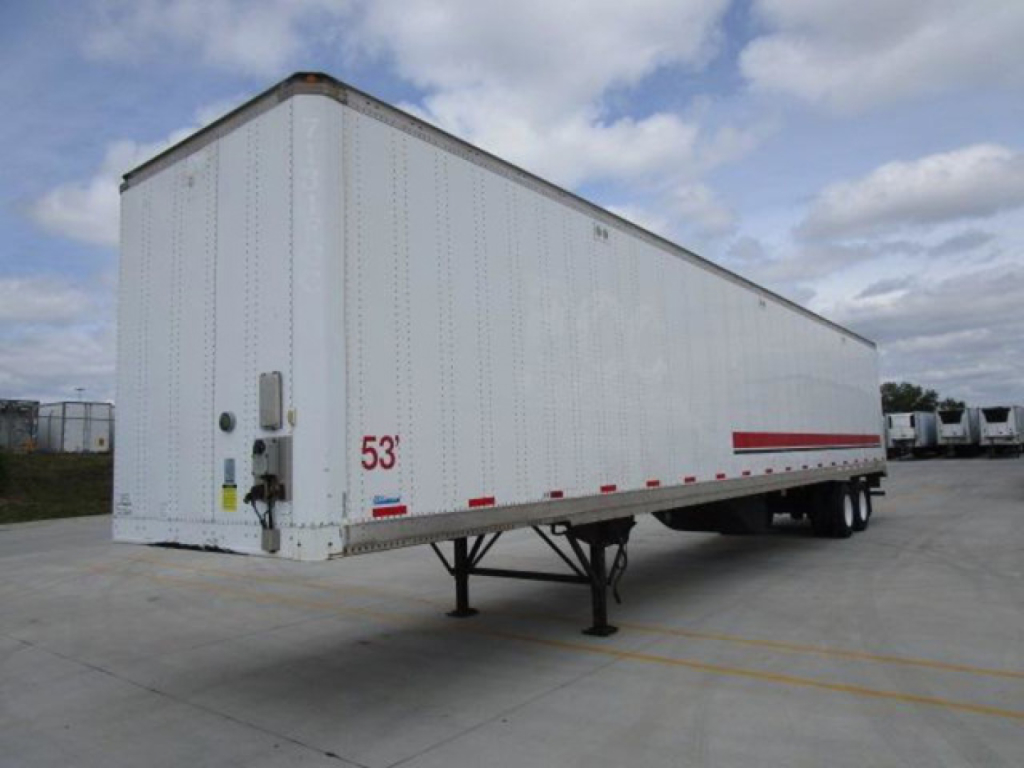
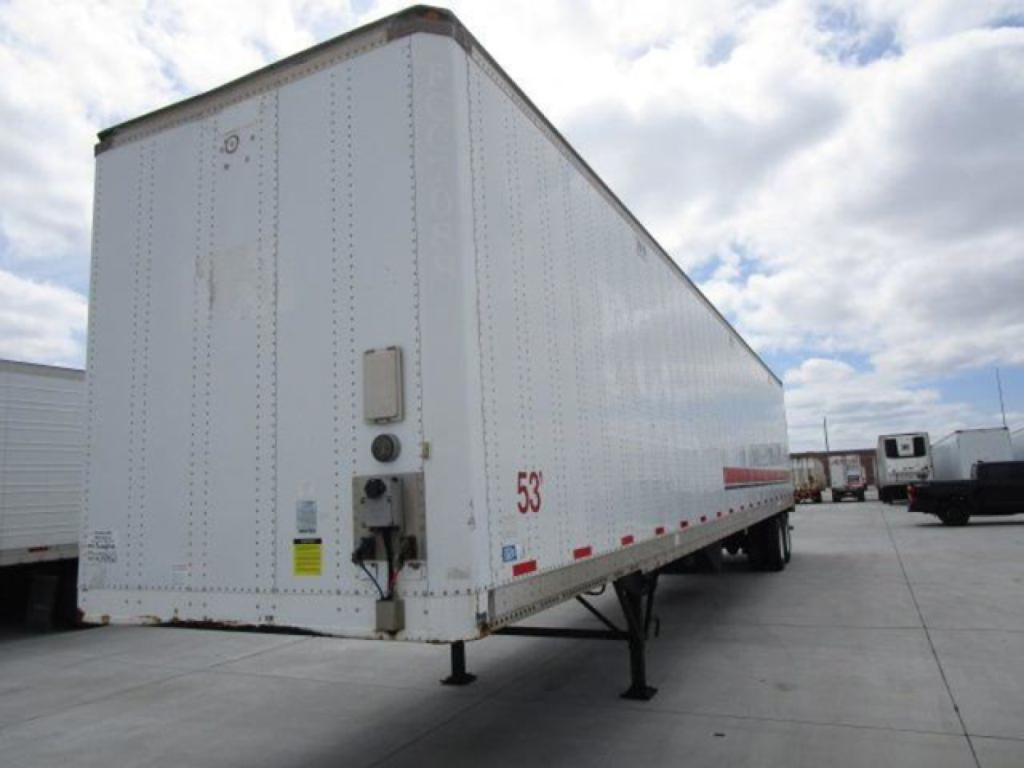
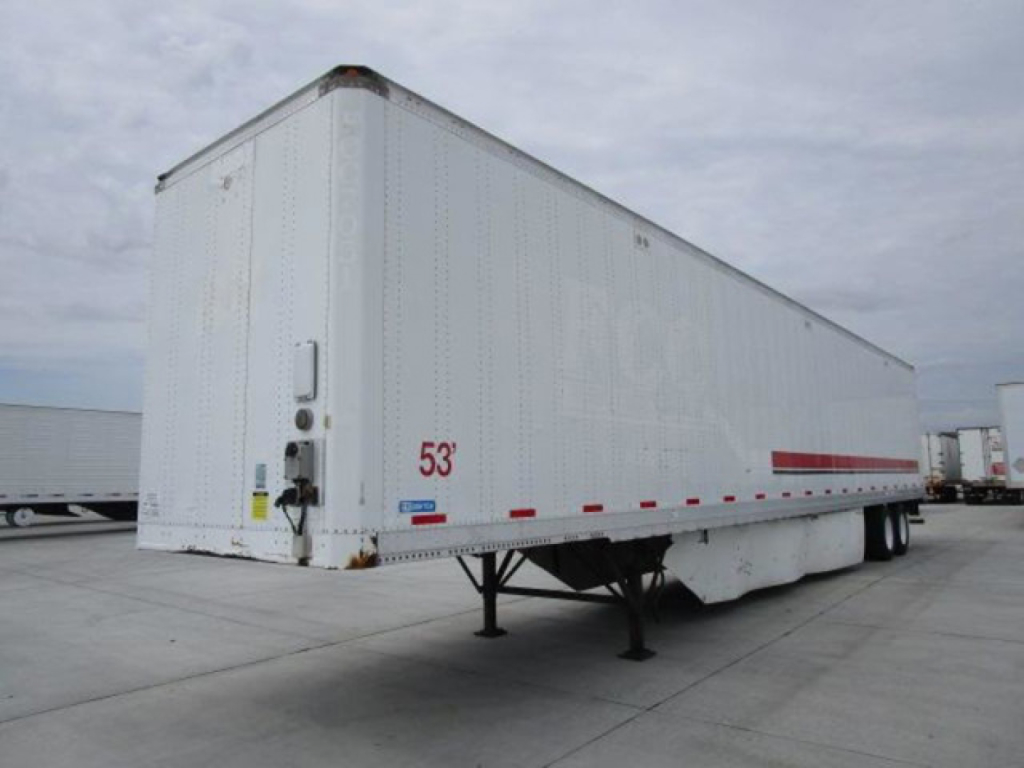
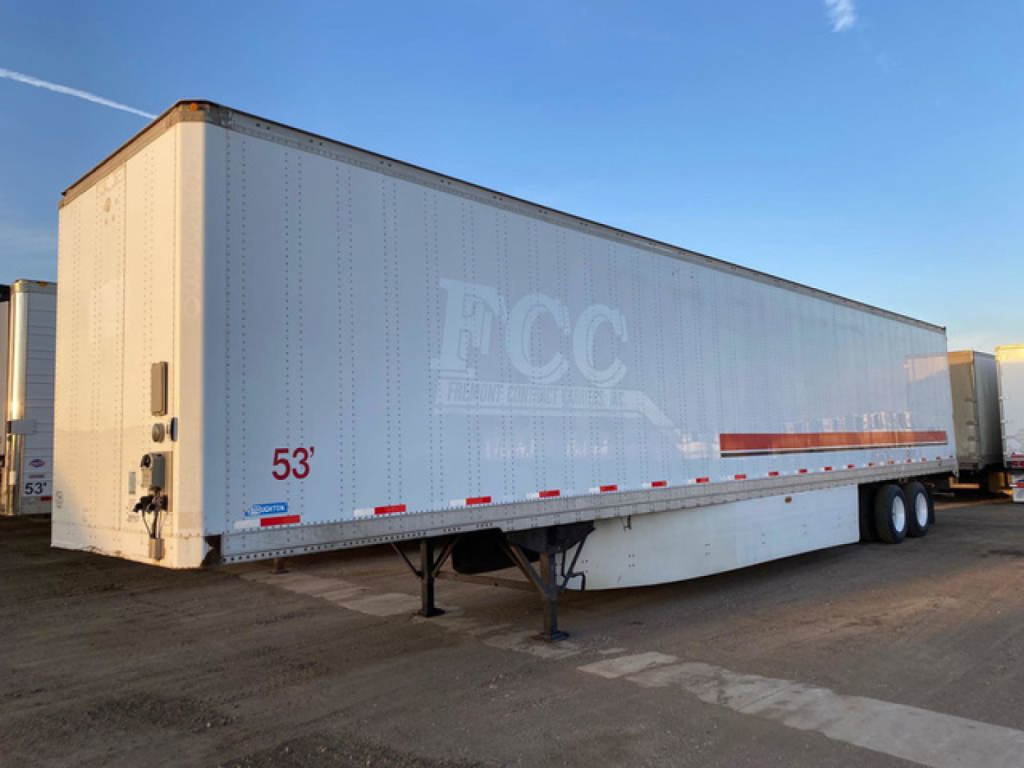
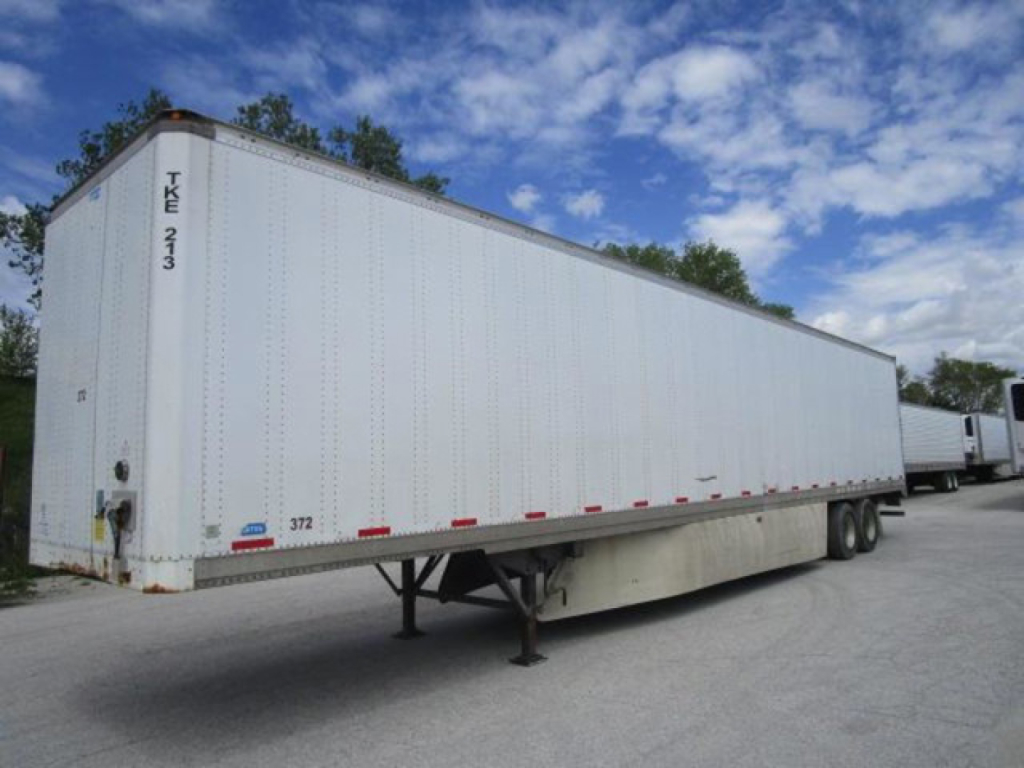

Selling a stoughton trailer? List your stoughton trailer for sale and reach thousands of commercial buyers.
Stoughton Trailers in Nebraska
The spec details usually determine how well a Stoughton trailer fits your operation. Floor construction is a big one. Wood floors remain popular for forklift traffic and repair simplicity, while buyers should also pay attention to scuff plates, threshold plates, and interior lining material such as plywood or plastic. Plastic liners can help with washout and wall protection in high-touch freight, while plywood remains familiar and cost-effective for general commodity hauling. Logistics posts or logistics track are another important feature if you are handling mixed LTL, retail freight, or any operation that depends on load bars and securement flexibility.
Suspension and running gear deserve a close look on used Stoughton vans. Air ride is a widely preferred setup for damage-sensitive freight and for fleets trying to reduce vibration on longer lanes. Sliding tandem configurations matter for bridge law compliance, dock positioning, and weight distribution, especially if the trailer will regularly cross state lines or work shippers with tight yard layouts. Tire inflation systems, low-profile 22.5 rubber, and wheel type all affect operating cost and downtime. On older units, roof material and condition should be inspected carefully, especially around seams, front corners, and previous repairs, since water intrusion can shorten floor life and create cargo claims.
For most buyers, the value in a Stoughton trailer comes down to matching the trailer spec to the freight and the route. A clean 53-foot Stoughton dry van with solid floor life, sound rear frame structure, good door seal condition, and a well-maintained tandem can be a dependable revenue trailer for years. If your freight is dock-to-dock general commodity, a standard swing-door van with air ride and logistics equipment covers most needs. If uptime is the priority, focus less on model year alone and more on roof condition, floor wear, lining damage, suspension maintenance, tire condition, and how the trailer was previously used.
Frequently Asked Questions about Stoughton Trailers in Nebraska
What are the most common Stoughton trailer specs buyers look for?
The most common Stoughton trailers on the secondary market are 53-foot dry vans built to 102-inch width and 13-foot 6-inch overall height. Many are spec'd with aluminum roofs, swing doors, air ride suspension, sliding tandems, and wood floors. Buyers also frequently look for logistics posts, scuff liners or scuff plates, threshold plates, and tire inflation systems because those features directly affect freight versatility, trailer durability, and operating cost.
Is air ride suspension worth it on a used Stoughton dry van?
Air ride is usually worth prioritizing if the trailer will haul retail freight, palletized consumer goods, food products, paper, or other cargo that benefits from reduced road shock. It can improve ride quality and help limit product damage compared with spring ride setups. On a used trailer, the value depends on condition as much as the suspension type itself, so buyers should inspect air bags, valves, bushings, shocks, and axle alignment records rather than relying on the spec sheet alone.
What should I inspect first on a used Stoughton van trailer?
Start with the floor, roof, rear frame, and tandem assembly. Floor wear from repeated forklift traffic can become expensive if crossmembers or floor sections need major repair. Roof leaks and bad seams can lead to hidden moisture damage. Rear frame and door areas often show impact wear from dock use, and tandem rails or slider components can reveal hard use and deferred maintenance. Tire condition, brake wear, wheel-end service history, and door seal condition should also be checked before purchase.
Are Stoughton trailers a good fit for Nebraska freight operations?
Yes. Stoughton dry vans are well suited for Nebraska lanes that include regional distribution, warehouse freight, agricultural packaging, and long-haul interstate work. A 53-foot van with sliding tandems is practical for bridge compliance and load distribution, while air ride helps on longer runs and with damage-sensitive freight. Nebraska buyers often benefit from choosing a trailer with durable interior lining, a solid floor, and dependable door hardware because those items affect everyday uptime more than cosmetic appearance.
What is the advantage of logistics-equipped Stoughton trailers?
A logistics-equipped trailer gives the operator more options for securing and segmenting freight. Vertical logistics posts or track systems make it easier to use load bars, straps, and decking accessories for multi-stop freight, mixed commodity loads, and partial shipments. That flexibility matters if the trailer will handle retail distribution, LTL-style freight, or any operation where cargo securement changes from load to load.