
Stoughton Trailers For Sale in Illinois
Shop Stoughton trailers for sale in Illinois, including dry van trailers with aluminum construction, air ride suspension, sliding tandems, and logistics posts.
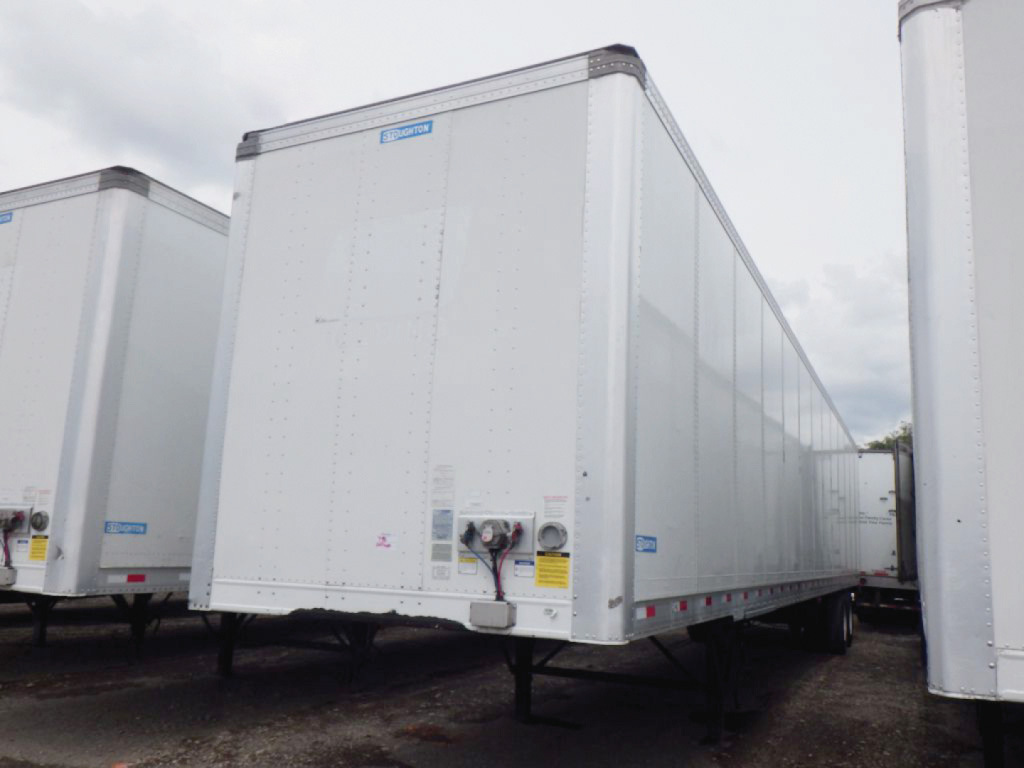
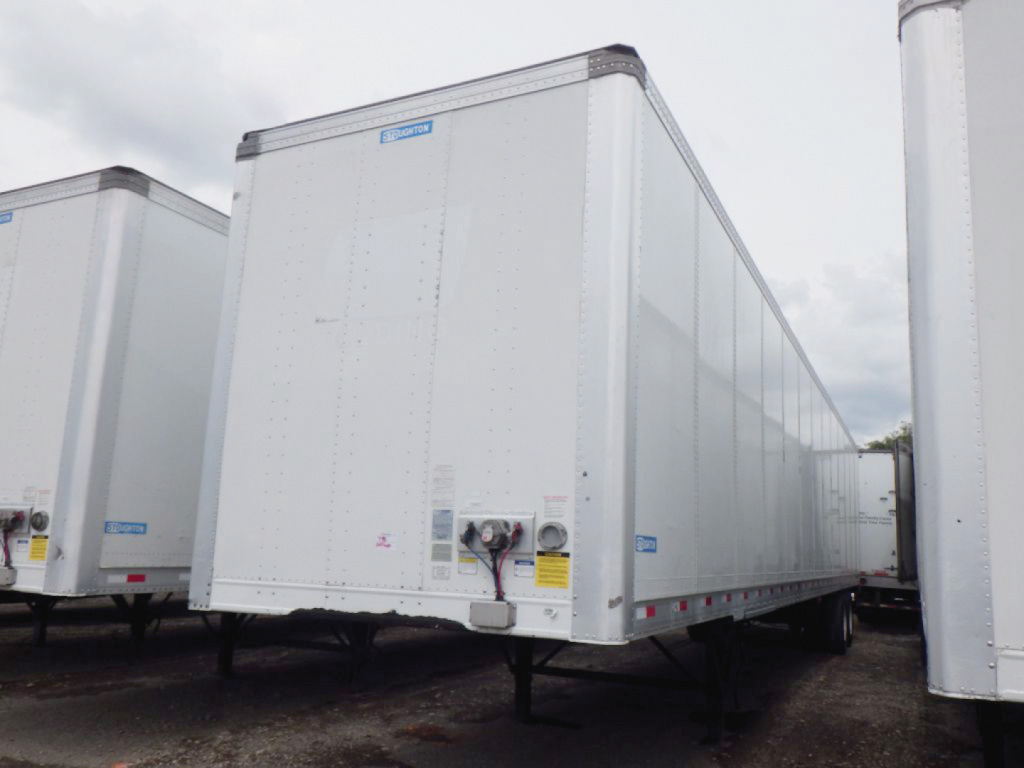
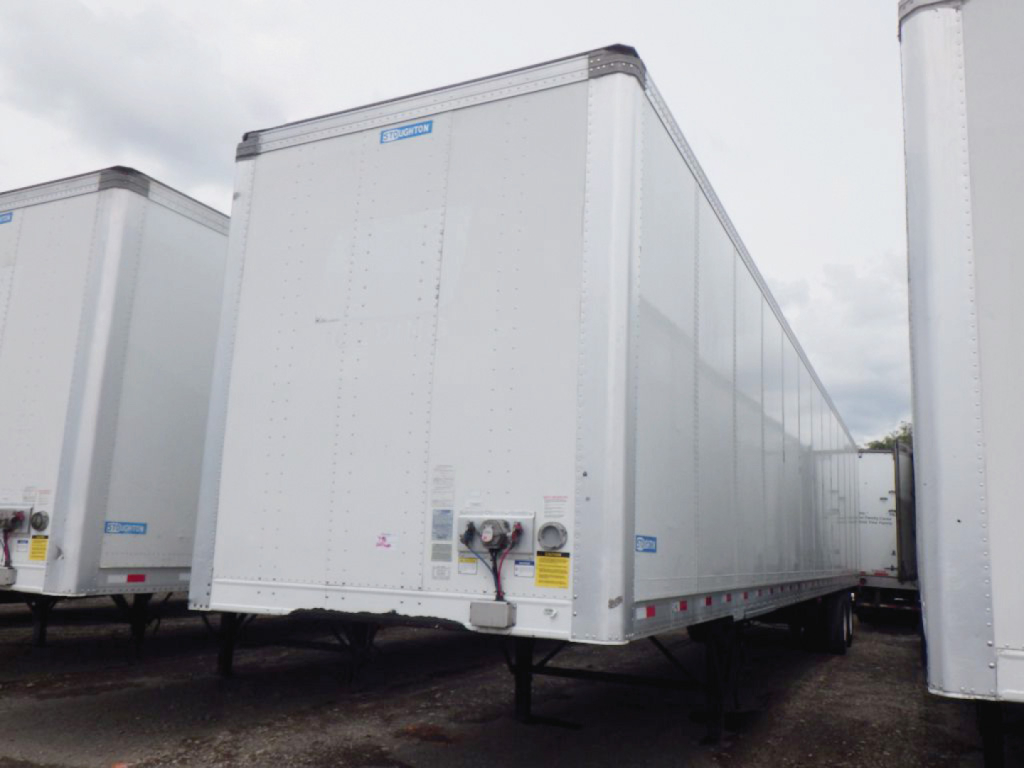
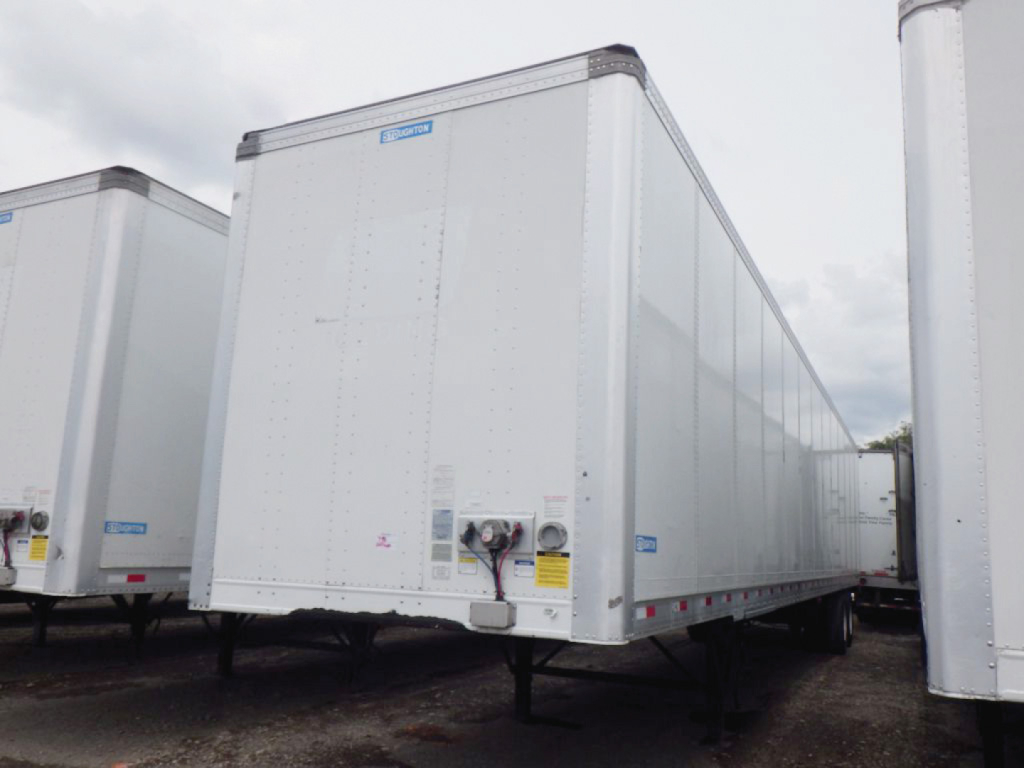
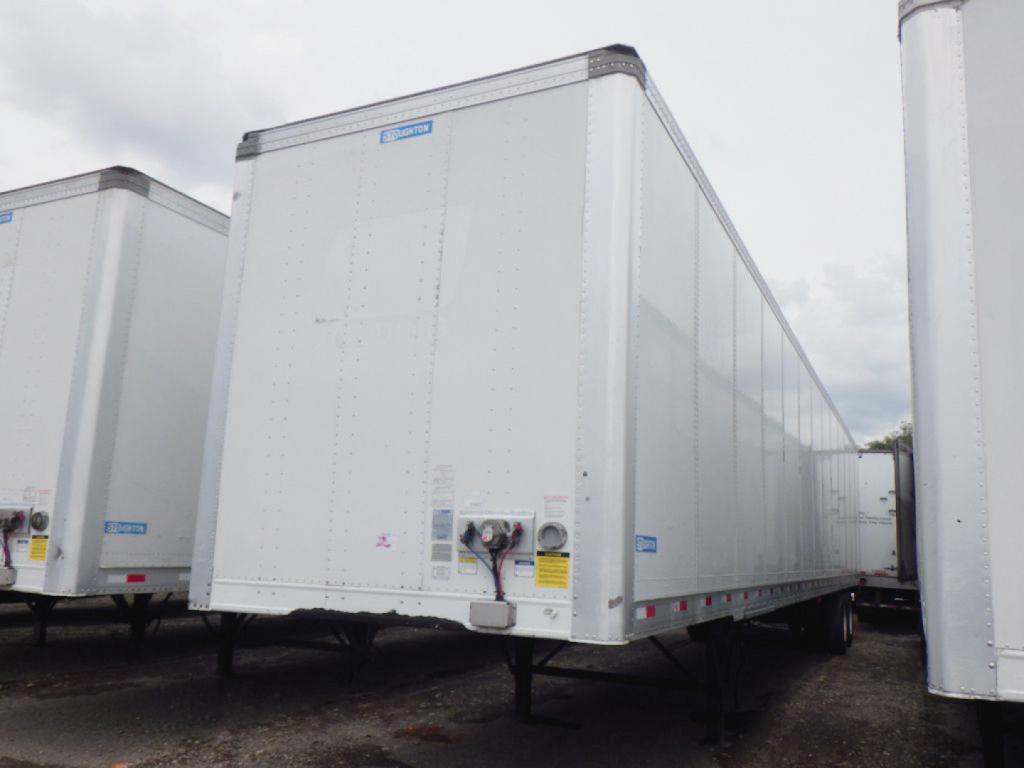
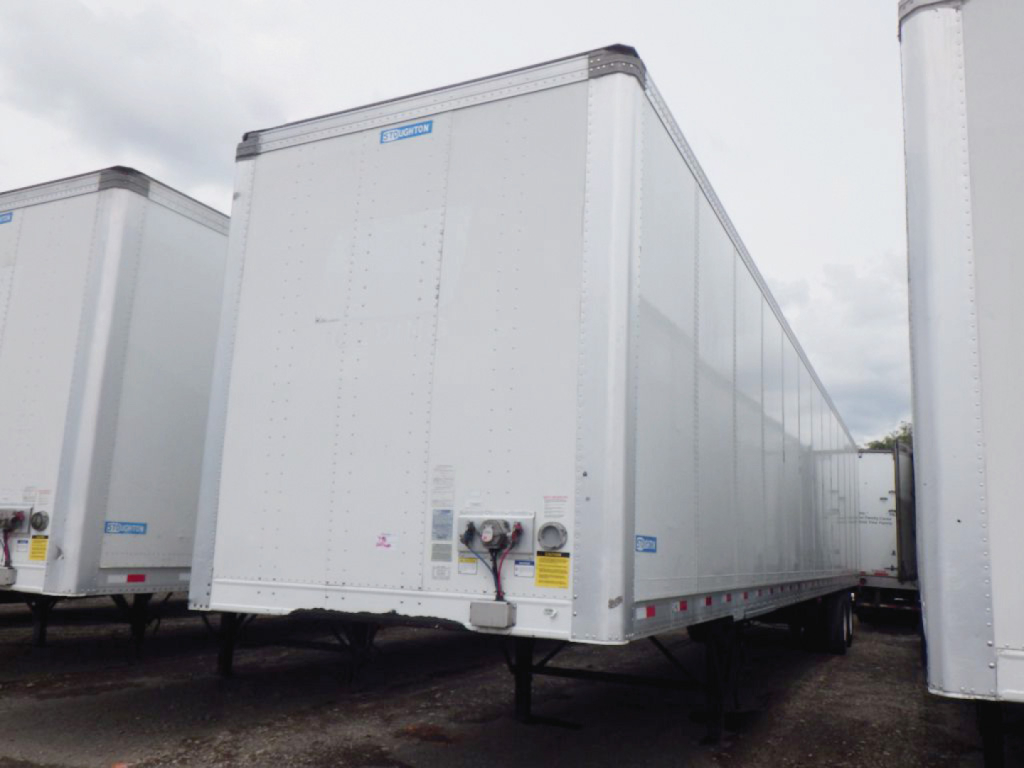
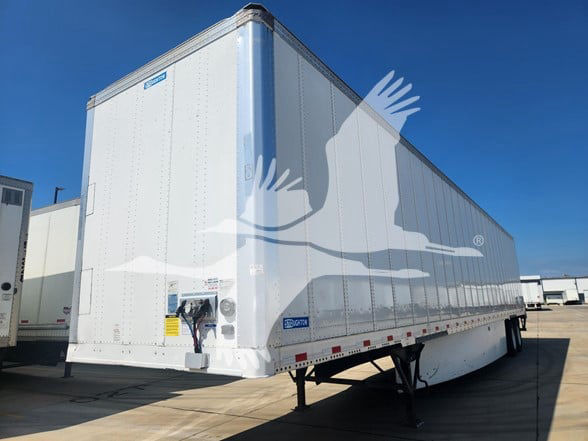
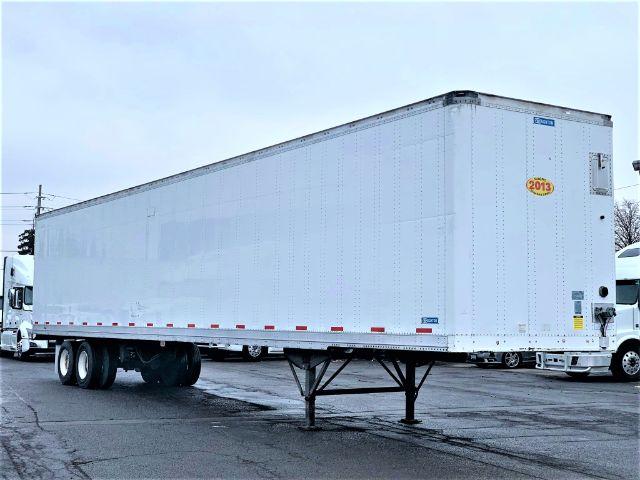

Looking for the easiest place to sell your stoughton trailer? List it here to reach thousands of buyers.
Stoughton Trailers in Illinois
A typical Stoughton van trailer in this category may include a wood floor, scuff plate, threshold plate, logistics posts or E-track, and either a lined or unlined interior. Those details matter more than they look on paper. A plywood-lined trailer can be a better fit for high-contact freight, mixed LTL, or routes where forklift damage is common. Logistics posts and E-track improve load flexibility for shippers using straps, decking beams, or segmented freight. If the trailer has front and rear vents, that can help with airflow on temperature-sensitive non-refrigerated loads. Buyers hauling grocery dry goods, paper products, packaging, or consumer freight should pay close attention to wall condition, floor wear, roof integrity, and signs of repeated dock impact around the rear frame and threshold.
Running gear is another major decision point on a used Stoughton trailer. Many listings in this class are equipped with sliding tandems, which helps with bridge law compliance, axle weight distribution, and dock positioning. Air ride suspension is generally preferred for smoother ride quality and better cargo protection, while spring suspension can still make sense for buyers focused on simplicity and lower repair cost. Low-profile 22.5 tires are common, and wheel type, brake condition, and axle alignment should all be reviewed before purchase. On Illinois lanes that include heavy warehouse traffic, rough yards, and frequent stop-and-go operation, suspension wear, brake life, and tandem slider condition deserve close inspection.
Stoughton has long been a recognized name in van trailers, also known as dry van trailers or enclosed semi-trailers. For many buyers, the value is in finding the right balance of tare weight, cube, cargo control features, and structural condition rather than focusing only on model year. A 53-foot Stoughton van with air ride, swing doors, and logistics equipment may be ideal for linehaul or dedicated contract freight, while a 45-foot unit with roll-up door and lined walls may suit city deliveries or route work with frequent dock stops. The best buying approach is to match the trailer’s floor rating, interior layout, rear opening, suspension, and tandem setup to the freight profile it will handle every week.
Frequently Asked Questions about Stoughton Trailers in Illinois
What are Stoughton trailers most commonly used for?
Stoughton trailers are commonly used as dry van trailers for general freight, palletized goods, retail distribution, packaging, paper products, and other non-temperature-controlled cargo. Most buyers look at them for dock-high freight operations where enclosed protection, standard 102-inch width, and flexible cargo securement are important. They are widely used in fleet service because aluminum van construction can help keep tare weight down while still offering solid durability for regional and over-the-road work.
What should I inspect first on a used Stoughton dry van trailer?
Start with the structural and cargo-contact areas. Check the roof, sidewalls, front wall, rear frame, threshold plate, and floor for repairs, punctures, rot, delamination, or forklift damage. Then inspect the tandem slider rails, suspension, brakes, tires, wheel ends, and door hardware. On a dry van, cargo-control equipment such as logistics posts, E-track, and scuff liners also matters because damaged or incomplete securement systems can limit the trailer’s usefulness for many shippers.
Is air ride or spring suspension better on a Stoughton van trailer?
Air ride suspension is usually the better choice for buyers hauling freight that benefits from a smoother ride, including packaged consumer goods, paper, and sensitive palletized cargo. It can also be preferred by carriers working with customers who expect better cargo protection. Spring suspension is simpler and may cost less to maintain, which can appeal to buyers focused on basic freight lanes or tighter operating budgets. The right choice depends on commodity type, route conditions, and maintenance priorities.
Why does a sliding tandem matter on a van trailer?
A sliding tandem gives the operator more flexibility to comply with bridge laws, adjust axle weights, and position the trailer correctly at different docks. That is especially useful in Illinois and other states where freight weight, shipper loading patterns, and facility layouts can vary from stop to stop. A slider that moves freely and locks correctly is important, because seized rails, worn pins, or damaged components can create both safety and compliance problems.
Are 45-foot and 53-foot Stoughton trailers suited to different jobs?
Yes. A 53-foot Stoughton trailer is the standard choice for maximizing cubic capacity and pallet count in over-the-road and dedicated freight operations. A 45-foot trailer can be a practical fit for regional routes, tighter urban delivery environments, or operations where facility space and maneuverability matter more than maximum cube. Buyers should match trailer length not just to freight volume, but also to route restrictions, dock layouts, and how often the trailer will be dropped, spotted, or turned in congested areas.